
The Truth About Phantom Subway Urban Legend Sightings
Late at night, down on the platform, quiet tunnels have a way of playing tricks on the mind.
Anúncios
Spend enough time waiting for an overdue train and you’ll hear them: rumors of phantom engines rolling past abandoned stations, vanishing around curve tracks, or running along lines that off-grid maps swear don’t exist.
These urban myths aren’t just spooky stories told to kill time during a night shift. They reflect a strange, lasting fascination with the world buried right beneath our feet.
Yet every Phantom Subway Urban Legend carries a surprisingly logical explanation when you strip away the ghost-story flare.
Scratch beneath the surface of any spectral train sighting and you almost always find a mix of obscure transit history, obsolete station architecture, nocturnal maintenance routines, and the human brain doing what it does best in the dark: inventing patterns where there aren’t any.
Table of Contents
- What Is a Phantom Subway Urban Legend?
- How Do Abandoned Stations Feed Ghost Sightings?
- Why Do Late-Night Commuters See Mysterious Trains?
- Which Historic Systems Have Documented Phantom Sightings?
- What Are the Technical Explanations for Ghost Trains?
- Comparison of Legendary Subterranean Sites
- Conclusion
- Frequently Asked Questions
What Is a Phantom Subway Urban Legend?
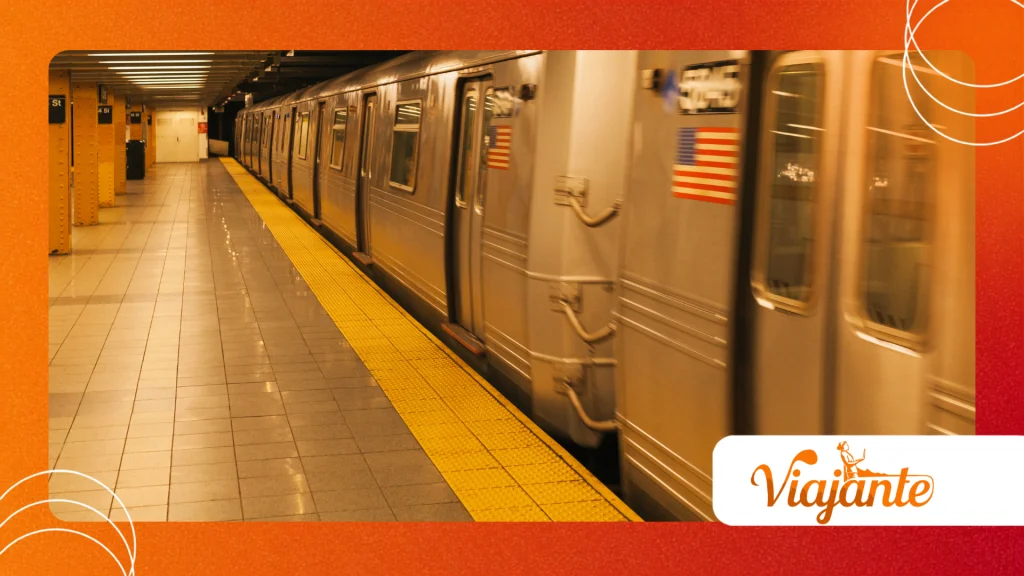
Strip away the melodrama, and a Phantom Subway Urban Legend usually stems from an unverified report of an unmarked train, a flickering light, or an ethereal figure glimpsed inside a tunnel long after passenger service wraps up for the night.
Folklorists see these tales as modern folklore born from urban claustrophobia. But talk to anyone working track maintenance, and they’ll tell you these sightings almost always align with unscheduled utility cars or closed-off infrastructure.
Subterranean systems are vast acoustic soundboards built from cold concrete and narrow corridors. When a routine service vehicle rattles through at 2:00 AM, the resulting visual and auditory noise easily morphs into a supernatural encounters thread online.
How Do Abandoned Stations Feed Ghost Sightings?
Decommissioned transit hubs—often dubbed “ghost stations”—do most of the heavy lifting for local mythology. Cities expand and redesign their transit networks, frequently abandoning old platforms that remain visible, if only for a fraction of a second, from passing trains.
Take London’s old City Road station or New York’s famous City Hall loop. These spaces sit completely unlit. When commuters catch a fleeting, shadowy glimpse of vintage tiles through a dirty window, their imagination instinctively fills in the blanks.
Urban explorers who slip past locked gates don’t help matters much. Their reports of cold drafts, echoey footsteps, and strange silhouettes usually come down to basic physics: open ventilation shafts pulling midnight air through kilometers of empty space.
Why Do Late-Night Commuters See Mysterious Trains?
There is something inherently disorienting about standing alone on a quiet platform after midnight. Exhaustion, dim fluorescent lighting, and sensory deprivation create the ideal mental conditions for tricking even the most skeptical traveler.
Under low-light conditions, the brain struggles to process motion and contrast smoothly. A flash of headlights, a shift in shadows, or a distant metallic whine gets translated into an impossible, ghost-like apparition before the conscious mind can process reality.
That is how a Phantom Subway Urban Legend gains traction. An exhausted rider sees a glimpse of something weird, posts about it online, and within weeks, a mundane work engine becomes a full-blown phantom train haunting the line.
Historical transit maps and archival documents archived by the Library of Congress offer a fascinating look at how these underground networks evolved, proving just how much real history lies hidden behind concrete walls.
Which Historic Systems Have Documented Phantom Sightings?
It shouldn’t come as a surprise that the oldest, most intricate subway systems hoard the most ghost stories. London, New York, and Paris lead the pack simply because they have more layers of forgotten history under their streets.
Londoners still share tales about the South Kensington ghost train, said to vanish into thin air with a screech of brakes. In reality, early 20th-century steam-operated maintenance engines fit that exact visual and noise profile.
Over in New York, the curved platform at City Hall station remains a favorite legend. Express cars sweeping through the turn cast strange reflections against the old stained glass, easily convincing riders they’ve seen something from another century.
++ Why Colobus Congoensis Monkey Is Africa’s Newest Primate
What Are the Technical Explanations for Ghost Trains?
Subway systems never actually go to sleep. When passenger service stops, a small army of specialized maintenance cars takes over to inspect rails, grind down steel wear, clean debris, and haul heavy structural gear.
These utility vehicles look nothing like standard commuter cars. They operate with dim work lights, carry no passenger markings, and run on erratic schedules. To an untrained observer peeking down a dark tunnel, they look thoroughly otherworldly.
In the end, almost every Phantom Subway Urban Legend succumbs to basic acoustic engineering. Curved concrete walls carry sound across incredible distances, making a grinding train three stops away sound like it is bearing down right on top of you.
++ Animals That Changed the Course of Human History
Comparison of Legendary Subterranean Sites
| Location | Famous Legend | Primary Physical Cause | Current Operational Status |
| City Hall (NYC) | Spectral Express Train | Curved Platform / Light Reflection | Decommissioned (Loop Track Active) |
| Aldwych (London) | Phantom Station Guard | Disused Platform / Ventilation Airflow | Closed to Public (Film Location) |
| Porte Molitor (Paris) | Phantom Ghost Metro | Unused Loop / Night Storage | Never Opened to Passengers |
| Cincinnati Subway | Phantom Construction Cars | Unfinished Tunnels / Pipe Maintenance | Abandoned Incomplete System |
hat Modern Urban Explorers Discover in Abandoned Tunnels
Beyond the supernatural folklore, subterranean networks attract urban explorers, historians, and transit enthusiasts eager to document forgotten architecture hidden beneath modern streets.
Armed with specialized gear, these subterranean researchers frequently encounter historical artifacts—such as century-old signage, unused signal boxes, and intact vintage tilework—that reveal how early engineers solved complex underground transit challenges.
Far from encountering ghosts, disciplined explorers document concrete facts, proving that these dark corridors function as living museums of industrial history rather than haunted passages.
What Drives Our Fascination With Underground Mysteries?
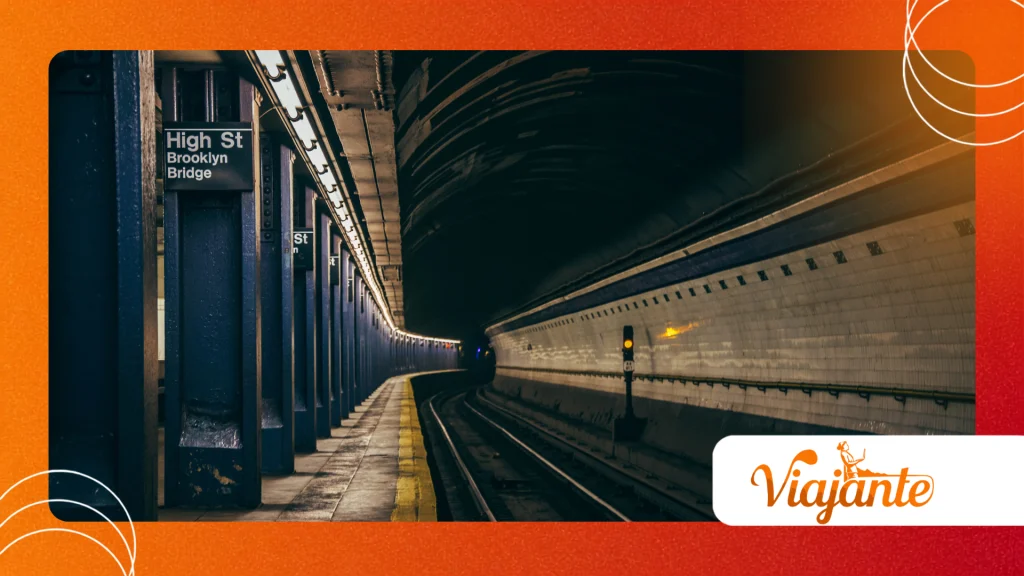
The human obsession with subterranean folklore stems from a psychological mix of isolation, unfamiliar sensory cues, and the innate fear of unseen spaces.
Dark, cavernous transit tunnels trigger a natural fight-or-flight response, making the brain unusually hyper-vigilant and prone to filling quiet silence with exaggerated supernatural explanations.
This ongoing curiosity transformed old rail networks into modern mythologies, reflecting how urban dwellers process the unseen infrastructure running beneath their everyday lives.
As long as cities maintain dark, restricted spaces, commuters will continue projecting their wild imaginations into the shadowy depths of the track ahead.
++ Animal Migrations That Scientists Still Can’t Fully Explain
Conclusion
Every persistent Phantom Subway Urban Legend eventually unravels when placed alongside engineering logs, acoustic science, and simple human physiology. The uncanny feeling of the underground turns simple work crews into phantom folklore.
Understanding how transit networks operate behind the scenes doesn’t ruin the magic; it actually makes urban history far more interesting. Dark tunnels naturally fire up our imagination, but concrete reality keeps the train running.
So the next time you catch a weird light flickering far down the track during a late-night commute, save yourself the panic. It’s just the night shift keeping the city moving while everyone else sleeps.
If you want to dig deeper into how early urban transit design shaped modern cities, check out the historical archives curated at the Smithsonian Institution for a grounded look at subterranean engineering.
Frequently Asked Questions
Are phantom subway trains real?
No. Phantom subway trains are urban myths born from misidentified night-maintenance machinery, strange tunnel acoustics, optical illusions, and exaggerated stories passed down by weary late-night commuters.
Why do abandoned subway stations look haunted?
Decommissioned stations look eerie because they feature vintage architecture, heavy dust, and dark platforms that commuters only catch quick, shadowy glimpses of through moving train windows.
What actually runs on subway tracks late at night?
Agencies run utility railcars, track grinders, structural inspection cars, and maintenance work trains overnight to repair lines and clear debris without interrupting regular daytime passenger schedules.
\