
The Truth Behind Ghost Apartment Urban Legend Reports
High housing costs, remote work flexibility, and digital listing platforms frequently lead professionals to investigate strange real estate anomalies online. Many tenants encounter eerie stories about vacant units selling below market value.
Anúncios
Urban tales regarding haunted or abandoned buildings spread rapidly across social forums today. However, rational explanations involving housing economics, code enforcement, and property management usually clarify these mysterious spectral reports.
This comprehensive guide investigates real estate myths, breaks down structural mechanisms behind eerie property reports, evaluates tenant consumer protection laws, and outlines practical steps for evaluating rental property conditions.
Summary Table of Contents
- What Is the Ghost Apartment Urban Legend in Modern Real Estate?
- Why Do Reports of Vacant Ghost Flats Persist Across Major Metropolitan Cities?
- How Does Property Management Oversight Create Eerie Environmental Conditions?
- Which Legal Frameworks Protect Tenants from Haunted or Stigmatized Properties?
- What Are the Primary Factors Behind Ghost Property Reports?
- How Can Prospective Renters Verify Property Conditions Before Signing Contracts?
- Frequently Asked Questions (FAQ)
What Is the Ghost Apartment Urban Legend in Modern Real Estate?
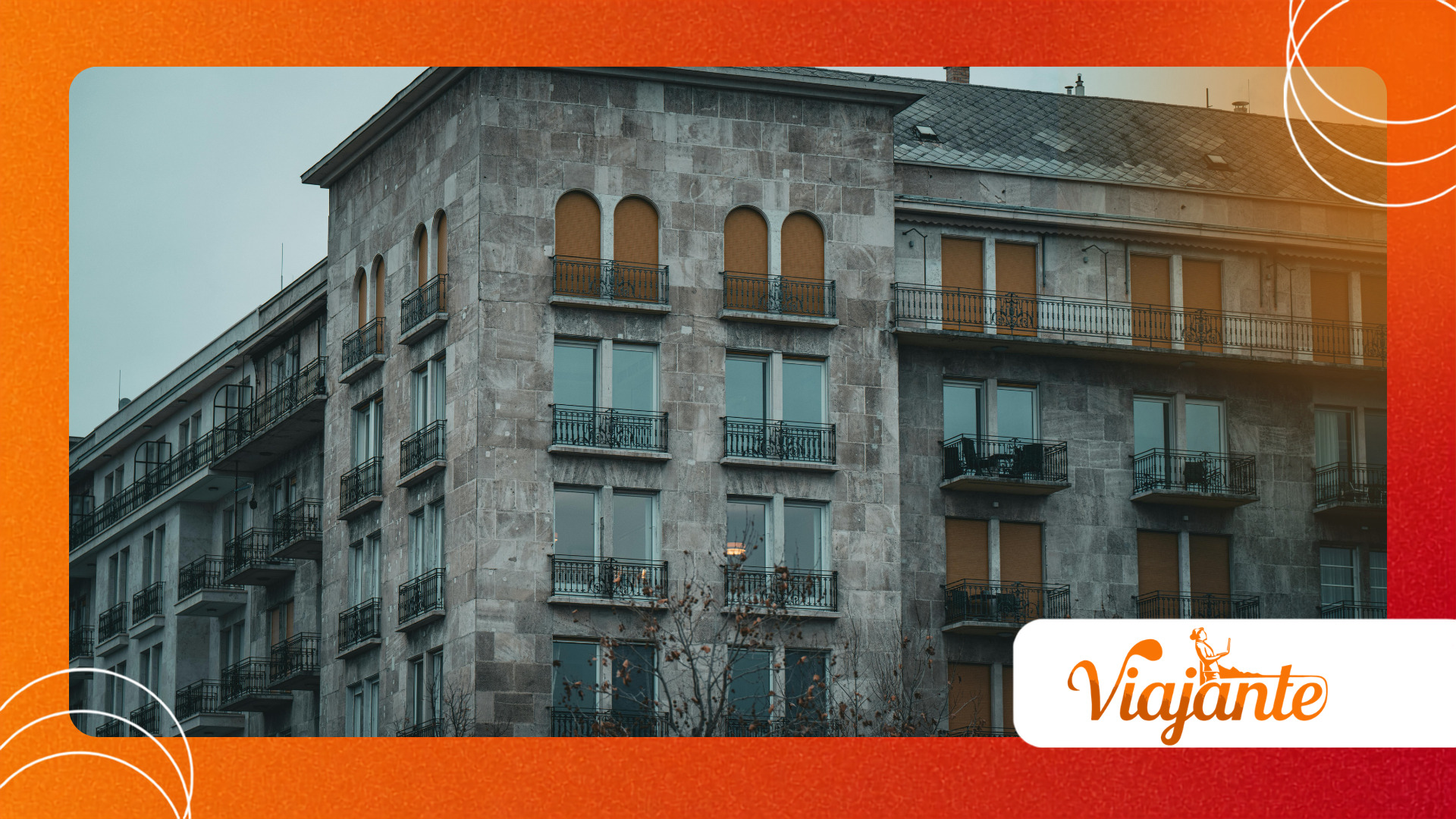
Tales surrounding haunted rentals usually originate when prospective tenants notice fully furnished residential spaces remaining unoccupied for extended periods despite booming local real estate markets.
Media accounts often attribute these silent, empty residential dwellings to supernatural encounters, unexplained physical anomalies, or tragic historic events occurring within apartment walls.
Investigating the Ghost Apartment Urban Legend reveals that economic speculation, tax incentives, corporate ownership structures, and delayed inheritance proceedings account for long-term urban residential vacancies.
Why Do Reports of Vacant Ghost Flats Persist Across Major Metropolitan Cities?
Unoccupied housing inventory in bustling metropolitan markets creates natural suspicion among local residents searching for affordable urban residential options in tight real estate markets.
Speculative property investments allow offshore holdings companies and domestic real estate funds to hold vacant units purely for capital appreciation without managing active tenant leases.
Online forums amplify local housing myths, converting standard commercial investment strategies into viral paranormal stories that confuse apartment hunters seeking reliable urban housing units.
A deep dive into the Ghost Apartment Urban Legend shows how financial decisions often wear spooky disguises.
How Does Property Management Oversight Create Eerie Environmental Conditions?
Neglected plumbing infrastructure, deteriorating HVAC ductwork, and structural settling regularly produce unusual noises that superstitious residents misinterpret as authentic paranormal phenomena during late evening hours.
Plumbing water hammer effects generate loud metallic banging sounds inside hollow drywall compartments whenever municipal water pressure fluctuates through old building distribution systems.
Sub-slab foundation shifting, carbon monoxide leaks, and electrical grounding issues can cause physical disorientation, phantom auditory sensations, and sudden environmental temperature drops in older buildings.
Learn about indoor environmental hazards and indoor air quality standards through official guidelines established by the U.S. Environmental Protection Agency.
Which Legal Frameworks Protect Tenants from Haunted or Stigmatized Properties?
State real estate disclosure regulations mandate that sellers and landlords reveal specific material defects, hazardous environmental conditions, and recent emotional or psychological property stigmas.
Jurisdictions across North America enforce strict statutory definitions regarding what constitutes a material housing defect that must legally appear within binding residential lease contracts.
Court precedents establish that real estate agents cannot intentionally misrepresent building histories or conceal serious physical safety hazards to secure lease agreements from unsuspecting renters.
Understanding these protections helps demystify the Ghost Apartment Urban Legend when examining rental contracts.
++ Why Abandoned Village Urban Legends Are Trending Again
What Are the Primary Factors Behind Ghost Property Reports?
Understanding why high-value urban residential properties sit vacant while displaying signs of neglect requires analyzing housing industry metrics, maintenance protocols, and economic incentives.
The following data table breaks down verified real estate factors that frequently generate local spectral housing myths across major American metropolitan real estate markets.
++ The Truth About Phantom Subway Urban Legend Sightings
| Property Anomaly Category | Common Urban Myth Claim | Real-World Economic or Structural Root Cause |
| Long-Term Vacancy | Spectral presence keeps tenants away. | Institutional land banking or pending probate litigation. |
| Unexplained Noises | Poltergeist activity inside drywall. | Hydraulic water hammer or thermal pipe expansion. |
| Sudden Cold Spots | Paranormal energy draining heat. | Damaged window insulation or faulty HVAC damper vents. |
| Auditory Disorientation | Phantom whispering in hallways. | Low-frequency infrasound from failing motor fans. |
| Sudden Air Discomfort | Supernatural heavy air pressure. | Dangerous carbon monoxide buildup or high mold spores. |
How Can Prospective Renters Verify Property Conditions Before Signing Contracts?
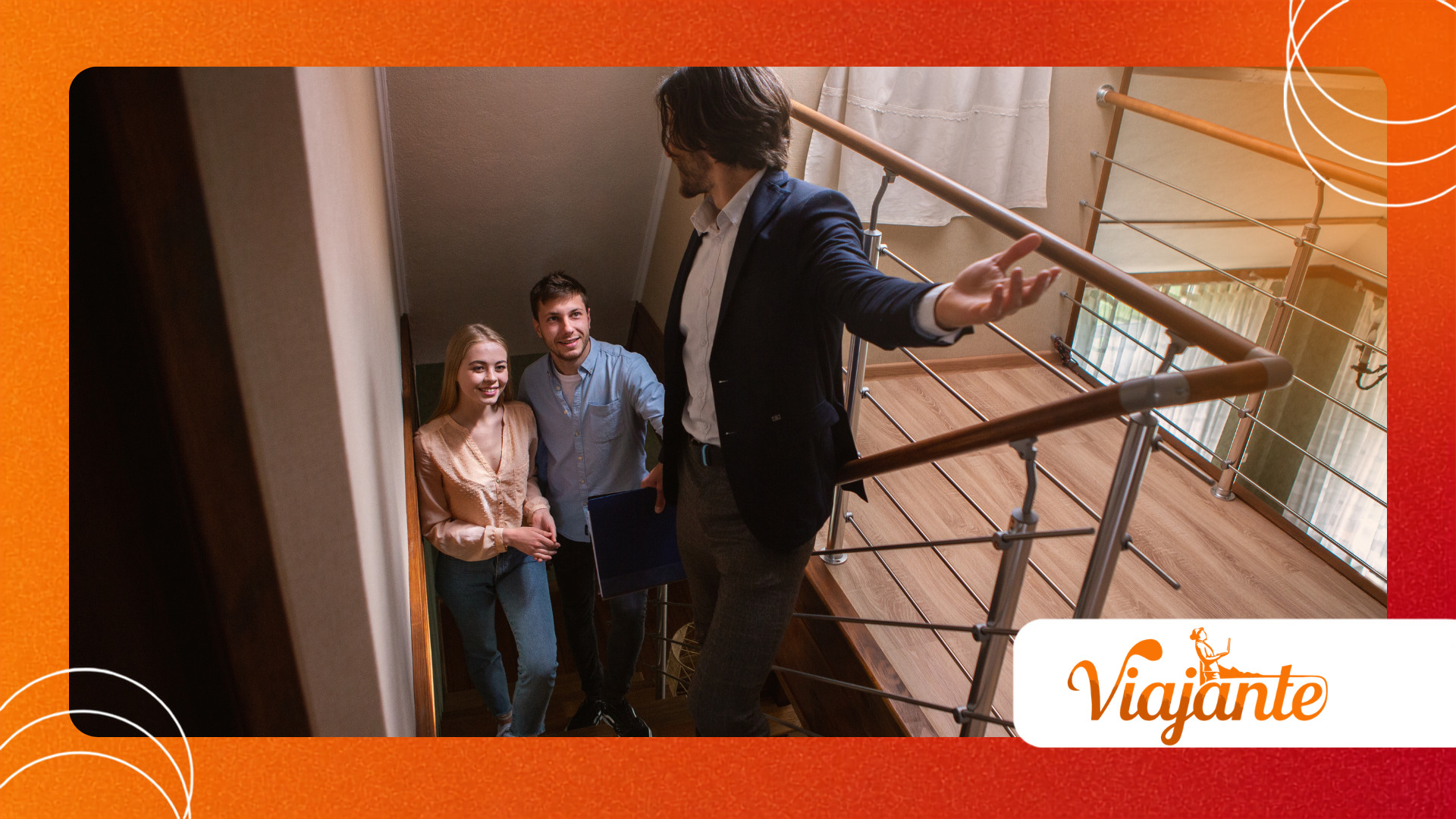
Performing thorough physical inspections allows prospective apartment tenants to identify structural defects, HVAC inefficiencies, and mechanical failures before signing binding financial lease commitments.
Inspectors recommend testing every electrical outlet, inspecting water pressure under sink cabinets, and verifying functional carbon monoxide detectors prior to delivering security deposits.
Consulting public municipal code enforcement databases reveals historic building safety violations, unpermitted electrical modifications, and ongoing structural maintenance disputes between landlords and city officials.
Reviewing public property records, tax assessment filings, and verified local crime statistics provides clear factual clarity regarding any commercial residential unit under personal lease consideration.
++ Cursed Paintings: Art That Kills
Conclusion
Skeptical evaluation of paranormal real estate claims consistently uncovers logical financial, legal, or physical structural explanations behind vacant residential properties in urban rental markets.
Evaluating property infrastructure, legal disclosure requirements, and municipal building permit records empowers prospective renters to make safe, well-informed housing decisions with complete confidence.
Unmasking the Ghost Apartment Urban Legend transforms fear into actionable consumer knowledge.
For official guidance regarding consumer rights, residential leasing protections, and legal housing disclosures, consult public safety resources provided by the U.S. Consumer Product Safety Commission.
Frequently Asked Questions (FAQ)
Are real estate agents required to disclose paranormal activity to potential buyers?
Disclosure laws vary by jurisdiction, but most states require reporting material physical defects, violent crimes, or specific psychological stigmas upon direct written buyer inquiry.
What physical environmental issues cause feelings of being watched in an apartment?
High ambient electromagnetic fields from ungrounded wiring, low-frequency sound waves from industrial equipment, and carbon monoxide leaks frequently cause sensory paranoia and visual hallucinations.
How can a tenant verify why an apartment has been vacant for years?
Renters can research public county property records, review municipal tax assessment histories, or check local building code violation logs to discover ownership disputes and legal holds.
\