
How Static Noise Urban Legend Became Internet Horror
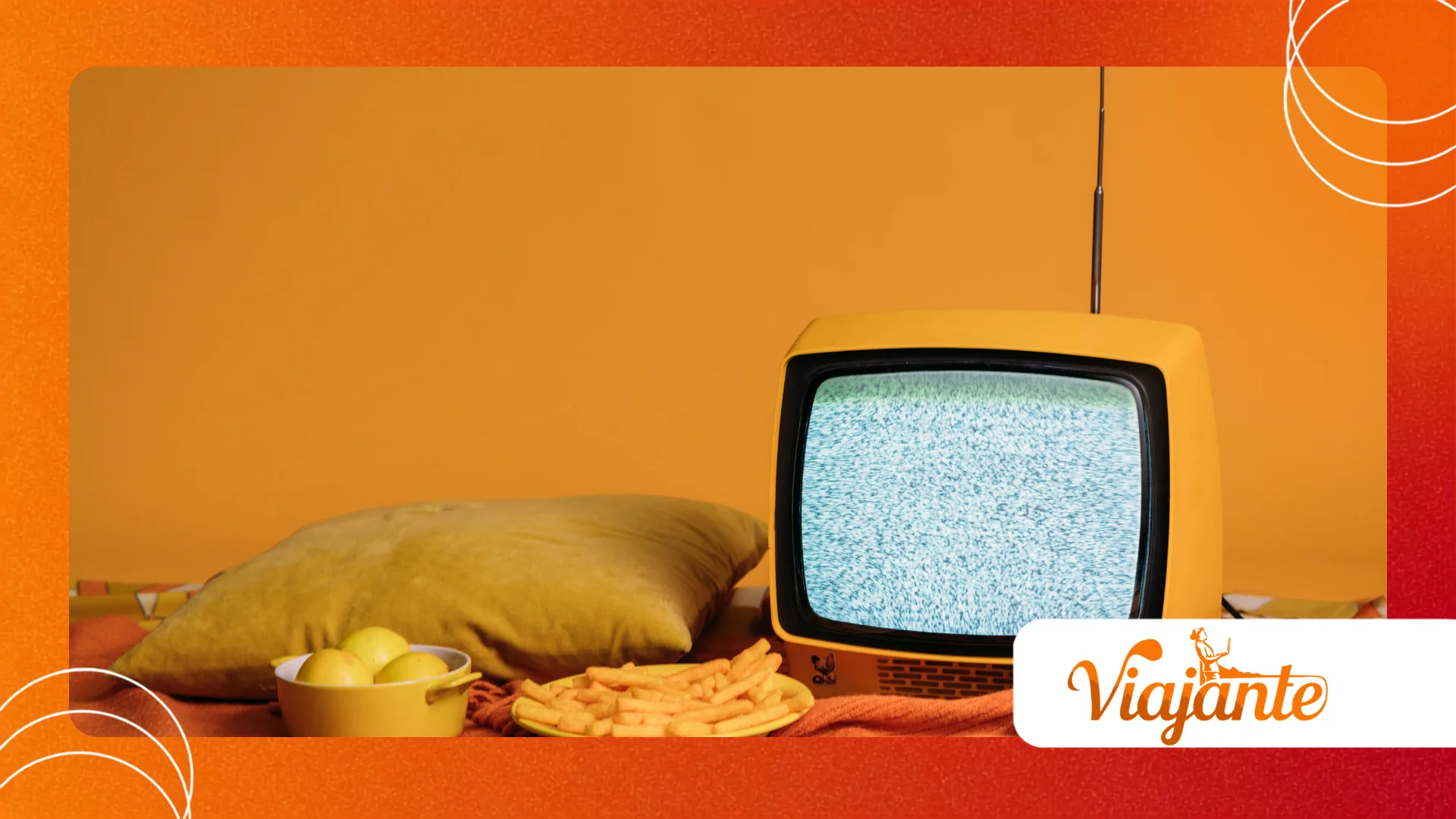
Analog television screens once filled quiet living rooms with harsh white static, creating an eerie backdrop for strange folklore. Over decades, storytellers transformed harmless radio signals into chilling digital folklore across online community spaces.
Anúncios
Modern digital creators frequently repurpose vintage media tropes to build viral creepypastas and interactive web mysteries.
Understanding how the classic Static Noise Urban Legend evolved offers valuable insights into digital storytelling, viral media mechanics, and online engagement strategies.
Our comprehensive analysis covers the psychological roots of acoustic terror, the rise of creepypasta forums, landmark multimedia projects, cultural impacts on modern horror, and key takeaways for creative digital freelancers.
What Is the Origin of the Static Noise Urban Legend?

Long before high-definition flat screens took over homes, television receivers regularly picked up stray electromagnetic radiation during off-air hours.
Audiences inevitably filled that vacant airwaves silence by tethering ghostly narratives to those harsh visual snow patterns and restless static hums.
Folklorists tracking mid-century media note how late-night viewers instinctively linked empty electronic frequencies to haunting presences or covert military experiments.
Human perception inherently recoils from unstructured sensory voids, often manufacturing voices out of random background hiss through auditory pareidolia.
Digital message boards later inherited these ambient rumors, refining scattered campfire tales into structured web lore throughout the early two-thousands.
Early online writers seized upon the Static Noise Urban Legend as a reliable thematic anchor for collaborative fiction, creepypasta threads, and viral video archives.
How Does Static Sound Trigger Human Fear and Auditory Pareidolia?
Human auditory processing constantly scans chaotic environmental noise for structured threats, operating as a deeply ingrained evolutionary survival mechanism.
Unpredictable broadband audio forces the central nervous system into overdrive, trying to resolve random signal fluctuations into recognizable shapes.
Neuroscientists categorize auditory pareidolia as a cognitive glitch where acoustic randomness falsely mimics human speech, distant footsteps, or faint breathing.
Extended exposure to continuous white noise in dark rooms routinely triggers genuine physiological stress, subtle disorientation, and mild auditory hallucinations.
Media designers intentionally tap into these subconscious neurological triggers to generate atmospheric dread without relying on cheap jump scares.
Layering subtle low-frequency tones beneath heavy static tracks physically unsettles listeners, making the brain do the terrifying work itself.
++ The Truth About Phantom Hotel Floor Legend Encounters
Why Did Analog Static Shift from Physical TV Sets to Internet Horror Creepypastas?
The rapid digital broadcast transition permanently eliminated analog snow from modern living rooms during the late two-thousand tens.
That sudden extinction reframed broadcast static into an uncanny artifact, charged with historical nostalgia and unsettling technological distance.
Online storytelling hubs like Creepypasta Wiki, Reddit’s NoSleep, and 4chan seized upon these discarded broadcast elements.
Internet writers recognized that retro media formats offered an authentic, grounded framework for lost media myths, corrupted video tapes, and fake emergency warnings.
Digital communities expanded the classic Static Noise Urban Legend by embedding glitched video files, obscure audio samples, and complex interactive puzzles.
Active forum sleuths turned passive reader consumption into immersive online investigations, driving massive organic engagement across horror networks.
++ Why Fog Creature Urban Legend Stories Keep Growing
Which Digital Media Projects Popularized Static Noise in Online Folklore?
Web creators transformed modern horror by blending static aesthetics with found-footage realism and meticulously uncomfortable sound design.
A handful of influential web series proved that minimal budgets coupled with subtle psychological suggestion could captivate millions of online viewers.
Early web creators used shaky cameras, signal drops, and sudden audio cutouts to construct pervasive dread without elaborate special effects.
These foundational projects set the template for the entire analog horror subgenre, proving that atmospheric tension outlasts expensive visual spectacle.
| Horror Project | Release Period | Core Aesthetic Mechanics | Digital Platform Reach |
| Marble Hornets | 2009–2014 | Video distortion, audio static cutouts, hidden text | YouTube & Forum Communities |
| Candle Cove | 2009 | Text-based lost show narrative, static screen climax | Creepypasta Archives & Reddit |
| Local 58 | 2015–Present | Hijacked broadcast feeds, emergency static, public warnings | YouTube Analog Horror |
| The Backrooms | 2019–Present | Liminal spaces, buzzing fluorescent hums, static video glitch | YouTube & Collaborative Wikis |
Historical records detailing early radio broadcasting technologies and media preservation standards are maintained by the Library of Congress, offering valuable context regarding legacy communication systems.
How Do Digital Content Creators Monetize Analog Horror Content Today?
Modern online storytellers regularly turn retro media concepts into sustainable creative operations across independent streaming platforms and patronage networks.
Independent writers, sound designers, and video editors generate consistent revenue streams by producing original narrative horror content.
Digital media strategists build diversified revenue models around channel memberships, merchandise lines, custom soundtrack releases, and syndication deals.
Independent creators maintain strong audience retention by combining consistent publishing schedules with active community engagement and lore breakdowns.
Mastering atmospheric pacing and spatial audio editing allows independent freelancers to produce compelling multimedia projects efficiently.
Studying how the Static Noise Urban Legend engages online audiences offers practical structural blueprints for narrative designers across digital industries.
What Are the Key Psychological Drivers Behind Viral Creepypastas?
Viral internet horror succeeds because it directly exploits collective anxieties regarding intrusive technology, personal isolation, and lost media archives.
Digital authors construct open-ended narratives specifically designed to spark forum debates, community artwork, and collaborative fan theories.
- Nostalgic Subversion: Distorting familiar childhood media formats into uncanny, hostile experiences that subvert feeling safe behind screens.
- Active Audience Participation: Embedding subtle narrative gaps, encrypted messages, and corrupted files that demand collaborative crowd-decoding.
- Minimalist Production Value: Relying on raw, low-fidelity audio distortion and degraded video textures rather than polished CGI effects.
- Pacing and Tension: Building long stretches of quiet environmental ambient sound before delivering sharp, distressing narrative turns.
++ The Mystery of the Deleted Livestream No One Can Find
Conclusion
The evolution of television snow from forgotten broadcast noise into a cornerstone of internet horror highlights how digital storytelling adapts to new technology.
What started as localized living room lore grew into a global creative subgenre powered by collaborative online communities.
For freelance writers, media producers, and digital strategists, dissecting viral horror mechanics provides sharp lessons in emotional resonance and audience retention.
Creative professionals who master psychological pacing, immersive soundscapes, and community interaction gain powerful tools for building engaging digital platforms.
To research broader historical archives covering media evolution, folk culture, and legacy broadcast technology, consult the collections preserved by the Smithsonian Institution.
Frequently Asked Questions (FAQ)
What is the static noise urban legend?
The Static Noise Urban Legend suggests that untuned television static hides secret transmissions, strange entities, or subconscious frequencies that target late-night viewers watching unassigned channels.
How does auditory pareidolia affect horror sound design?
Auditory pareidolia leads the human brain to detect voices within random noise, allowing audio designers to induce organic suspense using simple broadband white noise.
Why is analog horror so popular among digital audiences?
Analog horror pairs retro technological nostalgia with psychological suspense, delivering a raw, low-fidelity aesthetic that feels strikingly distinct from modern high-definition media.
Can freelance content creators build careers around internet horror storytelling?
Independent creators build sustainable digital careers through video ad monetization, crowdfunding memberships, merchandise sales, custom audio licensing, and freelance production work.
\