
Functional Neurology: Trend or Tiny Evidence?
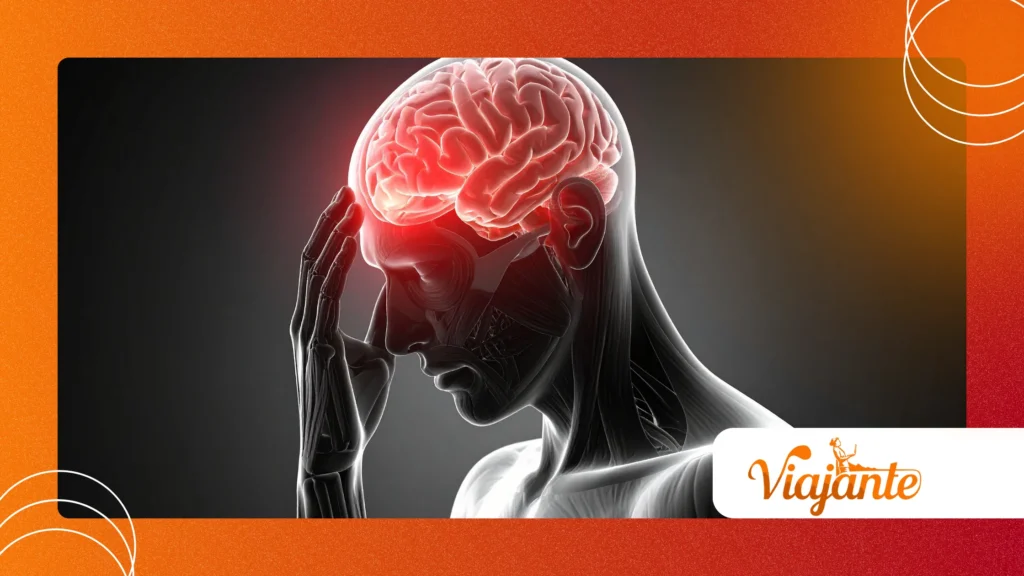
Functional Neurology has emerged as a provocative frontier within modern healthcare, blending traditional neuroscience with innovative, non-invasive rehabilitation techniques to address complex brain-based disorders.
Anúncios
This discipline focuses on the brain’s inherent neuroplasticity, aiming to restore neurological function through targeted sensory and cognitive exercises rather than relying solely on pharmaceutical interventions or surgery.
As we navigate 2026, the global medical community continues to debate whether this field represents a significant clinical evolution or a collection of promising yet under-verified theories.
What Exactly defines Functional Neurology in 2026?
At its core, Functional Neurology operates on the principle that the nervous system is a dynamic, adaptable network capable of reorganization even after significant injury or chronic dysfunction.
Practitioners analyze the “functional” state of various brain regions, identifying areas that may be under-firing or poorly integrated with the rest of the central nervous system.
Instead of looking for structural lesions like tumors or strokes, these clinicians use detailed physical exams to map out physiological imbalances that affect daily life and well-being.
Treatment protocols often involve vestibular stimulation, eye-tracking exercises, and specific sensory inputs designed to “re-train” the brain’s pathways and improve overall efficiency in processing information.
+ Polypharmacy in the Elderly: Reducing Risks with AI
Is Functional Neurology Supported by Peer-Reviewed Science?
Critics often argue that while the field utilizes established concepts like neuroplasticity, its specific diagnostic methods and treatment protocols require more standardized, large-scale clinical validation.
However, recent studies in the Journal of Neuroscience highlight how targeted sensory integration can measurably alter cortical thickness and improve motor control in patients with neurodegenerative conditions.
The shift toward “precision medicine” has allowed Functional Neurology to gain traction among patients who have found little relief through conventional, one-size-fits-all pharmacological approaches for dizziness.
By quantifying subtle changes in eye movements or postural sway, practitioners provide a data-driven perspective on how the brain interacts with its environment in real-time.
Who Can Benefit Most From This Clinical Approach?
Patients suffering from persistent post-concussive syndrome, chronic vertigo, or complex regional pain syndrome often seek out Functional Neurology as a primary or adjunctive therapeutic option.
Athletes also utilize these methods to sharpen reaction times and improve spatial awareness, viewing the brain as a muscle that requires specific conditioning to reach peak performance.
Furthermore, children with developmental delays or sensory processing disorders may find that these specialized exercises help bridge the gap between neurological potential and actual behavioral output.
The goal is rarely to replace traditional neurology but to fill the gap where standard medicine focuses on pathology rather than optimization of existing neural pathways.
+ Benefits of Drinking Warm Lemon Water in the Morning
Comparative Analysis: Traditional vs. Functional Approaches
| Feature | Traditional Neurology | Functional Neurology |
| Primary Focus | Structural pathology and disease | Physiological function and connectivity |
| Diagnostics | MRI, CT, Bloodwork, EMG | Saccadometry, Posturography, VNG |
| Treatment Mode | Medication, Surgery, PT | Neuro-rehabilitation, Sensory Input |
| Goal | Symptom management/Cure | Optimization of neuroplasticity |
How Does Neuroplasticity Drive Patient Outcomes?
The bedrock of Functional Neurology is the understanding that the brain is not a static organ but a fluid system that responds to specific, repetitive stimuli.
When a practitioner prescribes a specific gaze-stabilization exercise, they are essentially asking the brain to strengthen the synaptic connections between the eyes and the cerebellum.
Over time, this repetition encourages “long-term potentiation,” where neurons become more efficient at communicating, leading to better balance, reduced brain fog, and improved cognitive endurance.
This biological mechanism is well-documented in Harvard Medical School’s research on brain health, confirming that lifestyle and targeted mental activity directly impact neurological longevity.
Which Diagnostic Tools Distinguish This Field?
Modern clinics utilize sophisticated technology such as Video-Nystagmography (VNG) to record involuntary eye movements, which serve as a “window” into the health of the brainstem.
Computerized Dynamic Posturography is another staple, measuring how well a patient integrates visual, vestibular, and proprioceptive information to maintain upright balance against gravitational forces.
By using these objective markers, Functional Neurology moves away from subjective patient reporting toward a more measurable, evidence-based model of tracking neurological recovery and progress.
These tools allow for the creation of highly personalized “brain maps” that dictate the exact frequency and intensity of the rehabilitation exercises required for each individual.
Why is the “Trend” Label Still Controversial?
Despite its growing popularity, some medical professionals categorize Functional Neurology as a trend because of the lack of centralized, board-certified regulation across all global jurisdictions.
The term itself is sometimes used by various types of practitioners, including chiropractors and physical therapists, which can lead to inconsistencies in the quality of care.
However, the 2026 landscape shows a move toward greater integration, with multidisciplinary teams combining these “functional” insights with traditional neurological care to achieve superior results.
The controversy usually stems from claims that exceed current evidence, making it vital for patients to seek clinicians who prioritize transparency and verifiable medical data.
Where Does This Discipline Fit in Modern Healthcare?
We are seeing a paradigm shift where Functional Neurology acts as a bridge between high-tech diagnostics and the holistic understanding of the human nervous system’s complexity.
Insurance providers are beginning to recognize the cost-effectiveness of these rehabilitative strategies, especially when they prevent long-term disability or reduce the need for chronic medication.
As research continues to catch up with clinical practice, the “tiny evidence” once cited by skeptics is growing into a robust library of successful case studies.
The future of brain health likely lies in this hybrid model, where we treat the disease when it exists but also optimize the system when it falters.
What Should Patients Look for in a Practitioner?
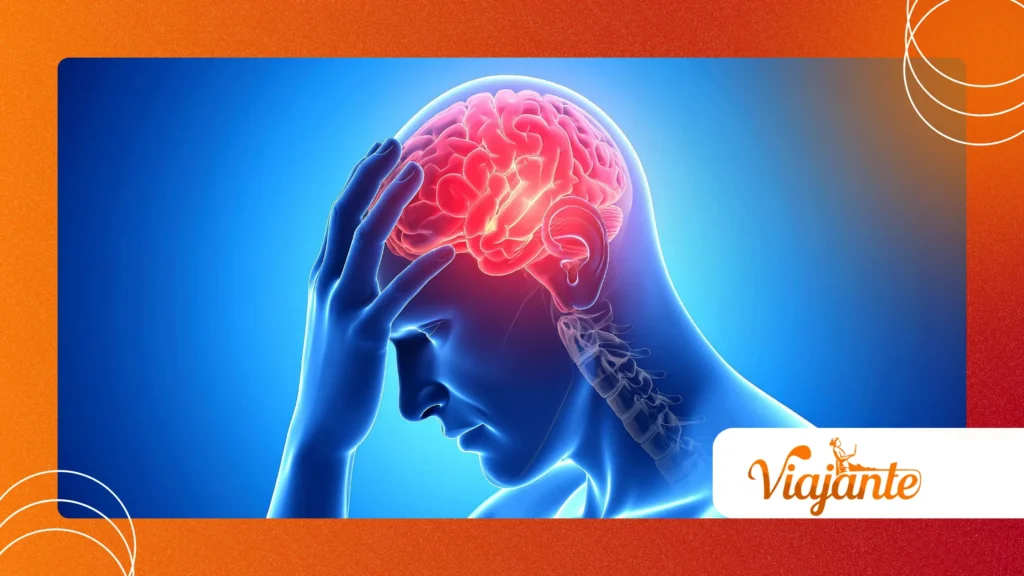
When investigating Functional Neurology, it is crucial to verify the practitioner’s credentials and their willingness to collaborate with your existing primary care physician or neurologist.
A reputable clinician will provide a clear explanation of their diagnostic findings and set realistic expectations for the timeline and outcomes of the proposed treatment plan.
Avoid any clinic that promises “miracle cures” for incurable genetic conditions or suggests abandoning life-saving medications without a thorough, coordinated medical review by your specialist.
Trustworthy experts in this field rely on data, objective testing, and a deep commitment to the patient’s long-term functional improvement rather than marketing hype or trends.
+ Sleep Trackers: Do They Really Improve Your Sleep?
Conclusion
The debate surrounding Functional Neurology highlights the tension between established medical protocols and the rapid evolution of neuroplasticity research within the global health community.
While it is easy to dismiss new fields as mere trends, the objective data from advanced diagnostics suggests a much deeper, more transformative reality for patient care.
By focusing on how the brain functions rather than just its structure, we unlock new possibilities for those who have previously fallen through the cracks.
As we move further into 2026, the integration of these practices into mainstream rehabilitation seems not just likely, but necessary for a comprehensive approach to human health.
For more detailed information on neurological standards and clinical trials, you can consult the official National Institutes of Health (NIH) database.
FAQ: Frequently Asked Questions
1. Is Functional Neurology the same as Chiropractic?
While many practitioners have a background in chiropractic, the field is a distinct specialty focused on neurological rehabilitation rather than just spinal alignment or musculoskeletal issues.
2. Can it help with chronic migraines?
Yes, by identifying triggers in the visual or vestibular systems, practitioners often design exercises that reduce the brain’s hypersensitivity, potentially lowering the frequency and intensity of attacks.
3. Is the treatment covered by insurance?
Coverage varies significantly by provider and region; some diagnostic tests are covered under standard neurological codes, while specific rehabilitation exercises might be considered “out-of-pocket” expenses.
4. How long does it take to see results?
Neuroplasticity is a gradual process; most patients require several weeks to months of consistent exercise to see permanent changes in their neurological function and symptom levels.
5. Is it safe for elderly patients?
Absolutely, as the treatments are non-invasive and tailored to the individual’s physical capacity, making it an excellent option for improving balance and preventing falls in seniors.
Would you like me to generate a specific 12-week rehabilitation outline based on these functional principles?
\