
The Suicide Forest of Japan: What’s Legend and What’s Real?
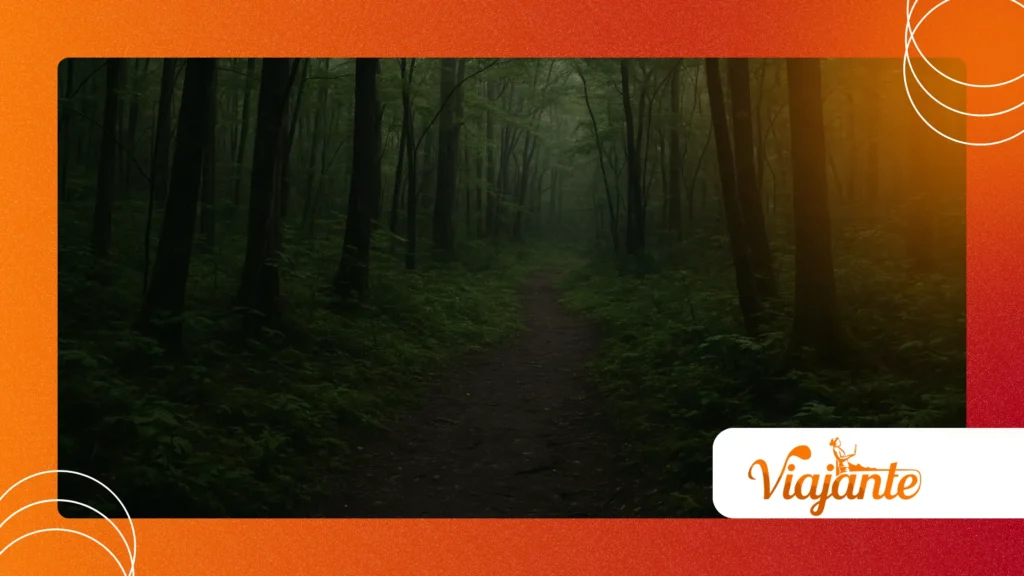
The Suicide Forest of Japan, officially known as Aokigahara, is one of the most talked-about natural sites in the world.
Anúncios
Wrapped in myth and shadowed by tragedy, it has inspired folklore, books, films, and international headlines.
But what’s fact, and what’s merely legend? In this article, you’ll learn about the forest’s cultural history, the realities behind its reputation, Japan’s suicide prevention efforts, and the importance of reporting with empathy rather than sensationalism.
A Forest Wrapped in Silence
Walking into Aokigahara, you notice the silence first. The dense trees and porous volcanic soil absorb sound, creating an atmosphere so still that it has been called “the quietest place in Japan.”
That eerie silence has helped feed its reputation as the Suicide Forest of Japan, but much of what people believe is rooted in exaggeration rather than reality.
Historically, the forest has been linked to ubasute—the alleged abandonment of elderly relatives in isolated places.
However, there is little credible evidence this was ever common practice. More firmly documented are legends of yūrei, restless spirits said to haunt the living.
Folklore and the forest’s natural stillness combined to create an aura of fear and fascination.
Literature also shaped perception. A popular 1960s novel depicted lovers taking their final steps into Aokigahara.
Decades later, films and online content amplified its reputation, painting it as a place defined by despair. The stories spread globally, but they obscure the nuanced reality of life—and death—in the forest.
+ The Importance of Mental Health and How to Protect It
Fact Over Fiction: What the Numbers Show
Legends thrive in the absence of data. But when numbers surface, they challenge the narrative.
In 2003, officials confirmed 105 suicides in Aokigahara. By 2010, police reported 54 deaths and more than 200 attempts.
Concerned that releasing yearly figures was fueling the myth, local authorities later stopped publishing official counts.
Yet technology has provided clearer insights. According to reporting by The Telegraph in late 2024, drones equipped with infrared cameras detected around 182 bodies per year in 2019 and 2020.
That number rose to 199 in 2022 and 215 in 2023. These figures don’t just confirm the forest’s tragic reality—they highlight why prevention measures remain urgent.
Suicide Trends in Japan (National Context)
| Year | Suicides in Japan | Suicide Rate per 100,000 |
|---|---|---|
| 2022 | 21,881 | 17.4 |
| 2023 | 21,818 | 17.5 |
| 2024 | 20,268 | 16.3 |
(Source: Nippon.com)
Japan’s national suicide rate has been gradually declining, reaching one of its lowest totals in decades. That broader trend shows progress, even as Aokigahara continues to draw international focus.
Technology, Policy, and Compassion: Shaping a New Narrative
How do you rewrite a place’s reputation once it’s cemented in myth? For local authorities, the answer has been equal parts innovation and empathy.
Drones now patrol the forest daily, scanning for heat signatures. When someone is located, responders can approach quickly, sometimes using loudspeakers to encourage communication: “Please know your life is valuable—help is available.”
Signs line the forest’s main paths with similar messages, urging visitors to think about family and loved ones before making irreversible choices.
Hotlines are listed prominently. Police and volunteers also patrol, not to frighten people away, but to offer presence and connection.
These strategies acknowledge a truth: you can’t erase the forest’s reputation overnight, but you can create interventions that save lives in real time.
+ They’re Coming from Inside the House”: The Birth of a Phone Call Horror
Myth vs. Reality: Why Storytelling Matters
Why does it matter how we talk about the Suicide Forest of Japan? Because stories shape behavior.
Sensationalizing the forest as haunted or romantic risks attracting people for the wrong reasons.
Honest, responsible reporting reframes Aokigahara not as a curiosity, but as a reminder of the importance of mental health.
Example 1: A tourist once described arriving expecting ghost stories, only to find a handwritten sign reading, “Your life is precious. Please think of those who care for you.” That message was more powerful than any folklore.
Example 2: A drone team located someone deep in the woods. Through the speaker, they asked, “If you can hear us, wave.” A hesitant hand lifted—and that moment of human contact interrupted tragedy.
These examples underline why narrative must focus not on mystery, but on humanity.
+ Teke Teke: The Terrifying Tale That Haunts Japanese Train Stations
An Analogy: Shadows on the Mountain
Think of Aokigahara’s reputation like a shadow cast by Mount Fuji. The shadow is long and dark, stretching far beyond its source.
But no matter how wide it spreads, it isn’t the mountain itself. The forest is not its myth—it’s a living place, complex and real, with human stories that deserve dignity.
What You Can Do: Awareness, Empathy, Action
Learning about the Suicide Forest of Japan shouldn’t end with fascination. It should prompt reflection.
How we speak about suicide influences whether stigma grows or diminishes. Each of us can choose empathy over sensationalism.
If you are in Japan, confidential support is available through TELL Lifeline, an English-language helpline. Internationally, suicide crisis lines are listed by region in the Wikipedia compilation of hotlines.
Reaching out can make the difference between silence and survival.
Frequently Asked Questions
1. Why is it called the Suicide Forest?
Because of the high number of suicides reported there since the early 2000s, combined with literature and media that popularized its reputation.
2. Are drones effective in prevention?
Yes. Drones allow responders to act faster. Even one life saved makes the effort worthwhile, and recent data suggests interventions are increasing.
3. Is it ethical to visit?
Visiting isn’t forbidden, but authorities ask tourists to treat it with respect. The forest is more than a curiosity—it’s a place tied to real human suffering.
4. Are suicide rates in Japan rising?
Nationally, they are declining. The country recorded its second-lowest number of suicides in over four decades in 2024, though challenges remain among youth and working-age adults.
Closing Thoughts
The Suicide Forest of Japan is often described in whispers, myths, or horror stories. Yet the truth is more complex: it is a forest shaped by folklore, yes, but also by social challenges, policy changes, and countless unseen acts of compassion.
Legends may cast long shadows, but they don’t define the mountain. By choosing to talk about Aokigahara with honesty and empathy, we honor those who’ve suffered there—and help prevent future tragedies.
\