
Pop Rocks and Soda: Deadly Myth Debunked
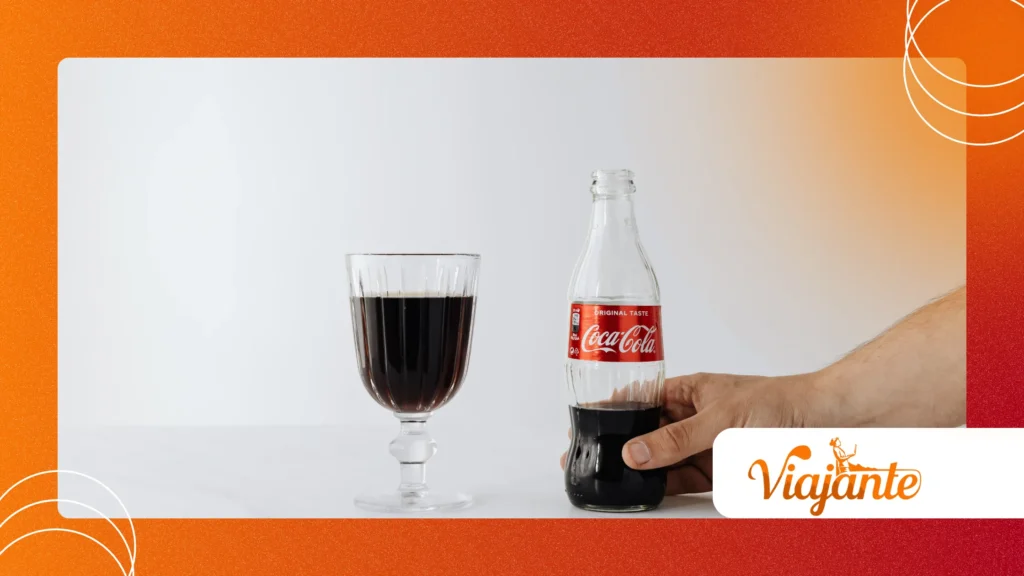
When discussing the legendary combination of Pop Rocks and Soda, most people immediately recall the terrifying urban legend suggesting this mixture causes a fatal stomach explosion.
Anúncios
This article explores the chemistry behind the candy, the history of the “Mikey” myth, and how viral misinformation impacts even the most logical professional minds today.
Below, we analyze the biological impossibility of this danger, provide data on gas volumes, and offer practical takeaways for maintaining critical thinking in an era of digital rumors.
What is Pop Rocks and Soda and How Did the Myth Start?
The fascination with Pop Rocks and Soda began in the late 1970s, shortly after General Foods released the carbonated candy to a global audience.
Its unique “popping” sensation is created by trapping high-pressure carbon dioxide gas inside hard candy shells, which releases instantly when the sugar dissolves on your tongue.
The myth reached a fever pitch when rumors claimed that “Mikey,” the child actor from the Life cereal commercials, died after consuming this specific, volatile snack combination.
In reality, John Gilchrist (the actor) is alive and well, but the story persists because humans are naturally programmed to fear invisible, internal chemical reactions.
Modern professionals must recognize that these early viral legends were the precursors to today’s “fake news,” requiring us to verify every sensational claim we encounter online.
+ The Killer with Garden Shears: Art Imitates Rumor
Why Is the Mixture of Pop Rocks and Soda Physically Safe?

To understand why Pop Rocks and Soda cannot cause a stomach to rupture, we must look at the actual volume of gas involved in the reaction.
A single packet of Pop Rocks contains less carbon dioxide than one-tenth of a can of traditional soda, making the total gas volume surprisingly negligible.
Your digestive system is remarkably efficient at venting excess gas through burping, which prevents the build-up of pressure required to cause any internal physical damage.
Furthermore, the hydrochloric acid in your stomach does not react violently with the pressurized $CO_{2}$ bubbles; it simply aids in the standard dissolution of the sugar.
If you consumed six packs of candy and two liters of soda rapidly, you would experience intense bloating and discomfort, but never a life-threatening explosion.
Understanding these basic physiological limits helps freelancers and researchers distinguish between genuine health warnings and sensationalized stories designed to generate clicks and fear.
+ Clown Sightings: 2016 Panic Revisited
Which Scientific Facts Debunk the “Stomach Explosion” Theory?
The physical properties of carbon dioxide are well-documented by the National Institute of Standards and Technology, proving that gas expansion requires specific, contained environments.
Your stomach is a flexible organ, capable of expanding significantly to accommodate large meals or excess fluids without reaching a critical, catastrophic breaking point.
Even when combined, the gas released by Pop Rocks and Soda is significantly lower than the volume of air swallowed during a typical carbonated beverage “chug.”
Comparative Gas Volume Data
| Substance (Standard Serving) | CO2 Volume (Approximate) | Potential for Internal Pressure |
| Single Packet Pop Rocks | 2 – 5 Milliliters | Negligible |
| 12oz Can of Soda | 1.5 – 2.0 Liters | Low (Managed by burping) |
| Combined Mixture | ~2.005 Liters | Low / Mild Bloating |
| Stomach Capacity (Adult) | 1 – 4 Liters | High Elasticity |
As the table illustrates, the total volume of gas from Pop Rocks and Soda remains well within the safety margins of the human digestive tract’s capacity.
How Did General Foods Respond to This Urban Legend?
During the height of the panic, General Foods spent significant resources on full-page newspaper advertisements to reassure parents that the candy was perfectly safe.
They even sent the candy’s inventor, William Mitchell, on a national tour to demonstrate the safety of Pop Rocks and Soda in front of live audiences.
Despite these efforts, the company eventually pulled the product from the market in 1983, not due to safety issues, but because of declining sales.
This case study serves as a powerful reminder for digital professionals that brand reputation can be damaged by false narratives, even when the science is correct.
Learning to manage public perception and address misinformation is a vital skill for anyone building a sustainable career in the modern, interconnected remote work landscape.
+ The Legend of the Green Children: Visitors From Another World?
What Are the Lessons for Today’s Digital Professionals?
The story of Pop Rocks and Soda is a masterclass in how quickly a “fact-free” narrative can take root in the public consciousness without evidence.
In our current remote work environment, we are constantly bombarded with “productivity hacks” or “market shifts” that are often as baseless as the Mikey myth.
Practicing skepticism and seeking primary sources—like scientific journals or official data—protects your career from following trends that offer no real substance or value.
By applying the same rigorous debunking process to professional rumors, you ensure that your business decisions are based on reality rather than digital folklore or hype.
Developing a reputation for trustworthiness and factual accuracy will always be more valuable than participating in the spread of unverified, sensationalized information for temporary attention.
Conclusion
The “deadly” combination of Pop Rocks and Soda remains one of the most resilient myths in American culture, despite decades of scientific and medical evidence.
We have confirmed that the gas volume produced is insufficient to cause harm, and the original “victim” of the story remains a healthy, successful individual.
For the modern reader, this story emphasizes the importance of verifying information and understanding the physics behind the products we consume or the news we share.
Stay curious, stay skeptical, and always prioritize factual integrity in both your personal diet and your professional digital presence to ensure long-term, sustainable growth.
To learn more about how chemistry affects our daily lives, visit the American Chemical Society for peer-reviewed insights into food science and safety.
FAQ: Frequently Asked Questions
Can you die from eating Pop Rocks and Soda?
No, there is zero medical evidence of anyone dying from this combination; the gas volume is too small to cause any internal organ damage or rupture.
What happens if you mix them in a bottle?
If you seal them in a small container, pressure will build up, but in the human body, gas escapes naturally through the esophagus via burping or flatulence.
Did the “Mikey” kid really die?
No, John Gilchrist, who played Mikey, grew up to be a successful media executive and has frequently interviewed journalists to debunk the rumors of his demise.
Why does the candy pop?
Pop Rocks are made by heating sugar ingredients to 300 degrees Fahrenheit and then exposing the mixture to 600 psi of carbon dioxide gas before cooling.
Is the candy still available today?
Yes, the brand was resurrected and is widely available; it remains a popular novelty snack used in various culinary desserts and creative cocktail recipes worldwide.
\