
Mengapa Monyet Colobus Congoensis Merupakan Primata Terbaru di Afrika?
Itu Monyet Colobus Congoensis Ini merupakan pembedaan taksonomi penting dalam primatologi Afrika modern, yang meningkatkan pemahaman tentang keanekaragaman hayati regional di seluruh hutan tepi sungai yang lebat di Afrika Tengah.
Pengumuman
Para taksonom baru-baru ini mengklarifikasi garis keturunan genetiknya yang berbeda, memisahkan populasi spesifik ini dari kelompok kera colobus hitam-putih yang lebih luas berdasarkan isolasi geografis dan ciri morfologi yang berbeda.
Tinjauan komprehensif kami mengkaji profil biologis, signifikansi ekologis, latar belakang evolusi, status konservasi, dan metode pengamatan ilmiah terkait spesies primata yang baru diakui ini.
Apakah yang Diinginkan Monyet Colobus Congoensis?
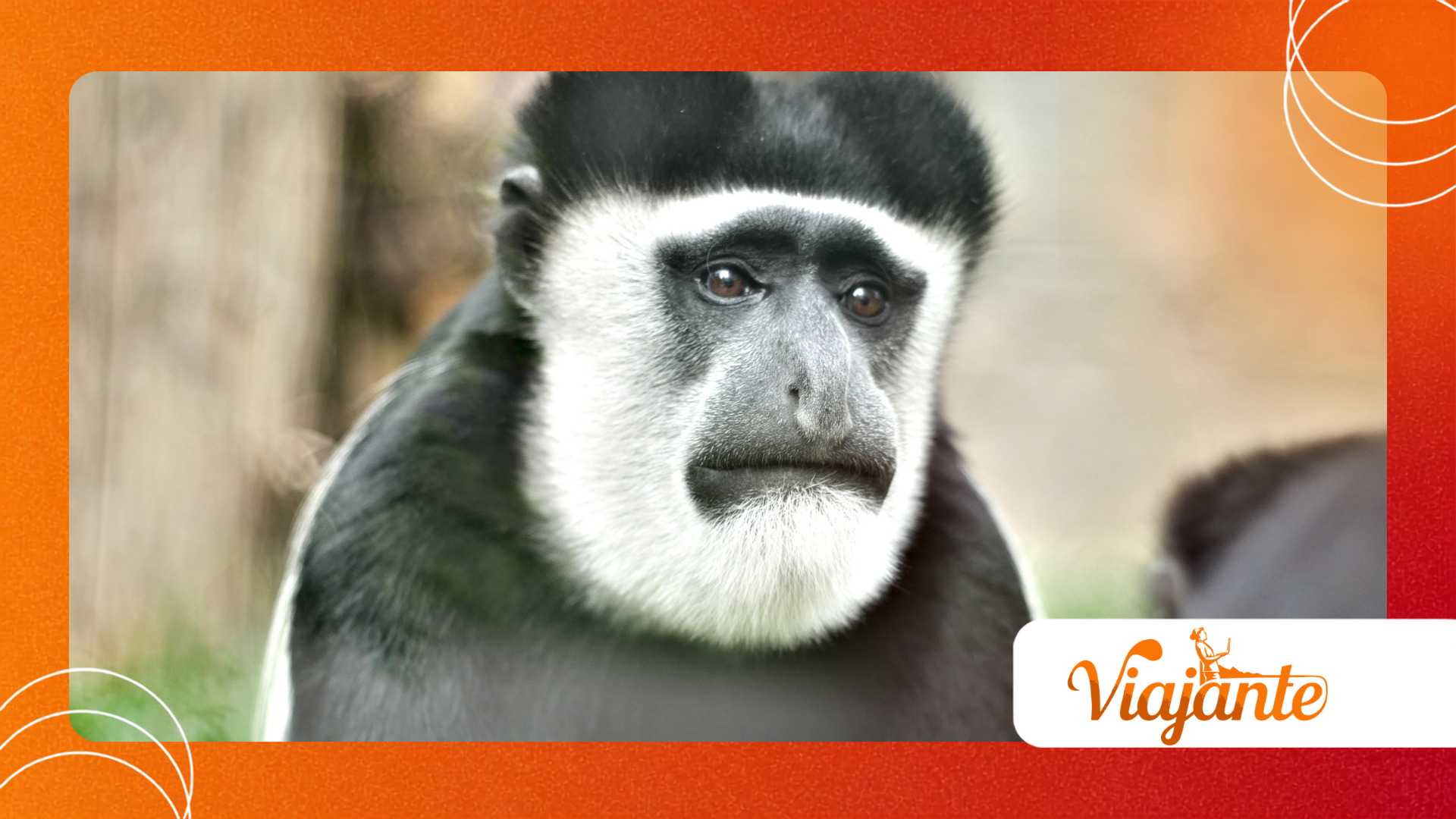
Taksonomi ilmiah mengklasifikasikan Monyet Colobus Congoensis sebagai hewan pemakan daun yang hidup di pepohonan dan merupakan hewan endemik di sistem kanopi rimbun yang mengelilingi wilayah cekungan Sungai Kongo.
Ciri-ciri fisiknya meliputi bulu hitam yang mencolok, bingkai wajah putih yang khas, dan mantel panjang yang memberikan pengaturan suhu yang luar biasa dalam iklim mikro hutan lembap.
Para peneliti membedakan spesies ini melalui morfologi tengkorak yang berbeda, variasi frekuensi vokalisasi, dan adaptasi saluran pencernaan khusus yang dirancang khusus untuk mencerna bahan selulosa yang kompleks.
Pengurutan genom mengkonfirmasi bahwa isolasi reproduktif di sepanjang penghalang sungai yang dalam mempercepat spesiasi spesies ini, membentuk lintasan evolusi yang berbeda selama beberapa ratus ribu tahun.
Mengapa Primata Ini Secara Resmi Diklasifikasikan Sebagai Spesies Baru?
Para primatolog sejak lama menganggap populasi ini sebagai subspesies regional dari Colobus guereza karena kemiripan eksternal yang dangkal dalam pola bulu dan ukuran umum.
Analisis filogenetik tingkat lanjut mengungkapkan perbedaan DNA nuklir yang mendalam, membuktikan bahwa hambatan geografis secara permanen mengganggu aliran gen antara populasi kera colobus yang berdekatan sejak lama.
Para ahli biologi lapangan mendokumentasikan rutinitas perilaku unik, termasuk pola mencari makan di kanopi yang khusus dan frekuensi panggilan teritorial lokal yang berbeda secara signifikan dari spesies lain.
Mengenali Monyet Colobus Congoensis Sebagai spesies yang berbeda, hal ini memungkinkan otoritas konservasi untuk mengalokasikan sumber daya perlindungan yang tepat sasaran ke habitatnya yang rentan dan spesifik.
++ Kehidupan Rahasia Hiu Basking di Luar Shark Week
Bagaimana Kera Colobus Congoensis Beradaptasi dengan Lingkungannya?
Kanopi hutan hujan yang lebat menuntut kesadaran spasial yang luar biasa, memaksa mamalia arboreal ini untuk mengembangkan otot tungkai yang kuat agar mampu melompat jauh di atas kanopi.
Lambung yang memiliki banyak ruang menampung bakteri fermentasi khusus, memungkinkan primata tersebut untuk menguraikan daun-daun keras dan berserat yang sarat dengan racun tumbuhan secara efisien.
Struktur sosial berpusat pada kelompok keluarga yang kohesif, di mana kewaspadaan kooperatif melindungi anggota dari predator alami seperti elang mahkota dan macan tutul.
| Parameter Biologis & Ekologis | Data Lapangan yang Diamati | Relevansi Konservasi |
| Habitat Utama | Hutan Tepi Sungai Dataran Rendah | Rentan terhadap deforestasi |
| Preferensi Diet | Daun Dewasa & Biji | Membutuhkan kanopi hutan yang sudah matang. |
| Ukuran Kelompok Rata-Rata | 6 hingga 12 orang | Indikator langsung kualitas habitat |
| Rentang Geografis Utama | Daerah Aliran Sungai Kongo | Zona endemik yang sangat terlokalisasi |
Di manakah spesies ini hidup di Afrika Tengah?
Populasi dengan kepadatan tinggi sebagian besar terkumpul dalam blok hutan yang berdekatan di sepanjang anak sungai utama dari sistem Sungai Kongo tengah.
Jalur kanopi yang utuh tetap vital untuk pergerakan, karena primata ini jarang turun ke dasar hutan di mana risiko predasi darat meningkat.
Upaya konservasi berkelanjutan memprioritaskan koridor sungai ini, mencegah fragmentasi habitat yang disebabkan oleh perluasan pertanian dan kegiatan penebangan kayu.
Untuk memantau inisiatif keanekaragaman hayati regional dan standar kehutanan tropis, tinjau penelitian terkini melalui Institut Sumber Daya Dunia portal lingkungan.
Bagaimana Penelitian tentang Colobus Congoensis Akan Mempengaruhi Konservasi Primata?
Pembentukan klasifikasi taksonomi yang berbeda ini secara langsung mengubah kerangka kerja konservasi lokal, memungkinkan para ahli biologi lapangan untuk mengadvokasi perlindungan geografis yang ditargetkan daripada kebijakan umum yang bersifat umum.
Mengamankan koridor sungai terpencil ini melindungi garis keturunan evolusi yang unik, memastikan bahwa warisan ekologis Afrika Tengah tetap tangguh terhadap perluasan infrastruktur penebangan kayu.
Kelangsungan hidup jangka panjang bergantung pada pemantauan genetik yang berkelanjutan dan pendanaan untuk program penjagaan hutan yang dipimpin oleh masyarakat adat di seluruh daerah aliran sungai Kongo.
++ Kucing-Kucing Terkenal yang Mempengaruhi Tokoh-Tokoh Sejarah
Ancaman apa saja yang berdampak pada kelangsungan hidup Colobus Congoensis?
Hilangnya habitat akibat operasi penebangan industri menimbulkan bahaya langsung bagi struktur kanopi asli di seluruh cagar hutan hujan Afrika Tengah.
Perburuan daging hewan liar terus memberikan tekanan pada kelompok-kelompok lokal, terutama di daerah-daerah di mana jalan akses menembus zona hutan primer yang sebelumnya tidak dapat dijangkau.
Pergeseran pola curah hujan musiman akibat perubahan iklim mengubah siklus berbuah dan pertumbuhan tunas pohon kanopi, mengganggu jadwal makan yang rumit bagi primata pemakan dedaunan.
Melindungi Monyet Colobus Congoensis Membutuhkan penegakan ketat terhadap peraturan anti-perburuan liar di samping program pengelolaan hutan yang dipimpin oleh masyarakat.
Apa Saja Ciri-Ciri Evolusi Primata Ini?
Berbeda dengan primata omnivora, monyet colobine memiliki ibu jari yang lebih kecil yang memudahkan gerakan berayun cepat seperti kait melalui rimbunan cabang yang lebat.
Struktur ekor yang panjang berfungsi sebagai penyeimbang penting selama pergerakan arboreal berkecepatan tinggi melintasi celah kanopi yang lebar.
Kantung vokal memperkuat panggilan pagi hari berfrekuensi rendah, memungkinkan kelompok untuk menetapkan batas teritorial tanpa menghabiskan energi fisik yang tidak perlu.
Komunikasi antar spesies sangat bergantung pada ekspresi wajah yang halus dan postur tubuh yang terstruktur untuk menjaga kekompakan kelompok selama pergerakan mencari makan sehari-hari.
Tindakan Konservasi Apa yang Melindungi Spesies Ini?
Pembentukan koridor biologis yang dilindungi di seluruh Cekungan Kongo tetap penting untuk melindungi populasi dari fragmentasi habitat yang disebabkan oleh penebangan hutan.
Keterlibatan masyarakat setempat memainkan peran penting, menggeser ketergantungan ekonomi dari perburuan liar menuju praktik pengelolaan hutan yang berkelanjutan.
Kemitraan penelitian internasional terus mengamankan pendanaan penting untuk mempertahankan patroli anti-perburuan liar dan memantau pergeseran populasi secara waktu nyata.
Bagaimana Para Ilmuwan Mempelajari Primata Kanopi?
Para peneliti lapangan mengandalkan rangkaian pemantauan bioakustik non-invasif untuk melacak pola vokalisasi di jalur hutan hujan yang luas dan sulit ditembus.
Teknologi drone yang dipadukan dengan pencitraan termal memberikan penghitungan populasi yang akurat tanpa mengganggu dinamika sosial kanopi yang sensitif di bawahnya.
Analisis genetik dari sampel tinja yang dikumpulkan secara non-invasif memungkinkan para ahli biologi untuk memetakan jaringan kekerabatan dan kesehatan genetik di seluruh wilayah hutan yang terfragmentasi.
Mengapa Keanekaragaman Hayati Primata Penting di Tingkat Lokal?
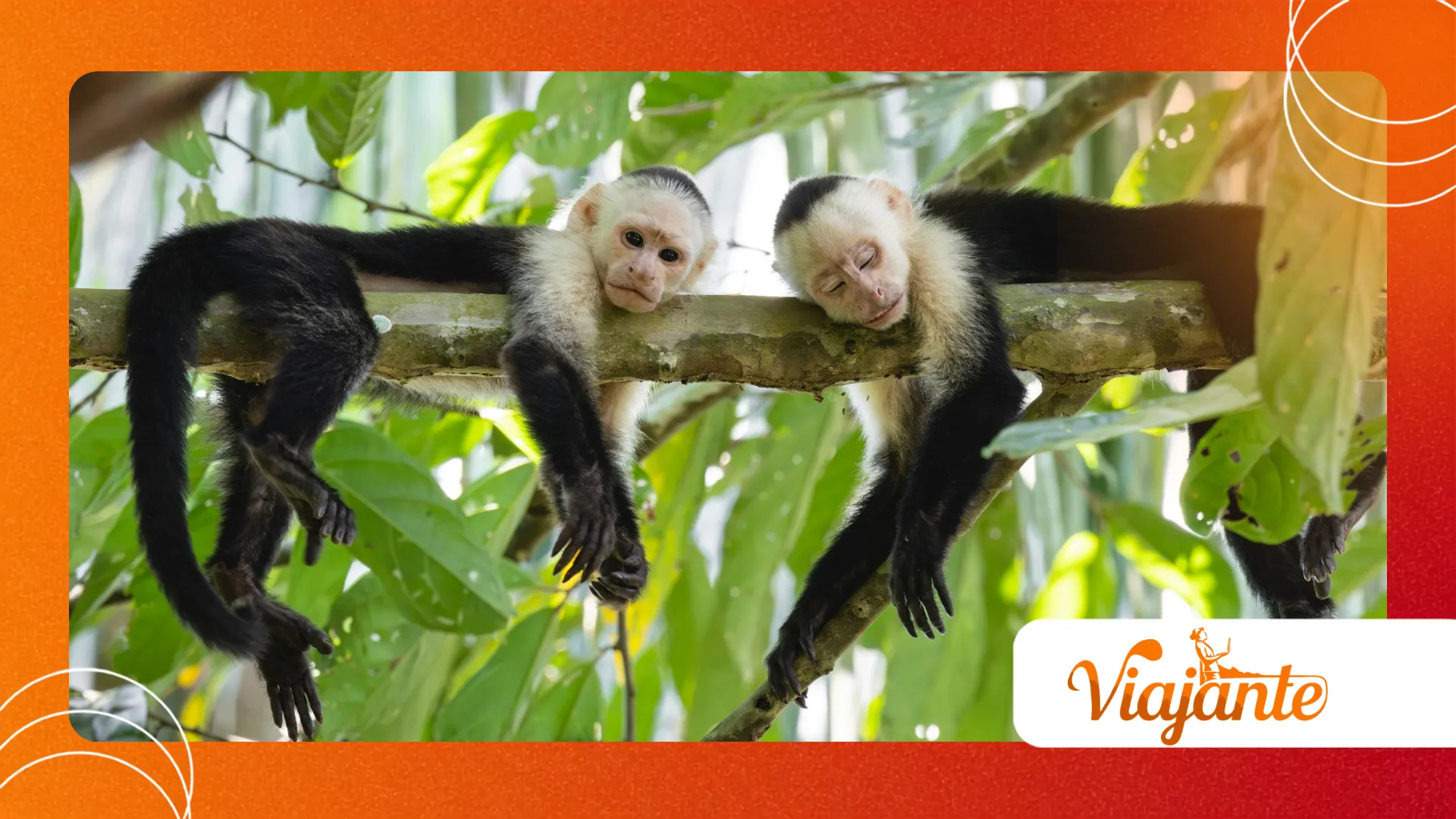
Sebagai penyebar biji utama dan pemakan dedaunan di kanopi, primata ini menjaga keseimbangan ekologis dan kesehatan struktural hutan Afrika Tengah.
Ekosistem hutan yang sehat secara langsung mendukung komunitas manusia di sekitarnya dengan mengatur pola curah hujan lokal dan menstabilkan kualitas tanah di wilayah tersebut.
Melindungi spesies primata unggulan menciptakan efek payung, melindungi ratusan spesies tumbuhan dan hewan yang kurang dikenal yang berbagi habitat yang sama.
Kapan Spesies Ini Pertama Kali Didokumentasikan oleh Sains?
Para naturalis di awal abad ke-20 mengumpulkan spesimen museum bersejarah, tetapi klasifikasi yang tidak akurat mengelompokkannya di bawah taksonomi colobus yang lebih luas dan tersebar luas.
Evaluasi ulang modern dimulai ketika para ahli biologi lapangan memeriksa kembali sampel jaringan menggunakan genetika molekuler kontemporer dan pencitraan kranial beresolusi tinggi.
Publikasi formal di jurnal primatologi internasional menegaskan status istimewa dari Monyet Colobus Congoensis selama tinjauan sistematis baru-baru ini.
Ekspedisi lapangan yang sedang berlangsung terus memetakan batas-batas wilayah secara tepat untuk menentukan kepadatan populasi total di seluruh taman nasional yang dilindungi.
++ Migrasi Hewan yang Hingga Kini Masih Belum Dapat Dijelaskan Sepenuhnya oleh Para Ilmuwan
Ringkasan Temuan Taksonomi dan Ekologi
Penemuan spesies primata baru ini menyoroti betapa banyaknya keanekaragaman hayati yang masih kurang dipelajari di ekosistem tropis terpencil di seluruh Afrika.
Penelitian genetik yang cermat yang dipadukan dengan pengamatan lapangan yang teliti memastikan bahwa satwa liar yang rentan menerima penilaian ekologis yang akurat dan perlindungan legislatif.
Pendanaan internasional yang berkelanjutan untuk tim konservasi lokal tetap menjadi strategi paling efektif untuk melestarikan penghuni kanopi yang menakjubkan ini.
Jelajahi studi primatologi terperinci dan kerangka kerja pelestarian satwa liar yang diterbitkan oleh Persatuan Internasional untuk Konservasi Alam jaringan.
Pertanyaan yang Sering Diajukan
Apa yang dimakan monyet Colobus Congoensis?
Primata ini memakan daun yang sudah matang, pucuk muda, biji-bijian, dan kadang-kadang buah yang belum matang, dengan mengandalkan bakteri khusus di dalam perutnya untuk memfermentasi serat tumbuhan yang keras.
Apakah monyet Colobus Congoensis terancam punah?
Para konservasionis saat ini sedang mengevaluasi status populasi resminya, tetapi penebangan hutan dan fragmentasi habitat yang terus berlanjut menunjukkan kerentanan yang signifikan di seluruh wilayah asalnya.
Apa perbedaan primata ini dengan monyet colobus lainnya?
Pengurutan genetik, morfologi tengkorak yang berbeda, frekuensi vokalisasi yang unik, dan isolasi geografis di sepanjang Sungai Kongo membedakannya dari spesies terkait.
\