
Mengapa Axolotl Dapat Menumbuhkan Kembali Hampir Setiap Bagian Tubuhnya
Memahami axolotl Mengungkap salah satu fenomena biologis paling radikal di alam, menawarkan wawasan tajam tentang biologi regeneratif, pemrograman ulang sel, dan mekanisme perbaikan jaringan.
Pengumuman
Selama beberapa dekade, ahli biologi perkembangan telah terpaku pada salamander air ini. Jika mamalia merespons trauma dengan jaringan parut yang kaku dan buntu, axolotl merekonstruksi organ, anggota tubuh, dan jalur saraf kompleks yang berfungsi penuh seolah-olah menjalankan cetak biru yang sempurna.
Berikut adalah peta jalan yang menjelaskan mekanisme inti, perilaku seluler, dan ciri evolusi di balik kemampuan luar biasa untuk membangun kembali dari awal ini.
Daftar isi
- Mekanisme biologis apa yang memungkinkan regenerasi jaringan axolotl?
- Bagaimana sel blastema mengoordinasikan pertumbuhan anggota tubuh baru?
- Mengapa axolotl menghindari pembentukan jaringan parut saat terjadi kerusakan organ yang parah?
- Bagian tubuh spesifik mana yang dapat diregenerasi dengan sukses oleh axolotl?
- Bagaimana usia dan lingkungan memengaruhi kemampuan regenerasi axolotl?
- Matriks Perbandingan Sifat Regenerasi
- Pertanyaan yang Sering Diajukan (FAQ)
Mekanisme biologis apa yang memungkinkan regenerasi jaringan axolotl?
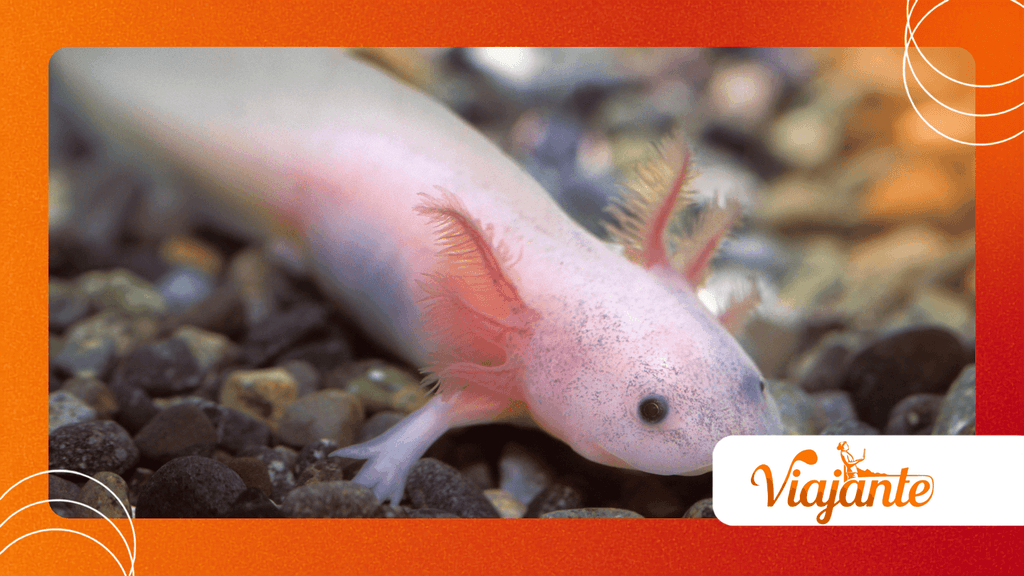
Keabadian biologis—atau setidaknya bayangan selulernya—berasal dari keunikan evolusi yang aneh: neoteni. Salamander ini menolak untuk tumbuh dewasa, mempertahankan ciri-ciri larva hingga dewasa.
Karena mereka melewatkan metamorfosis lengkap, jaringan ikat mereka mempertahankan elastisitas embrionik. Ketika cedera terjadi, sel-sel dewasa tidak kaku; mereka dengan cepat kembali ke keadaan yang mudah beradaptasi.
Dalam beberapa jam setelah trauma, sel-sel kulit di sekitarnya dengan cepat menyebar di permukaan luka. Sel-sel ini membentuk lapisan ektodermal apikal, perisai biologis langsung terhadap infeksi dan gangguan sinyal.
Retak axolotl Artinya mengamati jalur genetik yang tidak aktif menjadi aktif sesuai perintah, mengarahkan pembelahan sel tanpa menyebabkan peradangan kronis.
Makrofag khusus masuk untuk membersihkan puing-puing sambil memberi sinyal untuk pembentukan ulang jaringan, bukan penumpukan kolagen yang padat. Institut Kesehatan Nasional terus memantau perubahan imun ini, yang menjaga peluang regenerasi sejati tetap terbuka lebar.
Bagaimana sel blastema mengoordinasikan pertumbuhan anggota tubuh baru?
Kemunculan blastema adalah saat penyembuhan luka sederhana berubah menjadi rekonstruksi arsitektural.
Blastema ini pada dasarnya adalah kumpulan sel progenitor yang sangat banyak yang berkumpul di bawah lapisan epidermis yang baru terbentuk. Selama bertahun-tahun, para ilmuwan berasumsi bahwa sel-sel ini adalah lembaran kosong, sel-sel pluripoten yang sepenuhnya mampu berkembang menjadi apa pun.
Pelacakan genom modern membuktikan kita salah: sel-sel ini mempertahankan memori garis keturunan.
Sel otot mengingat bahwa ia pernah menjadi otot; sel selubung saraf tahu persis bagaimana membangun kembali jalur perifer di sepanjang anggota tubuh yang sedang tumbuh.
Sinyal biokimia—yaitu faktor pertumbuhan fibroblas dan kaskade Wnt—bertindak sebagai penanda lokasi. Sinyal-sinyal ini memberi tahu sel-sel blastema tentang koordinat spasialnya yang tepat sehingga anggota tubuh baru tersebut dapat menyesuaikan ukurannya dengan benar terhadap tubuh.
Mengurai axolotl Hal ini terus-menerus membawa kita kembali pada interaksi antara memori posisional dan sinyal bioelektrik.
Saraf yang memanjang dari sumsum tulang belakang harus terus-menerus memasok nutrisi ke blastema yang sedang tumbuh. Jika sinyal neurotropik tersebut terputus sejak dini, seluruh proyek regenerasi akan terhenti.
Mengapa axolotl menghindari pembentukan jaringan parut saat terjadi kerusakan organ yang parah?
Dalam pertukaran evolusioner, mamalia memilih kecepatan daripada kesempurnaan. Kita menggunakan kolagen padat dengan cepat, menutup luka dengan bekas luka tebal untuk bertahan hidup dari pendarahan, meskipun hal itu meninggalkan jaringan yang kaku dan tidak berguna.
Axolotl menempuh jalur yang berbeda. Matriks metaloproteinase mereka secara aktif mengikis kelebihan kolagen, menjaga lingkungan ekstraseluler tetap cair dan mudah dinegosiasikan.
Tanpa dinding fibrotik kaku yang menghalangi komunikasi, sel progenitor bermigrasi tanpa hambatan, membentuk arsitektur fungsional alih-alih tambalan buntu.
Ada juga hal luar biasa tentang sistem kekebalan tubuh mereka. Sistem ini beroperasi dengan respons adaptif yang terkendali, mencegah badai hiperinflamasi yang menghancurkan jaringan regenerasi yang rapuh pada vertebrata tingkat tinggi.
Studi genomik mengungkapkan bahwa gen penekan tumor yang penting tetap sangat waspada selama perkalian sel yang agresif ini. Hewan tersebut mampu mengelola pertumbuhan blastemik yang cepat tanpa berujung pada kekacauan kanker.
Keseimbangan antara fibrosis minimal, respons imun yang terkontrol, dan pembelahan sel yang terpantau memungkinkan sumsum tulang belakang, area otak, dan jaringan jantung untuk membangun kembali dirinya tanpa kehilangan fungsi.
Bagian tubuh spesifik mana yang dapat diregenerasi dengan sukses oleh axolotl?
Ini bukan hanya tentang menumbuhkan kembali ujung ekor yang hilang; cakupan pemulihan biologis mereka sangat mencengangkan.
Dalam lingkungan laboratorium, makhluk-makhluk ini secara teratur membangun kembali tungkai depan, tungkai belakang, rahang bawah, retina, saraf perifer, dan sebagian besar ventrikel jantung mereka.
Bahkan kerusakan sistem saraf pusat pun dapat diperbaiki. Sel punca saraf yang melapisi kanal tulang belakang bermigrasi langsung ke area yang terluka, memulihkan koneksi yang hilang tanpa meninggalkan zona neurologis yang mati.
Para peneliti bahkan telah mendokumentasikan kasus-kasus di mana belahan otak yang rusak beregenerasi, mengembalikan kendali motorik dan respons perilaku dasar dalam hitungan minggu.
Jaringan otot baru secara otomatis terintegrasi dengan jalur suplai pembuluh darah dan neuron motorik. Hewan tersebut tidak hanya menumbuhkan anggota tubuh; ia mendapatkan kembali alat yang berfungsi sepenuhnya.
Sementara kadal mengganti ekor yang hilang dengan tabung tulang rawan yang disederhanakan, axolotl dengan teliti membangun kembali ruas tulang belakang yang bersegmen, lengkap dengan sumsum tulang belakang yang utuh yang melewatinya.
++ Bagaimana Cumi-cumi Humboldt Berburu Bersama di Perairan Dalam
Bagaimana usia dan lingkungan memengaruhi kemampuan regenerasi axolotl?
Namun, sistem ini tidak kebal terhadap waktu atau tekanan. Kimia air, suhu lingkungan, dan usia menentukan kecepatan dan keberhasilan proses tersebut.
Spesimen muda membangun blastema hampir tanpa kesulitan, menyelesaikan penggantian anggota tubuh yang kompleks dalam waktu hampir setengah dari waktu yang dibutuhkan oleh individu dewasa.
Seiring bertambahnya usia, pembelahan sel melambat. Pemutusan berulang pada anggota tubuh yang sama pada akhirnya dapat menyebabkan cacat struktural kecil atau memperlambat waktu pemulihan.
Kualitas air yang buruk atau peningkatan kadar amonia memicu stres fisiologis sistemik, mengganggu aktivitas makrofag dan menghambat epitelisasi awal.
Menganalisis axolotl menegaskan bahwa keajaiban seluler masih bergantung pada stabilitas lingkungan dan kesehatan metabolisme dasar.
Air dingin memperlambat aktivitas seluler hingga hampir berhenti, sementara panas yang berlebihan mengganggu keseimbangan kekebalan tubuh hewan, membuka peluang terjadinya infeksi jamur oportunistik.
Air yang bersih dan terpantau dengan baik memastikan bahwa sinyal bioelektrik yang halus dapat menjangkau lokasi luka tanpa gangguan kimia.
++ Spesies yang Dapat Bertahan Hidup dalam Kondisi yang Tidak Mungkin Dihadapi Manusia
Matriks Perbandingan Sifat Regenerasi
Berikut ini adalah uraian yang menyoroti bagaimana strategi regenerasi berbeda di berbagai kelompok vertebrata:
| Kelompok Organisme | Mekanisme Penyembuhan Utama | Pembentukan Blastema | Kecenderungan Pembentukan Bekas Luka | Perbaikan Sistem Saraf Pusat |
| Axolotl | Regenerasi epimorfik sejati | Hadir dan sangat terorganisir. | Hampir tidak ada | Restorasi fungsional penuh |
| Kadal | Penggantian morfologis | Terbatas / Non-blastemik | Sedang | Pertumbuhan kembali saraf ekor sebagian saja |
| Mamalia | Perbaikan fibrotik dan pembentukan jaringan parut | Tidak ada pada orang dewasa | Deposisi kolagen yang tinggi | Terbatas pada jalur perifer |
| Ikan Teleost | Rekonstruksi jaringan epimorfik | Terdapat pada jaringan tertentu | Jantung dan siripnya rendah | Pemulihan tulang belakang sedang |
Apa peran bioelektrik dalam memandu pertumbuhan kembali anggota tubuh?
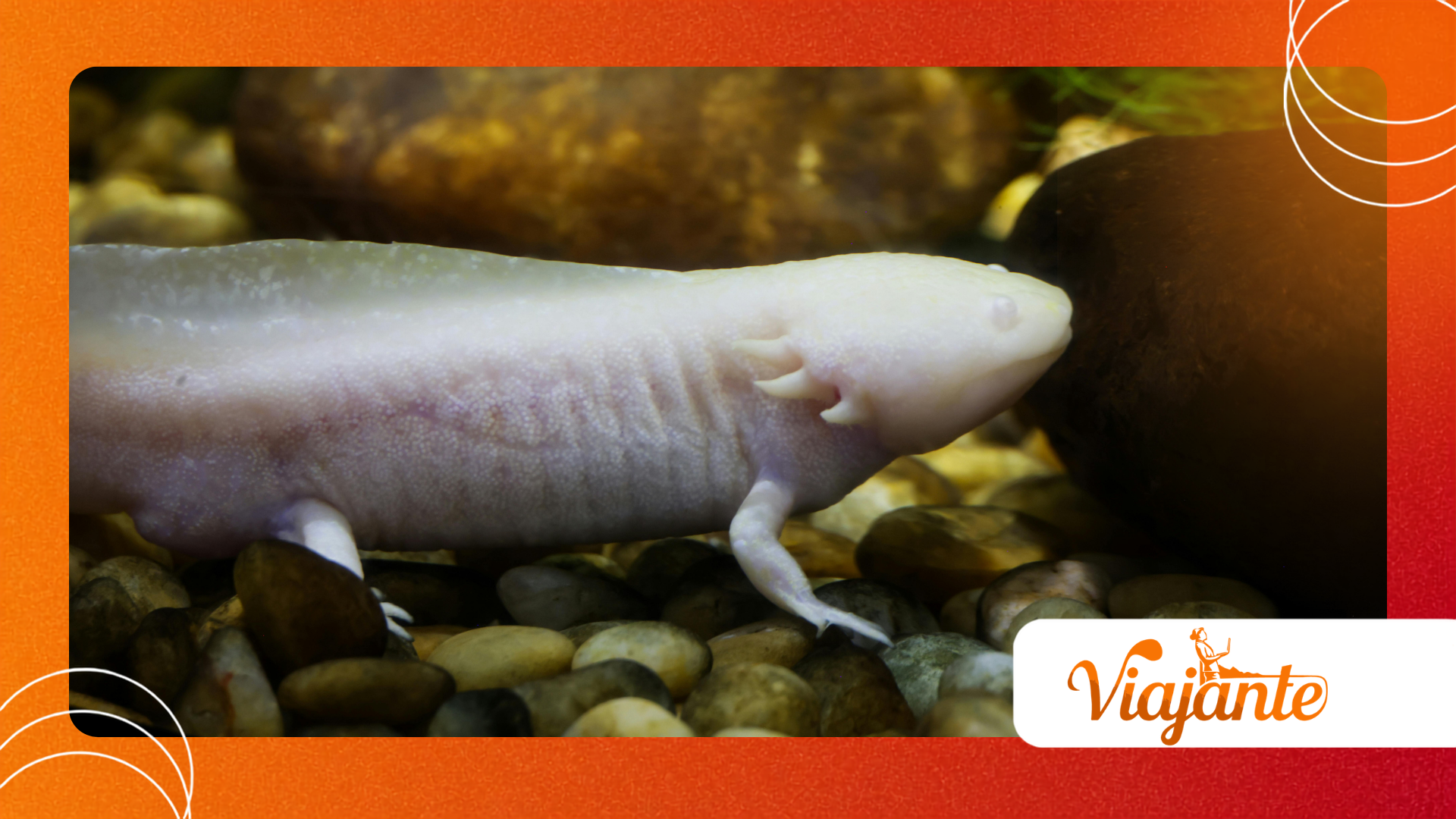
Jauh sebelum sinyal kimia atau faktor pertumbuhan terdeteksi di lokasi luka, perubahan mendadak pada tegangan bioelektrik memicu seluruh rangkaian regenerasi.
Membran sel yang rusak memompa ion melintasi luka, menghasilkan arus listrik terukur yang berfungsi sebagai peta topografi tak terlihat bagi sel progenitor yang bermigrasi.
Gradien tegangan alami ini menginstruksikan sel blastema secara tepat di mana harus berkumpul dan orientasi spasial apa yang harus diadopsi, membuktikan bahwa sinyal listrik adalah pemicu awal yang sebenarnya di balik rekonstruksi jaringan.
Dengan memanipulasi medan listrik endogen ini dalam lingkungan laboratorium, para peneliti dapat mengubah kecepatan dan orientasi pertumbuhan anggota tubuh, yang memberikan bukti kuat tentang peran penting bioelektrik.
Ketika para ilmuwan secara artifisial mengganggu aliran ion alami di lokasi cedera, pembentukan blastema terhenti atau menghasilkan struktur yang cacat, yang menggarisbawahi bahwa sinyal kimia saja tidak dapat mengoordinasikan anatomi tiga dimensi yang kompleks.
++ Kucing-Kucing Terkenal yang Mempengaruhi Tokoh-Tokoh Sejarah
Kesimpulan
Mengungkap bagaimana amfibi membangun kembali dirinya sendiri menghancurkan asumsi lama tentang kekekalan seluler dan batasan perbaikan jaringan.
Ketergantungan mereka pada sel blastema yang telah berkomitmen pada garis keturunan dan kontrol anti-fibrotik yang tepat membuktikan bahwa penggantian struktural yang kompleks telah dikodekan dalam genetika vertebrata.
Seiring para peneliti menguraikan jalur-jalur ini, axolotl перестает menjadi sekadar hewan peliharaan unik di toko hewan dan menampakkan dirinya sebagai panduan penting untuk masa depan pengobatan regeneratif manusia.
Untuk analisis teknis yang lebih mendalam tentang genomika evolusioner dan biologi perkembangan, jelajahi arsip di [tautan arsip]. Jurnal Sains Alam.
Pada akhirnya, makhluk-makhluk ini mengingatkan kita bahwa kemampuan untuk memperbaiki diri bukanlah fantasi—melainkan realitas biologis yang belum kita pelajari untuk diaktifkan dalam diri kita sendiri.
FAQ – Pertanyaan yang Sering Diajukan
Bisakah axolotl meregenerasi otaknya jika mengalami kerusakan?
Ya, mereka dapat membangun kembali jaringan otak yang rusak, termasuk bagian-bagian dari telensefalon, memulihkan struktur fisik dan jalur saraf fungsional selama beberapa minggu.
Berapa kali seekor axolotl dapat menumbuhkan kembali anggota tubuh yang sama?
Mereka dapat meregenerasi anggota tubuh yang sama berulang kali sepanjang hidup mereka, meskipun usia lanjut atau trauma berulang pada tempat yang sama pada akhirnya dapat memperlambat proses tersebut atau menyebabkan deformitas ringan.
Apakah axolotl merasakan sakit ketika kehilangan anggota tubuhnya?
Mereka memiliki jaringan saraf sensorik yang mendeteksi kerusakan jaringan dan memicu respons stres fisiologis, meskipun pemrosesan neurologis mereka terhadap trauma berbeda secara mendasar dari persepsi nyeri manusia.
Mengapa manusia tidak dapat meregenerasi anggota tubuh seperti yang dilakukan axolotl?
Evolusi memprioritaskan penutupan luka yang cepat dan bertekanan tinggi pada manusia untuk mencegah kehilangan darah dan infeksi yang fatal, mengorbankan regenerasi jangka panjang yang kompleks demi kelangsungan hidup segera melalui jaringan parut.
\