
قطط شهيرة أثرت في شخصيات تاريخية
لقد حركوا الخيوط بهدوء وراء القرارات الإمبراطورية الكبرى، والحركات الفنية، والاختراقات العلمية.
إعلانات
بالنظر عن كثب إلى القطط الشهيرة التي أثرت في الشخصيات التاريخية يوضح كيف شكلت هذه الحيوانات غرائز الملوك والكتاب وأصحاب الرؤى عبر التاريخ.
فيما يلي دراسة لحالات حقيقية حيث أرشدت القطط القادة، وألهمت روائع أدبية، وساعدت العلماء المشهورين على الثبات، ووفرت الإيقاع الهادئ اللازم للحفاظ على استقرار الإنتاجية البشرية تحت الضغط.
جدول المحتويات
- أي القطط كانت ترشد قادة الإمبراطوريات العظيمة؟
- كيف ألهمت القطط روائع أدبية؟
- لماذا حافظت القطط على العلوم والابتكار
- مقارنة بين القطط الأسطورية وشركائها من البشر
- الأسئلة الشائعة
أي القطط كانت ترشد قادة الإمبراطوريات العظيمة؟
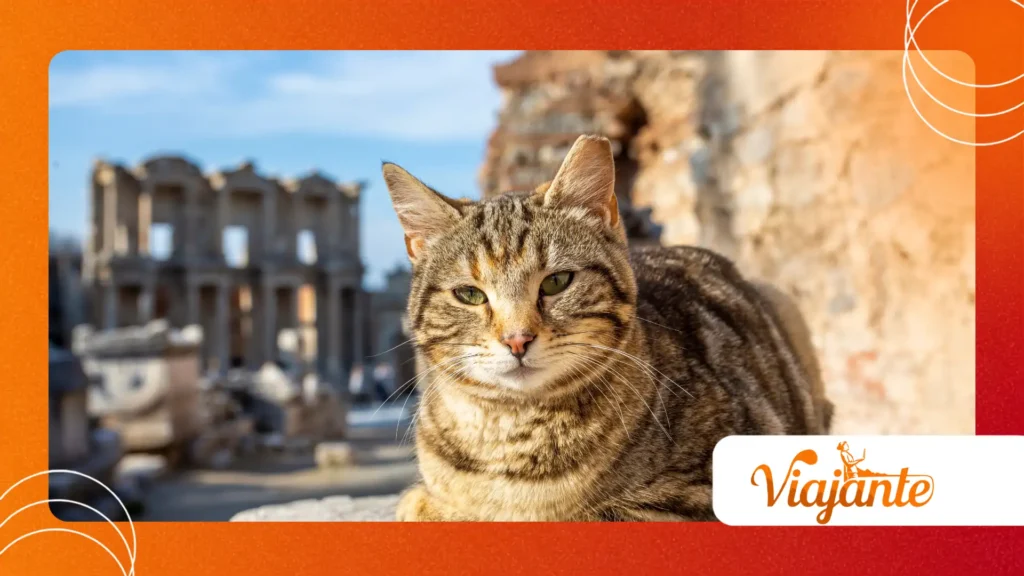
تُؤدي السلطة السياسية إلى نوع غريب من العزلة. وقد دفعت في كثير من الأحيان الملوك القدماء ورجال الدولة المعاصرين إلى السعي إلى إقامة علاقة حقيقية مع القطط المنزلية.
كان حكام مصر القديمة يعاملون القطط باحترام كبير. لم ينظروا إليها كحيوانات أليفة بقدر ما نظروا إليها كحلفاء استراتيجيين حيويين ضد تدمير الزراعة.
اشتهر الكاردينال ريشيليو، كبير وزراء لويس الثالث عشر، بإدارته لشؤون الدولة وهو محاط بعشرات القطط.
كان لدى حيوانه المفضل، سوميس، عادة الاستقرار مباشرة على أوراق الدولة أثناء الاجتماعات الدبلوماسية، مما أجبر ريشيليو على إيقاف المفاوضات عالية المخاطر حتى قرر الحيوان التحرك.
كان لدى ونستون تشرشل عاطفة موثقة جيداً تجاه قطه الزنجبيلي، جوك، الذي كان يحضر اجتماعات مجلس الوزراء البريطاني خلال الحرب العالمية الثانية.
أصر تشرشل على وجود جوك خلال جلسات الإحاطة الحربية الحاسمة، ووجد لحظة نادرة من الهدوء في وجود القطة الثابت وغير المبالي.
تتبع كيف القطط الشهيرة التي أثرت في الشخصيات التاريخية يقدم هذا الدرس المدهش للعاملين عن بعد في العصر الحديث في إدارة التوتر.
كثيراً ما اعتمدت الشخصيات التاريخية على هذه المخلوقات الهادئة لإجبارها على أخذ فترات راحة ذهنية ضرورية خلال دورات اتخاذ القرارات المتواصلة.
كيف ألهمت القطط روائع أدبية؟
تمتلئ المحفوظات الأدبية بكتاب بارزين أرجعوا الفضل لقططهم في الحفاظ على عاداتهم في العمل.
ساعدتهم القطط على البقاء على قيد الحياة خلال فترات طويلة من العزلة الإبداعية.
اشتهر إرنست همنغواي بتحويل منزله في كي ويست إلى ملاذ للقطط متعددة الأصابع، حيث قام بمطابقة جدول كتابته المرهق مع عاداتها غير المتوقعة.
ملأ مارك توين منزله بالقطط، وأطلق عليها أسماءً سخيفة عن قصد مثل بعلزبول وأبوليناريس لمجرد اللعب بالإيقاع.
كثيراً ما لاحظ توين أن دراسة وضعية القطط قد صقلت بصره تجاه سخافة البشر، مما ساهم بشكل مباشر في هجائه الاجتماعي اللاذع.
ميشيل دي مونتين، الفيلسوف الذي عاش في القرن السادس عشر والذي ابتكر عملياً المقالة الشخصية، توقف ذات مرة في منتصف تفكيره ليتساءل عما إذا كان يسلي قطته أم أن القطة هي التي تسليه.
فتحت تلك الملاحظة القصيرة والهادئة آفاقاً لقرون من الكتابة التأملية حول الوعي الذاتي.
بالنسبة للمبدعين المعاصرين، تُظهر العلاقة بين المؤلفين والقطط كيف يمكن للصمت المنظم أن يغذي الإنتاج الإبداعي.
السجلات التاريخية في منزل ومتحف إرنست همنغواي يؤكد ذلك أن أحفاد تلك القطط الأصلية ذات الأصابع الستة ما زالوا يتجولون بحرية في الأراضي حتى اليوم.
لماذا حافظت القطط على العلوم والابتكار؟
يعتمد الاكتشاف العلمي على الملاحظة الدقيقة والصبر اللامتناهي - وهي سمات يبدو أن القطط المنزلية تجسدها دون أن تحاول ذلك.
وبحسب ما ورد، قام إسحاق نيوتن بقطع فتحة صغيرة في باب مكتبه لمنع حيواناته الأليفة من مقاطعة تجارب انكسار الضوء الحساسة في الظلام.
أرجع نيكولا تيسلا هوسه الكامل بالكهرباء إلى قطته في طفولته، ماكاك.
أدى مداعبة ظهر ماكاك إلى ظهور وابل من الشرر الساكن، مما أثار فضولاً حول التيار الكهربائي ساعد في النهاية على بناء شبكة الطاقة الحديثة.
كان ألبرت أينشتاين يُقدّر القطط لعزلتها، وكان يُبقي قطته، تايجر، بالقرب من مكتبه أثناء العمل الرياضي الشاق.
لقد وفر النمر رفقة هادئة وغير متحيزة بينما كان أينشتاين يكافح مع الفيزياء النظرية التي أعادت تشكيل نظرتنا إلى المكان والزمان.
بالنظر إلى القطط الشهيرة التي أثرت في الشخصيات التاريخية يسلط الضوء على كيفية حدوث الأفكار الرائدة عادةً في بيئات منخفضة التوتر وغير متسرعة.
بإمكان المبدعين اليوم الاستفادة من نفس الأجواء الهادئة لتعزيز التركيز اليومي العميق وحل المشكلات المعقدة.
++ حيوانات غيرت مجرى التاريخ البشري
مقارنة بين القطط الأسطورية وشركائها من البشر
تُسلط السجلات التاريخية الضوء على الطرق المتميزة التي تركت بها القطط المختلفة بصماتها على شخصيات بارزة في مختلف المجالات.
يوضح الجدول أدناه العلاقات الموثقة التي تركت بصمة واضحة على الإنجاز البشري.
++ الكائنات البحرية العميقة التي بالكاد بدأنا نفهمها
| شخصية تاريخية | رفيق القطط | التأثير التاريخي الرئيسي | الفائدة الأساسية الملحوظة |
| ونستون تشرشل | جوك | حضور اجتماعات مجلس الوزراء في زمن الحرب | انخفاض التوتر أثناء إدارة الأزمات |
| إرنست همنغواي | سنو وايت | بيئة ملهمة للأدب الكلاسيكي | أنشأت روتينًا منظمًا للكتابة |
| نيكولا تيسلا | ماكاك | أثارت فضولًا مبكرًا حول الطاقة الساكنة | أشعل شغفًا علميًا مدى الحياة |
| الكاردينال ريشيليو | خاضعة | أثر على وتيرة الدبلوماسية السياسية | شجع على التحلي بالصبر أثناء المفاوضات |
أي القطط كان لها دورٌ خفيٌّ في تشكيل القرارات الاستراتيجية في الحضارات القديمة؟
قبل وقت طويل من أن تزين القطط المكاتب المنزلية الحديثة، كانت بمثابة أصول استراتيجية رئيسية في البلاط الملكي لمصر القديمة وروما.
لم تكن السلالات الفرعونية تعتز بالقطط لمجرد أناقتها الهادئة؛ بل رفعتها إلى مرتبة الحراس الحيويين للمخزونات الزراعية، حيث كانت تحمي بشكل مباشر الإمدادات الغذائية للدولة من الآفات المدمرة.
إن ملاحظة كيفية تفاعل هؤلاء الحكام الأوائل مع حيواناتهم تكشف أن هدوء القطط كان يُنظر إليه في كثير من الأحيان على أنه وجود مطمئن خلال اجتماعات المجالس الجيوسياسية المتوترة.
كيف ساعدت القطط التاريخية الكُتّاب على الحفاظ على تركيزهم اليومي؟
يُظهر التاريخ الأدبي أن ساعات طويلة من العزلة الإبداعية غالباً ما تتطلب رفيقاً هادئاً ومُريحاً.
اعتمد كتاب مثل تشارلز ديكنز ومارك توين وإرنست همنغواي على قططهم ليس فقط من أجل الرفقة الصامتة، ولكن أيضاً لتأسيس إيقاعات كتابة يومية صارمة تمنع الإرهاق.
أجبرت العادات الدقيقة وغير المتوقعة لهذه الحيوانات المؤلفين على الابتعاد عن مخطوطاتهم على فترات طبيعية، مما وفر لهم إعادة ضبط ذهنية غذت بشكل مباشر كتاباتهم النثرية الأكثر دقة وملاحظة.
لماذا احتفظ العلماء البارزون بالقطط في مختبراتهم؟

تتطلب الاختراقات العلمية عادةً ساعات من المراقبة المتواصلة والتركيز المطلق - وهو بيئة تزدهر فيها القطط المنزلية بشكل طبيعي.
من إسحاق نيوتن الذي لاحظ الحركة في مكتبه إلى نيكولا تيسلا الذي تتبع الكهرباء الساكنة على طول فراء حيوانه الأليف في طفولته، غالباً ما كانت القطط بمثابة عوامل محفزة غير مقصودة للاكتشافات الفيزيائية.
إن وجود كائن منعزل في المختبر وفر للباحثين جواً هادئاً شجع على التركيز العميق وحل المشكلات بطريقة غير خطية.
ما الذي يمكن أن يتعلمه المحترفون الرقميون المعاصرون من رفقة القطط التاريخية؟
إن دراسة الروتين اليومي للقادة والمبدعين التاريخيين توضح أن الإنتاجية نادراً ما تزدهر في ظل العزلة المستمرة والضغط النفسي العالي.
لطالما شكل الوجود الهادئ للحيوان الأليف حاجزاً طبيعياً ضد التعب، مما يشجع على أخذ فترات راحة قصيرة ويحافظ على توازن المفكرين الذين يواجهون تحديات كبيرة.
بالنسبة للعاملين عن بعد الذين يخوضون مشاريع صعبة اليوم، فإن استلهام هذه الروابط الأسطورية يسلط الضوء على القيمة الخالدة لخلق بيئة عمل هادئة وخالية من التوتر.
++ كيف يعمل سلوك العلاج الذاتي لدى الشمبانزي بشكل طبيعي؟
الأسئلة الشائعة
ما هي أشهر قطة في التاريخ السياسي القديم؟
كان توبي، وهو قطٌّ مُكرَّمٌ خلال العديد من السلالات المصرية، يتمتع بمكانةٍ رسميةٍ في البلاط. وقد قدَّر القادة القطط باعتبارها حراسًا أساسيين قادرين على حماية مخازن الحبوب الحيوية من الآفات المدمرة.
كيف تُحسّن القطط التركيز لدى العاملين عن بُعد في العصر الحديث؟
تساهم القطط بشكل طبيعي في كسر رتابة ساعات استخدام الشاشات الطويلة، وتشجع على جو أكثر هدوءاً في الغرفة. كما أن خرخرتها المنتظمة تخفف من توتر الإنسان، مما يساعد العاملين على الحفاظ على تركيزهم خلال المهام الشاقة.
أي عالم نسب الاكتشافات الكهربائية إلى قطة منزلية؟
أقر نيكولا تيسلا علنًا بأن قطته ماكاك، التي ربته في طفولته، هي التي أشعلت شغفه الأول بالطاقة. فقد أثارت رؤيته للكهرباء الساكنة وهي تسري عبر فراء ماكاك فضوله حول الطاقة.
لماذا كان المؤلفون المشهورون يحتفظون بالعديد من القطط في مكاتبهم؟
كان الكتّاب يُقدّرون القطط لما تُوفّره من رفقة هادئة وغير مُزعجة خلال ساعات الكتابة الشاقة. فقد كانت القطط تُوفّر ملاذاً هادئاً دون أن تُشتّت التركيز الدقيق اللازم لإنجاز الكتب.
توضح السجلات التاريخية أن القطط الأليفة ساهمت في تشكيل الأدب العالمي والعلوم الحديثة والسياسة الدولية.
إن النظر إلى هذه الروابط يذكرنا بأن الرفقة الهادئة لا تزال أداة فعالة بشكل ملحوظ للبقاء متزنين ومركزين في أي مهنة تتطلب الكثير من الجهد.
للاطلاع على المزيد من الروايات الموثقة حول تأثير الحيوانات الأليفة على تاريخ العالم، تفضل بزيارة الأرشيفات الرقمية التي تحتفظ بها مؤسسة سميثسونيان.
\