
أنواع قادرة على البقاء في ظروف لم يستطع البشر تحملها أبداً
في أعماق الفتحات الحرارية المائية السحيقة، وتحت أميال من جليد القطب الجنوبي، وداخل مناطق الإشعاع التي تعقم الأنسجة البشرية،, أنواع قادرة على البقاء في ظروف لم يستطع البشر تحملها أبداً ازدهر بهدوء.
إعلانات
تتميز الأنظمة الحية بقدرة مذهلة على التكيف. فبينما تفشل وظائف الجسم البشري في غضون ثوانٍ - حيث تتمزق أغشية خلايانا وتتغير طبيعة بروتيناتنا - تعمل الكائنات المتطرفة بروتينات روتينية مثيرة للقلق.
يستكشف هذا الدليل الاستراتيجيات البيوكيميائية الكامنة وراء هذه الكائنات الحية الناجية، ويقارن حدودها وآلياتها الخلوية، وما يكشفه منطق بقائها الغريب عن مستقبل التكنولوجيا.
ما هي الكائنات المتطرفة وكيف تتحدى الحدود البيولوجية؟
غالباً ما تبدو البيولوجيا هشة، لكن الكائنات المتطرفة تُفنّد هذا الافتراض تماماً. فهذه الكائنات لا تتحمل فقط البرد الشديد أو الحرارة الشديدة أو الضغط العالي أو السمية؛ بل إنها تحتاج إلى هذه البيئات لكي تعمل بشكل سليم.
في الفتحات البركانية في أعماق البحار، تعتمد ميكروبات متخصصة على إنزيمات مقاومة للحرارة تُسمى الإنزيمات المتطرفة. وبدلاً من أن تتفكك تحت درجات حرارة الغليان، تبقى بنيتها الجزيئية مترابطة بإحكام، مما يحافظ على استمرارية عمليات الأيض في حين أن الحياة من المفترض منطقياً أن تنهار.
يمثل الجفاف تحدياً قاسياً بنفس القدر. فعندما يختفي الماء السائل، تستبدل بعض الكائنات الحية حجم السوائل الداخلية بالسكريات الواقية، مما يؤدي فعلياً إلى توقف الحياة حتى تعود الرطوبة.
أي الكائنات الحية يمكنها تحمل الفراغ والإشعاع الكوني؟
تُعتبر الدببة المائية، أو ما يُعرف أيضاً باسم التارديغراد، ربما أشهر الكائنات المجهرية التي نجت على الإطلاق. فهي تتحمل درجات حرارة تقارب الصفر المطلق، والإشعاع الشمسي المكثف، وفراغ الفضاء الخالي من الهواء.
عندما يبلغ الإجهاد البيئي ذروته، تدخل الدببة المائية في حالة استقلابية خاملة تُعرف باسم الخفاء الحيوي. وتطرد جميع المياه الخلوية تقريبًا، وتلتف على نفسها لتشكل بنية جافة تسمى "الطن".
خلال هذه الحالة، تحمي البروتينات غير المنتظمة جوهريًا العضيات الحساسة من الانهيار الهيكلي.
كما أوضح الباحثون في المركز الوطني لمعلومات التكنولوجيا الحيوية, تشكل هذه البروتينات الفريدة مصفوفة تشبه الزجاج تحمي المادة الجينية الحيوية حتى يحدث إعادة الترطيب.
كيف دينوكوكوس راديودورانس إصلاح الحمض النووي المتضرر بشدة؟
يؤدي الإشعاع المؤين إلى تحطيم الكروموسومات البشرية، مما يخلق تدميراً خلوياً شاملاً في غضون دقائق. دينوكوكوس راديودورانس, وعلى النقيض من ذلك، تمتص جرعات إشعاعية أعلى بآلاف المرات دون أن تفقد قدرتها على البقاء.
يكمن سرها في التخزين الجينومي المتكرر. تحتفظ البكتيريا بنسخ متعددة متطابقة من جينومها معبأة بإحكام داخل تكوينات خلوية حلقية الشكل، مما يحافظ على محاذاة الأجزاء المتناثرة.
تقوم إنزيمات إصلاح متخصصة بإعادة ربط الحمض النووي المزدوج المكسور بسرعة مذهلة. وفي الوقت نفسه، تعمل أنظمة مضادات الأكسدة على تحييد الجذور الحرة، مما يوقف الضرر التأكسدي قبل تمزق جدران الخلايا.
لماذا تزدهر الميكروبات الموجودة في الفتحات الحرارية المائية تحت ضغط هائل؟
يفرض قاع المحيط السحيق ضغطًا هيدروستاتيكيًا هائلاً إلى جانب حرارة جيولوجية شديدة. هنا، تعيش الكائنات المحبة للحرارة الشديدة مثل بيروكوكس فوريوسوس تنمو بشكل مريح في المياه التي تقترب درجة حرارتها من درجة الغليان.
تذوب أغشية الخلايا العادية عند تعرضها لطاقة حرارية عالية، لكن العتائق تستخدم تركيباً كيميائياً مختلفاً تماماً للدهون. تشكل طبقات الدهون الأحادية المرتبطة بروابط إيثرية حواجز صلبة مقاومة للحرارة تمنع التفكك البنيوي.
يتطلب البقاء على قيد الحياة في أعماق البحار بنية خلوية متخصصة بنفس القدر. تعتمد هذه الكائنات الحية تحت الأرض على البروتينات المرافقة الجزيئية التي تعيد طي الإنزيمات باستمرار، مما يمنع انهيار الآليات البروتينية الحيوية تحت الضغط.
دراسة هذه التخصصات أنواع قادرة على البقاء في ظروف لم يستطع البشر تحملها أبداً يُقدّم هذا الكتاب لعلماء الوراثة مخططاً لتصميم محفزات متينة تُستخدم في عمليات التصنيع الصناعية الحديثة.
++ لماذا تتحدى حيل سلوك البقاء لدى الحيوانات قواعد التطور؟
ما الذي يمكّن خنفساء الصحراء من البقاء على قيد الحياة في المناخات القاحلة؟
في النظم البيئية شديدة الجفاف، يُعد انتظار هطول الأمطار استراتيجية قاتلة. تتغلب خنفساء صحراء ناميب على هذه المشكلة من خلال استخلاص الرطوبة الجوية مباشرة من الضباب باستخدام أجنحتها المتخصصة.
تتميز أغطية أجنحة الخنفساء الصلبة بمجموعة من النتوءات المحبة للماء المحاطة بأخاديد ناعمة كارهة للماء. يستقر ضباب الصباح على النتوءات المرتفعة، ويتراكم على شكل قطرات.
بمجرد أن تصبح القطرات ثقيلة بما يكفي، تنزلق عبر القنوات المغطاة بالشمع مباشرة إلى فم الخنفساء. يجمع هذا التركيب الفيزيائي السلبي الماء دون استهلاك طاقة أيضية.
++ اللغة السرية التي تستخدمها الدلافين للتعرف على بعضها البعض
كيف تحمي أسماك الجليد في القطب الجنوبي نفسها من التجمد الداخلي؟
في البحار القطبية شديدة البرودة، تعمل بلورات الجليد عادةً كخناجر مجهرية، تخترق الأوعية الدموية وتجمد الدورة الدموية تمامًا. وتتنقل أسماك الجليد في القطب الجنوبي في هذه المياه الجليدية باستخدام مضاد تجمد بيولوجي متخصص.
ترتبط البروتينات السكرية المنتشرة في مجرى دم هذه الأسماك مباشرةً ببلورات الجليد المتكونة، مما يوقف نموها قبل حدوث أي ضرر. ومن المثير للاهتمام أن هذه الأسماك فقدت أيضاً جين الهيموجلوبين.
بدون خلايا الدم الحمراء، يبقى دمهم رقيقًا للغاية، مما يقلل الطاقة اللازمة لضخ السوائل في درجات حرارة تحت الصفر. يذوب الأكسجين ببساطة مباشرة في بلازما الدم الصافية، التي يوزعها القلب المتضخم.
تحليل البيانات المقارن لأنواع الأرض المرنة
| الكائن الحي | نجا من ظروف قاسية | آلية البقاء الأساسية |
| بطيء الحركة | الفراغ والإشعاع | التخفي الحيوي عبر البروتينات غير المنتظمة |
| دينوكوكوس راديودورانس | الإشعاع المؤين | أنظمة إصلاح الحمض النووي متعددة العبوات السريعة |
| بيروكوكس فوريوسوس | $100^\circ\text{C}$ حرارة أرضية | أغشية دهنية إيثرية مقاومة للحرارة |
| خنفساء صحراء ناميب | جفاف شديد | نسيج دقيق للأجنحة لحصاد الضباب |
| سمك الجليد في القطب الجنوبي | تجميد تحت الصفر | البروتينات السكرية المضادة للتجمد في البلازما |
ما هي آليات الكائنات المتطرفة التي يمكن أن تساهم في تقدم العلوم الإنسانية؟
تلجأ التقنية الحيوية بشكل روتيني إلى الكائنات المحبة للظروف القاسية لحل التحديات الصناعية. وتشكل الإنزيمات المقاومة للحرارة والمستخلصة من الميكروبات المحبة للحرارة العمود الفقري للاختبارات الجزيئية الحديثة والتسلسل الجيني.
يدرس علماء الطب بروتينات الدببة المائية بهدف إحداث ثورة في حفظ الأعضاء ونقل اللقاحات. ولا يزال تثبيت المواد البيولوجية دون تبريد مستمر يمثل تحدياً كبيراً للصحة العالمية.
تعتمد برامج استكشاف الفضاء على هذه الكائنات الحية لتحديد حدود المناطق الصالحة للسكن. ومن خلال فهم كيفية بقاء الحياة في البيئات القاسية، يُحسّن علماء الأحياء الفلكية من دقة تحديد أماكن وكيفية البحث عن الحياة خارج كوكب الأرض.
الكشف عن سمات أنواع قادرة على البقاء في ظروف لم يستطع البشر تحملها أبداً يواصل دفع حدود علوم المواد والطب وعلم الأحياء التطوري.
كيف تستغل الفطريات المشعة الإشعاع العالي؟
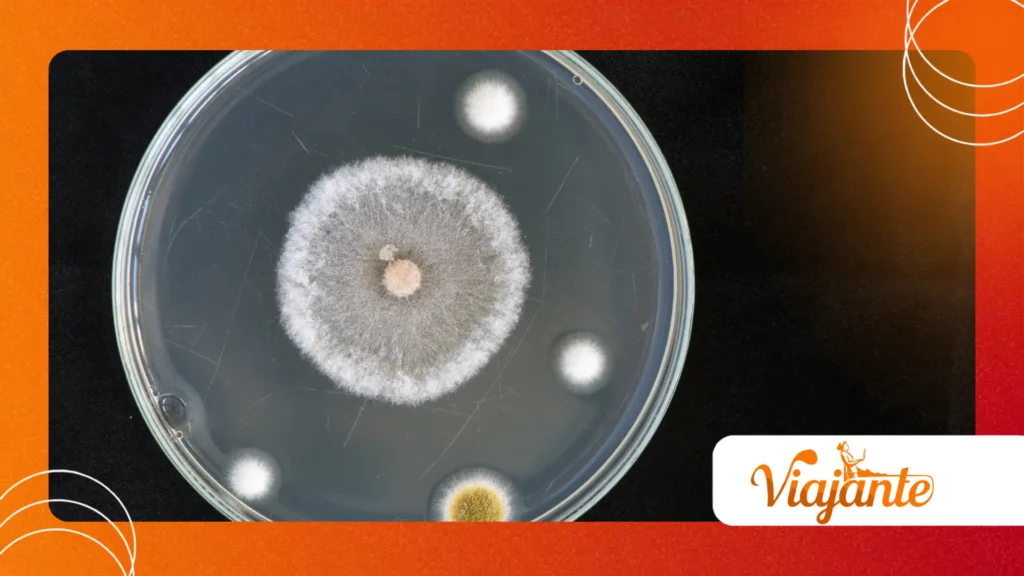
داخل مفاعل تشيرنوبيل المدمر، تحوّل الفطريات المتخصصة في التغذية الإشعاعية البيئات القاتلة إلى فرص أيضية. فهي تستخدم تركيزات عالية من الميلانين لامتصاص الإشعاع المؤين، محولةً الطاقة الكهرومغناطيسية مباشرةً إلى وقود بيولوجي.
تسمح هذه العملية، المعروفة باسم التخليق الإشعاعي، لهذه الكائنات الحية بالنمو داخل المناطق المشعة للغاية حيث تتفكك الأنسجة الحية الأخرى على الفور، مما يفتح آفاقًا جديدة للتكنولوجيا الحيوية.
إلى جانب تحويل الطاقة الأيضية الأساسية، توفر هذه الهياكل الفطرية تطبيقات واعدة لبروتوكولات استكشاف الفضاء البشري.
يعمل الباحثون حاليًا على تطوير دروع بيولوجية قائمة على الميلانين مستوحاة من هذه الكائنات لحماية رواد الفضاء من الأشعة الكونية.
إن تسخير هذه الحواجز الإشعاعية الطبيعية يمكن أن يُحدث تحولاً جذرياً في تصميم الموائل عبر البيئات القاسية خارج الأرض.
++ لماذا يكشف تقاسم البونوبو للطعام عن سلوك شبيه بالسلوك البشري؟
الأسئلة الشائعة
ما هو الكائن الحي الأكثر مرونة على وجه الأرض؟
تعتبر الدببة المائية على نطاق واسع أكثر الكائنات الحية مرونة نظراً لقدرتها على البقاء على قيد الحياة في الفضاء الخارجي، والضغط الشديد، ودرجات الحرارة تحت الصفر، والإشعاع الشديد من خلال حالة السكون.
كيف تعيش الكائنات المتطرفة بدون أكسجين؟
تستخدم العديد من الكائنات المتطرفة التنفس اللاهوائي، باستخدام مستقبلات إلكترونية بديلة مثل النترات أو الحديد أو مركبات الكبريت لتوليد الطاقة الخلوية بدون أكسجين.
هل يستطيع البشر اكتساب سمات البقاء لدى الكائنات المحبة للظروف القاسية؟
لا يستطيع البشر اكتساب هذه الصفات بشكل طبيعي، لكن الباحثين يستخدمون علم الوراثة للكائنات المحبة للظروف القاسية لتطوير أساليب أفضل لتحقيق الاستقرار الطبي، وتعزيز قدرة المحاصيل على الصمود، وتقنيات حفظ الحمض النووي.
ملخص تكيفات الكائنات المحبة للظروف القاسية
لقد صممت الطبيعة آليات تحول المخاطر المميتة إلى بيئات عادية. فمن خلال البروتينات الواقية، والإصلاح الجيني السريع، والتكيفات الهيكلية، تعيد الكائنات المتطرفة تعريف ما يمكن أن تتحمله الحياة.
توفر هذه الحلول البيولوجية أطرًا عملية للابتكار البشري في مجالات الطب والزراعة وهندسة المواد. استكشف مبادرات البحث الجارية من خلال معهد ناسا لعلم الأحياء الفلكي.
\