
Why Blue Dragons Sea Slugs Look Like Ocean Aliens
Drifting across open ocean currents, tiny marine organisms showcase adaptations so surreal they appear entirely extraterrestrial.
Anúncios
Marine biologists frequently study these delicate pelagic gastropods to understand how surface-dwelling invertebrates survive hostile marine environments.
Beneath the ocean surface, peculiar evolutionary traits help soft-bodied organisms avoid open-water predators while hunting venomous prey.
Exploring these physical adaptations provides fascinating insights into pelagic survival mechanisms, countershading camouflage, and complex aquatic defense systems.
In this comprehensive guide, we examine the alien-like anatomy, silver-blue countershading, specialized diet, sting-harvesting capabilities, and ecological role of Blue Dragons (Glaucus atlanticus) within pelagic marine ecosystems.
How do these creatures adapt to unexpected climate variations?
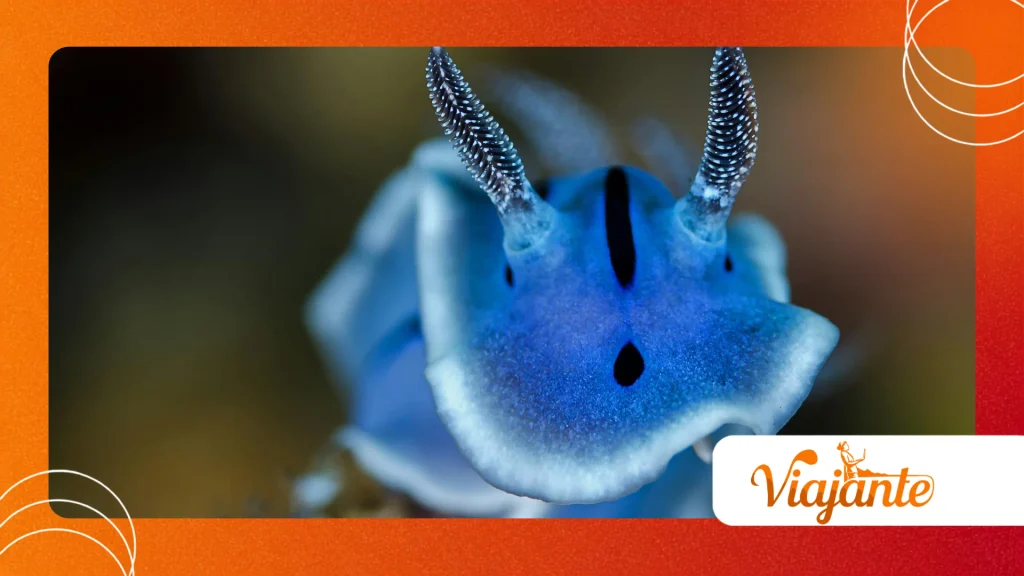
Rapidly shifting ocean temperatures and changing current dynamics force open-ocean invertebrates to constantly adjust their migratory routes across tropical regions.
Observing how these small gastropods navigate shifting surface waters offers marine researchers critical data on how delicate surface-layer ecosystems respond to global atmospheric shifts.
Beneath the surface layers, micro-climatic changes directly influence the availability of hydrozoan prey, altering feeding behaviors and population distributions worldwide.
These environmental pressure points showcase how even highly specialized pelagic hunters must continually adapt their survival strategies to survive unpredictable oceanic changes.
As floating marine ecosystems face increasing pressures from rising water temperatures and shifting offshore wind patterns, tracking Blue Dragons helps scientists map broader ecological shifts.
Understanding these delicate interactions highlights the fascinating resilience of fragile pelagic organisms surviving in an ever-changing oceanic landscape.
How Do Climate Shifts Impact Blue Dragons Movements Worldwide?
Rising sea surface temperatures and erratic wind patterns actively alter the natural drift trajectories of pelagic nudibranchs across major ocean basins.
Changing current dynamics push soft-bodied invertebrates far outside their traditional warm-water zones, leading to unprecedented strandings along temperate coastlines globally.
These unexpected territorial shifts directly increase encounters between unsuspecting beachgoers and highly venomous marine life near popular shorelines.
Tracking these migratory anomalies gives oceanographers crucial baseline data for evaluating broader climate disruptions and preserving fragile surface ecosystems.
++ How Cassowaries Became the World’s Most Dangerous Birds
What Are Blue Dragons (Glaucus atlanticus)?
Classified scientifically as Glaucus atlanticus, these remarkable nudibranchs represent specialized shell-less pelagic mollusks.
These small marine gastropods float upside down along the ocean surface tension, utilizing gas-filled sacs within their stomachs to remain buoyant.
Unlike typical benthic sea slugs crawling along ocean floors, pelagic gastropods navigate open sea currents worldwide.
Their vibrant blue coloration serves a crucial evolutionary purpose, offering camouflage against hungry seabirds above and predatory fish below.
Biological studies documented by the Smithsonian Ocean Initiative confirm that mature specimens usually measure between three and four centimeters long, maintaining surprisingly complex physiological structures despite their minimal physical size.
| Biological Attribute | Scientific Detail (Glaucus atlanticus) | Ecological Function |
| Average Size | 3 to 4 centimeters | Minimizes energy expenditure in open waters |
| Habitat Zone | Neustonic (ocean surface layer) | Drifts passively along major ocean currents |
| Primary Diet | Physalia physalis (Portuguese Man-o’-War) | Obtains nutrition and defensive stinging cells |
| Defense Mechanism | Stored nematocysts (cnidocysts) | Delivers concentrated stings to prospective predators |
| Locomotion | Surface tension floating & gas sac | Uses water currents and wind for transport |
Why Do Blue Dragons Look Like Sci-Fi Extraterrestrials?
Finger-like cerata radiating outward from their central body trunks give these sea slugs an unmistakably alien appearance.
These delicate branch-like appendages store digestive glands while helping distribute weight evenly across fragile ocean surface membranes.
Intense blue pigmentation along their ventral side contrasts sharply with silvery-grey dorsal surfaces. Known as countershading, this striking visual pattern breaks up physical outlines, making aquatic invertebrates nearly invisible to surface and underwater hunters.
Evolutionary biology demonstrates that extreme environmental pressures produce unusual body forms in pelagic spaces.
Lacking protective shells, these soft gastropods developed brilliant warning coloration—termed aposematism—to signal dangerous defensive capabilities to prospective aquatic predators.
++ Why Axolotls Can Regrow Nearly Every Body Part
How Do Blue Dragons Survive in the Open Ocean?
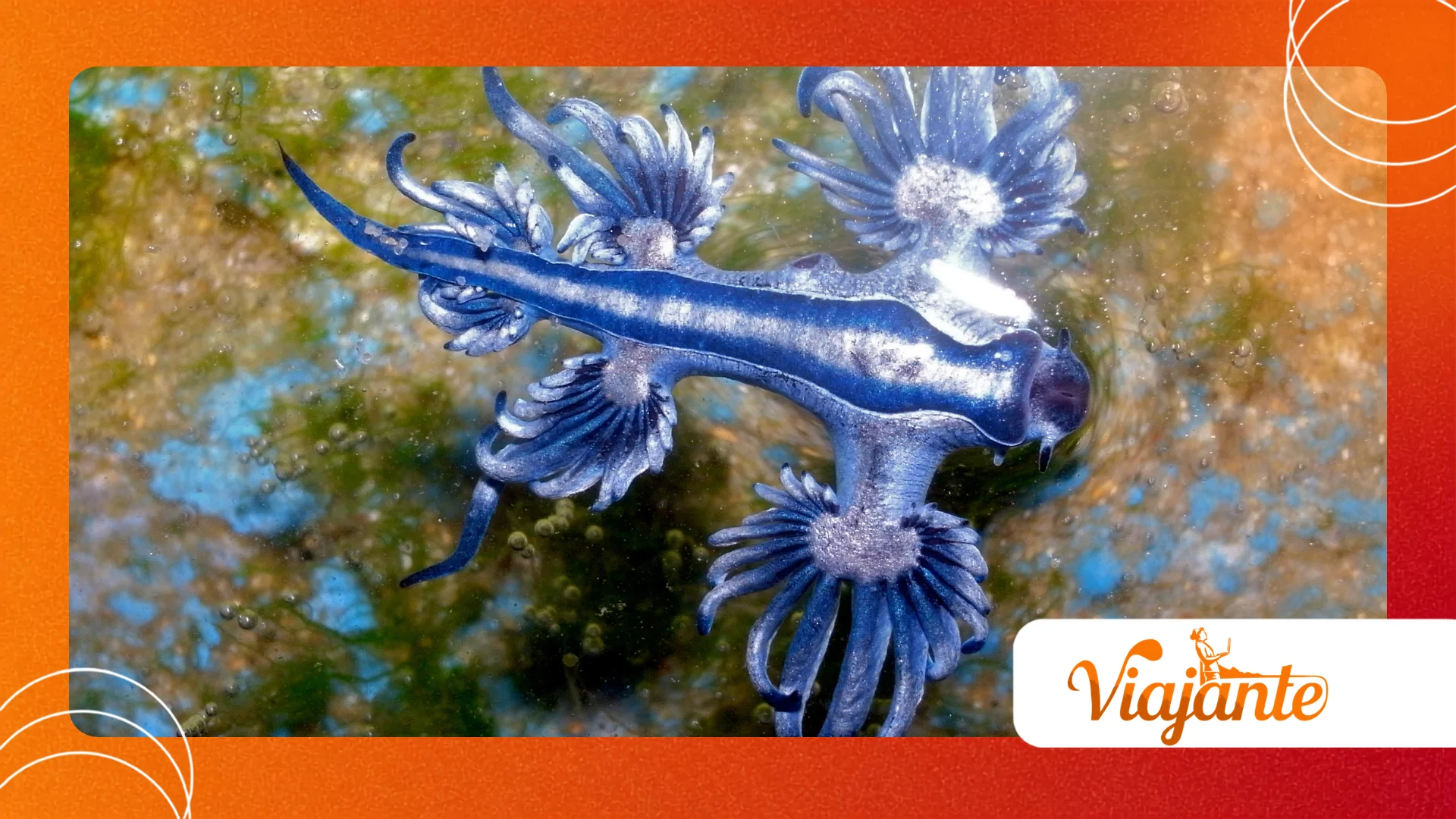
Floating perpetually atop surface waters exposes soft organisms to intense solar radiation and rough wave action. Gas-filled gastric cavities allow these mollusks to maintain precise balance without expending vital physical energy through active swimming.
Surface tension plays a foundational role in keeping these delicate gastropods afloat continuously across vast oceans. By swallowing air pockets into specialized digestive sacs, they remain suspended right beneath atmospheric water barriers effortlessly.
Wind currents and ocean gyres determine where drifting invertebrate populations travel throughout tropical Atlantic, Pacific, and Indian oceans.
Consequently, mass strandings occur along coastal beaches following sustained offshore storm activity or shifting seasonal winds.
What Makes Blue Dragons Steal Stings From Poisonous Prey?
Hunting venomous prey requires extraordinarily sophisticated biological immunity mechanisms. These predatory sea slugs target colonial hydrozoans like Portuguese man-o’-war, consuming potent stinging tentacles without suffering tissue damage or cellular paralysis.
Specialized mucus linings within digestive tracts prevent active nematocysts from firing during ingestion. Unfired stinging capsules travel safely through specialized intestinal channels directly into terminal tips of outer body cerata appendages.
Concentrating harvested stinging cells allows Blue Dragons to deliver painful stings exceeding original prey toxicity.
Swimmers encountering washed-up specimens along shorelines risk severe skin reactions, intense pain, and localized inflammatory responses upon physical contact.
When Do Blue Dragons Reproduce and Spread Across Oceans?
Simultaneous hermaphroditism enables every mature individual to produce both eggs and sperm cells during mating encounters.
Floating freely in vast marine environments makes finding reproductive partners challenging, making dual reproductive capacity an evolutionary advantage.
Mating pairs connect along their right lateral sides using long, curved reproductive organs designed to avoid defensive cerata stings.
After successful fertilization occurs, floating egg strings deposit onto drifting wood, plastic debris, or discarded prey skeletons.
Larval veligers hatch quickly, developing tiny temporary shells before transitioning into free-floating pelagic adults.
Emerging juveniles swallow air immediately to establish positive buoyancy, joining floating marine ecosystems drifting along global oceanic currents.
Which Ecological Role Do Blue Dragons Play in Marine Ecosystems?
Regulating populations of floating cnidarians represents a critical ecological function performed by specialized nudibranchs.
By feeding heavily on hydrozoan colonies, these small predators prevent overpopulation of venomous surface organisms near coastal waters.
Pelagic food webs rely on complex interactions between microscopic plankton, specialized mollusks, and larger marine organisms. While immune to hydrozoan toxins, these nudibranchs face predation from specialized sea snails and opportunistic pelagic fish species.
Climate shifts and altering ocean temperatures modify historical distribution patterns of floating marine communities dramatically.
Monitoring coastal strandings helps marine researchers track changing current systems and broader shifts in pelagic marine biodiversity globally.
++ How Humboldt Squid Hunt Together in Deep Waters
Summary
- Blue Dragons (Glaucus atlanticus) are pelagic nudibranchs floating upside down on ocean surface tension.
- Countershading camouflage features vibrant blue undersides facing upward and metallic silver backs facing downward.
- Digestive tracts process venomous prey like Portuguese man-o’-war without triggering defensive stinging mechanisms.
- Concentrated nematocysts store within outer finger-like cerata, delivering potent stings to potential predators and humans.
- Dual reproductive capabilities allow hermaphroditic adults to produce viable eggs after encountering potential mates.
Frequently Asked Questions
Are Blue Dragons dangerous to human beings?
Touching these pelagic nudibranchs can cause severe pain, skin rashes, and burning sensations because concentrated nematocysts stored within their cerata fire immediately upon physical contact with human skin.
Where can you find Blue Dragons in the wild?
They inhabit warm ocean waters throughout tropical Atlantic, Pacific, and Indian oceans, drifting passively along major currents until strong onshore winds occasionally wash them onto coastal sandy beaches.
How big do adult Blue Dragons grow?
Mature specimens remain surprisingly tiny, usually measuring between three and four centimeters in length, allowing them to float easily along fragile water surface tension layers without sinking.
What do Blue Dragons eat in open water?
They feed almost exclusively on floating venomous cnidarians, including Portuguese man-o’-war (Physalia physalis), blue buttons (Porpita porpita), and violet snails (Janthina janthina), harvesting defensive cells during digestion.
Detailed research regarding marine invertebrate physiology and pelagic ecosystem conservation remains available through official educational publications hosted by the National Oceanic and Atmospheric Administration
.
\