
Cryotherapy for Recovery: New Clinical Findings
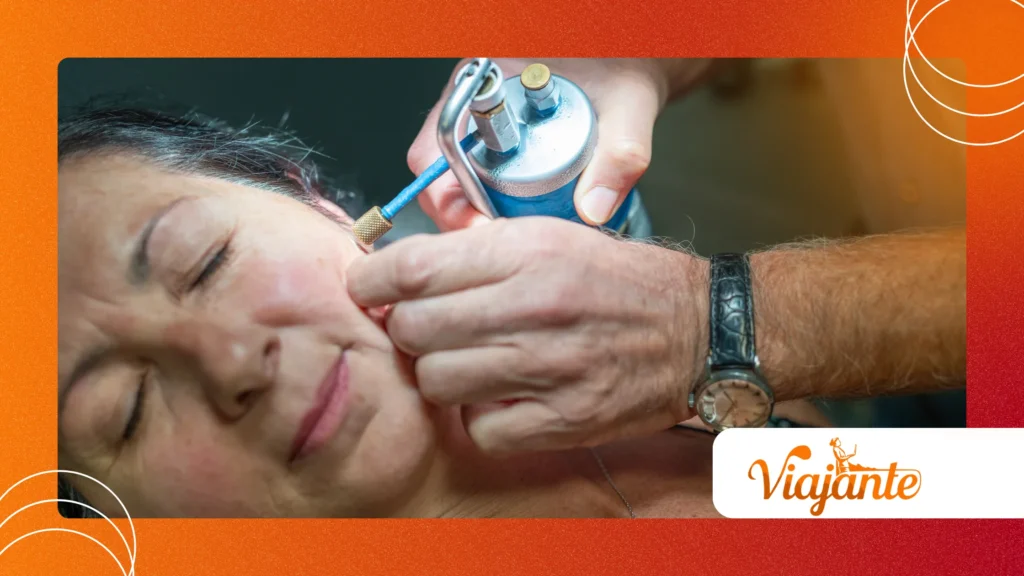
Cryotherapy for recovery has transitioned from a niche athletic trend into a scientifically backed recovery protocol utilized by millions globally to optimize physiological healing and performance.
Anúncios
For years, the sight of elite athletes submerged in trash cans full of ice was the gold standard of grit, a primitive attempt to numb the inevitable toll of high-performance training.
Today, that raw intuition has been replaced by precision engineering. We are no longer just looking to “freeze the pain away.”
Instead, the focus has shifted toward a sophisticated dialogue with our nervous system.
There is something profoundly counterintuitive about stepping into a chamber that mimics Arctic extremes, yet the physiological payoff suggests that our bodies are hardwired to thrive under these brief, controlled bouts of survival stress.
In 2026, we understand that the real magic isn’t in the cold itself, but in how our cells scramble to respond to it, sparking a cascade of neurochemical and metabolic adjustments that a simple massage or a nap could never replicate.
Summary of Clinical Insights
- Understanding the biological mechanisms of extreme cold.
- New 2026 data on systemic inflammation reduction.
- Comparative analysis: Whole-Body vs. Localized methods.
- Optimal timing for post-exercise cryogenic sessions.
- The psychological impact of thermal shock proteins.
What is cryotherapy for recovery in 2026?
Modern cryotherapy involves exposing the human body to sub-zero temperatures, typically ranging from -110°C to -140°C, for brief periods to trigger systemic responses.
While early adoption was driven by anecdotal evidence, recent clinical shifts have redefined its role as a powerful tool for neurological and metabolic regulation.
The technology has evolved significantly this year, with liquid nitrogen systems being replaced by safer, electric-powered chambers that provide more uniform cooling.
These advancements ensure that the “cold shock” is consistent, maximizing the release of norepinephrine and cold-shock proteins without the risks associated with nitrogen vapors.
Current medical consensus highlights that cryotherapy for recovery is no longer just about numbing sore muscles but rather about managing the body’s entire inflammatory cascade.
By stimulating the sympathetic nervous system, it helps the body shift from a stressed state into a reparative, parasympathetic dominance.
Also Read: Ancient Tech Suppressed by Modern Authorities?
How does extreme cold affect muscle tissue?
When the skin surface drops rapidly in temperature, the brain initiates a survival mechanism known as vasoconstriction, shunting blood from the extremities toward the vital organs and core.
This process enriches the blood with oxygen, enzymes, and nutrients while temporarily reducing the flow to inflamed muscle tissues.
Once the individual exits the chamber, vasodilation occurs, causing a massive surge of this nutrient-dense blood back to the peripheral tissues.
This “flushing” effect is critical for removing metabolic waste products like lactic acid and uric acid that accumulate during high-intensity physical exertion.
Furthermore, new research from the National Center for Biotechnology Information suggests that extreme cold modulates the expression of myokines.
These signaling proteins are essential for muscle repair, helping to bridge the gap between acute damage and long-term structural hypertrophy in elite athletes.
+ Intermittent Hypoxic Training: Altitude Masks Worth the Hype?
Why are new clinical findings changing the protocol?

Recent longitudinal studies have debunked the “more is better” myth regarding cold exposure, showing that excessive duration can actually inhibit protein synthesis.
Scientists now emphasize “hormetic stress,” where brief, intense cold triggers a positive adaptation without overtaxing the body’s endocrine system.
Data collected in 2026 indicates that the most significant benefits occur when sessions are limited to three minutes.
This window is sufficient to activate the hypothalamus without causing the cellular shivering that can lead to muscle fatigue rather than the intended recovery.
Additionally, researchers have identified a specific link between cryotherapy for recovery and the reduction of C-reactive protein (CRP) levels.
Lowering CRP is vital because chronic inflammation is a leading cause of overtraining syndrome, which can sideline athletes for weeks or even months.
+ Functional Neurology: Trend or Tiny Evidence?
When is the best time to use cryotherapy?
Timing is the most debated aspect of cold therapy, as the body’s natural inflammatory response is actually necessary for initial muscle growth.
Using extreme cold immediately after a hypertrophy-focused weightlifting session might actually blunt the signals that tell muscles to grow larger.
For endurance athletes or those in mid-season competition, however, immediate use is highly recommended to maintain peak performance for consecutive events.
Clinical findings suggest a 4-to-6-hour delay post-training is the “sweet spot” for those looking to balance recovery with long-term strength gains.
Modern protocols now suggest that morning sessions, independent of exercise, can improve circadian rhythms by boosting cortisol levels early in the day.
This systemic regulation helps athletes achieve deeper REM sleep, which is arguably the most important factor in any comprehensive physical recovery strategy.
Which biological markers show the most improvement?
Clinical trials conducted over the past twelve months have focused heavily on blood chemistry and hormonal fluctuations.
The results show a marked increase in the production of SIRT1, a protein often associated with longevity and cellular health, following regular cold exposure.
| Biomarker | Change Observed (Post-Session) | Clinical Significance |
| Norepinephrine | +200% to +300% | Increased focus and pain suppression |
| Interleukin-6 (IL-6) | -35% | Significant reduction in systemic inflammation |
| Creatine Kinase | -20% | Marker of reduced muscle tissue damage |
| Heart Rate Variability | +15% | Improved autonomic nervous system balance |
The surge in norepinephrine is particularly notable for its role in mood regulation and chronic pain management.
This neurochemical shift explains why many patients report a “euphoric” feeling and improved mental clarity following their cryotherapy sessions.
What are the differences between ice baths and cryo?
While both methods utilize cold, ice baths rely on conduction, whereas cryotherapy chambers use convection or direct air cooling.
Water conducts heat away from the body 25 times faster than air, making ice baths feel more bone-chilling and physically painful for most.
However, cryotherapy for recovery allows for much lower temperatures that would be lethal in a water-based environment.
This extreme air temperature triggers a much faster skin-cooling response, which is the primary driver for the systemic hormonal benefits that athletes seek in 2026.
Cryotherapy is also significantly more efficient for busy professionals, requiring only minutes compared to the twenty-minute soak required for ice baths.
The lack of moisture also means skin tissues are less prone to damage, and users can return to their daily activities immediately.
Why does cryotherapy help with mental health?
The physical benefits of the cold are well-documented, but the psychological impact is becoming a primary focus for holistic health practitioners.
Thermal stress forces the brain to practice “top-down” regulation, where the mind must stay calm despite the body’s intense physiological panic.
This process strengthens the vagus nerve, which is the main component of the parasympathetic nervous system.
A higher vagal tone is directly linked to better stress resilience, lower anxiety levels, and a more robust immune system response against seasonal illnesses and chronic conditions.
By regularly engaging in cryotherapy for recovery, individuals train their brains to handle acute stress more effectively.
This mental fortitude translates well into high-pressure sports environments and demanding corporate settings, making it a versatile tool for any high-performer’s lifestyle.
How to safely implement cryotherapy in your routine?
Safety remains paramount when dealing with temperatures that mimic the surface of outer space.
It is essential to ensure that your skin is completely dry before entering a chamber, as any moisture can cause immediate frostbite or skin irritation upon contact.
Beginners should always start with shorter durations, perhaps ninety seconds, to gauge their vascular response.
It is also vital to wear protective gear for the extremities, including socks, gloves, and ear covers, as these areas have the least blood flow during the session.
Consulting with a medical professional is necessary for those with underlying cardiovascular issues or Raynaud’s disease.
While cryotherapy for recovery is generally safe for the healthy population, the intense vasoconstriction can temporarily spike blood pressure, which requires monitoring in certain sensitive individuals.
The landscape of athletic restoration has been permanently altered by the integration of cryotherapy for recovery.
As we move through 2026, the shift from anecdotal “biohacking” to rigorous, evidence-based clinical application has solidified its place in modern medicine.
Whether you are an elite marathoner or a weekend warrior, the ability to rapidly modulate inflammation and hormonal balance offers a significant edge.
By respecting the science of timing and temperature, you can unlock a level of physical resilience that was previously thought impossible.
For further reading on health standards, visit the World Health Organization.
FAQ (Frequently Asked Questions)
Is cryotherapy better than a massage for recovery?
They serve different purposes; massage focuses on mechanical tissue manipulation and lymphatic drainage, while cryotherapy addresses systemic inflammation and hormonal triggers. Using both in a periodized schedule often yields the best results for muscle health.
Can I do cryotherapy every day?
For most healthy individuals, daily sessions are safe and may enhance the cumulative effects on inflammation. However, most clinicians recommend three to four sessions per week to maintain the body’s natural adaptive responses without over-sensitization.
Does it actually help with weight loss?
While it does trigger a brief metabolic spike as the body works to regain its core temperature, it is not a primary weight-loss tool. It should be viewed as a metabolic “nudge” rather than a replacement for diet and exercise.
What should I wear during a session?
To maximize skin exposure, most people wear minimal clothing like shorts or a sports bra. However, protective equipment for the hands, feet, and face is mandatory to prevent cold related injuries to the most sensitive tissues.
Is it safe for children or the elderly?
Most facilities have age restrictions, typically requiring users to be at least 16 years old. For the elderly, it can be highly beneficial for joint pain, but a thorough cardiovascular screening is required due to the shift in blood pressure.
\