為什麼亞洲象現在需要新的保護措施來抵禦致命的EEHV病毒
Elephant Endotheliotropic Herpesvirus is a quiet, ruthless predator.
廣告
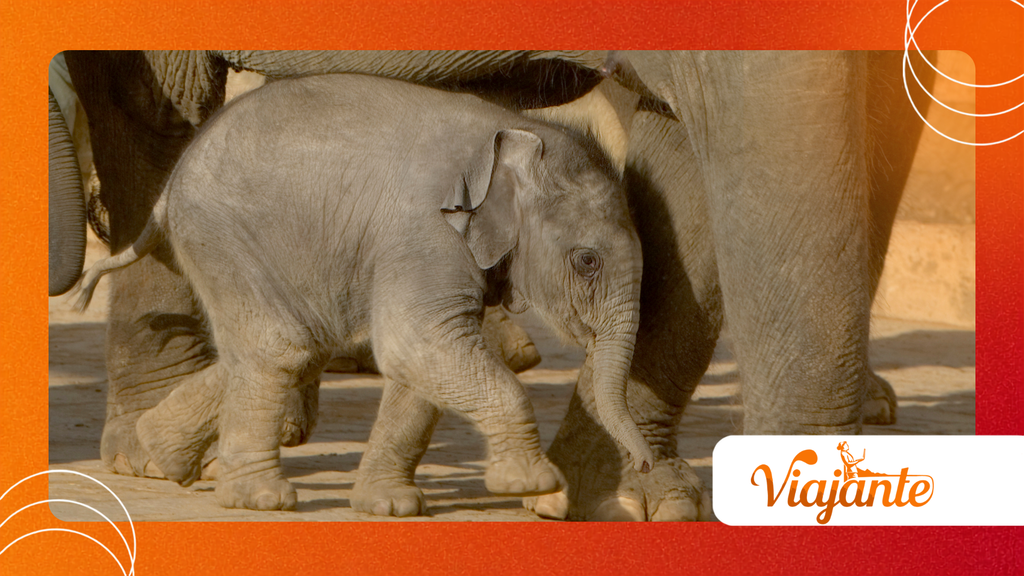
It targets blood vessels, moves fast, and overwhelmingly strikes young calves before their immune systems even know what hit them.
Without rapid intervention, a healthy calf can collapse in a matter of hours, making this disease one of the most urgent threats to the survival of Asian Elephants.
Veterinarians and field researchers aren’t just reacting anymore; they are racing the clock. Armed with rapid PCR diagnostics, field teams can now detect viral loads well before physical symptoms show up on the skin or tongue.
Catching it at this stage completely flips the odds, turning what used to be a quick death sentence into a manageable clinical emergency.
What follows is an honest look at how this pathogen operates, why isolated habitats make it worse, and what actual clinical tools are keeping calves alive today.
What Is EEHV and Why Is It Deadly?
At its core, Elephant Endotheliotropic Herpesvirus attacks endothelial cells—the delicate inner lining of blood vessels.
When these cells rupture, the vascular system leaks, causing massive internal hemorrhaging. For young Asian Elephants, this leads directly to rapid, fatal cardiac shock.
The numbers are harsh. Historical mortality exceeds 80% when the virus replication phase goes unnoticed. Calves between one and eight years old are sitting ducks because maternal antibodies fade before their own adaptive immunity has time to mature.
Experienced keepers watch for subtle red flags: a sudden dip in energy, a pale or bluish tongue, or slight swelling around the head.
A quick blood sample run through a portable PCR machine gives clinical teams a narrow window to push aggressive antivirals before the vascular collapse becomes irreversible.
Aqui está a estrutura com os 6 parágrafos redigidos em inglês, incluindo o título H2 e a presença da palavra-chave (Asian Elephants):
Protecting Asian Elephants Against EEHV Outbreaks

Elephant Endotheliotropic Herpesvirus represents a severe viral threat that attacks endothelial cells in young Asian Elephants, requiring rapid intervention to prevent sudden hemorrhagic shock.
Conservationists and veterinary teams utilize modern diagnostic tools to catch viral replication early, significantly boosting calf survival rates across managed habitats.
Fragmented forests and elevated environmental stress often trigger latent viral shedding, making routine monitoring essential for vulnerable juvenile herd members.
Expanding regional laboratory networks allows field researchers to process blood samples in hours rather than days, drastically improving treatment response times.
Combining targeted antivirals, plasma transfusions, and fluid therapy provides a concrete medical roadmap that turns previously fatal infections into survivable clinical cases.
Establishing sustained international funding and cross-border scientific collaboration ensures that future generations of young calves remain protected against devastating population losses.
How Does EEHV Threaten Endangered Populations?
Human expansion has chopped ancient migration corridors into fragmented forest islands. Confined to smaller pockets, herds experience higher social and environmental stress, which acts as a biological trigger for older elephants to shed the virus.
With fewer than 50,000 wild individuals surviving across Asia, losing even a handful of calves in a single season destroys generational recruitment. It isn’t just about losing individual animals; it shreds the genetic resilience of entire regional populations.
Sanctuary managers now treat routine viral surveillance as a baseline necessity rather than a luxury.
Catching latent strain reactivation before it spills over to young calves is often the only thing standing between a stable herd and a localized demographic crash.
Why Do Asian Elephants Need Urgent Protection Measures?
For years, remote field sites operated blindly without immediate diagnostic tools, losing critical days waiting for distant lab results. Expanding decentralized diagnostic networks across Southeast Asia has finally brought testing times down to a few hours.
At the same time, wildlife scientists are pushing forward with targeted mRNA vaccine candidates tailored for Asian Elephants.
Securing funding to move these formulations from lab trials to wild populations remains a bottleneck, but it represents the best long-term shield against hemorrhagic mortality.
Emergency response on the ground relies on structured, repeatable protocols: combining antivirals, plasma therapy, and fluid replacement.
Building regional medical depots means field vets actually have these supplies on hand when an outbreak flares up, instead of waiting on overseas shipments.
| Protection Metric | Historical Baseline | Current 2026 Target | Operational Impact |
| Diagnostic Speed | 48-72 Hours | Under 4 Hours | Enables early antiviral administration |
| Calf Survival Rate | Below 20% | Above 70% | Preserves vital juvenile demographics |
| Field Lab Network | Isolated Facilities | 18 Regional Hubs | Facilitates immediate sample processing |
| Vaccine Coverage | Experimental Phase | Active Herd Trials | Prevents severe viral hemorrhagic disease |
Which Medical Treatments Are Saving Young Calves Today?
Current treatment protocol centers on high-dose famciclovir paired with aggressive intravenous hydration to maintain blood pressure. Medical teams track platelet counts closely, as falling numbers give a clear signal of active vascular damage.
Transfusing plasma from healthy, mature herd members offers a vital boost of naturally occurring antibodies that neutralize circulating virus particles.
Insights shared by the World Wide Fund for Natur demonstrate how shared veterinary protocols have turned previously fatal infections into survivable cases.
Proactive health monitoring involves weekly trunk washes alongside quantitative blood tests. Screening non-invasively allows managers to catch viral shedding before an animal shows a single outward sign of illness.
When Should Conservation Teams Deploy Field Protocols?

The moment PCR testing flags elevated viral copy numbers, the emergency protocol starts—symptoms or no symptoms. Delaying treatment by even twelve hours drastically cuts the chances of saving an infected calf.
Seasonal shifts, droughts, and herd relocations push physiological stress levels up. Experienced field teams schedule intensified testing around these environmental transitions to catch spikes in viral activity before clinical cases appear.
Training local rangers to notice micro-changes in calf behavior creates an effective early warning system. Direct communication lines between field trackers and wildlife vets ensure medication arrives while it can still make a difference.
How Can Global Conservation Networks Scale Solutions?
Managing this threat requires cross-border transparency, especially when sharing genetic sequencing data between global labs. Standardizing testing materials across borders prevents misdiagnoses and keeps tracking accurate across international migration zones.
Dedicated emergency conservation funds allow rapid-response teams to deploy immediately during sudden localized outbreaks. Consistent funding avoids situation-critical shortages of costly antiviral treatments in remote areas.
Preserving these animals requires long-term commitment and shared technical resources across borders. Broad conservation frameworks outlined by the 國際自然保護聯盟 give field organizations a clear blueprint for building durable, landscape-scale health protections.
常見問題解答
What are the main symptoms of EEHV infection?
Initial indicators include lethargy, loss of appetite, subtle lameness, a bluish tongue, and swelling around the face or neck. The virus moves rapidly toward internal hemorrhaging without immediate medical intervention.
Can adult elephants contract EEHV?
Adults frequently carry and shed the virus without becoming ill. Their mature immune systems keep the infection in check, but they periodically pass the virus along to vulnerable young calves.
Is there a viable vaccine available for field use?
Researchers are conducting active trials on promising candidate vaccines aimed at preventing severe disease. Early data shows strong immune responses, signaling a potential shift in how herds are protected long-term.
Protecting young elephants from EEHV isn’t an abstract ideal; it requires precise diagnostics, fast medical supply lines, and sustained funding. Keeping these calves alive is the single most effective way to protect the future of the species.
\