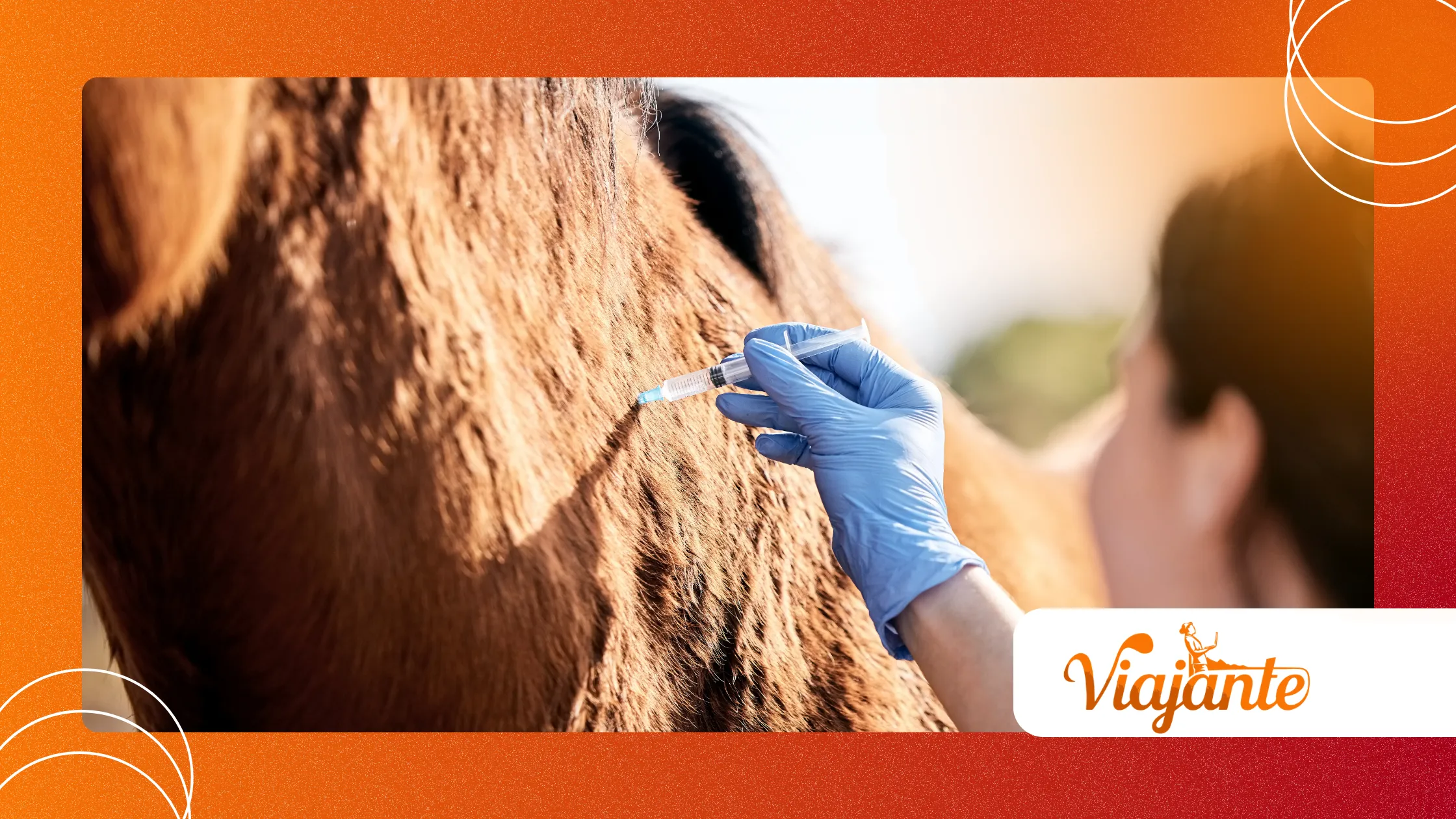
新出現的動物源性疾病:監測動物向人類的傳播

Global health security faces a quiet but profound shift as our ecosystems fracture. Understanding emerging zoonoses isn’t just an academic exercise in tracking biological data; it is an urgent baseline for intercepting pathogens before they reshape human history, trigger economic lockdowns, or upend modern infrastructure.
廣告
Biological boundaries are blurring faster than our monitoring systems can adapt. For a global workforce increasingly untethered from traditional offices—including remote specialists and digital nomads—these ecological shifts represent an unpredictable wildcard that can disrupt local economies and personal safety overnight.
This analysis bypasses the standard corporate health platitudes to dissect the mechanical realities of spillover, identify the viral wildcards demanding immediate attention, and critique the infrastructure tasked with protecting our collective future.
What Are Emerging Zoonoses and Why Do They Threaten Us?
A zoonotic spillover occurs when a pathogen successfully clears the evolutionary hurdles separating another species from our own. These are not ordinary infections; they represent entirely novel biological crises because our immune systems possess zero historical context or antibodies to fight them.
Wildlife reservoirs harbor an astonishing, unmapped catalog of viral strains capable of causing severe human morbidity. Because our modern world is intensely interconnected, a localized micro-outbreak in a remote ecosystem can realisticially cross oceans and become a global emergency in less than forty-eight hours.
Industrial agriculture, logging, and unchecked urban sprawl keep squeezing wildlife into shrinking, fragmented habitats. This forced proximity creates a volatile biological mixing pot, drastically increasing the daily contact rates between humans and unfamiliar pathogens.
Investing in proactive biosurveillance isn’t a luxury for wealthy nations—it is a foundational defense mechanism. Early detection prevents massive structural disruptions, safeguarding both public physical wellness and international economic stability before society is forced to react defensively.
How Does Animal-to-Human Transmission Actually Occur?
Direct exposure to infected blood, saliva, or waste products serves as the primary bridge for cross-species contamination. Agricultural laborers and wildlife handlers often absorb the highest initial risk, working face-to-face with livestock without realizing a pathogen has adapted.
Indirect transmission is more insidious, operating quietly through contaminated water systems, shared pasture soils, or surface contact.
Pathogens can linger in rural or semi-urban environments for days, waiting for an unwitting human host to break the chain of isolation.
Vector-borne pathways employ intermediate organisms like ticks, fleas, and mosquitoes to bridge the gap between deep wilderness and human civilization.
These vectors act as highly efficient biological transport networks, bringing emerging zoonoses straight into densely populated urban residential zones.
Inhalation of airborne respiratory droplets remains the most dangerous, highly volatile mechanism for rapid cross-species viral spread.
When an animal virus gains the capacity to travel through enclosed, crowded spaces, the timeline from a single spillover to community-wide transmission shrinks drastically.
Which Pathogens Require Urgent Surveillance Right Now?
Highly pathogenic avian influenza variants demand relentless scrutiny from veterinary and public health scientists. Recent mutations showing these avian viruses jumping into diverse mammalian populations are deeply concerning, signaling that the virus is actively solving the genetic puzzle of human adaptation.
Coronaviruses dwelling within wild bat colonies represent a permanent source of evolutionary wildcards. Instead of waiting for a crisis, researchers are working to systematically sequence these viral genomes to flag high-risk spillover candidates before they ever reach a human host.
Filoviruses like Ebola and Marburg trigger severe hemorrhagic fevers with devastating mortality rates that paralyze local health systems.
Tracking sudden, unexplained die-offs in wildlife populations provides an essential, life-saving early warning system for regional medical centers.
Arboviruses, including Zika and Dengue, are aggressively rewriting their geographical boundaries due to changing global climates.
Warmer, more humid seasons allow mosquito vectors to colonize entirely new territories, introducing severe health risks to completely unexposed, vulnerable populations.
Why Should Global Professionals Care About Spillover Risks?
Digital nomads and remote professionals frequently migrate to biodiverse, tropical regions in search of lifestyle flexibility. Understanding regional environmental health trends allows these independent workers to protect their well-being while navigating unfamiliar ecosystems.
Major infectious outbreaks rapidly degrade local digital infrastructure, strain healthcare access, and trigger sudden international travel restrictions. Keeping an eye on biological threats allows independent creators to build genuinely resilient, adaptable career contingency plans.
Long-term productivity and career growth in a decentralized economy depend entirely on foundational physical health stability. Prioritizing objective wellness education empowers remote professionals to explore global markets safely, confidently, and without unnecessary risks.
Robust public health tracking systems ultimately protect freelance supply chains by preventing systemic economic shutdowns. Staying informed about emerging zoonoses ensures that self-employed entrepreneurs can anticipate macroeconomic shifts rather than merely reacting to sudden lockdowns.
When Do Environmental Changes Accelerate Viral Mutation?
Deforestation drives displaced, highly stressed wildlife populations directly into human agricultural zones. This habitat fragmentation alters natural animal behaviors, causes spikes in viral shedding, and forces unprecedented interspecies interactions that favor viral evolution.
Shifting climate patterns alter vector breeding cycles and lengthen the seasonal windows for disease transmission. Extreme weather anomalies frequently compromise local sanitation networks, amplifying human exposure to waterborne pathogens across newly vulnerable regions.
Rapid urbanization creates highly compressed population centers immediately adjacent to previously untouched wild ecosystems. This reckless physical expansion builds a direct, high-speed bridge between deep wilderness pathogens and massive urban transmission networks.
Industrial livestock facilities often house thousands of genetically uniform animals in confined, high-density spaces. This artificial environment acts as a massive evolutionary accelerator, offering pathogens ideal conditions for rapid replication and continuous genetic mutation.
What Are the Best Modern Tools for Tracking Disease?
Next-generation genomic sequencing allows field researchers to decode and identify completely novel pathogens within hours of isolation. Mapping these microscopic genetic shifts helps epidemiologists predict potential transmission pathways with remarkable precision.
High-resolution satellite imagery monitors the subtle environmental degradations that routinely precede regional disease outbreaks. Anticipating vector population spikes gives public health agencies the rare opportunity to deploy preventative resources before a crisis hits.
Advanced machine learning algorithms process massive, disparate global health inputs to detect anomalous illness patterns early. These digital early warnings provide local authorities with the critical window needed to execute targeted containment protocols.
Wastewater surveillance has emerged as an invaluable, non-invasive method to measure community infection loads without individual clinical testing.
This approach catches circulating emerging zoonoses weeks before patients start filling regional hospitals or seeking formal medical diagnoses.
Which Global Frameworks Manage Cross-Species Health Threats?
The One Health framework deliberately breaks down the silos between human medicine, veterinary science, and environmental management.
International health regulations legally oblige member nations to report anomalous or highly aggressive pathogen behavior across borders immediately. Standardizing diagnostic protocols ensures that developing regions receive immediate technical and material support during sudden biological crises.
Global veterinary networks monitor livestock health to safeguard both food security and human populations. Widespread preventative vaccination programs for domestic animals establish a vital biological buffer, halting regional pathogen spread in its tracks.
Interdisciplinary research teams study high-risk human-wildlife conflict zones to map out specific behavioral risk factors. Educating local communities on safe animal handling practices dramatically reduces the statistical probability of accidental spillover events.
Real-World Monitoring Data and Impact
Quantifying historical transmission trends exposes the accelerating frequency of cross-species spillover events worldwide. These concrete metrics serve as a roadmap for allocating resources toward global surveillance and proactive public health readiness.
| Pathogen Type | Primary Animal Reservoir | Primary Transmission Route | Global Surveillance Priority Level |
| Avian Influenza (H5N1) | Wild Birds / Mammals | Respiratory / Direct Contact | Critical / High Mutation |
| Mpox (Clade Ib) | Rodents / Primates | Direct Contact / Droplets | High / Regional Outbreaks |
| Nipah Virus | Fruit Bats | Food Contamination / Fluids | Severe / High Mortality |
| Lassa Virus | Mastomys Rats | Aerosol / Contact with Excreta | Moderate / Endemic |
How Can We Prevent Future Pandemic Spillovers?

Upgrading biosecurity infrastructure at live animal markets reduces cross-contamination risks immensely. Enforcing strict sanitation standards prevents highly stressed, diverse species from mixing in environments that encourage viral recombination.
Rewilding fractured ecosystems helps stabilize natural wildlife behaviors and naturally dampens elevated viral shedding. Intact, healthy habitats keep wild populations isolated from expanding human agricultural borders and residential developments.
Supporting targeted, community-led conservation programs empowers indigenous populations to protect natural ecological boundaries. These baseline practices significantly reduce close contact with wildlife, lowering the global frequency of emerging zoonoses.
Investing in flexible, plug-and-play vaccine platforms accelerates our medical response timelines to novel viral threats. Developing adaptable therapeutic countermeasures ensures rapid protection when unexpected cross-species transmission events break through our primary defenses.
+ Killer Cheerleader: High School Legend or Misogyny?
What Role Do Communities Play in Bio-Surveillance?
Local citizens serve as vital frontline observers by tracking and reporting unusual wildlife mortalities to environmental authorities. Early, ground-level citizen science reporting accelerates public health interventions long before a pathogen spreads into wider populations.
Targeted educational campaigns teach rural communities how to interact with livestock safely during regional outbreaks. Minor behavioral adjustments minimize direct exposure to potentially infectious animal fluids, tissues, and waste products.
Indigenous knowledge systems offer profound, long-term insights into animal migration shifts and deeper ecosystem health indicators. Integrating these historical observations improves our predictive modeling for potential zoonotic spillover events.
The reality of managing biological spillover risks demands sustained, unglamorous global cooperation and strict ecosystem preservation. Protecting our planet’s remaining natural habitats functions as humanity’s primary line of defense against novel infectious threats.
For remote professionals and global citizens, tracking these health updates is a matter of practical career and personal resilience. True awareness cuts through sensationalism, allowing for informed decisions regarding international travel, regional living, and daily lifestyle habits.
Comprehensive monitoring frameworks protect our modern way of life from the quiet, relentless pace of viral evolution. To analyze deep medical data and peer-reviewed clinical findings, readers can access The Lancet Infectious Diseases journal online.
Frequently Asked Questions
What is the main cause of zoonotic spillover?
Habitat destruction, industrial logging, and the intensive wildlife trade drive zoonotic spillover by forcing displaced wild animals into close contact with human communities, making it easier for pathogens to cross species barriers.
How do scientists identify new animal viruses?
Field researchers utilize advanced genomic sequencing and routine serological sampling of high-risk wildlife populations to discover novel pathogens and track genetic mutations that indicate potential human adaptation.
Why does climate change affect disease spread?
Rising global temperatures alter traditional vector habitats, allowing mosquitoes, ticks, and other organisms to migrate into new geographic regions and expose previously uninfected human populations to unfamiliar pathogens.
How can individuals minimize transmission risks?
Practicing rigorous personal hygiene, avoiding unprotected contact with wild or unfamiliar animals, and keeping vaccinations up to date establishes a strong baseline defense against circulating environmental pathogens.
\