
The Mystery of Deep Ocean Mud Volcanoes Explained
Beneath thousands of meters of cold seawater, vast geological structures quietly shape our planet’s crust by venting pressurized mud, methane gas, and deep subterranean minerals directly onto the dark ocean floor.
廣告
Understanding these abyssal phenomena reveals critical geological mechanisms, offering researchers invaluable insights into carbon cycling, natural hazard monitoring, and the complex extreme environments that thrive around deep sea hydrothermal systems without sunlight.
In this comprehensive guide, we unpack the mechanics of marine eruptions, examine real oceanographic discoveries, analyze key methane discharge metrics, and address the most frequent questions about subsea geological structures.
What Is a Deep Ocean Mud Volcano and How Does It Form?
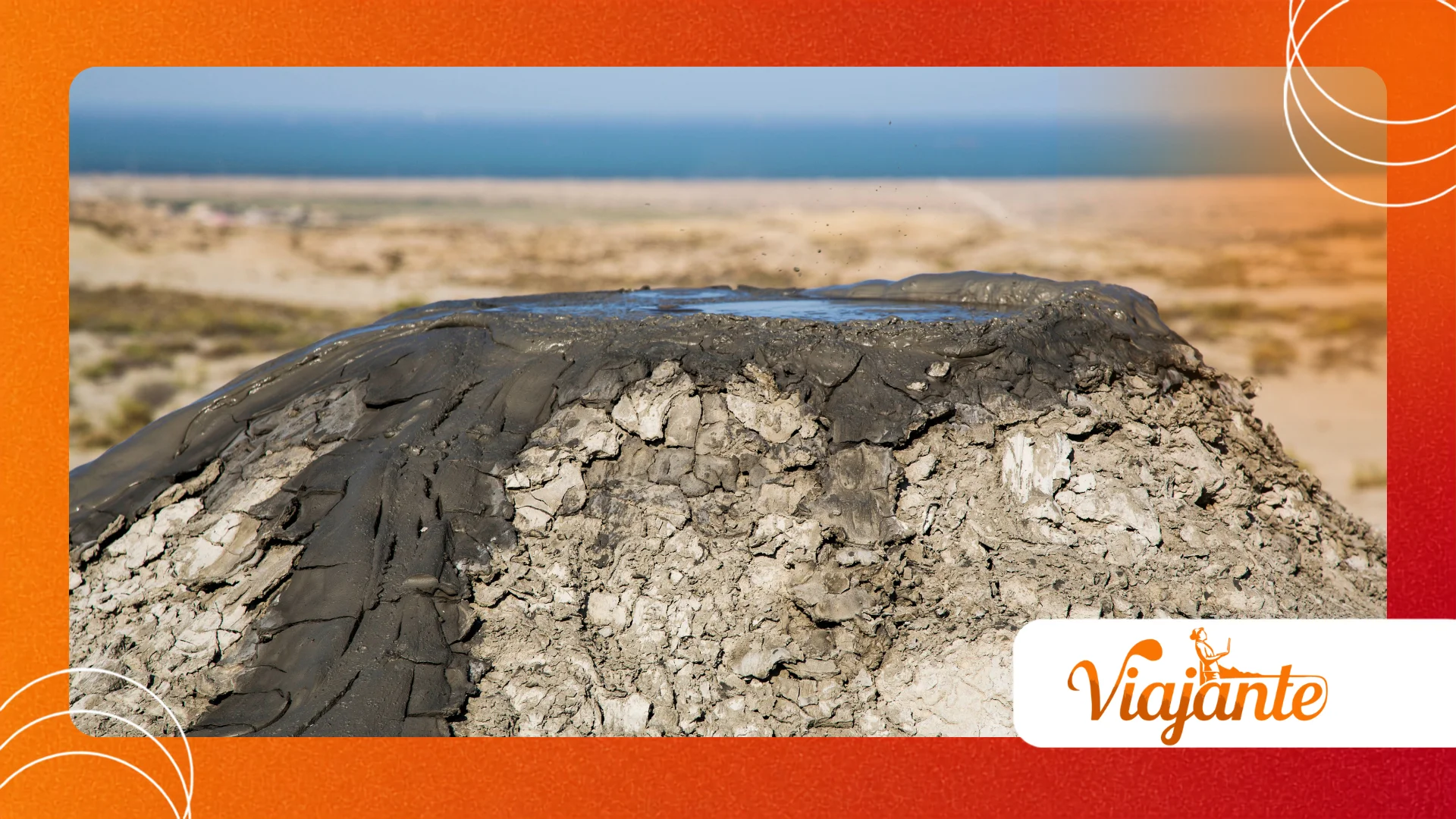
Geologists identify these submarine structures as geological formations created when pressurized fluids, fine sediment, and hydrocarbon gases breach the sea floor from subterranean reservoirs deep within Earth’s sedimentary crust.
Unlike magmatic edifices that spew molten lava, these abyssal features expel slurry mixtures driven by intense pore pressure, organic material decay, and tectonic compression at convergent tectonic plate boundaries.
Over long geological epochs, continuous mud breccia emissions construct massive conical mounds on seabed margins, providing marine scientists with direct physical samples from depths exceeding ten kilometers underground.
How Does Subsea Pressurization Drive Deep Ocean Mud Eruptions?
Tectonic plate subduction subjects ancient ocean sedimentary layers to extreme thermal conditions and massive overburden pressures, effectively trapping fluid water and methane gas inside fine-grained underground formations.
When localized pore fluid pressure exceeds the overburden pressure of overlying marine sediment, weak fault lines fracture, unleashing a rising column of liquefied mud toward the benthic seabed floor.
As these slurry columns reach the abyssal plain, pressure drops rapidly, letting gas expand dynamically and depositing thick layers of sediment that continuously reshape underwater topography over century-long cycles.
Why Are Submarine Mud Eruptions Vital for Marine Carbon Cycles?
Oceanographers monitor these bathymetric sites because they represent significant conduits for volatile methane gas escaping from hydrocarbon reservoirs into surrounding bottom seawater and oceanic ecosystems.
Specialized chemosynthetic microbes flourish around marine methane vents, converting chemical energy into rich biological biomass without sunlight and supporting unique deep ocean ecosystems near cold seep zones.
Through careful monitoring of subterranean gas discharge rates, researchers accurately map global carbon budgets and evaluate natural methane release mechanisms operating beneath deep marine sedimentary basins.
How Are Subsea Pressure Systems Revealed on the Ocean Floor?
Oceanographers utilize advanced multibeam sonar systems to map complex seabed structures, ensuring Deep Ocean Mud Volcanoes Explained through precise bathymetric data collected from active continental margins worldwide.
By analyzing core samples collected from subsea mounds, marine researchers reconstruct underground fluid movements, shedding light on the physical forces that continuously shape submerged sedimentary basins around deep oceanic trenches.
These acoustic profiles help geologists trace subterranean migration pathways, demonstrating how high-pressure methane gas drives mineral slurry mixtures through active tectonic faults toward the dark abyssal plain above.
Understanding these detailed geophysical mechanisms allows planetary scientists to accurately model global benthic carbon storage, assess subsea slope stability hazards, and evaluate extreme biological ecosystems thriving across lightless environments.
Which Deep Ocean Mud Volcanoes Are Currently Studied by Oceanographers?
Scientific expeditions frequently investigate notable submarine geological structures like the Håkon Mosby field in the Barents Sea, alongside the extensive Mariana Trench mud features near subduction zones.
These distinct geological formations provide oceanographic vessels with natural windows into deep subterranean physical processes, allowing active sampling of subsurface fluid chemistry and extreme microbial biodiversity.
Oceanographic surveys using remote submersibles reveal distinct physical dimensions, varying eruption mechanics, and unique gas discharge rates across major global deep ocean mud features documented worldwide.
| Feature Name | Location & Depth | Primary Ejected Materials | Geological Significance |
| Håkon Mosby | Barents Sea (1,250 m) | Methane gas, fine mud, gas hydrates | Major cold seep ecosystem research site |
| Yuma Structure | Mediterranean Sea (2,000 m) | Brine fluids, mud breccia, methane | Key indicator of active Mediterranean subduction |
| Yin-Fei Mound | Mariana Forearc (4,000 m) | Serpentinized mud, fluid alkalis | Direct window into upper mantle fluid transport |
| Ginsburg Vent | Gulf of Cadiz (1,100 m) | Hydrocarbon fluids, clay slurry | Critical marker for deep Atlantic tectonic faulting |
Researchers routinely analyze these oceanic structures using advanced deep-sea equipment maintained by institutes like the 美國國家海洋暨大氣總署, establishing vital benchmark data for deep-water marine science.
Why Are Deep Ocean Mud Volcanoes Explained by Marine Scientists Today?
Oceanographic institutes prioritize Deep Ocean Mud Volcanoes Explained through empirical research because these benthic structures act as natural pressure valves for trapped subterranean gases, methane hydrates, and deep sediment slurries.
Continuous monitoring of subsea venting offers critical data regarding crustal deformation, allowing geophysicists to map fault lines accurately and predict slope instability across geologically active continental margins worldwide.
Furthermore, analyzing chemical emissions from these fluid features helps researchers measure global carbon flux, revealing how much methane escapes from subterranean reservoirs into oceanic water columns each year.
Finally, these unique geological formations foster complex chemosynthetic ecosystems, providing scientists with valuable insights into extreme biological adaptation and metabolic survival mechanisms without sunlight on abyssal sea floors.
When Do Deep Sea Mud Eruptions Trigger Marine Geohazards?
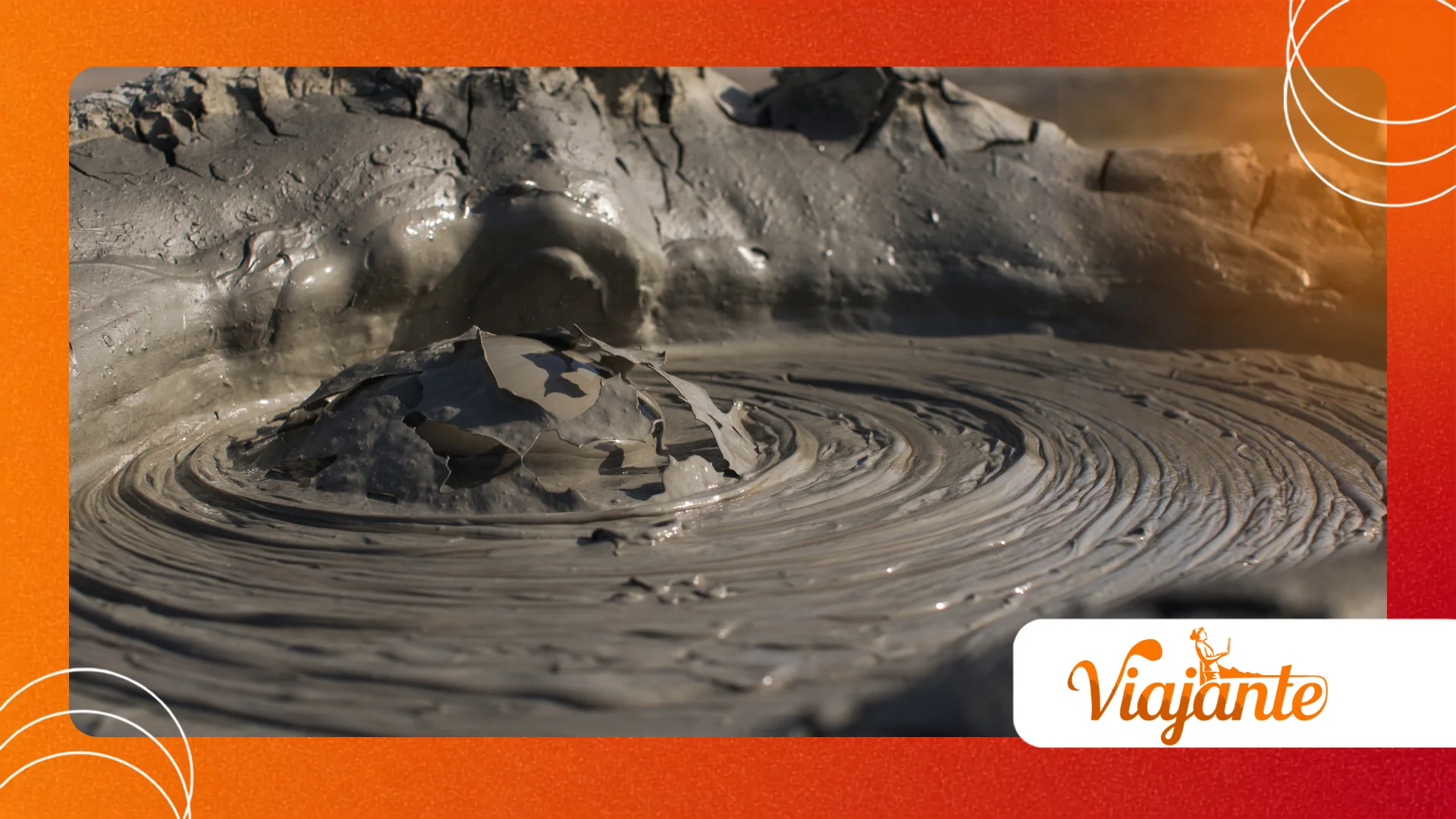
Subterranean fluid buildups occasionally destabilize slope sediments on continental margins, triggering massive underwater landslides that can potentially damage underwater telecommunication infrastructure and subsea power cables.
Seismologists continually evaluate benthic slope stability near active hydrocarbon basins to predict potential seafloor shifting before deploying subsea commercial pipelines or complex marine deep-water drilling platforms.
Continuous monitoring of deep sea mud eruptions allows geologists to identify precursor pressure surges, ensuring safer marine operations across geologically active oceanic basins worldwide.
What Are the Main Differences Between Magmatic and Mud Volcanoes?
Magmatic structures originate from rising silicate magma generated within Earth’s mantle, producing high-temperature lava flows, explosive ash clouds, and igneous rock formations upon cooling.
Conversely, underwater fluid edifices eject cool mud slurries, organic gas, and mineralized water driven entirely by physical overburden pressure and hydrocarbon gas expansion within deep sedimentary basins.
Understanding these contrasting formation processes clarifies how internal Earth forces distribute minerals, shape ocean floors, and drive biological evolution in lightless deep ocean environments.
結論
Deciphering the underlying mechanics of subterranean fluid vents remains fundamental for modern geology, expanding human understanding of subsea dynamic processes, global carbon storage, and specialized benthic marine life.
As advanced oceanographic technology improves subsea exploration, researchers will gain even clearer insights into how subterranean pressure networks influence long-term planetary evolution and global oceanic health.
To explore ongoing deep-sea research initiatives, visit the official marine science portals hosted by the 美國地質調查局 for authoritative geological reports and environmental updates.
常見問題解答
What is the primary cause of deep ocean mud eruptions?
Overburden pressure from sediment accumulation combined with trapped hydrocarbon gas expansion forces underground mud slurries upward through structural faults in Earth’s deep sedimentary crust.
Do subsea mud eruptions release molten lava?
No, these geological features eject liquefied mud breccia, gases, and mineralized fluids at low temperatures, unlike magmatic volcanoes that discharge molten silicate lava from deep Earth layers.
Can marine mud features support underwater marine life?
Yes, methane and chemical compounds emitted by these features nourish specialized chemosynthetic bacteria, forming the foundational base of complex ecosystems thriving in extreme deep ocean environments.
How do geologists discover underwater fluid vents?
Marine researchers locate subsea structures using advanced multibeam sonar mapping, seismic reflection profiling, and high-resolution video observations captured by specialized remotely operated submersibles.
\