
Why Abandoned Village Urban Legends Are Trending Again
Eerie digital folklore and forgotten settlements are having a quiet cultural moment. Across algorithmically curated feeds, ruins that sat silent for decades are suddenly pulling millions into late-night rabbit holes.
廣告
The viral resurgence of abandoned village urban legends isn’t just about jump scares or cheap thrills. It marks a shift in how we process collective anxiety, historic trauma, and our increasingly fragile relationship with the physical world.
Below is an unvarnished look at the social dynamics, documented ruins, digital travel subcultures, and psychological triggers driving this phenomenon.
What Are Abandoned Village Urban Legends in Modern Digital Culture?
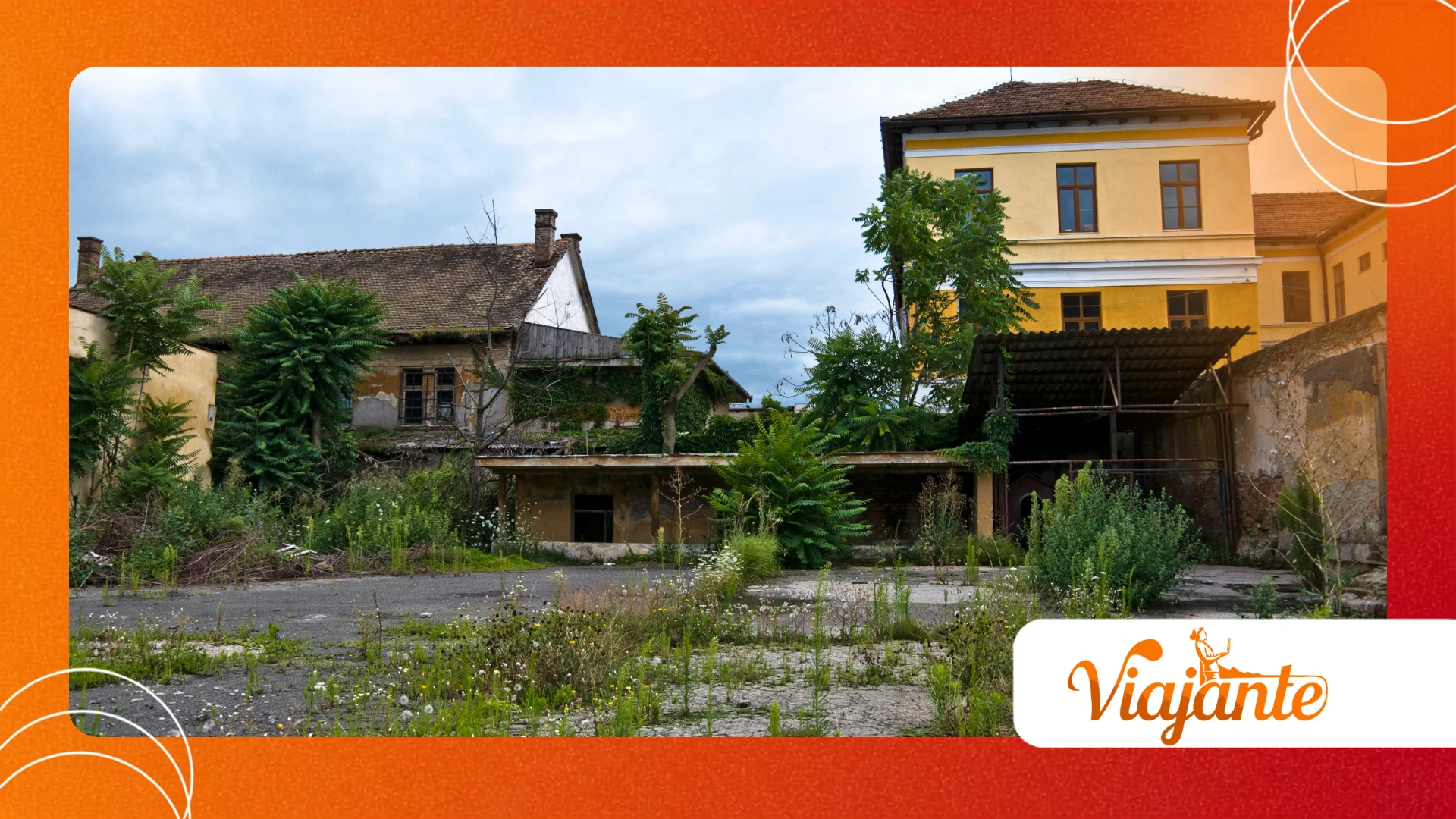
At their core, these modern myths sit right at the intersection of documented regional history and collective online speculation. They aren’t simple ghost stories told around a campfire anymore; they are interactive, crowdsourced digital mysteries built around real architectural decay.
When a remote settlement empties out, something strange happens to the human memory. Internet communities step into the void, filling quiet streets with speculative lore, untangling local tragedy, and turning physical geography into shared online performance.
Places like Japan’s Hashima Island or France’s Oradour-sur-Glane offer stark, haunting visual backdrops. They serve as open canvases where digital creators project eerie narratives that hook viewers far longer than standard studio horror ever could.
The reason abandoned village urban legends strike such a nerve comes down to basic human psychology: our minds naturally recoil from empty, decaying structures, searching for hidden meaning in spaces where life abruptly stopped.
Why Are Uninhabited Settlement Myths Gaining Massive Viral Traction Online?
Short-form video algorithms feed on unresolved mystery and visual contrast. A crumbling doorway framed by overgrown vines, paired with low-frequency ambient audio, signals instant narrative tension to systems built to track watch time.
Urban explorers and independent creators quickly realized that walking quietly through ghost towns generates raw, unfiltered engagement.
Viewers don’t just watch these clips—they debate the history, challenge rumors, and analyze background frames in comment sections. Archival research and field studies preserved by the 史密森學會
reveal a long-standing pattern: official historic preservation frequently overlaps with local folklore, feeding public fascination with forgotten places.
Decaying concrete and rusted iron tell a blunt truth about economic collapse, displacement, or environmental damage. These ruins aren’t just spooky set pieces; they stand as uncomfortably quiet mirrors for contemporary anxieties about modern societal stability.
Which Real-World Abandoned Villages Drive the Most Online Search Interest?
A handful of uninhabited locations consistently dominate global searches, kept alive by tragic histories, striking architectural bones, and persistent local rumors.
| 地點名稱 | 國家 | Primary Abandonment Reason | Current Cultural / Online Status |
| Hashima (Gunkanjima) | 日本 | Coal Mine Closure (1974) | UNESCO Site & Viral Film Location |
| Oradour-sur-Glane | 法國 | World War II Tragedy (1944) | Preserved Memorial & Historical Museum |
| Kadykchan | 俄羅斯 | Post-Soviet Industrial Collapse | Remote Ruin & Extreme Exploration Hub |
| Craco | 義大利 | Natural Disaster / Landslides | Historic Landmark & Cinematic Set |
| Bodie | 美國 | Gold Rush Depletion | State Historic Park & Ghost Town |
Behind every viral ghost town sits a paper trail of genuine economic failure, political upheaval, or sudden disaster. Mythologies flourish precisely because the historical bedrock beneath them is undeniably real.
Managing these sites today requires a delicate balance. Preservation groups routinely step in to reinforce structural integrity, manage tourist foot traffic, and draw clear lines between verified historical record and internet sensationalism.
How Does Dark Tourism and Digital Exploration Impact Physical Ruins?
Digital visibility carries a heavy physical cost. When an obscure settlement trends online, thousands of off-grid travelers follow, placing immense strain on fragile historic masonry and small local municipalities unprepared for sudden influxes of visitors.
Nearby rural towns often find themselves caught in an awkward position—welcoming small-business tourism revenue while quietly battling vandalism, structural trespass, and emergency rescue demands from ill-prepared explorers.
Visiting historical ruins demands basic restraint. Sustainable travel advocates consistently urge travelers to stick to authorized tours rather than forcing entry into restricted, structurally unstable buildings for social media content.
Documenting abandoned village urban legends responsibly means treating forgotten locations as historic sites rather than disposable background sets, honoring the real human lives that once built them.
When Did Social Media Algorithms Start Amplifying Ghost Town Folklore?
The shift happened when major video platforms updated their recommendation engines to prioritize video retention over simple clicks. Immersive atmospheric walking tours suddenly held viewers far longer than scripted, highly produced content.
Creators quickly adapted, trading polished studio setups for handheld cameras and long, quiet takes inside empty structures. The raw simplicity of these videos made viewers feel like active participants in a real-time investigation.
Mainstream entertainment streaming services amplified the trend further, releasing investigative docuseries on unsolved regional folklore, abandoned infrastructure, and historical mysteries across the globe.
Today, armchair investigators don’t just watch videos—they use high-resolution satellite imagery, public tax records, and digitized historical archives to map out remote ruins directly from their living rooms.
What Are the Psychological Factors Driving Our Obsession With Ruin Myths?
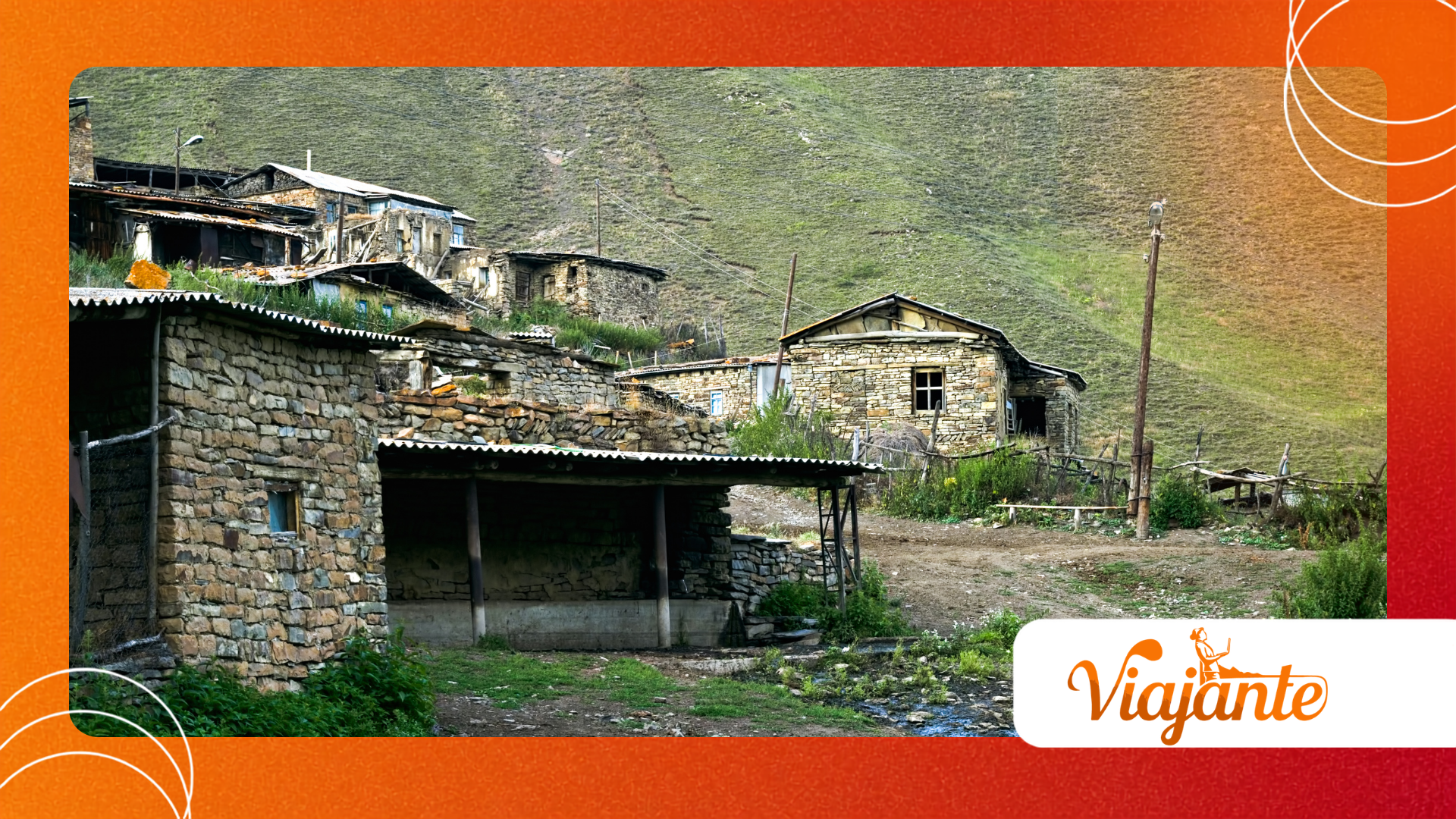
There is something unsettling about walking through a place where daily life simply stopped. Ruins trigger a sharp sense of temporal dissonance, confronting us directly with mortality and the temporary nature of everything we build.
Seeing once-booming industrial towns or ancient farming hamlets swallowed by forest growth hits a specific cultural nerve.
It reminds us that our own bustling modern cities rely on systems far more fragile than we care to admit. Cognitive studies archived by the 美國國立衛生研究院
indicate that engaging with suspenseful narrative media offers a controlled environment for processing ambient, real-world anxiety.
探索 abandoned village urban legends through a screen provides a safe, structured container for fear. It lets us touch the unknown, peek into forgotten corners of history, and walk away completely unharmed.
Strategic Insights for Content Creators and Digital Researchers
Analyzing viral folklore requires a steady hand. Creators looking to build lasting credibility must navigate these stories with historical rigor, ethical field habits, and respect for local communities.
- Prioritize primary historical records and municipal documentation before diving into regional folklore or viral theories.
- Respect property boundaries and actively discourage illegal trespassing across all published materials and video descriptions.
- Frame atmospheric content around genuine historical education rather than sensationalized, unverified claims.
- Cross-reference geographical coordinates and historic timelines with local historical societies and verified government registries.
Maintaining high editorial standards separates clickbait from enduring, authoritative coverage, building deep trust with readers while establishing long-term search engine authority.
Understanding why abandoned village urban legends capture our imagination allows researchers and creators to tell richer stories—stories that respect the past while dissecting our current digital culture.
常見問題解答
Are abandoned village urban legends based on real historical events?
Most viral myths trace back to documented events like industrial collapses, wars, or natural disasters, though internet narratives frequently add speculative layers over time.
Why do digital media platforms recommend ghost town content so frequently?
High viewer retention, long watch times, active comment debates, and strong visual contrast trigger recommendation engines to feature ghost town content heavily across user feeds.
Is it legal to visit real-world abandoned villages featured online?
Legality varies widely by region. While several sites operate as managed historic parks, many physical ruins sit on private or protected land where unauthorized entry is illegal.
How do online creators verify facts behind regional settlement myths?
Serious researchers consult local municipal archives, historical property records, academic publications, and official regional preservation boards to separate documented history from internet rumor.
Why do structural ruins decay so rapidly after human abandonment?
Without ongoing maintenance, buildings deteriorate quickly. Unchecked roof leaks, annual freeze-thaw cycles, invasive vegetation growth, and unchecked foundation erosion break down structures in a matter of years.
Our fascination with empty settlements isn’t going away anytime soon. As our daily lives migrate further into digital spaces, those silent, weather-beaten ruins on our screens serve as quiet reminders of the real world we left behind—and the stories that refuse to stay buried.
\