
Oral Microbiome and Systemic Disease: The Latest Research
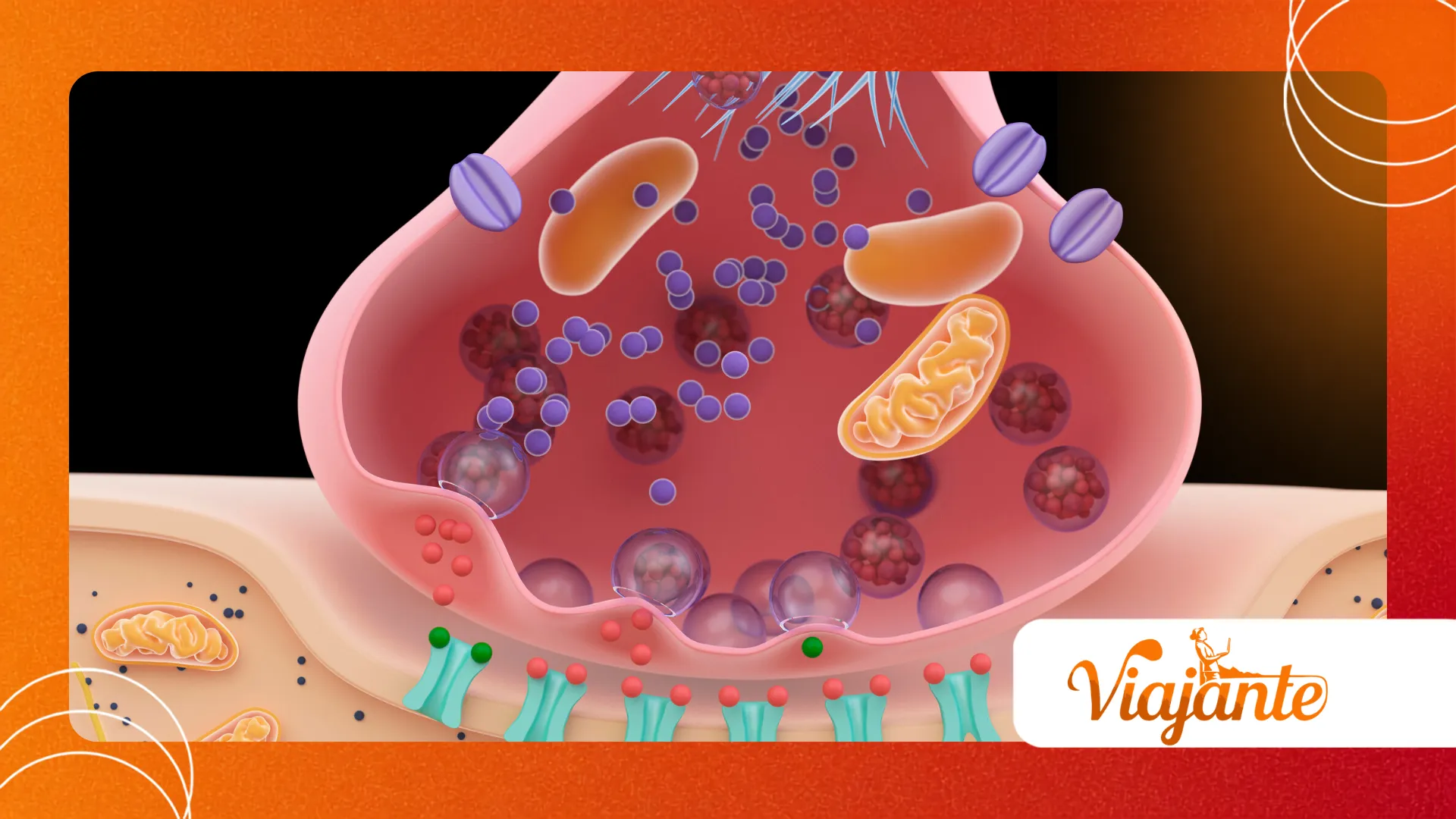
The human mouth harbors more than 700 microbial species, operating less like a simple digestive entry point and more like a crowded, volatile ecosystem.
Anúncios
Viewing the Oral Microbiome and Systemic Disease relationship through this lens clarifies a sobering reality: local microbial imbalances rarely stay local, frequently stoking chronic inflammation throughout the entire body.
When oral pathogens slip past bleeding gums, they do not simply circulate quietly. They dump inflammatory toxins directly into systemic blood flow, subtly altering metabolic pathways and distant organ function long before clear clinical symptoms surface
This biological cross-talk links mouth bacteria to cardiovascular risks, metabolic friction, cognitive decline, and autoimmune triggers. Understanding these microbial pathways offers a pragmatic edge in preventive health.
Which Specific Biomarkers in the Mouth Signal Early Gut and Digestive Inflammation?
Salivary protein profiles and oral tissue biomarkers frequently register systemic digestive distress long before gastrointestinal symptoms fully manifest.
Specific inflammatory cytokines, such as interleukin-1 beta and tumor necrosis factor-alpha, elevate within oral mucosal fluid when intestinal barrier integrity begins to break down.
This early molecular response creates a measurable diagnostic window for detecting conditions like Crohn’s disease and ulcerative colitis through non-invasive oral swabs.
Disruptions in mucosal bacterial diversity mirror intestinal dysbiosis, allowing clinicians to track systemic digestive autoimmune activity and evaluate treatment efficacy without relying solely on invasive endoscopic procedures.
What is the Oral Microbiome and Systemic Disease Connection?
Think of the oral ecosystem as a high-density microbial border zone. Under balanced conditions, resident commensal bacteria maintain a stable protective wall that suppresses aggressive, opportunistic invaders.
Problems start when poor hygiene, processed diets, or unmanaged stress tip this equilibrium toward dysbiosis. As destructive species multiply, they secret proteolytic enzymes that degrade soft tissue and weaken the supporting bone structure.
Consider Porphyromonas gingivalis, a primary driver of periodontitis that produces specialized proteases called gingipains.
These destructive enzymes chew through local endothelial barriers, allowing bacteria to enter the bloodstream and travel to distant organs.
Once inside circulation, surface bacterial lipopolysaccharides ignite persistent, low-grade inflammatory responses.
Clinical research confirms that Oral Microbiome and Systemic Disease progression relies on this steady leakage of pro-inflammatory signals into general blood flow.
++ Bitkisel Beslenme Hakkında Bilmeniz Gerekenler
How Does Oral Dysbiosis Impact Cardiovascular and Metabolic Health?
Cardiovascular disease exhibits a strikingly direct relationship with chronic gum infections. Specific oral bacteria readily adhere to arterial walls, accelerating atherosclerotic plaque accumulation and stiffening vascular tissue over time.
Pathogens drive foam cell accumulation inside blood vessels, raising acute cardiac event risks. Clinical interventions show that resolving periodontal inflammation measurably lowers systemic vascular markers like C-reactive protein.
++ Çevre Dostu Adet Ürünleri: Sağlık ve Sürdürülebilirlik
| Primary Oral Pathogen | Target Organ / System | Primary Pathological Mechanism | Associated Systemic Condition |
| Porphyromonas gingivalis | Vascular Endothelium | Gingipain secretion, endothelial breach | Atherosclerosis, Hypertension |
| Fusobacterium nucleatum | Gastrointestinal Tract | Epithelial barrier disruption, dysbiosis | Colorectal inflammation, IBD |
| Treponema denticola | Central Nervous System | Crosses BBB, amyloid plaque formation | Cognitive decline, Alzheimer’s |
| Streptococcus mutans | Heart Valves & Arteries | Biofilm formation on vascular tissue | Infective Endocarditis |
Metabolic health shares a similar, highly reactive, bidirectional dynamic with oral bacteria. Uncontrolled gum inflammation worsens systemic insulin resistance, complicating daily blood sugar management for diabetic individuals.
Conversely, elevated blood glucose changes salivary composition, creating an ideal breeding environment for aggressive periodontal pathogens.
Breaking this cycle requires treating oral hygiene and metabolic health as interconnected systems rather than isolated issues.
Updated clinical trials indexed by the Ulusal Sağlık Enstitüleri emphasize how targeted periodontal therapy improves broader systemic vascular markers.
Why are Neurological and Autoimmune Conditions Influenced by Mouth Bacteria?
Neurodegenerative disorders reveal some of the most unsettling structural links to chronic oral infections. Post-mortem brain tissue analyses from Alzheimer’s patients regularly turn up Porphyromonas gingivalis enzymes.
These bacterial toxins cross the blood-brain barrier inside tiny outer membrane vesicles, directly damaging neuronal structures.
Persistent neural exposure to these lipopolysaccharides drives sustained neuroinflammation, speeding up cognitive decline and protein aggregation.
Autoimmune reactions also flare when oral dysbiosis remains unchecked. Certain periodontal bacteria citrullinate host proteins, confusing immune surveillance and prompting the body to attack its own healthy tissues.
Rheumatoid arthritis severity often mirrors the volume of pathogenic mouth bacteria present. Reducing this oral bacterial burden tempers autoantibody production, offering meaningful relief for affected joint tissues.
Recognizing the Oral Microbiome and Systemic Disease dynamic allows clinicians to spot systemic vulnerabilities early through non-invasive salivary screening tests.
Which Lifestyle Practices Effectively Restore Oral Microbial Equilibrium?
Restoring microbial balance requires a strategy far more nuanced than simply scrubbing teeth harder. Daily interdental cleaning breaks up stubborn bacterial biofilms that toothbrush bristles miss entirely.
- Cut refined sugars: Simple carbohydrates rapidly feed acid-producing microbes, accelerating enamel breakdown and localized tissue inflammation.
- Add fermented foods: Probiotic-dense diets introduce beneficial strains that actively compete with and suppress pathogenic microbes.
- Maintain hydration: Healthy salivary flow delivers protective immunoglobulins and natural enzymes that neutralize bacterial toxins around the clock.
- Skip alcohol-based mouthwashes: Harsh antiseptic rinses clear out beneficial, nitric-oxide-producing microbes alongside the harmful ones, disrupting vascular balance.
Regular professional cleanings strip away calcified tartar deposits that shield deeply rooted pathogenic colonies. Pairing clinical care with smart daily habits keeps oral bacteria from regularly escaping into your bloodstream.
How Does the Oral Microbiome Influence Respiratory Health and Lung Function?
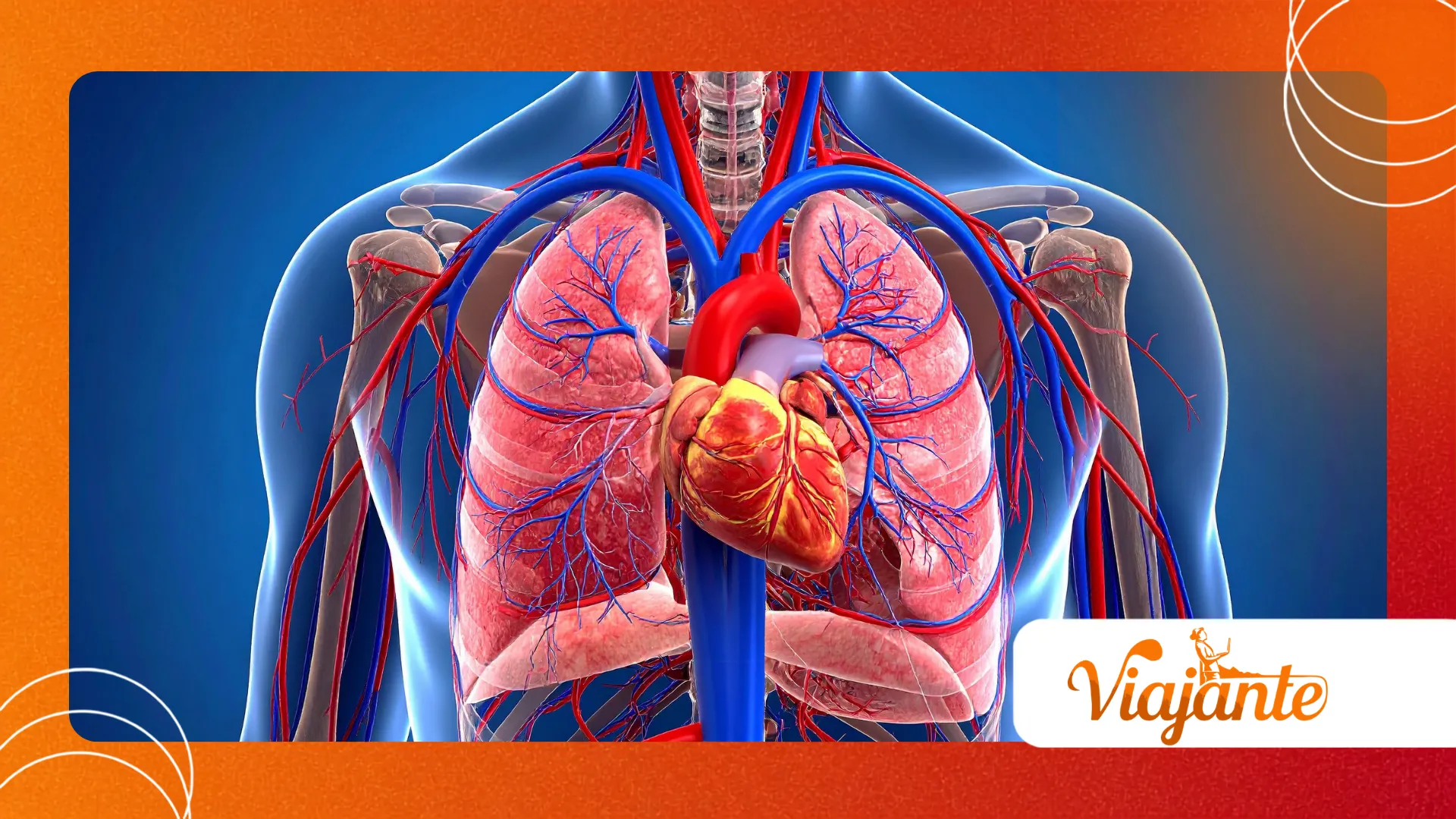
Aspiration of harmful oral bacteria into the lower respiratory tract poses a direct threat to pulmonary tissue, particularly in individuals with compromised immune defenses or chronic lung conditions.
Microscopic droplets carrying pathogens like Streptococcus pneumoniae Ve Porphyromonas gingivalis travel downward from the oral cavity during normal sleep cycles, setting off inflammatory cascades deep within bronchial structures.
This continuous microbial transport destabilizes the delicate pulmonary microenvironment, accelerating tissue damage and impairing local immune clearance mechanisms.
Clinical studies link severe periodontal disease to frequent exacerbations of chronic obstructive pulmonary disease (COPD) and elevated risks of hospital-acquired pneumonia.
Treating deep periodontal pockets significantly lowers pathogenic bacterial loads in the throat, creating an essential biological buffer that protects lung tissue from recurrent inflammatory insults.
++ Sağlıklı Yaşamda Kurutulmuş Fonksiyonel Mantarların Kullanımında Artış
What Are the Latest Clinical Innovations in Oral Diagnostics?
Modern dentistry is moving steadily toward personalized salivary diagnostics. Genomic sequencing tools now detect subtle shifts in bacterial strains well before physical inflammation becomes obvious to the naked eye.
Targeted antimicrobial photodynamic therapies can break apart pathogenic biofilms while leaving helpful commensal species intact.
For updated preventive guidelines on inflammatory conditions, clinicians routinely reference resources from the Hastalık Kontrol ve Önleme Merkezleri.
Customized oral probiotics are also emerging as a reliable tool to support natural microbial balance. These targeted approaches minimize systemic inflammatory risks while keeping local defense mechanisms intact and functioning properly.
Taking care of your mouth is ultimately an investment in whole-body longevity. Keeping oral bacteria in check gives your immune system a break and protects your vital organs from preventable, long-term inflammatory stress.
Sıkça Sorulan Sorular (SSS)
How quickly can oral bacteria enter the bloodstream?
Oral bacteria can cross into the bloodstream in seconds through tiny micro-bleeds caused by hard brushing, flossing inflamed tissue, or routine dental procedures.
Can treating gum disease reverse systemic inflammation?
Yes, clinical trials show that clearing up periodontal infections significantly reduces systemic inflammatory markers like C-reactive protein within a few months.
Are commercial mouthwashes damaging to the oral microbiome?
Alcohol-based antiseptic mouthwashes can disrupt your oral microbiome by indiscriminately killing off beneficial bacteria needed for healthy blood pressure regulation.
\