
Древняя цивилизация, исчезнувшая бесследно.
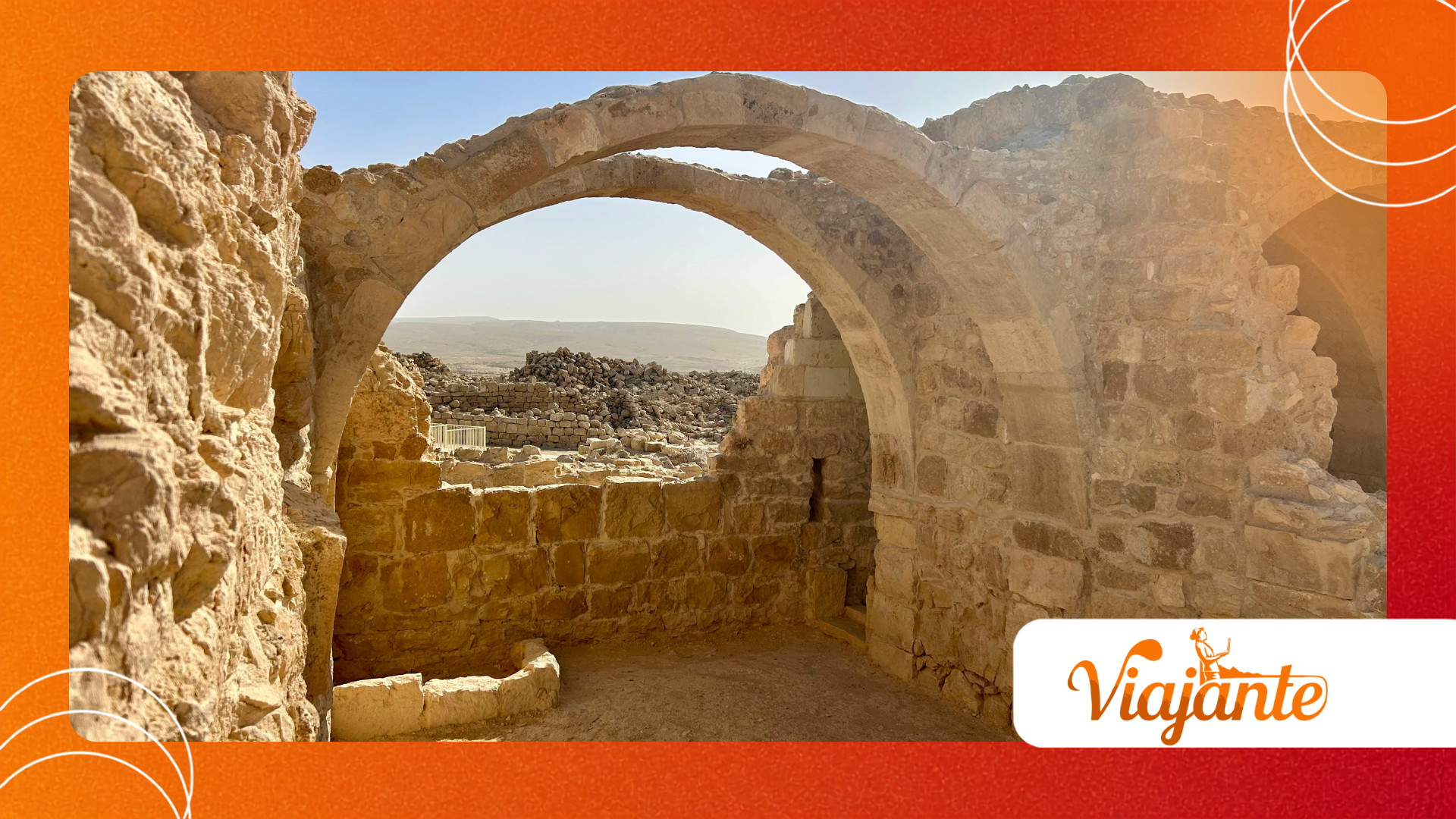
The study of history often feels like staring at a massive, fragmented puzzle where the most crucial pieces are missing.
Анунсиос
While we obsess over the monumental achievements of Rome, Egypt, and Mesopotamia, other remarkably advanced societies simply vanished.
For centuries, historians have struggled to understand how sprawling urban centers could completely collapse, leaving behind empty brickwork and a haunting, quiet void.
There is something deeply unsettling about an architectural mystery of this scale, and it naturally bridges the gap between rigorous science and late-night internet rabbit holes.
Today, we are diving into the historical reality behind the most famous ancient civilization that disappeared without a trace, separating hard archaeological evidence from the wild speculation that dominates the web.
We will look at their sophisticated lifestyle, their sudden structural collapse, and the surprisingly practical career lessons modern remote professionals can extract from their downfall.
This isn’t just about admiring old ruins; it is an exploration of the brilliant infrastructure of the Indus Valley people. We will examine the leading environmental theories behind their sudden abandonment and look at how massive climate shifts forced a total migration.
Finally, we will review a data-driven comparison of ancient cities and discuss resilient workflow strategies for anyone navigating the unpredictable landscape of modern freelance work.
What Is the Indus Valley Civilization?
The Indus Valley Civilization, or the Harappan culture, was a Bronze Age heavyweight that flourished around 2500 BCE. Spanning what is now Pakistan and northwest India, this vast urban network housed over five million residents at its absolute peak.
They built highly sophisticated cities using advanced grid systems, standardized brick baking, and complex, multi-story residential architecture.
What is truly bizarre—and often misinterpreted—is that their urban centers lacked massive palaces, grand royal tombs, or obvious signs of a centralized military.
Instead, their infrastructure prioritized public welfare, showcasing an impressive level of civic governance that easily rivaled contemporary Egypt and Mesopotamia.
They established prosperous international trade routes, crafted intricate jewelry, and developed an enigmatic writing script that remains completely undeciphered.
Despite achieving unparalleled regional dominance, their grand urban centers were entirely abandoned by 1900 BCE. This sudden cultural collapse is precisely what transformed their legacy into the classic archetype of an ancient civilization that disappeared without a trace.
Their magnificent, empty stone buildings were slowly swallowed by desert sands, leaving future generations to wonder what caused an entire society to evaporate.
How Did the Harappans Manage Urban Planning?
Harappan engineers completely revolutionized ancient urban planning by implementing strict geometric layouts. Streets were precisely aligned from north to south and east to west, a deliberate design that optimized wind flow to cool homes naturally.
Residences were constructed using uniform kiln-baked bricks, demonstrating an incredible level of standardized industrial manufacturing across vast geographic distances.
Furthermore, their hydraulic engineering was centuries ahead of its time, featuring the world’s first advanced urban sanitation system.
Every household possessed a private bathroom connected to a covered, sloping street drain that efficiently removed wastewater.
This meticulous focus on public hygiene highlights a collective social discipline that modern remote communities can greatly admire.
Why Did This Advanced Society Collapse Completely?
The sudden downfall of the Harappan culture was long blamed on violent foreign invasions by nomadic tribes—a narrative that fueled historical fiction for decades.
However, contemporary archaeological excavations have thoroughly debunked this warfare theory, revealing no evidence of mass conflict, burning, or military siege.
Instead, recent environmental data points directly to catastrophic, long-term climate shifts that disrupted their entire agricultural foundation.
A severe, centuries-long drought weakened the vital monsoons that fed their complex river systems. As the sacred Ghaggar-Hakra River dried up, the agricultural surplus required to sustain massive urban centers vanished entirely.
The citizens didn’t perish overnight in some cataclysmic event; they gradually abandoned their smart cities in search of more reliable water sources
This historic dispersal shows how even a highly organized society can dissolve when its core resources disappear.
The enigmatic migration patterns confirm that this was an ancient civilization that disappeared without a trace from urban records by decentralizing into smaller, rural agrarian communities.
Their abrupt displacement offers a sobering lesson about environmental vulnerability and the absolute necessity of career diversification.
++ Почему прогнозы о контакте с инопланетянами в 2026 году становятся вирусными?
Historical Comparison of Ancient Disappearances
To better understand how the Indus Valley Civilization compares to other lost societies, we can examine verified historical data.
The table below outlines their geographic locations, peak eras, primary infrastructure, and the leading scientific causes behind their eventual abandonment.
++ Правда о ложных утверждениях теории изменения климата
| Civilization Name | Geographic Location | Peak Era (BCE/CE) | Primary Infrastructure | Primary Cause of Disappearance |
| Долина Инда | Pakistan & India | 2500 – 1900 BCE | Advanced Drainage & Grids | Severe Drought & River Shifts |
| Maya Civilization | Central America | 250 | Monumental Pyramids | Deforestation & Civil Warfare |
| Minoan Culture | Crete (Greece) | 2000 – 1450 BCE | Grand Palaces & Maritime | Thera Volcanic Eruption |
| Anasazi (Ancestral Puebloans) | Southwest USA | 900 – 1350 CE | Cliff Dwellings & Roads | Mega-drought & Resource Scarcity |
What Can Freelancers Learn from Ancient Crises?

The dramatic collapse of historical superpowers provides surprisingly practical strategies for freelancers and digital professionals. The Harappans relied heavily on a singular geographic ecosystem, leaving them exposed to unexpected environmental changes.
When their primary water source dried up, their entire economic system collapsed because they lacked a flexible backup plan.
As an independent digital worker, relying on a single client or platform mimics this dangerous historical vulnerability. To build a truly sustainable career, you must actively diversify your skill sets and client portfolio across multiple industries.
Building professional resilience ensures that if one revenue stream vanishes, your digital business will continue to thrive seamlessly.
Which Scientific Tools Uncover These Hidn Mysteries?
Modern archaeology no longer relies solely on traditional shovels and basic brushes to uncover long-lost history. Researchers utilize cutting-edge satellite imagery and advanced LiDAR technology to peer beneath dense jungles and shifting desert sands.
These sophisticated digital tools reveal hidden roads, buried foundations, and ancient canals without disrupting the delicate local ecosystems.
Additionally, scientists analyze deep climate records by extracting ancient core samples from lake beds and ocean sediments. These soil samples reveal precise historical rainfall patterns, confirming the catastrophic mega-droughts that disrupted ancient agriculture.
By combining digital technology with environmental science, historians can reconstruct the final days of these lost societies with incredible accuracy.
++ Теории заговора, которые оказались правдой (с доказательствами)
Заключение
The fascinating story of the Indus Valley Civilization reminds us that progress requires constant adaptability. Their magnificent cities prove that human ingenuity has always thrived, yet their sudden collapse highlights our shared vulnerability to systemic changes.
By analyzing these ancient structural shifts, we gain valuable perspective on managing our own modern, rapidly changing economic landscapes.
For remote workers, the ultimate takeaway is to value sustainability, embrace diversification, and remain highly adaptable. Do not let your digital freelance business become an unresolvable mystery like an ancient civilization that disappeared without a trace.
Stay proactive, upgrade your professional skills regularly, and build a resilient career that easily survives any sudden market disruption.
To explore deeper scientific data regarding ancient climate shifts and recent archaeological discoveries worldwide, check out the authoritative research published on Природа.
Часто задаваемые вопросы (FAQ)
What is the most famous ancient civilization that disappeared without a trace?
The Indus Valley Civilization is widely considered the most famous example due to its immense size and sudden abandonment. Despite its massive urban population, the society left no clear records explaining its ultimate relocation.
Did warfare cause the collapse of the Harappan cities?
No, modern archaeological evidence strongly rejects the old theory of violent foreign invasions. Excavations show no signs of military conflict, indicating that environmental factors and drying rivers caused the societal decline.
How can digital freelancers apply lessons from ancient history?
Freelancers can learn the vital importance of diversification and structural adaptability from ancient collapses. Avoiding reliance on a single client protects your business from sudden shifts, ensuring long-term professional survival.
\