
Почему теория заговора о высадке Артемиды на Луну снова в тренде?
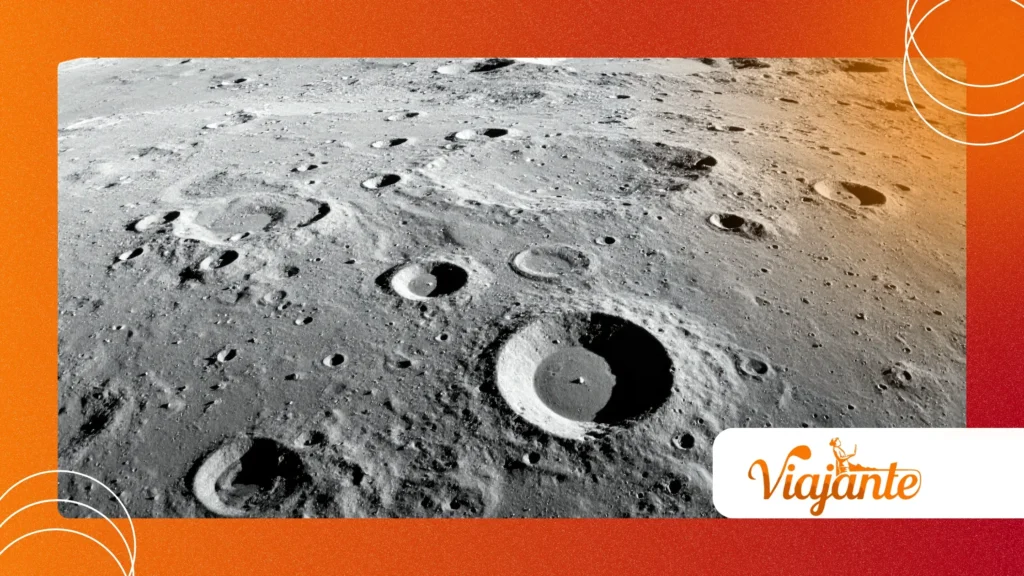
The Заговор высадки Артемиды на Луну В последнее время эта тема активно обсуждается в цифровых СМИ, чему способствует уникальное сочетание изображений высокого разрешения и глубоко укоренившегося скептицизма в отношении современных космических исследований.
Анунсиос
Пока НАСА готовится к возвращению людей на лунную поверхность, внимание всего мира к миссиям «Артемида» непреднамеренно вновь разжег давние споры.
Несмотря на развитие технологий, психологические основы этих теорий остаются на удивление неизменными.
В этой статье рассматриваются причины повторного появления этих заявлений в 2026 году и приводится фактический анализ реальности миссии.
Быстрая навигация
- Психологический триггер возрождения Артемиды.
- Современные технологии против скептицизма 1960-х годов.
- Роль алгоритмов социальных сетей в распространении сомнений.
- Научное подтверждение миссий «Артемида».
- Сравнительный анализ оборудования, используемого в программах Apollo и Artemis.
- Часто задаваемые вопросы о лунной логистике.
Что представляет собой теория заговора о высадке Артемиды на Луну и почему она так популярна?
Возрождение Заговор высадки Артемиды на Луну В значительной степени это обусловлено «парадоксом прозрачности», когда большее количество доступных данных приводит к более пристальному общественному контролю.
В 2026 году каждый кадр видео высокого разрешения, передаваемого с космического корабля «Орион», анализируется тысячами независимых интернет-детективов, ищущих подозрительные аномалии.
Общественное недоверие к институциональным нарративам достигло апогея, что делает космические агентства легкой мишенью для скептицизма. Когда люди чувствуют себя оторванными от государственных расходов, они часто проецируют свое разочарование на амбициозные проекты, такие как колонизация Луны.
Это создает благодатную почву для того, чтобы переработанные теории находили совершенно новую, более молодую аудиторию на таких платформах, как TikTok и X.
В наблюдении лунной поверхности в разрешении 8K есть что-то тревожное; четкость изображения почти делает его «слишком чистым», вызывая циничный рефлекс у современного зрителя.
Если искусственный интеллект способен создать идеальное человеческое лицо, многие утверждают, что НАСА легко сможет смоделировать лунный ландшафт. Этот скептицизм игнорирует масштабную, поддающуюся проверке инфраструктуру, в которой участвуют тысячи частных подрядчиков и международных партнеров по всему миру.
Как современные социальные сети способствуют распространению дезинформации о Луне?
Архитектура современных алгоритмов социальных сетей отдает приоритет вовлеченности аудитории, а не точности фактов, что напрямую выгодно для пользователей. Заговор высадки Артемиды на Луну.
Контент, вызывающий шок, гнев или «секретные знания», естественным образом продвигается, достигая миллионов пользователей, которые, возможно, не обладают научными знаниями, чтобы его опровергнуть.
«Эхо-камеры» позволяют сообществам сторонников теорий заговора уточнять свои аргументы, не подвергаясь внешней экспертной оценке.
Как только пользователь взаимодействует с одним видеороликом, ставящим под сомнение существование радиационных поясов Ван Аллена, алгоритм начинает показывать ему непрерывный поток подобных сомнений. Это создает искаженную реальность, в которой «все» как будто ставят под сомнение легитимность миссии.
Мы часто принимаем громкое меньшинство за культурный консенсус. Демократизация «экспертных» комментариев означает, что любой, у кого есть микрофон, может представить себя авторитетом в области физики.
Эти влиятельные лица часто используют псевдонаучный язык, который звучит убедительно для неспециалистов, что еще больше затрудняет для общественности различение подлинной научной критики от необоснованных предположений.
+ Банковский картель: Ротшильды, Федеральная резервная система и контроль
Почему люди до сих пор сравнивают программу «Артемида» с миссиями «Аполлон»?
Критики часто используют 50-летний промежуток между высадками на Луну, чтобы предположить, что первоначальные миссии были сфальсифицированы. Они утверждают, что если бы у нас действительно были технологии в 1969 году, то к настоящему времени у нас должна была бы быть постоянная лунная база. Однако это игнорирует меняющиеся политические и финансовые приоритеты конца XX века.
В программе «Артемида» используется ракета-носитель SLS (Space Launch System), гораздо более сложная, чем Saturn V. Если «Аполлон» был «спринтом», движимым холодной войной, то «Артемида» — это марафон, ориентированный на устойчивое развитие.
Для сравнения этих двух подходов необходимо понимать, как изменилась инженерная философия в сторону безопасности и долгосрочного присутствия на Луне.
Подробную информацию об этих инженерных изменениях можно найти по адресу: Официальный сайт программы НАСА «Артемида»в котором изложены конкретные цели лунного порта.
Понимание логистических различий между краткосрочным визитом и постоянной станцией имеет решающее значение для опровержения идеи о том, что «утерянные технологии» — это мистификация.
Какие научные факты подтверждают легитимность Артемиды?
Наиболее убедительные доказательства против Заговор высадки Артемиды на Луну дело в масштабах международного сотрудничества.
В отличие от 1960-х годов, НАСА больше не является единственным игроком; Европейское космическое агентство, JAXA и частные компании, такие как SpaceX, также активно участвуют в этом процессе.
Для инсценировки миссии потребовалось бы, чтобы тысячи людей в разных странах и конкурирующих корпорациях хранили полное молчание.
В современную эпоху осведомителей и утечек информации в цифровом формате такое масштабное сокрытие статистически невозможно поддерживать. Каждое показание датчика и каждый телеметрический пакет регистрируются в разветвленных глобальных сетях.
Современные лунные орбитальные аппараты, такие как Lunar Reconnaissance Orbiter (LRO), фотографировали места посадки предыдущих миссий.
На этих снимках видны нетронутые ступени спуска и следы лунохода. Физические свидетельства, оставленные на Луне, служат постоянной, поддающейся проверке записью, которая исключает необходимость в правительственных интерпретациях.
+ Вскрытия инопланетян: правдоподобно или наглая подделка?
В чём заключаются ключевые технические различия между программами «Аполлон» и «Артемида»?
| Особенность | Программа «Аполлон» (1961-1972) | Программа «Артемида» (текущая) |
| Ракета-носитель | Сатурн V (одноразового использования) | SLS и Starship (гибридный/многоразовый) |
| Вместимость экипажа | 3 астронавта | 4+ астронавта |
| Лунное пребывание | Максимум 3 дня | Уикс (через Lunar Gateway) |
| Вычислительная мощность | 4 КБ ОЗУ (AGC) | Многотерабайтная встроенная обработка |
| Целевое место посадки | Экваториальные регионы | Южный полюс Луны (фокус на водяном льду) |
Как лунный шлюз опровергает теории о фальсификации?
«Лунный шлюз» — это планируемая небольшая космическая станция, которая будет вращаться вокруг Луны, выполняя функции коммуникационного центра и лаборатории.
Его присутствие на лунной орбите обеспечивает постоянный, отслеживаемый объект, который независимые астрономы и любители могут наблюдать с Земли с помощью сложных телескопов.
Поскольку станция Gateway нуждается в регулярных миссиях по пополнению запасов с помощью ракет различных международных компаний, логистика находится под контролем мирового сообщества.
В отличие от миссий «Аполлон», которые были относительно короткими, станция «Гейтвей» оставляет постоянный след человеческого присутствия в дальнем космосе. Это постоянное присутствие делает... Заговор высадки Артемиды на Луну Логически это гораздо сложнее обосновать.
Технические данные, передаваемые с шлюза, распространяются среди научных учреждений по всему миру. Эта среда, прошедшая экспертную оценку, гарантирует, что данные не подвергаются манипуляциям со стороны одного источника.
Когда университеты в Германии или Австралии получают такие же показания уровня радиации, как и НАСА, теория о «мистификации» теряет свою основополагающую основу.
Почему Южный полюс Луны важен для Артемиды?
Сосредоточение внимания на Южном полюсе Луны — это стратегический шаг, направленный на поиск водяного льда, необходимого для производства топлива и жизнеобеспечения.
Эта конкретная географическая цель добавляет дополнительный уровень сложности, который был бы излишним, если бы НАСА просто пыталось «инсценировать» новую посадку.
Кратеры, находящиеся в постоянной тени на Южном полюсе, представляют собой уникальные тепловые проблемы, требующие использования специализированного оборудования.
Разработка этой технологии задокументирована в общедоступных патентах и научных статьях. Такой уровень детализации инженерных данных, доступных широкой публике, несовместим с секретным планом по обману населения мира.
Поиски водяного льда также привлекают коммерческий интерес со стороны горнодобывающих компаний. Эти частные предприятия инвестируют миллиарды, основываясь на физическом составе Луны.
Крайне маловероятно, что ориентированные на прибыль корпорации стали бы вкладывать такой капитал в место, которое, по их мнению, физически недоступно и нереально.
Когда же миссия «Артемида» заставит замолчать сомневающихся?
По мере приближения даты фактической высадки миссии Artemis III частота Заговор высадки Артемиды на Луну Ожидается, что пик будет достигнут.
Однако, как только с лунной поверхности начнётся прямая трансляция видео в формате 4K, многие визуальные «сбои», упомянутые теоретиками, вероятно, получат объяснение.
Огромный объем данных даст окончательный ответ на многие скептические вопросы. В будущих миссиях также будут использоваться коммерческие полезные нагрузки из разных стран, что еще больше расширит источники лунных данных.
В конечном итоге, присутствие частных лиц или негосударственных исследователей на Луне сделает теорию заговора устаревшей.
История показывает, что хотя некоторые всегда будут верить в сокрытие правды, большинство людей принимают доказательства, как только они становятся частью повседневной жизни.
Подобно тому, как спутниковая GPS-навигация стала обыденной реальностью, регулярные лунные перевозки в конечном итоге нормализуют идею жизни человека за пределами земной атмосферы.
Каковы основные психологические мотивы этого заговора?

Психологи предполагают, что вера в Заговор высадки Артемиды на Луну Часто это проистекает из желания почувствовать себя увереннее в мире, где всё слишком сложно для восприятия.
Обладание «секретной» информацией даёт ощущение интеллектуального превосходства над «овцами», которые верят общепринятой точке зрения.
В эпоху стремительных технологических изменений некоторым людям приносит утешение мысль о том, что человечество на самом деле не так уж и развито.
Это снижает ставки в будущем и делает мир более компактным и управляемым. Понимание этих человеческих факторов является ключом к борьбе с распространением дезинформации, не допуская при этом пренебрежительного отношения к ней.
Проявляя уважение к скептикам и одновременно представляя неопровержимые факты, мы можем преодолеть разрыв между любопытством и теориями заговора.
Образование должно фокусироваться на «как» и «почему» в науке, а не просто требовать слепой веры в авторитет учреждений. Такой подход способствует формированию более научно грамотного и критически мыслящего общества.
+ Контролируют ли иллюминаты музыкальные чарты?
В новой эре исследования Луны
The Заговор высадки Артемиды на Луну Это служит напоминанием о проблемах, с которыми мы сталкиваемся в эпоху информационного переизбытка. Хотя эти миссии представляют собой вершину человеческой изобретательности, они также подчеркивают хрупкость общественного доверия.
Прозрачность и международное сотрудничество остаются нашими лучшими инструментами для подтверждения реальности нашего лунного будущего.
Вглядываясь в звезды, крайне важно сохранять критический, но основанный на фактах подход. Луна перестала быть далекой загадкой и стала функциональным объектом для науки и промышленности.
Более подробную информацию о научном консенсусе по этим миссиям можно найти в [ссылка на источник]. Исследовательский центр Космического фонда, которая предоставляет обширные данные о глобальных тенденциях в космической отрасли.
Часто задаваемые вопросы: Понимание фактов о миссии «Артемида»
В: Почему мы не видим флаги на Луне с Земли?
А: Даже с помощью самых мощных телескопов места посадки на Луну слишком малы, чтобы их можно было различить с поверхности Земли. Для их наблюдения нам нужны орбитальные аппараты, такие как LRO.
В: Является ли радиация в поясах Ван Аллена смертельной для астронавтов?
А: Нет, космический аппарат быстро проходит через пояса астероидов, и защита предназначена для того, чтобы уровень радиационного облучения экипажа оставался в пределах безопасных, регулируемых норм.
В: Почему программа «Артемида» стоит так дорого, если мы уже делали это раньше?
А: Программа «Артемида» создает устойчивую инфраструктуру, включая космическую станцию и многоразовые системы посадки, что намного дороже, чем односторонние полеты 1960-х годов.
В: Могут ли SpaceX или другие частные компании доказать, что посадка действительно произошла?
А: Да, поскольку частные компании используют собственные датчики и камеры, они предоставляют независимый поток доказательств, не контролируемый ни одним государственным органом.
\