
Por que os tubarões-fantasma estão entre as criaturas mais raras do oceano?

Encontrando tubarões fantasmas Observar seu habitat na zona crepuscular é como vislumbrar um rascunho esquecido da história evolutiva.
Anúncios
Além do alcance da luz solar, esses fantasmas das profundezas navegam por um mundo tão radicalmente estranho que até mesmo a biologia marinha moderna tem dificuldade em acompanhar sua presença sutil e silenciosa.
Oceanógrafos classificam essas quimeras cartilaginosas esquivas como relíquias ancestrais vivas — criaturas que seguiram uma trajetória evolutiva independente muito antes do surgimento dos predadores oceânicos que conhecemos.
Sua morfologia peculiar os diferencia, isolando-os em fossas batiais frias em bacias marinhas polares e temperadas remotas.
A seguir, você explorará sua linhagem biológica, distribuição em águas profundas, adaptações sensoriais, estratégias reprodutivas frágeis, ameaças urgentes à conservação e os avanços científicos que desvendam esses enigmas do oceano profundo.
O que são tubarões-fantasma e como eles diferem dos tubarões verdadeiros?
As quimeras se separaram das primeiras linhagens de tubarões há aproximadamente quatrocentos milhões de anos, retendo silenciosamente características estruturais primitivas, como brânquias únicas, placas cranianas fundidas e placas dentárias trituradoras contínuas.
Em vez de fileiras serrilhadas de dentes substituíveis, esses antigos habitantes das profundezas marinhas dependem de placas mineralizadas lisas e largas, projetadas para esmagar moluscos bentônicos de casca dura, crustáceos e ouriços-do-mar.
Os taxonomistas agrupam esses espécimes em três famílias sobreviventes — quimeras de nariz de arado, de nariz comprido e de nariz curto — todas caracterizadas por uma pele lisa e sem escamas que se estende sobre corpos surpreendentemente delicados e hidrodinâmicos.
Seus esqueletos cartilaginosos flexíveis minimizam o peso corporal, resistindo a pressões hidrostáticas esmagadoras, permitindo ondulações suaves e fantasmagóricas em colunas de água afóticas onde a luz do dia nunca chega à superfície.
O que ameaça a sobrevivência do tubarão-fantasma nas zonas oceânicas profundas?
As operações comerciais de pesca de arrasto de fundo representam a ameaça mais imediata às populações de quimeras de águas profundas em todo o mundo, destruindo substratos bentônicos delicados e capturando organismos não-alvo em pesadas redes industriais.
O aumento da temperatura da água do mar e a acidificação dos oceanos alteram cada vez mais as correntes térmicas profundas, podendo perturbar o delicado equilíbrio dos ecossistemas abissais onde esses peixes ancestrais prosperaram silenciosamente por milhões de anos.
O crescente interesse industrial na mineração em águas profundas para extração de minerais raros representa um risco sem precedentes para os habitats ainda intocados dessas espécies, ameaçando destruir áreas essenciais de desova em taludes continentais vulneráveis.
++ Animais que mudaram o curso da história humana
Por que os tubarões-fantasma são vistos tão raramente por humanos?
Os ambientes batiais, que se estendem por milhares de metros de profundidade, erguem formidáveis barreiras logísticas para os pesquisadores que tentam observá-los. tubarões fantasmas dentro de seus habitats abissais intocados.
Os submersíveis de pesquisa padrão exigem investimentos de capital maciços e engenharia especializada de casco pressurizado, simplesmente para suportar as fossas oceânicas escuras como breu, onde essas populações delicadas persistem silenciosamente.
A maioria dos encontros humanos acontece por acidente — como capturas acidentais trágicas em arrastos comerciais em águas profundas ou durante filmagens esporádicas de alta resolução capturadas por plataformas autônomas bentônicas que permanecem silenciosamente no fundo do mar.
O seu isolamento geográfico nas margens geladas da plataforma continental do Oceano Antártico limita ainda mais o contacto humano, tornando-os um dos grupos de vertebrados menos compreendidos que sobrevivem nos ecossistemas contemporâneos.
++ A linguagem secreta que os golfinhos usam para se identificar.
| Característica biológica | Tubarões-fantasma (Chimaeriformes) | Tubarões verdadeiros (Selachii) |
| Subclasse taxonômica | Holocéfalos | Elasmobranchii |
| Estrutura de abertura da brânquia | aba de opérculo único | 5 a 7 fendas branquiais expostas |
| Tipo de dentição | Placas dentárias permanentes fundidas | Múltiplas fileiras rotativas de dentes |
| Espinha dorsal | Presença de espinho defensivo venenoso | Espinho ausente na maioria das espécies |
| Fixação da mandíbula superior | Fundido diretamente ao crânio (autostilia) | Maxilar superior articulado e móvel |
| Faixa de profundidade do habitat | Profundidade de 200 a mais de 2.600 metros | Superfície até mais de 3.000 metros |
Como essas criaturas marinhas sobrevivem nas profundezas abissais?
Uma intrincada rede de eletroreceptores espalhados por seus focinhos detecta tênues campos microelétricos de presas bentônicas escondidas, substituindo facilmente a visão em extensões escuras do fundo do mar.
Olhos enormes e verde-iridescentes abrigam densas concentrações de células em forma de bastonete, projetadas para captar minúsculos sinais bioluminescentes intermitentes emitidos por organismos que flutuam em correntes batipelágicas profundas.
Logo à frente da barbatana dorsal principal encontra-se um espinho afiado e venenoso — um mecanismo de defesa física surpreendentemente potente contra predadores maiores que mergulham em grandes profundidades, como lulas gigantes ou tubarões-dorminhocos de grande porte.
Dados detalhados de rastreamento batimétrico hospedados pelo Administração Nacional Oceânica e AtmosféricaIlustra como organismos especializados de águas profundas se adaptam perfeitamente aos regimes de pressão oceânica bentônica fria.
Observando tubarões fantasmas Revela uma surpreendente resistência evolutiva, comprovando que estruturas anatômicas ancestrais podem prosperar nos ambientes mais inóspitos da Terra sem necessitar de grandes transformações ao longo de milhões de anos.
Onde se localizam os principais habitats dos tubarões-fantasma?
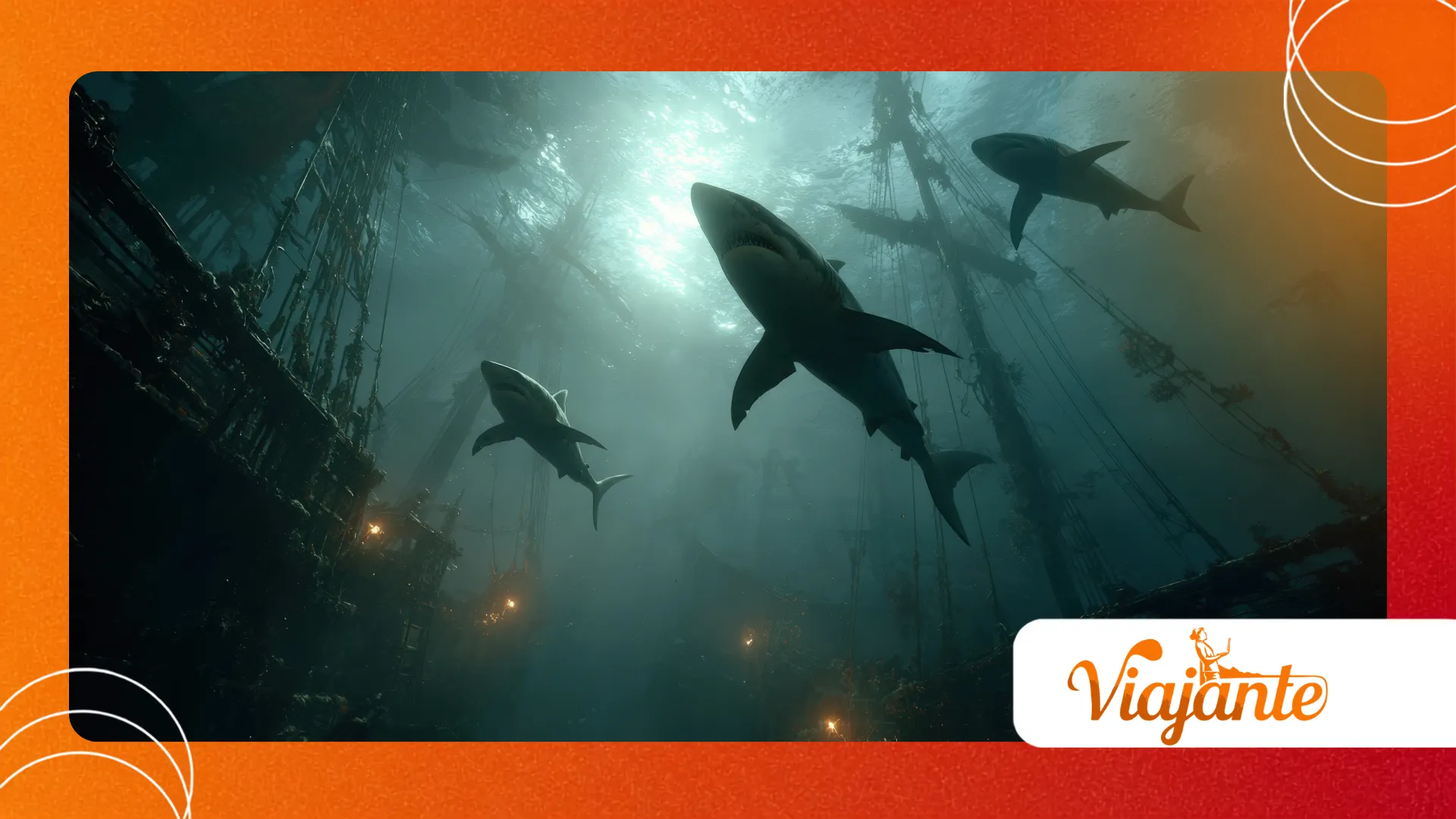
Sua distribuição se concentra ao longo de taludes continentais profundos, planícies abissais e dorsais submarinas acidentadas nos oceanos Pacífico, Atlântico e Índico, estritamente dentro das camadas térmicas inferiores resfriadas.
Estudos de campo localizam consistentemente populações endêmicas mais ricas em torno de montes submarinos remotos na costa da Nova Zelândia, no sul da Austrália e em trechos abissais isolados ao longo da margem continental da América do Sul.
Esses frágeis habitantes do fundo do mar procuram temperaturas de água estáveis, ligeiramente acima do ponto de congelamento, residindo sobre sedimentos macios e siltosos ou plataformas de rocha vulcânica bem protegidas da turbulência da superfície.
Curiosamente, mudanças sutis na profundidade durante as estações do ano levam certas espécies adultas a fiordes costeiros mais rasos durante os meses de inverno para breves rituais de acasalamento e postura de ovos, cuidadosamente cronometrados.
O que torna o ciclo reprodutivo deles tão único e frágil?
As quimeras fêmeas exibem uma produção reprodutiva extraordinariamente baixa em comparação com os peixes marinhos comuns, depositando apenas duas cápsulas de ovos coriáceas por vez durante breves períodos de reprodução.
Essas cápsulas de ovos complexas e colagenosas caem diretamente no fundo lamacento do mar, onde o desenvolvimento embrionário ocorre em um ritmo agonizantemente lento, às vezes durando até dez meses completos.
Como a maturidade leva décadas para ser alcançada, as populações locais mostram-se frágeis quando confrontadas com a destruição mecânica do habitat ou com operações comerciais de pesca de arrasto de fundo que varrem seus territórios.
Essa lenta recuperação demográfica significa que até mesmo a captura acidental em águas profundas pode dizimar os estoques reprodutores residentes dispersos por cordilheiras subaquáticas isoladas.
Protegendo os vulneráveis tubarões fantasmas As exigências levaram à imposição de moratórias internacionais à pesca, à designação de santuários em águas profundas e a limites rigorosos ao uso de equipamentos de pesca destrutivos que entram em contato com o fundo do mar em todo o mundo.
Por que proteger a biodiversidade das profundezas marinhas é essencial para o planeta Terra?
A proteção dos ecossistemas batiais ajuda a preservar as delicadas redes ecológicas que regulam silenciosamente os ciclos de carbono do planeta e equilibram a redistribuição de nutrientes nas águas oceânicas.
A remoção de predadores bentônicos especializados pode desencadear cascatas ecológicas imprevistas que desestabilizam as comunidades marinhas de meia-água e comprometem a saúde dos oceanos a longo prazo em escala global.
O estudo de linhagens antigas de Holocephali oferece pistas biológicas insubstituíveis sobre o desenvolvimento inicial dos vertebrados, a mecânica da mandíbula e as complexas adaptações fisiológicas a ambientes extremos das profundezas marinhas.
A gestão responsável dos oceanos exige políticas firmes que limitem a mineração industrial em águas profundas, reduzam o acúmulo de resíduos tóxicos e eliminem a pesca de arrasto industrial destrutiva.
Protegendo o esquivo tubarões fantasmas Em última análise, defende comunidades biológicas inteiras de águas profundas, garantindo que os ecossistemas marinhos complexos permaneçam resilientes às mudanças nas pressões climáticas globais.
++ Espécies capazes de sobreviver a condições que os humanos jamais conseguiriam suportar.
Como os cientistas marinhos modernos pesquisam essas espécies enigmáticas?
Veículos avançados operados remotamente, equipados com sensores sensíveis de baixa luminosidade, permitem que biólogos marinhos observem comportamentos naturais delicados sem cegar criaturas adaptadas à escuridão total.
A coleta de amostras de DNA ambiental diretamente das colunas de água oceânicas profundas agora revela a presença genética oculta, confirmando a distribuição local de espécies sem a necessidade de captura física letal.
Etiquetas miniaturizadas de telemetria acústica, fixadas durante capturas raras para fins de pesquisa, oferecem rastreamento espacial em tempo real, desvendando gradualmente mistérios de longa data sobre seus movimentos verticais sazonais.
Entretanto, taxonomistas comparam arquivos históricos de museus com novos conjuntos de dados genômicos para identificar formalmente espécies de quimeras recém-descobertas que habitam zonas batiais anteriormente não mapeadas.
Redes internacionais de pesquisa arquivam essas valiosas observações de águas profundas dentro do Sistema de Informação sobre Biodiversidade Oceânica, estabelecendo dados de referência vitais para futuras estratégias de conservação marinha.
Perguntas frequentes
O que comem os tubarões-fantasma nas profundezas do oceano?
Eles têm como alvo invertebrados de corpo mole, pequenos peixes bentônicos, caranguejos, camarões, amêijoas e ouriços-do-mar, usando placas dentárias mineralizadas e pesadas para esmagar facilmente as conchas protetoras duras.
Os tubarões-fantasma representam perigo para mergulhadores humanos?
Os humanos quase nunca se deparam com eles devido às grandes diferenças de profundidade; além disso, esses tímidos habitantes do fundo do mar, de movimentos lentos, ignoram completamente os organismos de grande porte.
Quanto tempo pode viver um tubarão-fantasma?
Os pesquisadores estimam que sua expectativa de vida varie de trinta a cinquenta anos, possibilitada por taxas metabólicas extremamente lentas, adaptadas a ambientes abissais gélidos e de alta pressão.
Os tubarões-fantasma têm ossos de verdade?
Não, seus esqueletos internos são compostos inteiramente de cartilagem leve e flexível, o que os coloca ao lado de tubarões, raias e arraias na classe mais ampla dos Chondrichthyes.
Por que os olhos deles são verde-claros?
Tecidos reflexivos chamados tapetum lucidum, localizados atrás das retinas, amplificam a bioluminescência ambiente, permitindo uma visão nítida nas profundezas escuras dos oceanos batipelágicos e abissais.
\