
Por que os vídeos da lenda urbana do parque infantil vazio são perturbadores?
As transmissões noturnas frequentemente nos levam a cantos estranhos da internet, onde parques municipais desertos parecem sinistros. Há uma sensação profundamente perturbadora ao assistir a vídeos centrados em um Lenda urbana do parque infantil vazio.
Anúncios
Aquele nó repentino no estômago não é por acaso. Ele surge diretamente da subversão espacial, da edição sonora inteligente e da ansiedade instintiva que sentimos quando espaços públicos familiares deixam de fazer sentido.
Ao remover a luz solar quente e as risadas caóticas, surge uma estranha intersecção entre psicologia ambiental e folclore digital. Analisar essas escolhas visuais atmosféricas revela por que um balanço solitário pode desencadear um pavor imediato.
A seguir, apresentamos um breve resumo dos principais elementos que exploraremos para desvendar esse reflexo psicológico universal:
- Qual é a psicologia por trás do conteúdo da lenda urbana do parque infantil vazio?
- Por que a arquitetura de espaços liminar desencadeia desconforto psicológico?
- Como o design de som e o isolamento visual amplificam o terror?
- Quais fatores ambientais reais impulsionam as tendências do folclore digital?
- Qual o papel da cultura da internet na disseminação de mitos sobre o recreio escolar?
- Perguntas Frequentes (FAQ)
Qual é a psicologia por trás do conteúdo da lenda urbana do parque infantil vazio?
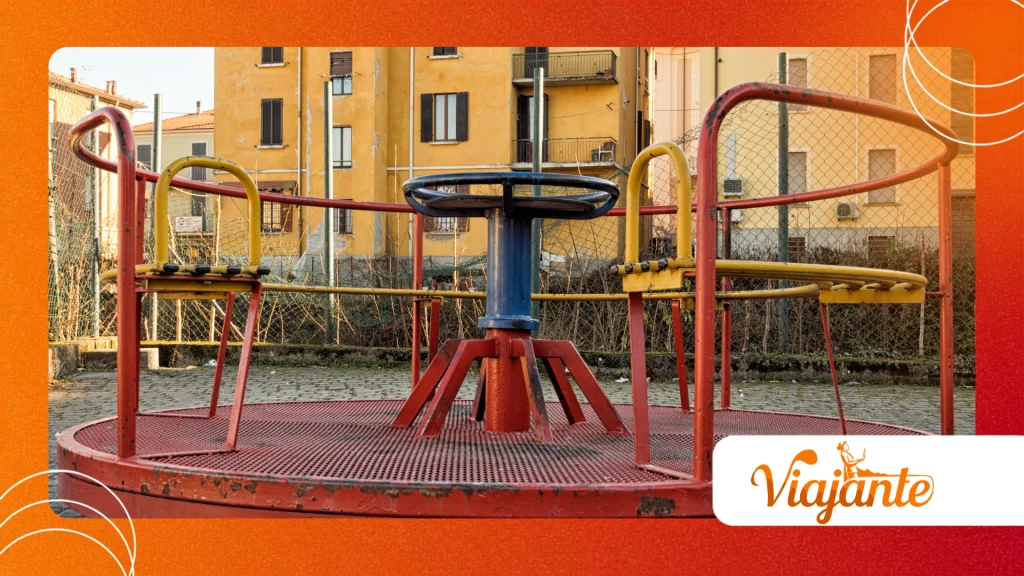
Nossos cérebros dependem de mapas espaciais subconscientes para manter a sensação diária de segurança. Parques infantis são construídos como espaços comunitários e iluminados, onde crianças ativas e pais atentos definem o ambiente esperado.
Quando vídeos virais eliminam esses marcadores humanos, ocorre uma colisão cognitiva repentina. Seu sistema nervoso entra em estado de alerta máximo porque o ambiente familiar não corresponde mais ao seu estado basal interno.
Psicólogos frequentemente discutem o conceito do estranho. Esse arrepio repentino ocorre quando um ambiente familiar se torna ligeiramente fora do comum, forçando-nos a reavaliar nosso entorno físico imediato.
Um único balanço, oscilando sem uma brisa, desafia as expectativas básicas de causa e efeito. Criadores digitais exploram essas falhas mentais para transformar doces lembranças da infância em paisagens frias e vigilantes.
[CONTEXTO ESPERADO] [INTERRUPÇÃO INESPERADA] Segurança e Atividade na Infância ──(Remoção)──> Isolamento e Ruído Ambiente │ │ └───────────────► DISSONÂNCIA ──────────┘ │ ▼ [MEDO PSICOLÓGICO]
Um Lenda urbana do parque infantil vazio A obra impacta com uma força emocional surpreendente. Ela instrumentaliza a nostalgia e a vulnerabilidade, transformando simples equipamentos recreativos em um eficaz terror psicológico para o público online.
Por que a arquitetura de espaços liminar desencadeia desconforto psicológico?
Estruturas construídas para o trânsito de pessoas ou atividades em grupo tornam-se estranhas quando deixadas vazias à noite. Esses ambientes de transição perdem sua função clara sem multidões, distorcendo a maneira como os observadores avaliam a distância e a segurança.
Os parques infantis apresentam uma geometria rígida e industrial, projetada para suportar o impulso físico. Vistos sob a luz intermitente dos postes de iluminação, essas estruturas de aço projetam sombras distorcidas que nossos instintos de detecção de ameaças tentam preencher.
- KenopsiaA atmosfera pesada de um local que normalmente fervilha de multidões, agora está completamente silenciosa.
- Dissonância espacialTensão mental silenciosa sentida quando um ambiente físico contradiz as expectativas de segurança.
- PareidoliaNosso hábito evolutivo de interpretar rostos ou formas humanas como padrões escuros aleatórios.
- Análise de expectativasA perturbadora constatação de que um ponto de referência comunitário vibrante carece completamente de presença humana.
Os planejadores pintam os equipamentos de recreação com cores primárias alegres para receber famílias com crianças pequenas durante o dia. Sob céus escuros, esses vermelhos e amarelos vibrantes parecem estranhamente teatrais, amplificando temas visuais de terror.
++ A verdade por trás das lendas urbanas das salas de bate-papo mortas
Como o design de som e o isolamento visual amplificam o terror?
As escolhas de áudio manipulam as emoções do espectador muito antes de a mente processar os detalhes visuais na tela. Os designers de som recorrem frequentemente ao infrassom — ondas acústicas de baixa frequência — para provocar ansiedade e inquietação física involuntárias.
Substituir o ruído natural do parque pelo rangido metálico de correntes de ferro enferrujadas muda completamente a atmosfera. Sem a conversa ambiente ao fundo, pequenos estalos mecânicos se prolongam, transformando o aço comum em algo de suspense.
Rangidos metálicos de baixa frequência, combinados com zumbidos acústicos profundos, imitam os avisos naturais de predadores, elevando a pulsação do espectador sem que ele se dê conta disso.
O enquadramento visual cuida do restante do trabalho pesado para os criadores. Ângulos de câmera amplos e estáticos isolam os cenários de jogo contra linhas de árvores escuras, deixando os espectadores com uma sensação de exposição e hiperfixados nos movimentos ao redor.
Quais fatores ambientais reais impulsionam as tendências do folclore digital?
Folcloristas examinam as tendências do terror online como reflexos diretos de mudanças na cultura física. Décadas de expansão suburbana, mudanças na densidade urbana e aumento do tempo gasto em frente às telas alteraram a forma como as comunidades utilizam a infraestrutura pública.
O quadro abaixo ilustra por que a arquitetura municipal abandonada desencadeia uma reação psicológica tão visceral:
| Nome do conceito | Mecanismo Psicológico | Impacto na percepção do espectador |
| Liminaridade | Desorientação em espaços de transição | Sensação acentuada de instabilidade temporal |
| Kenopsia | Vazio emocional pela falta das multidões | Nostalgia profunda misturada com um súbito temor. |
| Pareidolia auditiva | Identificando padrões em ruído ambiente | Confundir vento ou rangidos com murmúrios |
| Violação do esquema | Subvertendo a segurança ambiental esperada | Alerta cognitivo imediato e suspeita |
Essas reações online não acontecem isoladamente. Pesquisas arquivadas pelo Associação Americana de Psicologia Mostra que mudanças ambientais abruptas perturbam o processamento cognitivo, deixando os indivíduos vulneráveis a estímulos de ansiedade.
Um vento descontrolado movendo um balanço de plástico fornece a faísca ideal para o folclore digital. Desconstruindo um Lenda urbana do parque infantil vazio Mostra como um enquadramento inteligente transforma parques municipais comuns em combustível para pesadelos.
++ O elevador que inspirou décadas de histórias de fantasmas
Qual o papel da cultura da internet na disseminação de mitos sobre o recreio escolar?

Os algoritmos de recomendação priorizam formatos de vídeo que capturam a atenção imediatamente e prolongam o suspense. Os feeds de conteúdo promovem vídeos com fortes contrastes visuais e situações ambíguas, viralizando espaços de lazer abandonados.
As comunidades online são mestres em construir histórias elaboradas em torno de vídeos simples e não verificados. Esse processo de narrativa coletiva — conhecido como creepypasta — pode transformar uma gravação granulada de celular em um mito digital da noite para o dia.
- Preparação AlgorítmicaOs feeds exibem vídeos perturbadores que obrigam os usuários a assisti-los novamente em busca de detalhes.
- Conhecimento colaborativoAs seções de comentários fornecem profundidade narrativa, transformando o simples movimento do vento em histórias de fantasmas.
- Nostalgia CompartilhadaOs espectadores projetam memórias pessoais em parques genéricos, fazendo com que as imagens pareçam surpreendentemente pessoais.
- Realismo Low-FiCâmeras de smartphones tremidas e artefatos de compressão digital simulam evidências autênticas de testemunhas oculares.
O domínio duradouro de um Lenda urbana do parque infantil vazio Baseia-se em confundir a realidade com o terror ficcional. O público moderno gosta de testar esses limites, equilibrando sustos baratos com a decodificação de truques de produção digital.
++ A ascensão da lenda urbana do telefonema da meia-noite no TikTok
Perguntas Frequentes (FAQ)
Por que estruturas de parques infantis abandonadas evocam simultaneamente nostalgia e medo?
Parques infantis remetem diretamente a memórias da infância, onde a segurança era garantida. Ver aquelas formas familiares perdidas na escuridão total cria um choque agridoce entre a doce lembrança e o medo instintivo.
Os vídeos de parques infantis à noite costumam ser encenados ou manipulados?
A grande maioria depende de fatores ambientais básicos, como vento, ângulos de câmera estratégicos ou reforços de áudio sutis. Iluminação de alto contraste e um design de som inteligente cuidam da maior parte do trabalho.
O que torna o infrassom tão eficaz na produção de conteúdo audiovisual assustador?
O infrassom opera em baixas frequências, logo abaixo da percepção humana padrão. Essas vibrações físicas sutis produzem leve desorientação, tensão nervosa e aumento da frequência cardíaca, sem que o observador entenda o motivo.
De que forma a arquitetura espacial influencia a narrativa de terror online?
Estruturas metálicas abertas projetam sombras alongadas e exageradas sob postes de luz isolados. Criadores de conteúdo exploram essas formas industriais para provocar pareidolia, levando os espectadores a projetar movimento em espaços escuros e vazios.
O Eco Arquitetônico do Horror Digital
Tendências virais de terror revelam como o design espacial, a engenharia de áudio e a psicologia humana se encontram facilmente online. Histórias construídas em torno de um Lenda urbana do parque infantil vazio Ter sucesso isolando estruturas construídas para a alegria da comunidade.
Reconhecer como as escolhas de iluminação, a frequência sonora e a dissonância ambiental manipulam nossos instintos facilita a apreciação do folclore digital. Para explorar como a tecnologia molda a percepção, revise as pesquisas em andamento em [nome da instituição/site]. Laboratório de mídia do MIT .
\