
Milieuvriendelijke menstruatieproducten: gezondheid en duurzaamheid
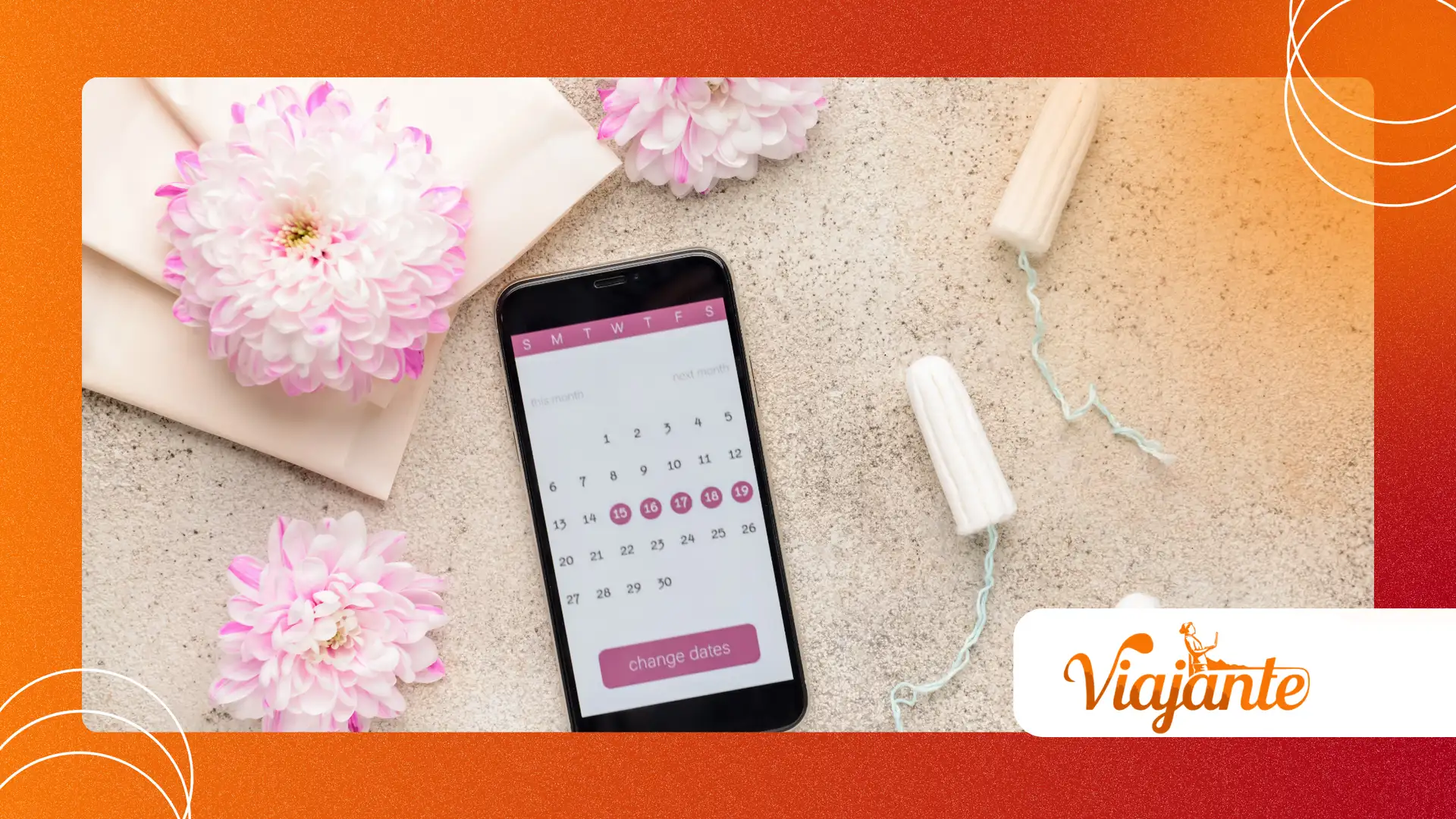
Moderne wellness vereist een kritische blik op wat we op – en in – ons lichaam smeren. Decennialang ontsnapten menstruatieproducten voor de massamarkt aan grondig onderzoek, verborgen achter commerciële marketing en maatschappelijke taboes.
Anúncios
Tegenwoordig gaat het bij de keuze voor duurzame alternatieven minder om een lifestyletrend en meer om het terugwinnen van je eigen gezondheid en het afwijzen van de enorme hoeveelheid plastic afval die de wegwerpcultuur met zich meebrengt.
Elke maand bepaalt de keuze voor menstruatieproducten het dagelijkse comfort, de lichamelijke gezondheid en de persoonlijke financiën.
Overstappen op groene alternatieven biedt onmiddellijke verlichting van anatomische klachten, aanzienlijke economische besparingen op de lange termijn en een enorme vermindering van de persoonlijke plasticvoetafdruk.
Laten we de klinische realiteit, de ecologische waarheden en de praktische aspecten van de overstap eens nader bekijken.
Deze analyse ontrafelt de toxicologische bez concerns rond conventionele maandverbanden, de wetenschap achter moderne herbruikbare varianten en de werkelijke financiële berekeningen die ermee gepaard gaan.
Hieronder vindt u een directe vergelijkingsmatrix, op bewijs gebaseerde dermatologische inzichten en duidelijke antwoorden op vragen die de meeste mensen alleen in het geheim opzoeken via Google.
Wat zijn milieuvriendelijke menstruatieproducten?
Duurzame intieme hygiëne gaat niet alleen over bruine kartonnen verpakkingen; het betekent een complete herziening van hoe we onze menstruatiecyclus beheren, door gebruik te maken van herbruikbare of echt biologisch afbreekbare materialen.
Deze opties omzeilen volledig de synthetische kunststoffen, chemische geurstoffen en chloorbleekmethoden waarop de traditionele industrie voor vrouwelijke hygiëne vertrouwt.
Investeren in milieuvriendelijke menstruatieproducten Dit betekent overschakelen naar componenten zoals siliconen van medische kwaliteit, biologisch katoen en op verantwoorde wijze verkregen bamboe.
Deze materialen zijn specifiek gekozen omdat ze prioriteit geven aan fysiologische veiligheid zonder concessies te doen aan absorptie of lekbescherming.
Innovatie heeft eindelijk de vraag ingehaald en levert diverse ontwerpen op die perfect aansluiten bij een actieve levensstijl en uiteenlopende anatomische behoeften.
Door voor deze producten te kiezen, draag je actief bij aan een circulaire economie en voorkom je dat duizenden tonnen hardnekkig afval op lokale stortplaatsen of in de zee terechtkomen.
Waarom zou je overstappen op duurzaam menstruatiemanagement?
Het gemiddelde conventionele maandverband is een wolf in schaapskleren, want het bevat tot wel negentig procent plastic – ongeveer evenveel als vier standaard boodschappentassen.
Deze synthetische matrix verdwijnt niet zomaar; ze blijft eeuwenlang op stortplaatsen liggen en breekt langzaam af tot alomtegenwoordige microplastics.
Medisch onderzoek wijst steeds vaker op de subtiele gevaren van synthetische vezels, waaronder sporen van pesticidenresiduen en dioxinen die overblijven van traditionele bleekmethoden.
Overschakelen naar milieuvriendelijke menstruatieproducten Het elimineert deze onnodige blootstelling aan chemicaliën, waardoor veelvoorkomende klachten zoals vulvaire dermatitis en chronische, onverklaarbare irritatie drastisch worden verminderd.
Het financiële voordeel wordt verrassend snel duidelijk, waardoor wat voorheen een levenslang abonnement op wegwerpafval was, een eenmalige aankoop wordt.
Door deze innovaties te omarmen, toon je een pragmatische inzet voor je eigen lichaam en ga je rechtstreeks de strijd aan tegen plasticvervuiling.
+ De groei van virtuele apotheken na de pandemie
Welke opties passen het beste bij jouw levensstijl?
Menstruatiecups, gemaakt van zeer flexibele siliconen van medische kwaliteit, bieden tot twaalf uur betrouwbare, lekvrije bescherming.
In plaats van vocht te absorberen en het delicate weefsel uit te drogen, vangen ze het gewoon op, waardoor de pH-waarde van je vagina volledig onverstoord blijft.
Menstruatieondergoed is afhankelijk van indrukwekkende textieltechniek, waarbij vochtafvoerende stoffen worden gecombineerd met zeer absorberende, flinterdunne waterdichte lagen.
Dit wasbare alternatief voelt precies hetzelfde aan als gewoon ondergoed, waardoor het een ongelooflijk comfortabele optie is voor lichtere dagen of voor zekerheid 's nachts.
Herbruikbare stoffen maandverbanden bestaan uit ademende katoenen lagen die stevig om je gewone ondergoed heen vastklikken.
Intussen vullen hoogwaardige, biologisch afbreekbare wegwerpproducten de leemte op en bieden ze een plasticvrij, probleemloos alternatief voor onvoorspelbare reisplannen of noodsituaties.
+ Gamified Fitness: Sport je er daadwerkelijk meer door?
Welke impact hebben deze alternatieven op de gezondheid en de natuur?
Door synthetische kunststoffen te vermijden, wordt er daadwerkelijke luchtcirculatie mogelijk, waardoor plaatselijke warmte- en vochtophopingen die bacteriële infecties in de hand werken, direct worden voorkomen.
Biologische vezels behandelen de gevoelige huid op milde wijze en elimineren de kunstmatige parfums die hardnekkige contactallergieën kunnen veroorzaken.
Op macroniveau verbruikt de productie van herbruikbare opties een fractie van het water en de energie die nodig zijn om continu papieren en plastic wegwerpartikelen te produceren.
Door deze producten uit de circulatie te houden, wordt het mariene milieu direct beschermd tegen de afbraak van microplastics die de voedselketens in het water bedreigen.
Onafhankelijke gegevens gedeeld door de Harvard TH Chan School of Public Health benadrukt dat het verwijderen van synthetische materialen het risico op toxische shock minimaliseert, mits de hygiëne van de gebruiker prioriteit blijft.
Wat is het ideale moment om de overstap te maken?
Het uitproberen van een nieuwe routine tijdens een rustig weekend thuis neemt de stress weg van het onder de knie krijgen van inbreng- of wastechnieken onderweg.
Door meer zelfvertrouwen te krijgen in je eigen badkamer, kun je later een drukke werkdag zonder zorgen doorstaan.
Een geleidelijke overgang voorkomt dat je overweldigd raakt door de leercurve die soms gepaard gaat met alternatieve vormen van menstruatiecyclusverzorging.
Het combineren van een menstruatiecup of menstruatieondergoed met je vertrouwde routine helpt je zelfvertrouwen op te bouwen terwijl je de juiste timing voor jezelf ontdekt.
Overschakelen naar milieuvriendelijke menstruatieproducten Dit levert voortdurend voordelen op voor zowel de reproductieve gezondheid als de wereldwijde afvalvermindering.
Elke bewuste aanpassing aan je cyclus minimaliseert de blootstelling aan giftige stoffen en stopt de onophoudelijke ophoping van wegwerpafval.
+ Opkomende zoönosen: monitoring van overdracht van dier op mens
Wat zijn de financiële voordelen op de lange termijn?
De aanschafprijs van herbruikbare menstruatieproducten kan in eerste instantie even schrikken in vergelijking met een goedkoop doosje wegwerpproducten uit de supermarkt. Maar als je de totale kosten over een periode van vijf jaar bekijkt, blijkt dat de bewuste consument enorm veel kan besparen.
Een persoon koopt gedurende zijn of haar vruchtbare jaren gemiddeld zo'n elfduizend wegwerpproducten, een meedogenloze cyclus van uitgaven.
Door deze gewoonte te doorbreken met duurzame producten, bespaar je op de lange termijn duizenden euro's.
Denk ook aan de verborgen besparingen die u kunt realiseren door geen eigen bijdrage te hoeven betalen voor terugkerende huiduitslag en chemische overgevoeligheid.
Door te kiezen voor hoogwaardige, herbruikbare materialen, bescherm je je maandbudget en kies je met je aankoop voor transparante en ethische productie.
Hoe maak je herbruikbare producten schoon en hoe onderhoud je ze?
Het onderhoud van siliconen menstruatiecups van medische kwaliteit is bijzonder eenvoudig: kook ze vijf minuten tussen de menstruatiecycli door en spoel ze tijdens je menstruatie kort af met koud water en milde, geurloze zeep.
Wasbaar ondergoed en stoffen maandverband moeten eerst kort in koud water worden voorgespoeld om het bloed te verwijderen voordat ze in de normale wasmachine gaan.
Vermijd wasverzachters en agressieve bleekmiddelen, die een laagje om de vezels vormen en hun natuurlijke absorptievermogen aantasten.
Aan de lucht drogen is hier het geheim voor een lange levensduur, omdat het de elasticiteit en de integriteit van de verborgen waterdichte lagen behoudt.
Door je schone spullen in ademende katoenen zakjes te bewaren, voorkom je vochtophoping en blijven ze volledig hygiënisch.
De weg vooruit
adopteren milieuvriendelijke menstruatieproducten overbrugt de kloof tussen alledaagse zelfzorg en dringende verantwoordelijkheid voor het milieu.
Deze verandering elimineert onnodig fysiek ongemak, beschermt je lichaam tegen twijfelachtige synthetische stoffen en stopt de gestage stroom plastic afval.
De huidige materiaalkunde garandeert dat duurzame alternatieven net zo betrouwbaar presteren als de commerciële opties waarmee we zijn opgegroeid.
Door deze verandering door te voeren, krijgt u volledige controle over uw gezondheid en respecteert u tegelijkertijd de planeet.
Bekijk de medische updates op de Amerikaanse Food and Drug Administration Portaal voor het verifiëren van goedgekeurde, medische herbruikbare apparaten.
Met jouw keuze transformeer je een verplichte maandelijkse klus in een bewuste, impactvolle daad van duurzaamheid.
Veelgestelde vragen
Kunnen menstruatiecups het toxischeshocksyndroom veroorzaken?
Het klinische risico blijft uitzonderlijk laag als u de standaard sterilisatierichtlijnen volgt.
Door uw handen grondig te wassen voordat u de beker aanraakt en deze binnen twaalf uur te legen, voorkomt u stilstaand water waarin gevaarlijke bacteriën zich kunnen vermenigvuldigen.
Voelen menstruatieonderbroeken nat aan tijdens een hevige menstruatie?
De hoogwaardige, vochtafvoerende toplagen trekken vocht direct naar de absorberende binnenkern, weg van de huid.
Door het absorptievermogen van het kledingstuk af te stemmen op uw specifieke dagelijkse urinevolume, blijft alles verrassend droog en comfortabel.
Hoeveel stoffen maandverbandjes heb ik nodig om te beginnen?
Begin klein met een set van vier maandverbandjes, zodat je het kunt uitproberen zonder een grote investering te doen. Je kunt je voorraad gemakkelijk uitbreiden zodra je je waspatroon en persoonlijke voorkeuren kent.
Kunnen biologisch afbreekbare wegwerpproducten daadwerkelijk door het toilet worden gespoeld?
Absoluut niet. Geen enkel menstruatieproduct hoort in de riolering, ongeacht wat het milieulabel op de verpakking beweert. Veilige verwijdering betekent het product inpakken en in een gewone afvalbak gooien.
Kunnen tieners herbruikbare menstruatiecups veilig gebruiken?
Kleinere maten zijn perfect geschikt voor jongere lichamen, ervan uitgaande dat de gebruiker zich comfortabel en ontspannen voelt met inwendige producten.
Door het rustig aan te doen en een beetje water als glijmiddel te gebruiken, verloopt de leerfase soepel.
Ruiken milieuvriendelijke producten slechter dan conventionele producten?
Ze ruiken eigenlijk veel beter omdat natuurlijke vezels lucht doorlaten, waardoor de groei van anaërobe bacteriën die geur veroorzaken, wordt voorkomen.
Synthetische kunststoffen houden warmte, zweet en bloed vast, waardoor de onaangename geur ontstaat die ten onrechte met menstruatie wordt geassocieerd.
\