
Dietary Nootropics: Brain Boost or Placebo?
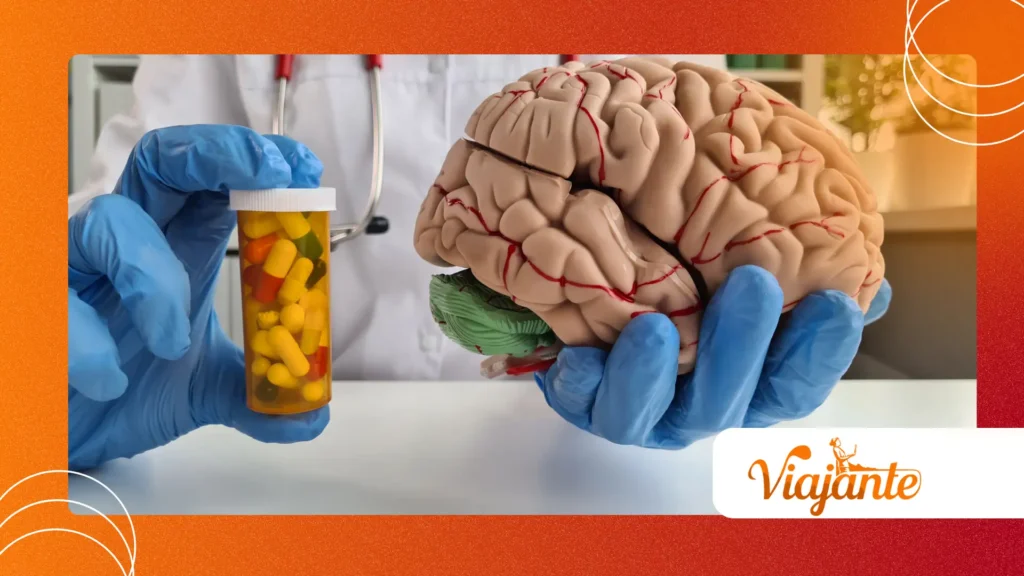
The modern remote workplace demands a relentless brand of focus, a kind of cognitive stamina that transforms bytes of data into sustainable careers.
Pubblicità
As freelancers and digital professionals look at shifting deadlines and infinite screen glare, the push for mental optimization feels less like a choice and more like a survival metric. It is precisely here, in the gap between fatigue and productivity, that the obsession with brain supplements takes root.
The core tension is clear: do these widely marketed compounds genuinely alter brain chemistry, or are we simply buying expensive reassurance in capsule form? Separating raw data from clever marketing requires a deep dive into empirical evidence, neurotransmitter pathways, and systemic safety.
For anyone relying entirely on their cognitive output to pay the rent, making an informed choice about these tools is a fundamental professional responsibility.
What Are Dietary Nootropics and How Do They Work?
The term encompasses a broad range of natural and synthetic compounds specifically utilized to enhance human executive function.
In the current remote work ecosystem, dietary nootropics have evolved from a niche tech-bro trend into a mainstream productivity strategy.
At a biological level, they target specific neurotransmitter pathways, alter cerebral blood flow, and attempt to shield neurons from the oxidative stress of a ten-hour workday.
Unlike prescription stimulants, clean natural enhancers aim for subtle, cumulative adjustments rather than a sudden, volatile spike in central nervous system activity.
They function by quietly optimizing the underlying cellular machinery required for memory consolidation and sustained attention spans. This gradual shift helps create a more resilient neurological baseline, giving you the capacity to handle dense data without immediate burnout.
Crucially, a genuine cognitive enhancer must prioritize safety and long-term neuroprotection above short-term stimulation. If a compound causes a severe energy crash or down-regulates your natural receptor sensitivity, it fails the definition of a true nootropic.
This distinction is often misunderstood by professionals who mistake the frantic buzz of high-dose caffeine for actual cognitive improvement.
How Does Science Distinguish Between Real Brain Boosts and Placebo Effects?
Isolating real neurological alterations from pure psychological expectation requires rigid, double-blind, placebo-controlled methodologies.
When neither the researcher nor the professional knows who receives the active compound, expectation bias evaporates. This rigorous framework is the only way to prove a supplement possesses genuine pharmacological utility.
Neuroimaging technologies, such as functional MRI and quantitative EEG, provide concrete, objective proof of altered brain activity. These scans map changes in blood oxygenation and neural oscillations, showing exactly how a brain behaves under the influence of a specific compound.
When an ingredient consistently outperforms an inert substance across these physiological metrics, it graduates into a verified cognitive tool.
Yet, the placebo effect remains a powerful force in productivity culture; believing a pill will grant you focus often creates a temporary surge in motivation.
The real test is durability. While psychological suggestion fizzles out after a few days of routine work, validated dietary nootropics maintain a statistically significant advantage over long-term clinical trials.
Which Dietary Nootropics Actually Have Proven Cognitive Benefits?
Only a handful of natural compounds survive rigorous scientific scrutiny while delivering practical utility for creative and analytical minds.
The combination of caffeine and L-theanine remains one of the most thoroughly documented pairs for sharp, immediate attention. The amino acid gracefully takes the edge off the stimulant, sharpening spatial awareness while neutralizing the typical caffeine jitters.
For memory integrity and stress adaptation, adaptogenic herbs like Bacopa monnieri present compelling, long-term data. Clinical trials indicate that consistent usage supports information retention by encouraging synaptic communication and dendritic
branching within the hippocampus. Meanwhile, Rhodiola rosea acts as an emergency valve against the acute mental fatigue caused by prolonged, high-pressure projects.
Choline donors, specifically Alpha-GPC, form another vital category by supplying the raw material needed for acetylcholine synthesis. This neurotransmitter acts as the primary fuel for learning, memory storage, and rapid executive decisions.
Ensuring an adequate supply of these molecular building blocks helps maintain processing speed when toggling between complex tasks.
+ Contraccettivi senza ormoni: cosa ci riserva il futuro?
Clinical Comparison of Validated Brain Supplements
Navigating the supplement market requires looking past broad promotional claims and focusing strictly on verified human data. This consolidated reference breaks down mechanisms, clinical evidence tiers, and specific professional applications based on contemporary neurological research.
| Supplement Name | Primary Mechanism of Action | Clinical Evidence Level | Ideal Professional Use Case |
| L-Theanine | Increases alpha brain waves and GABA | High (Multiple human trials) | Reducing anxiety during intense deadlines |
| Bacopa Monnieri | Enhances synaptic communication | Moderate to High (Requires 8-12 weeks) | Improving long-term memory retention |
| Rhodiola Rosea | Modulates cortisol and monoamines | Moderate (Excellent for fatigue) | Sustaining energy during long shifts |
| Alpha-GPC | Increases acetylcholine synthesis | Moderate (Supports neuroplasticity) | ECCelerating learning and technical study |
Why Should Freelancers and Remote Workers Care About Cognitive Longevity?
The modern gig economy extracts a steep price for mental downtime, making your cognitive clarity a direct variable in your financial health.
Because independent professionals lack corporate safety nets, income is tied entirely to a continuous stream of high-level output. Integrating verified dietary nootropics into a broader wellness protocol serves as a defensive strategy against career-ending burnout.
The reality of working from home means professional demands constantly bleed into personal recovery spaces, creating chronic, low-grade stress.
This persistent pressure slowly degrades the prefrontal cortex, chipping away at working memory and emotional regulation. Protecting your neurological infrastructure today is what allows you to sustain a lucrative, multi-decade career online.
Investing in your brain health also ensures you possess the cognitive flexibility required to learn complex new skills on the fly. As automation alters the landscape, the capacity to master unfamiliar systems quickly remains your most valuable asset.
Treating your mind like a depreciating piece of hardware leads to stagnation; treating it as an adaptable system yields long-term dividends.
+ Allenamento ipossico intermittente: le maschere per l'altitudine valgono davvero la pena?
When Is the Best Time to Consume Cognitive Supplements for Maximum Productivity?
Maximizing the impact of these compounds depends entirely on understanding their distinct pharmacokinetic profiles. Acute focus combinations, like caffeine paired with L-theanine, are highly effective when taken roughly thirty minutes before deep-work sessions. This window allows the active ingredients to hit peak plasma concentration precisely as your deep-focus blocks begin.
In contrast, fat-soluble adaptogens require regular, daily intake alongside meals to build up to a functional therapeutic threshold. Compounds like Bacopa monnieri offer no instant gratification; they reshape neural connections slowly over two to three months. Consistency and patience matter far more than the exact hour you swallow the capsule.
According to research insights from the Istituti nazionali di sanità, mapping your individual response curve protects your sleep architecture from accidental disruption.
Avoid using any stimulating compounds past mid-afternoon, as they can silently degrade deep sleep quality. Perfect sleep remains the fundamental biological requirement upon which all cognitive enhancement rests.
+ Zone blu e longevità: cosa abbiamo imparato finora
How to Build a Safe, Sustainable Brain-Boosting Routine

Constructing an effective regimen requires an analytical, deliberate approach tailored directly to your personal biology. Introduce only one new compound at a time to isolate its specific benefits or subtle side effects.
This methodical isolation prevents guesswork, helping you spot potential sensitivities before compounding variables into a complex stack.
- Consult a medical professional: Verify that new supplements will not conflict with existing prescriptions or health conditions.
- Demand absolute ingredient purity: Select manufacturers that provide transparent, independent third-party laboratory testing.
- Protect your physiological foundations: Never attempt to use supplements as a replacement for clean nutrition and hydration.
- Log your subjective metrics: Maintain a basic daily journal tracking your energy levels, mood shifts, and sleep duration.
Look for reputable supplement companies that offer downloadable Certificates of Analysis for every single product batch. Avoid proprietary blends that mask exact dosages under generic titles, a practice used to skimp on premium components.
True transparency in labeling is the ultimate marker of a supplement worth putting into your body.
Domande frequenti
Are dietary nootropics safe to use every single day?
Many natural options are safe for daily use, but cycling remains a smart approach for long-term health. Taking regular breaks prevents receptor downregulation, keeping the ingredients effective without needing to increase the dose.
How long does it take to notice real cognitive improvements?
Acute formulas like L-theanine work within forty-five minutes, easing anxiety and sharpening focus. Long-term adaptogens require a steady six to twelve weeks to alter neural efficiency and deliver noticeable memory improvements.
Can I replace a poor sleep schedule with brain supplements?
No. Supplements merely optimize existing neural foundations; they cannot repair the cellular damage caused by chronic sleep debt. Sleep remains the brain’s primary mechanism for clearing metabolic waste and consolidating data.
Do these supplements interact with prescription ADHD medications?
Yes, certain over-the-counter enhancers can significantly amplify or interfere with prescription stimulants and psychiatric medications. Consulting your physician before introducing these compounds into your routine is absolutely essential.
Navigating the Future of Mental Performance
An honest look at dietary nootropics requires balancing scientific skepticism with documented clinical realities. While specific ingredients provide clear, measurable support for memory, attention, and stress tolerance, they are complements, not cures.
Lasting professional success comes from marrying these validated tools with smart workflows, movement, and intentional rest.
To explore deeper updates on ingredient safety, clinical trials, and consumer protection alerts, review the resources on the U.S. Food and Drug Administration platform.
Approaching cognitive enhancement with an analytical mindset helps you build a career that is both highly productive and genuinely sustainable. Your mind is your primary income-generating asset—protecting its health is the smartest investment you can make.
\