
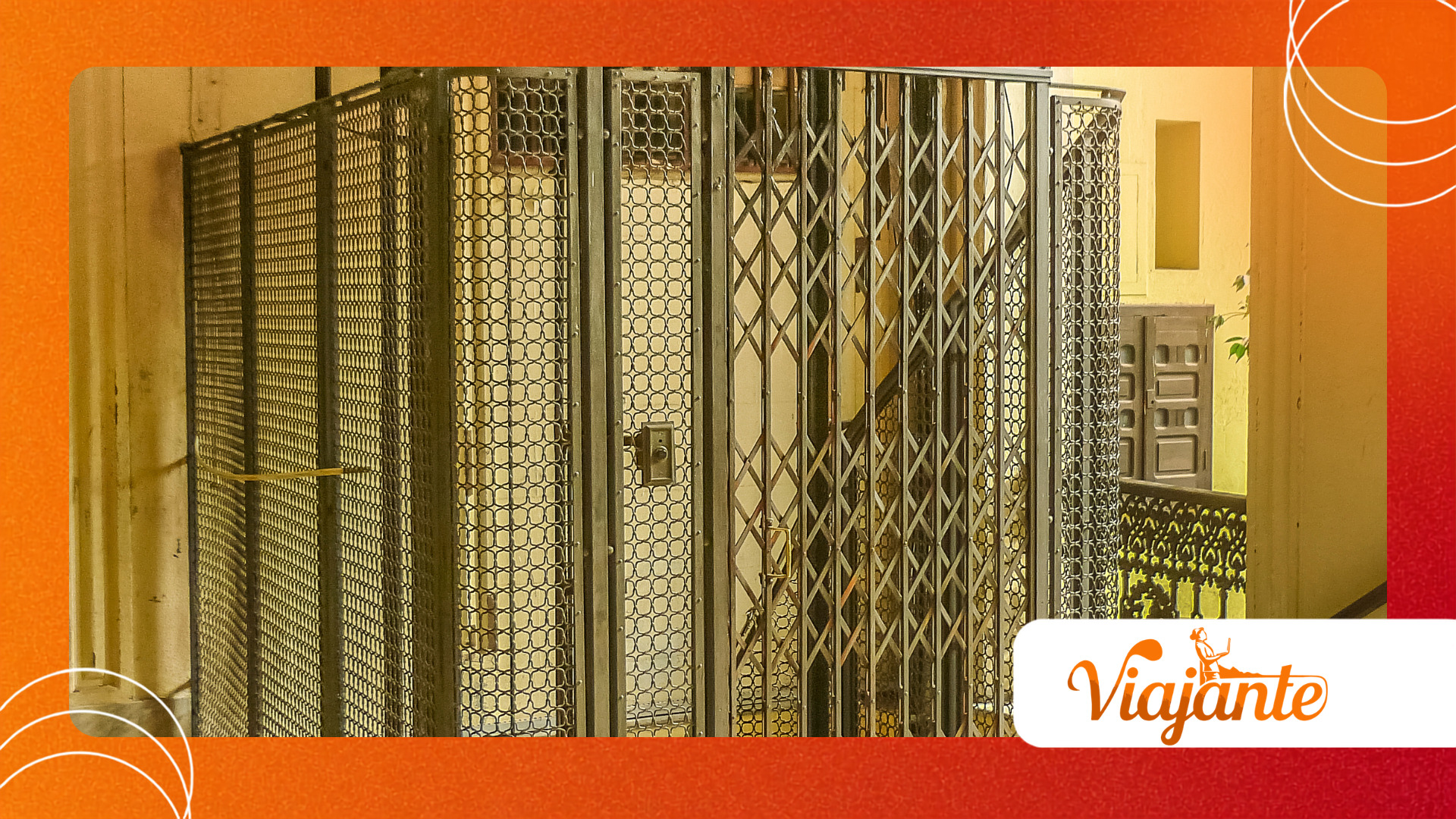
The Elevator That Inspired Decades of Ghost Stories
The mobile industry moves at a relentless, almost dizzying pace, constantly reshaping how remote professionals and freelancers navigate their daily work.
Pengumuman
Understanding these silicon hardware and battery shifts isn’t just tech enthusiasm—it is what keeps an independent digital business running smoothly in 2026.
This breakdown analyzes the fundamental shifts across silicon processors, multi-window displays, and battery chemistry.
Below, you will find practical answers regarding generative silicon, foldable durability, direct-to-cell satellite connectivity, solid-state progress, and actual device selection criteria for mobile workflows.
We evaluate these hardware upgrades through real-world performance, benchmarks, and actionable buying criteria tailored for independent remote workers.
Curiously, tech myths surrounding mobile power consumption often spread like an elevator that inspired decades of ghost stories—persistent, widely repeated, yet completely detached from modern engineering reality.
What Is driving generative AI hardware in modern smartphones?
Generative artificial intelligence now runs directly on modern mobile processors via dedicated Neural Processing Units (NPUs). Apple, Qualcomm, and MediaTek design custom silicon specifically to process natural language models locally without relying entirely on cloud server execution.
Local NPU execution drastically cuts processing latency while protecting data security during sensitive enterprise tasks.
Freelancers drafting confidential contracts or rendering complex media rely on on-device processing to guard client confidentiality while maintaining fast offline execution speeds.
System memory bandwidth serves as the central bottleneck for running parameter-dense AI models natively.
Modern devices feature high-speed LPDDR5X RAM architectures capable of transferring data at over 8.5 Gbps, preventing thermal throttling during sustained artificial intelligence workloads.
Analyzing these architectural shifts reveals that local processing capabilities eliminate traditional cloud API subscriptions for basic tasks.
Modern smartphones function effectively as self-contained personal AI workstations, elevating daily personal efficiency for mobile independent operators.
How does foldable display technology impact digital productivity?
Flexible OLED panels utilizing ultra-thin glass (UTG) have matured into durable daily-driver tools.
Manufacturers now engineer multi-link hinge mechanisms that fold completely flat, eliminating traditional screen crease vulnerabilities and significantly improving resistance against dust ingress.
Multi-window multitasking transforms a handheld smartphone into an efficient dual-monitor digital workspace.
Remote professionals can easily analyze spreadsheets on one side of the panel while taking video calls or taking notes simultaneously on the other side.
+-------------------------------------------------------------+
|               FOLDABLE DISPLAY UTILITY COMPARISON           |
+-------------------------------------------------------------+
| SCREEN MODE   | PRIMARY USE CASE          | ADVANTAGE       |
| Inner Unfolded| Dual-app splitscreening   | Desktop layout  |
| Cover Screen  | One-handed messaging      | Fast interaction|
| Flex / Tent   | Video meetings, hands-free| No tripod needed|
+-------------------------------------------------------------+
Display longevity now easily exceeds 500,000 fold cycles under rigorous stress testing standards.
That structural reliability ensures freelancers investing in premium foldable hardware achieve a dependable three-to-four-year operational lifecycle without screen degradation.
Separating persistent workplace myths from true hardware engineering requires careful technical observation.
Much like examining an elevator that inspired decades of ghost stories, evaluating display endurance demands separating spooky urban legends from documented physical durability metrics.
++ Kebenaran Tentang Penampakan Legenda Urban Kereta Bawah Tanah Hantu
Why are satellite messaging capabilities crucial for remote workers?
Direct-to-cell satellite technology connects smartphones directly to low Earth orbit (LEO) satellite constellations.
Mobile operating systems automatically route emergency signals and text messages through satellite networks whenever terrestrial cellular towers remain completely out of reach.
Digital nomads working in remote geographic locations gain unprecedented safety coverage and uninterrupted communication channels.
This continuous reach ensures critical client communication remains intact even when operating entirely off the grid in remote rural regions.
Emergency connectivity protocols utilize low-bandwidth narrow spectrum bands to establish low-latency satellite links.
Hardware antennas dynamically steer wireless signals, allowing devices to transmit coordinate telemetry through clear sky pathways within seconds.
For an extensive analysis of space-based communications infrastructure, review NASA Space Communications and Navigation for detailed technical documentation on orbital network protocols and spectrum management standards.
Summary of Mobile Hardware Trends (2026 Standards)
| Trend Category | Core Technology | Primary Freelancer Benefit | Industry Standard Benchmark |
| On-Device AI | High-NPU Silicon (NPU TOPS > 45) | Offline text/code generation, privacy | Sub-100ms response time |
| Foldable Displays | UTG + Multi-link Hinges | True side-by-side app multitasking | 500k+ folding endurance |
| Satellite Links | Direct-to-Cell LEO Networks | Emergency messaging in remote locations | Global coverage reach |
| Battery Tech | Silicon-Anode / Solid-State Hybrid | 2-day battery life, ultra-fast charging | 800+ full charge cycles |
When will solid-state batteries replace lithium-ion in phones?
Silicon-anode hybrid batteries are currently replacing traditional lithium-ion formulations in flagship mobile hardware.
True solid-state electrolytes are appearing in commercial prototypes, offering dramatically higher energy density without increased physical battery dimensions.
Increased energy density allows manufacturers to build thinner smartphones without sacrificing overall daily battery performance.
Digital freelancers can easily work through intensive single-day travel schedules without constantly hunting for wall outlets or carrying heavy external battery packs.
+-------------------------------------------------------------+
|             BATTERY DENSITY & CHARGING EVOLUTION             |
+-------------------------------------------------------------+
| FORMULATION      | ENERGY DENSITY   | THERMAL STABILITY     |
| Lithium-Ion      | Baseline         | Moderate Heat Risk   |
| Silicon-Anode    | +20% to +30%     | High Thermal Control |
| Solid-State      | +50%+ Higher     | Exceptional Safety   |
+-------------------------------------------------------------+
Thermal management systems utilize vapor chamber cooling networks to prevent lithium degradation during rapid charging cycles.
Efficient heat dissipation preserves total battery health, guaranteeing long-term power retention across hundreds of rapid charge cycles.
Dismissing persistent technological misconceptions allows users to optimize their everyday mobile battery charging routines.
Overcoming fake tech myths works like investigating an elevator that inspired decades of ghost stories: actual scientific evidence removes irrational fears surrounding fast-charging safety.
++ Mengapa Pencarian Legenda Urban tentang VHS Terkutuk Meningkat Pesat?
Which smartphone camera features matter most for content creators?
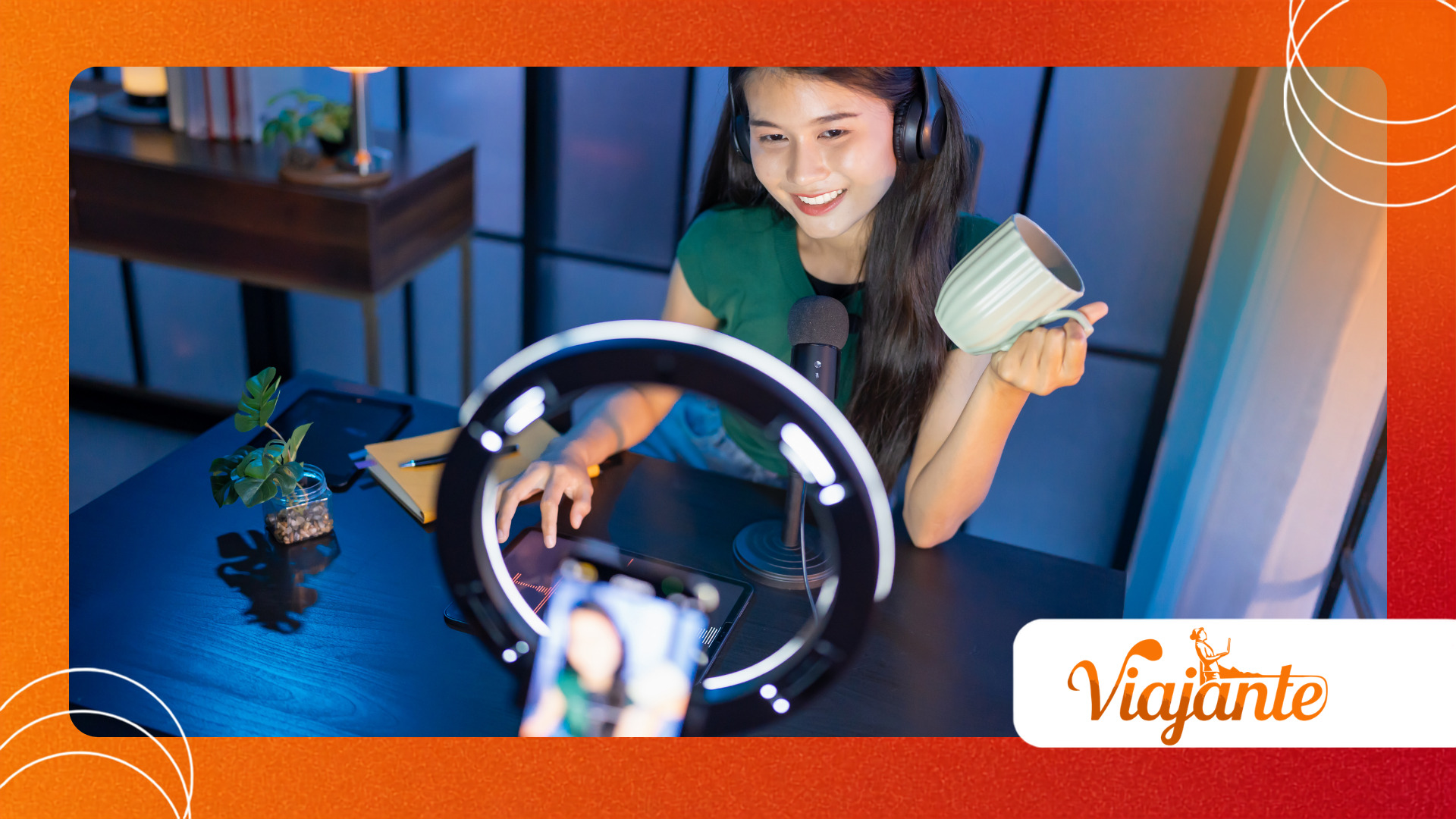
Large 1-inch type image sensors paired with computational optics yield DSLR-quality image capture in portable form factors.
Independent creators can shoot high-bitrate 4K video, record crisp audio, and edit color profiles natively without carrying bulky external camera equipment.
Variable physical apertures enable authentic optical depth-of-field control rather than relying purely on software-blur algorithms.
True optical bokeh renders clear subject separation, making video presentation assets look polished and professionally produced for remote client proposals.
Spatial audio recording arrays leverage directional microphone capsules to eliminate ambient background noise automatically.
Clean voice isolation ensures podcast recordings, video calls, and remote client interviews maintain broadcast-quality audio clarity in busy public environments.
Raw video format processing enables extensive post-production color grading flexibility directly within mobile editing suites.
Digital professionals save precious billable hours by shooting, editing, and publishing client media assets entirely from one pocketable device.
What are the security risks of modern mobile operating systems?
Hardware-enclosed security chips isolate biometric authentication records, encryption keys, and payment credentials from the primary system processor.
Isolated security enclaves prevent malicious applications from intercepting sensitive client passwords or private business banking details.
Zero-trust system permissions prompt users whenever applications request access to camera hardware, microphone arrays, or background location metrics.
Granular permission management ensures rogue software cannot silently harvest corporate intelligence or personal communication records.
Automated firmware patching systems deliver critical security fixes over-the-air instantly without disrupting daily workflow activities.
Immediate vulnerability patching protects remote freelancers against emerging zero-day exploits aimed at compromising mobile operating system kernels.
Reliable digital security relies heavily on clear system architecture rather than superstitious precautions.
Just like debunking an elevator that inspired decades of ghost stories, understanding hardware sandboxing dispels paranoia surrounding mobile operating system privacy and data protection.
++ Kebenaran Tentang Legenda Penjumpaan di Lantai Hotel Hantu
How to optimize a smartphone for professional remote work?
Maximizing mobile productivity requires establishing intentional notification settings to protect deep focus blocks throughout the working day.
Grouping messaging alerts into batch schedules eliminates continuous task-switching interruptions while preserving responsiveness for urgent client inquiries.
Work profile isolation completely separates professional application data, enterprise communication platforms, and personal software assets.
Dynamic profile sandboxing ensures corporate security compliance while preventing work activities from bleeding into personal downtime boundaries.
+-------------------------------------------------------------+
|             OPTIMIZED REMOTE WORKSPACE SETUP                |
+-------------------------------------------------------------+
| WORKFLOW LAYER    | RECOMMENDED CONFIGURATION               |
| Focus Management  | Scheduled notification batching         |
| Data Separation   | Containerized Work Profile / Sandboxing |
| Peripherals       | Foldable bluetooth keyboard + mouse     |
+-------------------------------------------------------------+
External display projection protocols turn flagship mobile phones into functional desktop environments when connected to external monitors. Pairing a wireless keyboard and mouse creates a functional mobile office anywhere remote work takes you.
For comprehensive technical analysis on workplace ergonomics and remote productivity strategies, consult IEEE Spectrum for peer-reviewed engineering insights and emerging mobile computing standards.
Kesimpulan
Mobile technology in 2026 has quietly crossed a threshold where pocket hardware genuinely competes with laptop-grade performance.
For digital creators and remote professionals, staying informed on these architectural shifts isn’t about buying into hype—it is about choosing tools that actively protect privacy, extend operational uptime, and eliminate unnecessary friction in an increasingly decentralized working world.
FAQ (Pertanyaan yang Sering Diajukan)
How does on-device AI differ from traditional cloud-based AI tools?
On-device AI executes algorithms directly using hardware NPUs inside the phone. This approach yields instant processing responses, eliminates active internet connection requirements, and keeps private user data completely offline.
Do foldable smartphone displays wear out quickly under daily heavy use?
Modern foldable smartphones utilize flexible ultra-thin glass and multi-link hinges rated for over 500,000 folds. Standard commercial usage guarantees years of daily operation without structural creasing or panel failure.
What is the advantage of silicon-anode batteries over standard lithium-ion?
Silicon-anode batteries store significantly more electrical energy per millimeter than traditional lithium-ion configurations. They deliver longer single-charge battery life, faster charging support, and superior physical heat resistance.
\