
Mengapa Kuda Criollo Saat Ini Dipelajari untuk Tukak Lambung?
Equine Gastric Ulcer Syndrome (EGUS) remains one of the most stubborn gastrointestinal challenges in modern veterinary medicine.
Pengumuman
When we look at standard performance breeds, stomach lesions almost feel like an inevitable tax on domestication, training, and stabled life.
Studying these hardy South American equines offers a compelling lens into comparative gastroenterology and the biological safeguards of mucosal health.
This guide delves into why veterinary science is investigating the Criollo Horses breed to unlock better gastric outcomes.
We will explore how centuries of natural selection shaped their digestive mechanics, how pasture management keeps mucosal damage at bay, and what modern diagnostic protocols reveal.
Beyond the science, you will find practical, high-impact forage and management strategies to protect performance horses across any discipline.
Comparing native working stock with high-strung athletic breeds reveals a simple truth: context dictates health.
What Is the Link Between Criollo Horses and Ulcer Research?
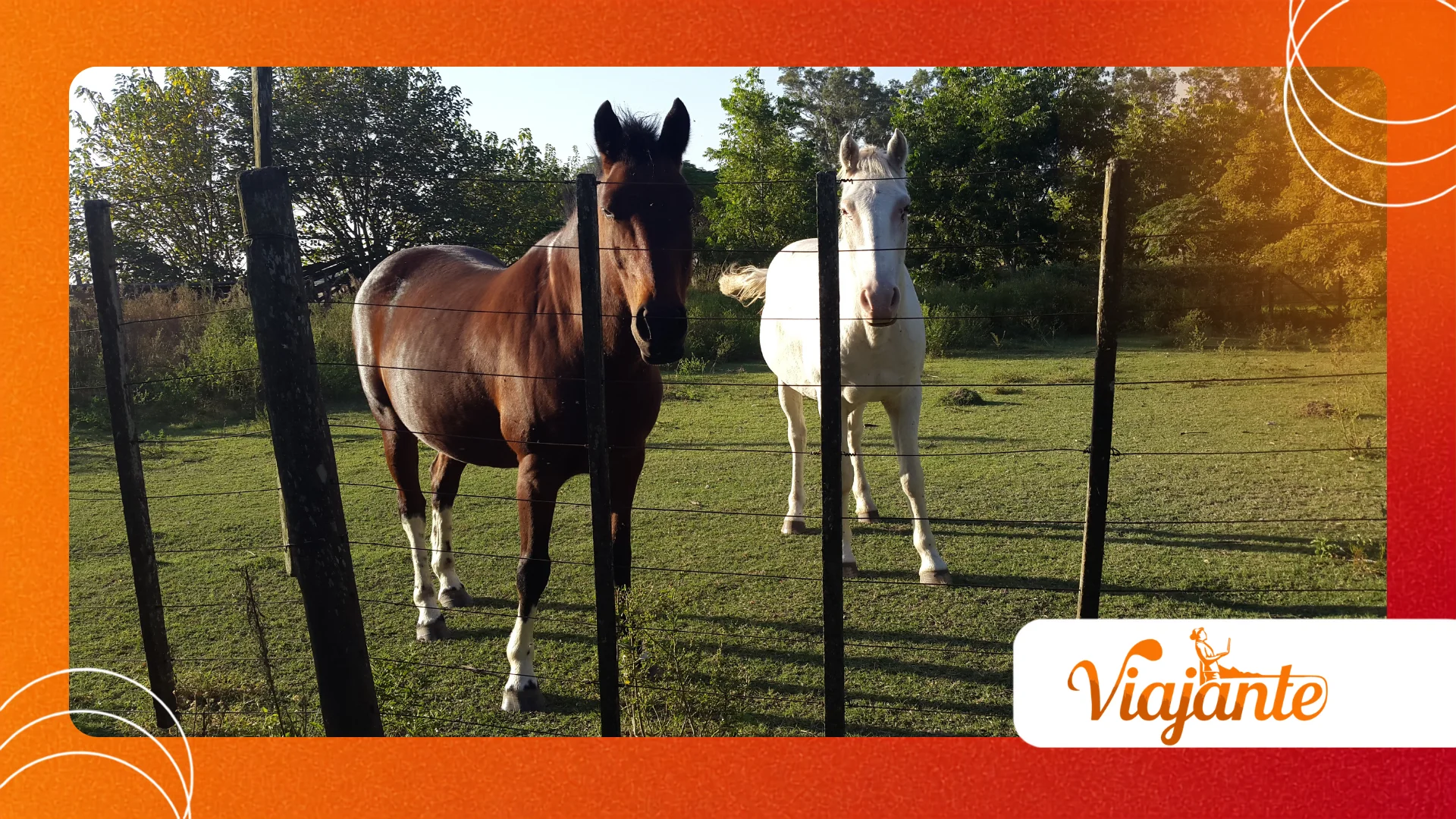
Researchers analyze Criollo Horses because their historical development created a remarkably efficient metabolism paired with rugged physical hardiness.
Descended from Iberian stock released into the South American Pampas, these animals adapted to severe climate swings and sparse forage through unforgiving natural selection.
Consequently, scientists examine whether these unique evolutionary traits offer inherent protection against severe gastric mucosal erosion.
While stabled Thoroughbreds frequently register ulcer prevalence rates above 80%, native range breeds demonstrate surprising mucosal integrity.
This stark contrast gives equine gastroenterologists a rare control group to separate environmental triggers from genetic predispositions.
By investigating their gastrointestinal mechanics, clinical researchers gain critical clues for developing universal preventative measures against Equine Gastric Ulcer Syndrome in high-risk athletic horses worldwide.
                     +---------------------------------------+
                     |  Centuries of Natural Selection       |
                     |  in Harsh South American Environments |
                     +-------------------+-------------------+
                                         |
                                         v
                     +---------------------------------------+
                     |  Enhanced Physiological Resilience &  |
                     |  Optimized Digestive Acid Buffering   |
                     +-------------------+-------------------+
                                         |
                                         v
                     +---------------------------------------+
                     | Comparative Research Target for EGUS  |
                     | Prevention and Mucosa Protection      |
                     +-------------------+-------------------+
Why Do Criollo Horses Show Distinct Gastric Health Profiles?
Constant grazing keeps the chewing mechanism active, driving continuous saliva production that naturally buffers hydrochloric acid in the stomach’s non-glandular region.
Their baseline digestive physiology simply reflects the natural state equines were built to maintain.
Research published in peer-reviewed literature highlights how roughage-centric feeding protects working police horses against mucosal erosion.
You can explore these detailed findings on equine gastric ulcer prevalence in the Pusat Informasi Bioteknologi NasionalBasis data.
Epidemiological surveys confirm that management choices ultimately dictate whether equine gastric glandular disease (EGGD) or equine squamous gastric disease (ESGD) takes root.
How Does Management Impact Ulcer Prevalence in Working Breeds?
Management conditions shape gastric health far more decisively than inherent breed hardiness ever could.
Extended stall confinement, rigid meal schedules, and starch-heavy concentrates rapidly elevate stomach acidity levels.
When horses go hours without forage, unbuffered gastric acid sloshes against the unprotected squamous mucosa during exercise, causing rapid tissue breakdown.
┌────────────────────────────────────────────────────────────────────────┐
│                   FACTORS INFLUENCING GASTRIC HEALTH                   │
├──────────────────────────────────┬─────────────────────────────────────┤
│      Risk Factors (EGUS)         │     Protective Management           │
├──────────────────────────────────┼─────────────────────────────────────┤
│ • High-starch concentrate feeds  │ • Continuous pasture/hay availability│
│ • Prolonged stall confinement    │ • Regular exercise routines         │
│ • Intermittent feed deprivation  │ • Consistent daily feeding times    │
│ • Intense exercise on empty stomach│ • Saliva-stimulating roughage    │
└──────────────────────────────────┴─────────────────────────────────────┘
Working Criollo Horses kept in pasture-based or semi-confined systems show minimal mucosal damage despite demanding daily work schedules.
Open turnout encourages herd socialization, which cuts chronic stress and keeps gastrointestinal motility steady.
As a result, stress-induced ulcers remain rare in herds kept close to their natural living conditions.
Veterinary research continually underlines that diet structure governs stomach health across all riding disciplines, including working Criollo Horses.
Feeding adequate long-stem forage creates a physical barrier inside the stomach, preventing acid splash during movement.
These clear, practical observations are reshaping modern welfare and management standards for performance horses globally.
++ Mengapa Kuda yang Menderita Laminitis Membutuhkan Perawatan Lebih dari Musim Semi?
Which Gastric Health Parameters Are Evaluated in Recent Studies?
Modern research relies on standardized gastroscopic scoring systems to assess stomach health in Criollo Horses accurately.
Veterinarians pass a flexible endoscope into the fasted horse’s stomach to inspect both the upper squamous and lower glandular regions.
Lesions receive a clear grade, ranging from Grade 0 for intact tissue up to Grade 4 for deep, widespread ulceration.
GASTRIC ULCER SCORING SCALE (EGUS)
───────────────────────────────────────────────────────────────────────────
[Grade 0] Epithelium intact; no hyperkeratosis or mucosal lesions.
[Grade 1] Intact mucosa with localized areas of hyperkeratosis.
[Grade 2] Small, single or multifocal focal lesions.
[Grade 3] Large single lesions or extensive superficial ulceration.
[Grade 4] Deep, extensive lesions with active bleeding or mucosal erosion.
───────────────────────────────────────────────────────────────────────────
Beyond endoscopic visuals, clinicians track body condition scores, heart rate variability, and blood markers to measure systemic stress.
Mucosal biopsies offer deeper insights into tissue changes like hyperkeratosis or cellular swelling.
Together, these metrics give researchers a clear, objective picture comparing hardy range Criollo Horses with high-stress athletic equines.
++ Bagaimana Tukak Lambung pada Kuda Dapat Tersembunyi di Balik Tanda-Tanda Kesehatan yang Samar
Comparative Data: EGUS Prevalence Across Equine Categories
| Horse Category / Breed Context | Primary Housing & Diet Type | Typical EGUS Prevalence | Key Observed Gastric Findings |
| Working Criollo Horses | Fiber-incorporated diet, active patrol | Very Low (~3.3%) | Predominantly Grade 0 intact mucosa |
| Thoroughbred Racehorses | Stabled, high concentrate, intense training | High (80% – 93%) | Severe squamous lesions, acid splash |
| Endurance Horses (In Season) | Variable turnout, high energy demands | Moderate-High (60% – 90%) | Mixed squamous and glandular lesions |
| Feral / Wild Equids | Free-roaming pasture, 100% natural forage | Low (10% – 30%) | Minimal mucosal erosion, rare ulcers |
Strategic Takeaways for Equine Digestive Management
Implementing evidence-based nutritional strategies directly reflects the protective biological mechanisms observed in resilient working breeds.
Prioritizing continuous forage availability, strategically scheduling pre-exercise roughage meals, and minimizing unnecessary daily stress factors effectively preserve mucosal integrity across all athletic disciplines.
Equine managers and veterinarians who apply these foundational principles ensure sustainable gastrointestinal health, improved performance consistency, and long-term athletic durability for their horses.
++ Mengapa Gajah Asia Membutuhkan Perlindungan Baru Terhadap EEHV yang Mematikan Sekarang?
What Key Takeaways Can Horse Owners Apply Today?
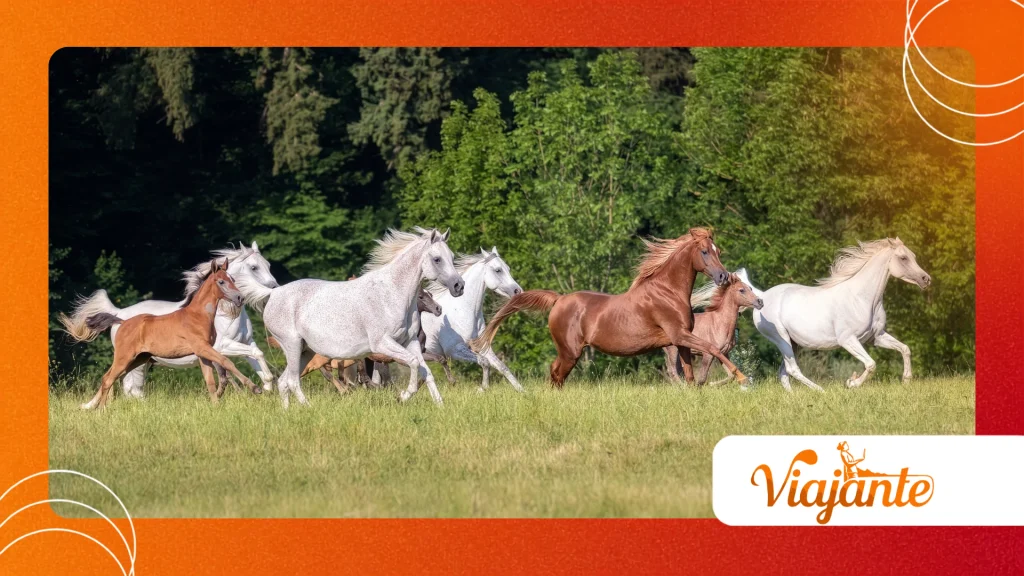
Providing steady access to quality roughage remains the most reliable way to guard the gastric lining.
Keeping hay or pasture available allows constant chewing, letting natural saliva neutralize stomach acid around the clock.
- Prioritize Continuous Fiber: Keep long-stem hay accessible so continuous chewing generates a steady flow of acid-buffering saliva.
- Break Up Grain Rations: Split concentrated feeds into smaller, frequent meals to avoid sudden spikes in volatile fatty acid levels.
- Feed Forage Before Rides: Offer a flake of alfalfa hay 30 minutes before tacking up to form a protective mat against acid splash.
- Maximal Turnout and Social Contact: Turn horses out daily with companions to keep cortisol low and support normal gut motility.
Diagnostic gastroscopy spots early mucosal changes long before weight loss or colic symptoms show up.
Implementing these straightforward adjustments protects stomach health and supports long-term athletic soundness.
To review official veterinary guidelines on equine digestive health and disease prevention, explore the practical evidence-based resources provided by the Asosiasi Praktisi Kuda Amerika.
Kesimpulan
Mempelajari Criollo Horses reminds us how profoundly diet, movement, and natural adaptations influence equine gut health.
While modern performance environments create real ulcer risks, prioritizing continuous forage and lowering daily stress offers a clear path toward protection.
Applying these practical lessons allows horse owners to safeguard digestive health and ensure long-term vitality for their animals.
Pertanyaan yang Sering Diajukan (FAQ)
What makes Criollo horses particularly valuable for gastric ulcer research?
Their evolutionary background in rugged environments, combined with high-forage diets, provides a natural baseline for studying mucosal resilience and acid management in Criollo Horses.
Can Criollo horses still develop gastric ulcers under improper management?
Yes. Depriving them of forage, overfeeding concentrates, or keeping them stalled for long periods will cause gastric ulcers in Criollo Horses just like any other breed.
What are the main clinical signs of equine gastric ulcers?
Watch for subtle changes: picky eating, mild intermittent colic, unexplained weight loss, poor coat condition, girthiness, or sudden changes in attitude under saddle.
How do veterinarians definitively diagnose gastric ulcers in horses?
Veterinarians use a flexible endoscope during a gastroscopic exam to visually inspect the stomach lining and grade any existing lesions accurately.
\