
How to Get a Personal Loan With Fair Credit
Human culture flourishes through localized adaptations, geographic isolation, and distinct social practices.
Pengumuman
Remote global communities maintain fascinating cultural customs, architectural solutions, and linguistic systems that evolved to solve specific geographical or historical challenges over centuries.
Discovering unique heritage offers valuable insights into human ingenuity and cultural resilience worldwide.
Readers seeking villages that have unique traditions can explore distinct global destinations through this comprehensive guide detailing authentic cultural anomalies, architectural adaptations, and centuries-old local customs.
Summary of Topics Covered:
- What is a Whistled Language Village? (La Gomera’s Silbo Gomero)
- How Does an Artificial Sun Illuminate a Valley? (Viganella’s Solar Mirror)
- Why Does Nagoro Craft Life-Sized Dolls? (Japan’s Kakashi Tradition)
- Which Village operates Entirely Without Roads? (Giethoorn’s Canal Network)
- Comparative Overview Table of Unique Global Villages
- Pertanyaan yang Sering Diajukan (FAQ)
What is a Whistled Language Village?
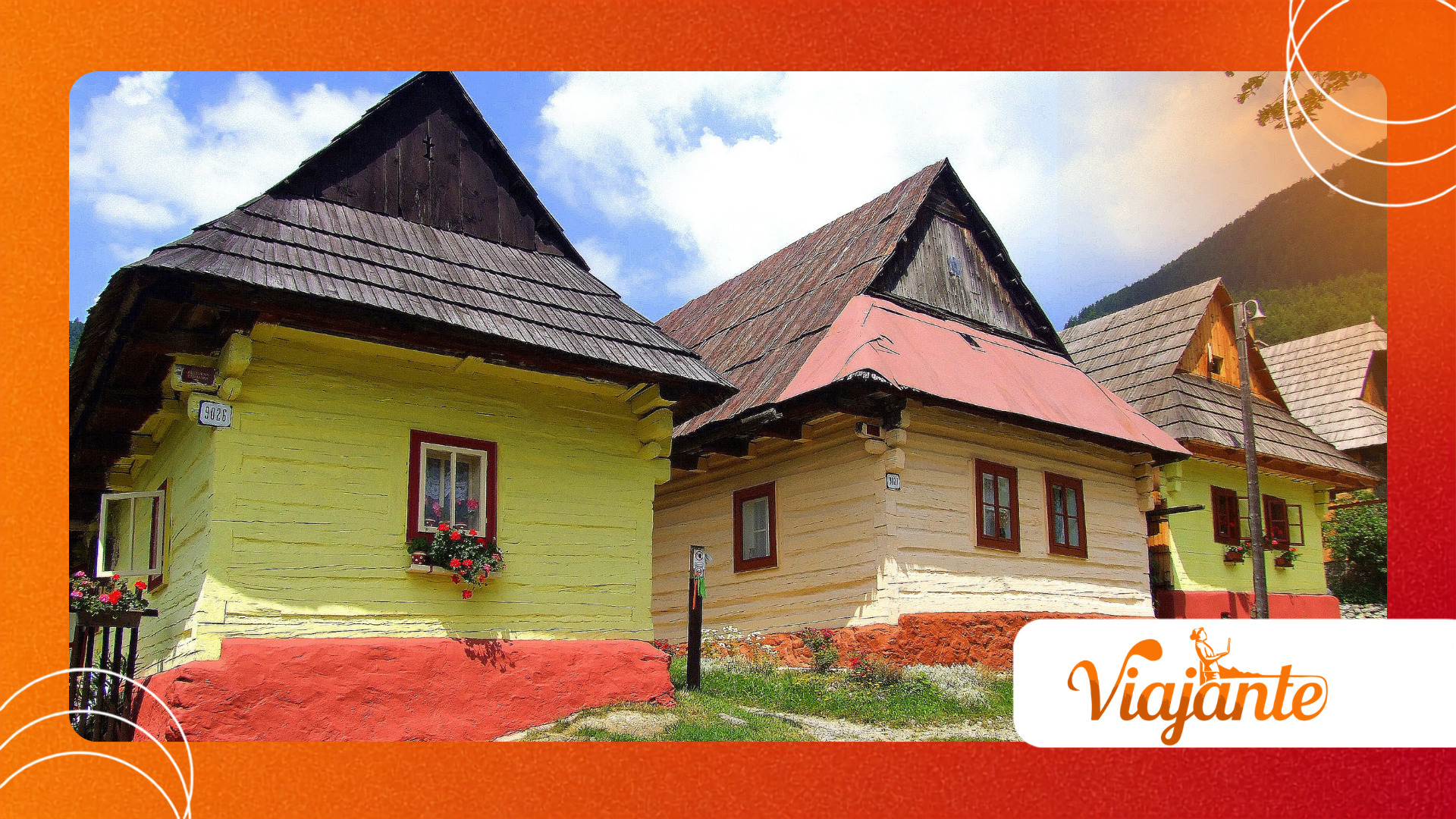
In the rugged terrain of La Gomera within the Canary Islands, residents developed a complex whistled speech form called Silbo Gomero.
Mountainous ravines historically obstructed direct verbal communication across long physical distances.
Villagers pitch Spanish vowels and consonants into high-frequency whistles that travel up to five kilometers across steep valleys. This extraordinary communication system evolved directly from survival necessity in isolated terrain.
Recognized as Intangible Cultural Heritage by UNESCO, local educational programs mandate Silbo Gomero instruction in primary schools. This guarantees that villages that have unique traditions preserve vital historical knowledge across generations.
How Does an Artificial Sun Illuminate a Valley?
Nestled deep inside the Antigorio Valley in northern Italy, the small alpine village of Viganella faces dramatic surrounding mountains.
Consequently, the community experiences complete natural sunlight deprivation annually from November 11 to February 2.
In 2006, local engineer Emilio Barlocco and mayor Pierfranco Midali designed a massive steel-framed mirror measuring eight meters wide by five meters high. The computer-controlled tracking mechanism reflects direct sunlight into the main public square.
This innovative technological intervention transformed social seasonal depression into vibrant winter gatherings. Remote professionals and curious travelers regularly visit this engineering marvel to observe artificial daylighting solutions firsthand.
Why Does Nagoro Craft Life-Sized Dolls?
Deep within the Iya Valley on Shikoku Island, Nagoro faced drastic depopulation as young residents migrated toward urban centers. Local resident Tsukimi Ayano began hand-sewing life-sized fabric dolls called kakashi to replace departed neighbors.
These handcrafted figures occupy bus stops, classrooms, garden plots, and home porches throughout the village. Currently, dolls outnumber human residents by a ratio exceeding ten to one, drawing global cultural interest.
Understanding community artistic responses to rural demographic declines offers useful lessons for researchers studying cultural preservation.
Menjelajahi UNESCO World Heritage Center documentation reveals how isolated rural traditions maintain historic continuity globally.
How Global Traditions Inspire Modern Remote Work Culture
Stepping back from these fascinating geographic anomalies, there is a striking parallel between isolated communities preserving their distinct customs and the evolving ways modern professionals structure their lives online.
Remote workers and freelancers often face their own version of geographic or professional isolation, making the study of villages that have unique traditions surprisingly relevant to career sustainability.
Just as islanders in La Gomera engineered a whistled dialect to navigate impassable ravines or Viganella redirected sunlight with mirrors, digital nomads must design custom routines, workflows, and communication channels to thrive across borders.
Embracing intentionality, respecting local environments, and building tight-knit digital tribes allows location-independent workers to cultivate sustainable, meaningful habits that stand out in an increasingly homogenized global economy.
++Bagaimana Air Asin Asteroid Kuno Dapat Mengubah Ilmu Antariksa
Which Village Operates Entirely Without Roads?
Giethoorn, situated in the Dutch province of Overijssel, features zero traditional paved roads within its historic central district. Punting boats, electric whisper boats, and wooden footbridges serve as primary transport modes for residents.
Peat harvesting in the eighteenth century created vast shallow canals throughout the settlement footprint.
Villagers subsequently adapted daily routines around waterways, creating an exceptionally quiet, low-emission residential environment.
Navigating water highways requires specific navigation customs, communal maintenance protocols, and precise seasonal flood planning.
Remote workers studying sustainable living models frequently analyze Giethoorn’s historic water management framework.
++Mengapa Ulat Pengumpul Tulang Adalah Pemburu Teraneh di Alam?
Comparative Data of Unique Villages and Traditions
| Village Name | Negara | Unique Tradition / Feature | Origin / Cause | Primary Mode of Transit |
| La Gomera Villages | Spanyol | Silbo Gomero whistled language | Mountainous canyon isolation | Footpaths & rural roads |
| Viganella | Italia | Computerized giant solar mirror | Mountain sunlight block (83 days) | Walking & local roads |
| Nagoro | Jepang | Life-sized human replacement dolls | Severe rural depopulation | Mountain highways |
| Giethoorn | Netherlands | Entirely roadless canal network | Historical peat excavation | Whisper boats & footbridges |
How Global Communities Preserve Their Identity

Cultural preservation relies on the deliberate choices made by tight-knit communities facing modern pressures.
In an increasingly connected world, isolated enclaves safeguard their inherited practices by passing knowledge down through oral storytelling, hands-on apprenticeship, and localized educational efforts.
Rather than treating their customs as static museum pieces, residents actively integrate ancestral traditions into daily life to reinforce social cohesion across generations.
These living cultural systems offer valuable lessons in community resilience, practical ingenuity, and historical continuity.
By maintaining distinct communication networks, unique spatial designs, and specialized communal events, remote settlements demonstrate how human societies adapt to challenging environments without losing their core heritage.
Supporting authentic cultural preservation ensures that these rare, localized perspectives continue to inform our broader understanding of human diversity and shared history.
++ Misteri di Balik Teori Kekosongan Kosmik Bumi Terungkap
How Do Remote Traditions Preserve Cultural Heritage?
Isolated settlements retain distinct cultural identities due to geographic boundaries, historical necessity, and strong community cohesion.
Modern global connectivity often risks homogenizing regional customs, yet these communities intentionally safeguard ancestral practices.
Documenting local customs provides valuable insights into human adaptation, engineering creativity, and social resilience.
For digital nomads and location-independent professionals, studying these unique environments fosters fresh perspectives on work-life harmony and sustainable community design.
Modern researchers analyze how villages that have unique traditions balance tourism growth with authentic heritage preservation. Preserving intangible heritage requires active community participation alongside structured educational initiatives.
Analyzing unique global customs expands professional problem-solving frameworks by demonstrating diverse solutions to environmental challenges.
Discovering world geography research on National Geographic Education helps professionals gain deeper cross-cultural competence.
Pertanyaan yang Sering Diajukan (FAQ)
What defines a village with unique traditions?
A village with unique traditions maintains documented social practices, communication systems, or architectural adaptations found nowhere else, typically developed in response to environmental isolation.
Can tourists visit these unique global villages?
Yes, most unique villages welcome visitors, provided travelers respect local customs, maintain eco-friendly habits, and support authentic regional small businesses during their stay.
How do modern technologies affect ancient rural traditions?
Technology often aids preservation by enabling digital documentation, global educational outreach, and specialized infrastructure like solar reflectors while helping rural communities remain connected globally.
Kesimpulan
Exploring global communities reveals humanity’s remarkable capacity for environmental adaptation and cultural creativity.
From whistled mountain languages to giant tracking mirrors, these extraordinary practices demonstrate sustainable community resilience.
Understanding regional traditions enriches our global perspective, offering practical inspiration for modern problem-solving and sustainable living. Safeguarding these distinct customs ensures future generations continue learning from historic human ingenuity.
\