
The Deep-Sea Creatures We Have Barely Begun to Understand
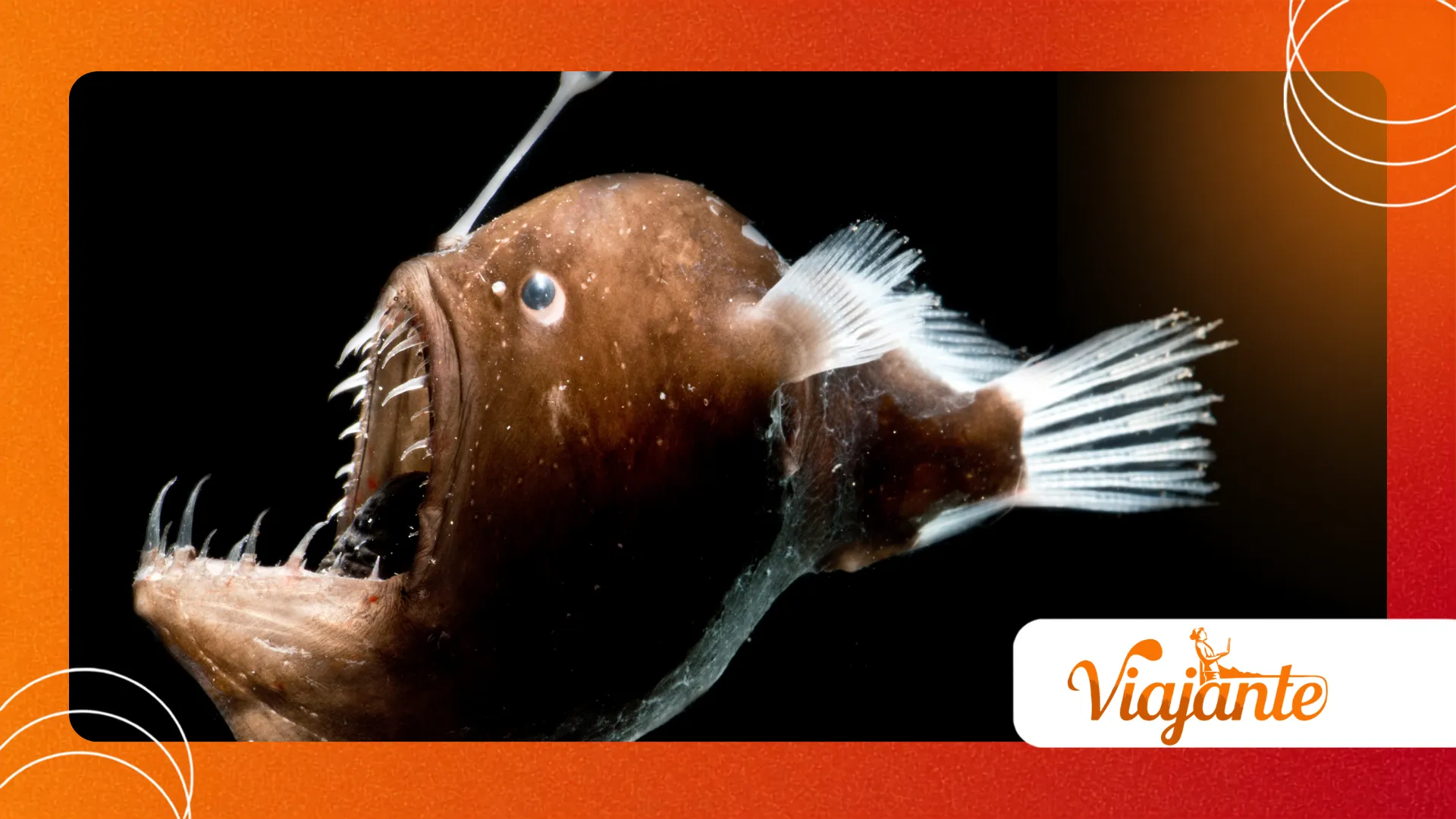
Exploring lightless abyssal waters reveals deep-sea creatures we have barely begun to understand, exposing biological adaptations that fundamentally challenge classical marine ecological theories and planetary evolution models.
Oglasi
Oceanographic mapping initiatives confirm that over eighty percent of global seafloor bathymetry remains completely unobserved by modern multi-beam sonar systems or subsea robotic platforms.
This comprehensive review examines extreme physiological adaptations, recent benthic discoveries, real data tables, critical environmental threats, technological innovations, and frequently asked abyssal questions.
What Are the Primary Extreme Environments Supporting Abyssal Life?
Hydrothermal vents spew superheated mineral fluids into freezing seawater, creating localized microclimates where chemosynthetic bacteria synthesize organic energy without sunlight exposure.
Abyssal plains stretch across millions of square kilometers, presenting uniform mud flat environments subject to intense hydrostatic pressure and scarce organic nutrient deposition.
Hadal trenches plunge beyond six thousand meters depth, forming isolated biological islands where endemic species evolve unique physiological traits under extreme ecological isolation.
Cold seeps release methane and hydrogen sulfide from sub-seafloor reservoirs, nourishing dense communities of specialized tubeworms, bivalves, and extremophilic microbial mats across continental slopes.
Seamounts disrupt deep ocean currents, forcing nutrient-rich waters upward to sustain vibrant cold-water coral gardens and complex invertebrate ecosystems thriving in perpetually dark ocean currents.
Biological surveys around isolated seamounts frequently locate deep-sea creatures we have barely begun to understand, expanding global taxonomic records and highlighting fragile underwater biodiversity hotspots.
How Do Deep Ocean Species Adapt to Hydrostatic Pressure?
Cellular integrity at immense depths depends heavily on organic osmolytes like trimethylamine N-oxide, which stabilizes delicate protein structures against compressive forces exceeding eight hundred atmospheres.
Unsaturated fatty acids saturate abyssal cell membranes, maintaining necessary fluid dynamics and nutrient transport pathways in water temperatures hovering near freezing points.
Skeletal frameworks in deep benthic fishes favor flexible cartilaginous structures over rigid bones, reducing metabolic demands where calcium carbonate dissolves rapidly under high pressure.
Enzymatic machinery inside trench organisms functions efficiently without structural distortion, demonstrating precise molecular evolutionary adjustments to extreme physical environment parameters.
Invertebrates inhabiting hadal regions lack air-filled body cavities altogether, eliminating internal pressure gradients that would otherwise collapse delicate tissue structures during rapid movement.
Metabolic rates among deep scavengers remain exceptionally slow, conserving essential metabolic energy during unpredictable multi-year gaps between massive food fall events.
Examining these biochemistry adaptations in deep-sea creatures we have barely begun to understand provides invaluable insights into biomaterial synthesis and extremophile evolutionary biology.
Which Bioluminescent Mechanisms Function in the Midnight Zone?
Luciferin-luciferase chemical reactions inside specialized photophores produce cold light, allowing bathypelagic organisms to communicate, attract mates, or distract potential predators effectively.
Counterillumination techniques enable midwater fishes to match downwelling ambient light, masking their underbelly silhouettes from predators hunting from darker waters beneath them.
Red bioluminescence emitted by dragonfishes illuminates prey hidden in dark waters, granting an exclusive hunting band invisible to most ocean inhabitants lacking red-light receptors.
Gelatinous siphonophores deploy intricate bioluminescent lures along extended tentacles, mimicking small crustacean movements to entice curious organisms directly into waiting stinging cells.
To track ongoing research missions exploring these optical phenomena, explore the National Oceanic and Atmospheric Administration Ocean Exploration Portal, where public logs document live deep-sea discoveries.
Which Unique Sensory Traits Help Abyssal Fauna Navigate Total Darkness?
Abyssal organisms rely on sophisticated non-visual adaptation systems, using highly developed lateral lines to detect minute water displacement vectors produced by swimming prey items nearby.
Sensory barbels, elongated fin rays, and specialized electroreceptors allow deep benthic fishes to locate hidden invertebrates buried deep inside soft ocean floor sediment beds.
Investigating these complex sensory adaptations in deep-sea creatures we have barely begun to understand continues to drive breakthroughs in bio-inspired underwater robotics and acoustic detection systems.
++ Tajni jezik koji delfini koriste za međusobnu identifikaciju
How Do Bioluminescent Signals Function in the Abyssal Zone?
Deep ocean organisms produce cold biological light through specialized luciferin chemical reactions, enabling effective communication, hunting, and camouflage in perpetual darkness.
Anglerfishes dangling bioluminescent lures attract unsuspecting prey directly toward expandable jaws, while dragonfishes utilize rare red light wavelengths invisible to most marine species.
Studying these light-emitting mechanisms in deep-sea creatures we have barely begun to understand reveals fascinating evolutionary adaptations and advances bio-inspired optical technologies.
++ Zašto se češće viđaju anomalije u ponašanju životinja
Quantitative Profile of Key Abyssal Organisms
| Naziv vrste | Max Depth Recorded | Primary Adaptation Strategy | Conservation Status |
| Anoplogaster cornuta (Fangtooth) | 5,000 meters | Highest pressure-tolerant teeth relative to body size | Least Concern |
| Macropinna microstoma (Barreleye) | 2,500 meters | Fluid-filled cranial dome with rotatable tubular eyes | Data Deficient |
| Bathynomus giganteus (Giant Isopod) | 2,100 meters | Extreme metabolic slowing during multi-year starvation | Stable |
| Eurythenes plasticus (Amphipod) | 6,500 meters | Hindgut lipid storage for severe nutrient scarcity | Vulnerable to microplastics |
Why Is Exploring Benthic Ecosystems Crucial for Science?

Novel bioactive compounds isolated from abyssal actinobacteria offer promising avenues for drug discovery, including new class antibiotics capable of treating resistant bacterial strains.
Understanding extremophile survival mechanisms enhances astrobiological models, providing critical clues regarding potential microbial life beneath icy crusts on Jupiter’s moon Europa.
Biological carbon pumps transport organic debris into deep benthic sediments, locking carbon away for centuries and regulating planetary climate dynamics continuously.
Phylogenetic sequencing of ancient abyssal lineages resolves long-standing questions regarding early animal evolution and major metazoan radiation events across Earth’s history.
What Impact Does Human Activity Have on Deep Ecosystems?
Deep-sea mining operations threaten delicate benthic environments, as heavy mechanical harvesters destroy polymetallic nodule habitats that required millions of years to form.
Suspended sediment plumes generated by mining vehicles travel vast underwater distances, smothering fragile filter-feeding invertebrates across pristine adjacent oceanic zones.
Plastic debris settles into deep oceanic trenches, where sinking microparticles enter benthic food webs and accumulate within organisms residing thousands of meters beneath surface waters.
Commercial bottom trawling severely damages long-lived deep coral reefs on seamounts, wiping out centuries of slow growth and destroying critical nursery grounds.
Mitigating these industrial impacts on deep-sea creatures we have barely begun to understand requires stringent international regulatory frameworks and comprehensive environmental protection zones.
How Do Gelatinous Predators Survive in the Midwater Column?
Siphonophores and comb jellies drift through the dark bathypelagic zone, deploying fragile, meters-long stinging tentacles to capture soft-bodied prey without expending excessive metabolic energy.
Their delicate, water-dense bodies resist immense hydrostatic pressure effortlessly, allowing them to expand rapidly in volume while maintaining near-zero buoyancy across midwater currents.
Analyzing the delicate biomechanics of these deep-sea creatures we have barely begun to understand helps oceanographers design softer, non-destructive sampling tools for fragile marine life.
++ Životinje koje su promijenile tijek ljudske povijesti
Key Findings on Deep-Sea Ecosystems
Surviving thousands of meters below sea level demands remarkable evolutionary adaptations, including chemical pressure buffers, bioluminescent lures, and ultra-efficient metabolic pathways.
Protecting abyssal environments requires transparent international policies, robust environmental impact assessments, and continued commitment to non-invasive scientific oceanic exploration.
Expanding scientific knowledge ensures humanity preserves delicate benthic marine systems while unlocking transformative insights across biochemistry, genetics, and global climate science.
Često postavljana pitanja
How do deep-sea creatures survive without sunlight?
Chemosynthetic microbes process inorganic chemicals near hydrothermal vents, while other benthic organisms feed on falling organic detritus known as marine snow from surface layers.
What is the maximum depth where life exists?
Active microbial communities and specialized amphipods inhabit the Challenger Deep within the Mariana Trench, thriving at depths exceeding eleven thousand meters under crushing pressure.
Why do many deep-sea animals produce bioluminescence?
Bioluminescent light serves vital functions in pitch-black waters, including attracting prey, signaling potential mates, providing camouflage through counterillumination, and deterring lurking predators effectively.
How does ocean acidification affect abyssal organisms?
Rising acidity reduces carbonate ion availability in deep waters, preventing cold-water corals, mollusks, and calcifying invertebrates from constructing and maintaining structural skeletons.
To inspect comprehensive scientific records on marine life distributions, consult the official Ocean Biodiversity Information System, which compiles verified ocean observation data globally.
\