
The Abandoned Subway Platform That Doesn’t Appear on Official Maps
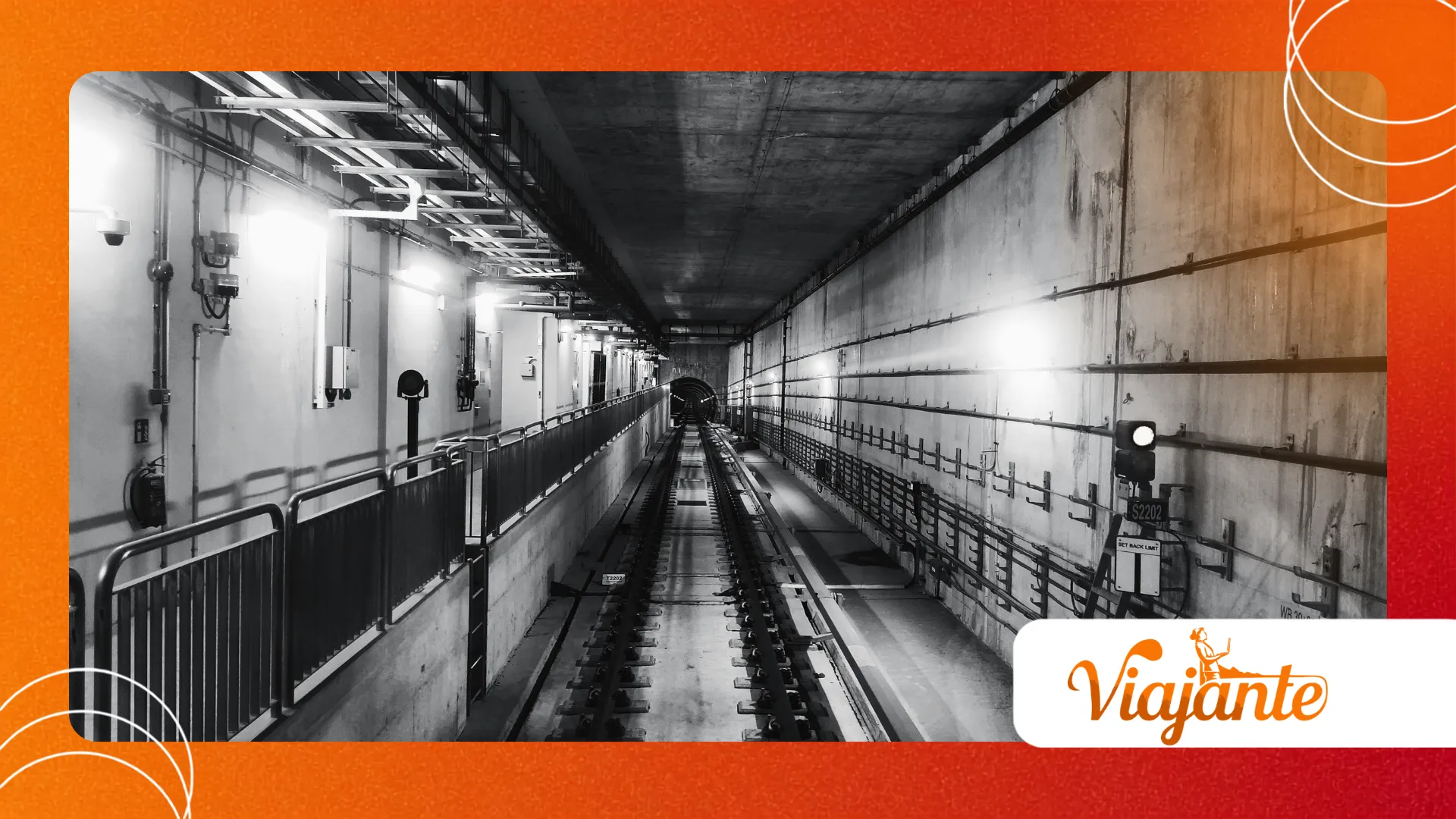
Subterranean transit networks hold secrets that standard transit maps completely ignore.
Oglasi
For remote workers seeking unique workspaces, understanding these hidden architectural layouts offers surprising insights into modern urban geography and infrastructure development.
Exploring these forgotten historical spaces challenges our perception of the daily commute and unlocks fascinating historical narratives.
Urban subterranean planning reveals how cities evolve, abandon old structures, and adapt to modern demands.
This guide analyzes the history of these hidden locations, their cultural impact, and what they teach us about public infrastructure.
Discover how these architectural anomalies continue to captivate historians, urban explorers, and digital professionals globally.
This article covers the historical reality of secret transit architecture, specific famous hidden locations, and modern preservation efforts.
We will also examine how these spaces influence contemporary urban planning and digital culture. Read on to explore the mystery of the grid’s most famous missing links.
What Is the Story Behind the Famous Forgotten Commuter Stations?
Urban transit history is filled with structural remnants left behind by rapid technological expansion.
As cities grew throughout the twentieth century, older stations became obsolete because newer trains required much longer boarding areas.
The City Hall station in New York City remains the most iconic example of this infrastructure phenomenon.
Opened in 1904, its beautiful curved design could not accommodate modern, longer train cars safely.
Instead of altering the architectural masterpiece, officials chose to deactivate the loop entirely in 1945.
Today, this hidden gem sits quietly beneath Manhattan, bypassed by millions of daily commuters.
It serves as a physical time capsule, preserving vaulted tile ceilings, elegant chandeliers, and stained glass skylights.
The transit authority keeps it off standard commuter maps to prevent trespassing and ensure public safety.
Why Do Transit Authorities Keep Specific Platforms Off Official Graphics?
Cartography prioritizes utility over absolute geographical accuracy to help daily commuters navigate complex transit networks efficiently.
Including closed, restricted, or dangerous locations would confuse millions of passengers trying to reach active destinations. Therefore, removing a closed abandoned subway platform streamlines the visual interface for the general public.
Security concerns also dictate why these subterranean spaces disappear from public documentation.
Trespassing in active tunnels poses severe risks of electrocution from live third rails and collision with moving trains.
Keeping these areas unmapped discourages amateur explorers from entering hazardous environments without official escorts.
Furthermore, many of these hidden locations serve alternative operational roles for transit systems.
Some act as storage tracks for maintenance vehicles, while others house critical ventilation systems or emergency exit routes.
Maintaining confidentiality ensures these vital infrastructure components remain secure from vandalism and external interference.
++ Istina iza legende o Hachishakusami u modernom Japanu
Which Secret Stations Are Internationally Documented by Urban Historians?
London contains numerous ghost stations, locally known as the famous “underground down street” locations.
Down Street station played a vital strategic role during World War II by serving as a bombproof bunker.
Winston Churchill used this subterranean fortress for critical cabinet meetings during the heaviest bombing raids.
Paris features its own collection of mysterious transit spaces, often referred to as stations fantômes. C
roix-Rouge station closed at the start of World War II and never reopened for passenger service.
++ Zašto urbane legende o Izgubljenoj autocesti fasciniraju noćne vozače
How Real Subterranean Layouts Compare Globally
| Station Name | City Location | Year Closed | Current Operational Usage |
| City Hall Loop | New York City | 1945 | Turned around loop for the 6 Train |
| Down Street | London | 1932 | Used for emergency ventilation |
| Croix-Rouge | Paris | 1939 | Utilized for occasional art exhibits |
| South Ferry Loop | New York City | 2017 | Kept as an operational backup track |
Why Do Abandoned Subterranean Spaces Accelerate Creative Innovation?

Peeling back the layers of a city reveals that infrastructure is never truly static, much like a modern digital career.
When you look closely at an abandoned subway platform, you see a stark physical manifestation of structural obsolescence.
There is something deeply unsettling yet profoundly inspiring about these frozen transit chambers left decaying beneath vibrant, hyper-connected metropolises.
For remote professionals, these forgotten platforms serve as a masterclass in structural agility and the necessity of constant personal reinvention.
How Can Digital Professionals Monetize the Aesthetics of Urban Decay?
Capturing the raw essence of these hidden architectural relics opens highly lucrative avenues for forward-thinking freelance content creators.
Visual designers and independent game developers routinely transform structural layout data from ghost stations into immersive digital environments.
This subculture of underground architecture offers an untouched goldmine of historical narratives waiting to be packaged into compelling digital media.
Freelancers who master this niche can easily position themselves as premium storytellers, offering clients deep, research-heavy conceptual depth.
What Safety Hazards Hide Within These Ghost Infrastructure Zones?
Venturing past the warning signs into unmapped transit tunnels exposes amateur urban explorers to severe, life-threatening structural dangers.
Beyond the high-voltage third rails, these ancient, unventilated brick pockets frequently trap toxic structural gases and microscopic airborne hazards.
Structural integrity degrades rapidly in high-humidity subterranean environments, making unexpected ceiling collapses a constant, unpredictable threat.
Relying entirely on digital mapping tools is a foolish gamble when navigating spaces deliberately erased from public tracking systems.
++ Kako su videozapisi urbanih legendi Cursed Broadcast postali viralni
How Can Digital Professionals Draw Creative Inspiration From Hidden Urban Spaces?
Analyzing hidden infrastructure helps remote workers understand how systems adapt to changing societal needs over time.
Just as a city reconfigures its tracks, freelancers must constantly pivot their skills to stay relevant.
Studying an abandoned subway platform teaches us that structural obsolescence is often just a prelude to reinvention.
In the United Kingdom, the London Transport Museum organizes the highly popular “Hidden London” tours.
These excursions grant visitors access to disused stations like Down Street and Euston’s hidden tunnels.
Knowledgeable guides share authentic historical narratives while ensuring everyone remains completely safe inside the deep subterranean structures.
For those interested in the preservation of architectural history, the National Park Service Historic Preservation provides excellent guidelines on maintaining vintage infrastructure.
These official standards help communities save historic transit properties from complete demolition or decay.
Zaključak
The allure of the abandoned subway platform lies in its ability to connect us with the past.
These hidden architectural marvels remind us that cities are living, breathing entities that constantly reinvent themselves.
For professionals working in the digital space, these structures serve as a powerful metaphor for adaptability, resilience, and transformation.
By exploring history with a critical eye, we learn to appreciate the invisible systems keeping our world moving.
Whether you are a writer seeking inspiration or a historian tracking urban growth, these spaces offer endless fascination.
Keep looking beneath the surface, because the most profound stories are often hidden right outside our daily view.
Često postavljana pitanja
What defines an officially abandoned transit platform?
An unmapped platform is a structural boarding area that transit authorities permanently closed due to operational changes, safety updates, or shifting passenger demands.
Why are these locations left off standard commuter maps?
Authorities remove them to prevent passenger confusion, stop illegal trespassing, and secure sensitive infrastructure components from vandalism or accidents.
Can tourists visit these hidden locations legally?
Yes, certain transit museums offer official, guided historical tours that grant public access to these restricted areas safely and legally.
How do these spaces affect modern urban planning?
Planners study old subterranean spaces to integrate new ventilation shafts, emergency exits, or utility conduits into expanding modern transit networks.
\