
How Unknown Ocean Species Are Still Being Found
We have mapped every crater on the Moon with clinical precision, yet more than eighty percent of our own ocean remains a shadowy, liquid frontier.
Anúncios
Scientists do not simply stumble upon unknown ocean species by accident on weekend dives; discovery today is a gritty, high-stakes collision of raw physical engineering, algorithmic tracking, and quiet persistence in the darkest corners of the planet.
For decades, the deep seabed was dismissed as a barren wasteland, a muddy biological desert where almost nothing could survive the crush of sub-zero waters.
That assumption was wrong, born more from human arrogance and technological limitations than ecological reality.
Modern oceanography keeps tearing down those old paradigms, proving that abyssal trenches and sunless thermal fields harbor some of the most bizarre, resilient evolutionary experiments on Earth.
What follows is an insider look at how modern science actually breaches these abyssal vaults, tracing the precise tools, genetic shortcuts, and taxonomic battles that turn mysterious marine specimens into recognized scientific facts.
What Technologies Allow Scientists to Discover Unknown Ocean Species?
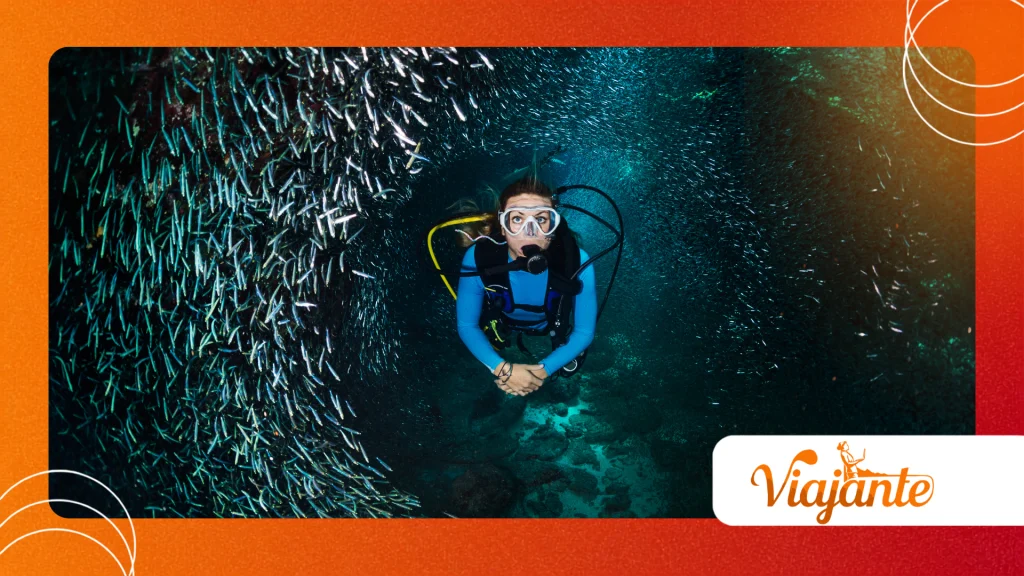
Brittle ocean pressures will crush standard research gear instantly, meaning abyss exploration requires heavy, customized hardware built like deep-space probes.
Remote operated vehicles (ROVs) tethered to surface ships descend thousands of meters down, using pressure-resistant high-definition cameras and customized soft-robotic hands to cradle soft-bodied organisms without tearing their delicate tissues.
Surface Research Vessel
       │
       ├─── [Fiber-Optic Tether]
       │
       ▼
Deep-Sea ROV (3,000m+) ──────► Soft-Robotic Grippers ──► Intact Gelatinous Fauna
       │
       └─── High-Definition Optics
Meanwhile, autonomous underwater vehicles (AUVs) glide quietly through silent trench networks, scanning the seabed with multi-beam sonar systems to construct crisp, three-dimensional bathymetric maps.
These autonomous mappers spot anomaly clusters and isolated rocky outcrops, handing marine biologists a precise blueprint of potential biological hotspots before anyone even deploys a sampling net.
Without these high-resolution ocean floor maps, searching for rare benthic life would be useless—like flying a drone over a forest at midnight without lights and expecting to spot rare insects.
Modern acoustic mapping narrows the search area dramatically, turning millions of square kilometers of dark water into targeted research coordinates.
How Does Environmental DNA Revolutionize Marine Biology Fieldwork?
Catching a fast or microscopic creature in the open ocean often relies on pure luck, which is why environmental DNA (eDNA) has completely overturned classical marine fieldwork.
Every living organism continuously sheds biological material—skin cells, mucus, metabolic waste—leaving a invisible genetic trail drifting through water currents.
By pumping seawater through micro-filters and running high-throughput genomic sequencing on the trapped residue, researchers can detect the presence of uncataloged life forms without ever seeing them alive.
This genetic trace method catches elusive, fast-swimming species that easily dodge bulky research nets, revealing hidden biodiversity in waters previously thought to be empty.
To inspect how modern oceanographic standards and open-access data frameworks track these global marine surveys, explore the National Oceanic and Atmospheric Administration resources and public scientific databases.
Why Are Hydrothermal Vents Hotspots for New Marine Discoveries?
Superheated, mineral-laden fluid spews from hydrothermal vents on the ocean floor, blasting into near-freezing deep sea waters and creating ecosystems that seem completely alien.
Sunlight cannot reach these depths, so entire biological communities rely on chemosynthetic bacteria that transform toxic sulfur compounds into living cellular energy.
Geothermal Vent Core (300°C+ Mineral Fluid)
       │
       ▼
Chemosynthetic Bacteria (Converts Hydrogen Sulfide to Energy)
       │
       ▼
Primary Consumers (Vent Mussels, Tube Worms, Scaly-Foot Gastropods)
Researchers exploring these mineral pillars routinely encounter specialized fauna: blind shrimp with heat-sensing organs on their backs, giant tube worms lacking digestive tracts, and gastropods wearing iron-infused armor scales.
These creatures do not just represent new species; they challenge fundamental biological definitions about how life tolerates heat, toxicity, and immense pressure.
Every newly mapped vent field across mid-ocean ridges acts as a isolated evolutionary island, harboring endemic species groups that evolved in total isolation from the sunlit world above.
++ How to Get a Personal Loan With Fair Credit
Major Marine Discoveries and Exploration Methods
| Exploration Method / Technology | Primary Target Depth | Primary Scientific Mechanism | Key Types of Discoveries |
| Deep-Sea ROVs | $1,000\text{ m} – 6,000\text{ m}$ | High-definition optics & soft robotics | Gelatinous fauna, deep corals |
| Environmental DNA (eDNA) | Surface to abyssal plains | High-throughput genomic sequencing | Cryptic species, rare microbes |
| Autonomous AUVs | Up to $10,000\text{ m}$ | Multi-beam sonar & automated sensors | Benthic organisms, trench fauna |
| Benthic Sleds & Traps | $500\text{ m} – 4,000\text{ m}$ | Physical collection & sediment sampling | Crustaceans, benthic mollusks |
When Do Biologists Officially Declare a Marine Organism as New?
Reaching the ocean floor and capturing a strange creature is only the beginning of a long, often tedious administrative battle.
Taxonomists spend months running detailed morphological audits, carefully checking bone structures, limb ratios, and internal organs against century-old specimen jars preserved in natural history museums.
Specimen Retrieval ──► Morphological Audit ──► DNA Barcoding ──► Peer-Reviewed Paper
Physical checks alone are no longer enough, so geneticists execute full DNA barcoding to verify that the organism’s genome is distinct from known relatives.
This double-layered verification prevents scientists from mistakenly naming a known species that simply looks different due to regional dwarfism or youth.
Once the physical and genetic data line up, the research team drafts a comprehensive monograph detailing the animal’s physical traits, geographic coordinates, and evolutionary position.
The moment that paper passes peer review in an accredited taxonomic journal, the organism gets its formal scientific name.
++ The Science Behind Why We Love Conspiracy Theories
Which Oceanic Zones Hold the Highest Density of Unmapped Life?

The mesopelagic “twilight zone”—stretching between two hundred and one thousand meters down—contains immense biomass, but the Hadal zone beneath six thousand meters remains the real uncharted frontier.
Deep trench systems like the Mariana or Puerto Rico trenches isolate populations in dark, high-pressure pockets where evolutionary traits diverge wildly.
Submerged seamounts act as biological waypoints across vast ocean plains. As deep currents strike these underwater mountains, nutrient-dense water pushes toward the surface, fueling rich coral gardens, sea fans, and specialized fish species found nowhere else on the planet.
Surface Layer (0-200m)       ── Sunlight Zone
          │
Mesopelagic (200-1000m)     ── Twilight Zone (High Biomass)
          │
Abyssal Plains (4000-6000m) ── Soft-Sediment Benthic Communities
          │
Hadal Trenches (6000m+)     ── Extreme Pressure & Geographic Isolation
Even flat, muddy abyssal plains harbor surprising micro-habitats when sampled properly. Taking sediment core samples from these seemingly lifeless mud expanses reveals tiny, specialized meiofauna organisms that keep taxonomists busy for years.
How Does Deep-Sea Taxonomy Benefit Human Innovation and Health?
Finding unknown ocean species is not just an academic exercise in cataloging wildlife; it drives practical breakthroughs in materials science, chemistry, and modern medicine.
Organisms thriving under extreme toxic conditions develop metabolic tricks and chemical defenses found nowhere else in nature.
Pharmacologists isolate novel chemical compounds from deep-sea sponges, tunicates, and cold-water bacteria, testing them to develop new antibiotics, anti-inflammatory compounds, and specialized cancer drugs.
Evolutionary solutions developed over millions of years offer immediate blueprints for complex human medical challenges.
Engineers also study deep-sea glass sponges to design stronger architectural structures and flexible fiber-optic cables, using nature’s structural designs to improve industrial manufacturing.
What Challenges Threaten Modern Oceanic Species Discovery?
Marine taxonomy is locked in an intense race against industrial pressures. Deep-sea mining, bottom-trawling operations, and changing ocean chemistry alter fragile seafloor ecosystems before science can even log their existence, raising the real possibility that unique species will vanish before they are ever discovered.
Industrial Mining / Trawling
          │
          ▼
Habitats Disturbed / Destroyed
          │
          ▼
Species Lost Before Formal Cataloging
To make matters worse, there is a severe shortage of working taxonomists worldwide. Thousands of preserved deep-sea samples collected during expensive scientific expeditions sit unstudied in university archives, simply because there are not enough trained specialists available to analyze them.
Securing international funding and expanding marine protected areas across high-seas corridors are essential steps if we want to preserve these undisturbed ocean habitats for future scientific exploration.
++ Why Ancient Domestication Mysteries Still Puzzle Scientists
Conclusion
The ongoing discovery of unknown ocean species reminds us how little we truly understand about the living networks covering most of our planet.
Through submersibles, genetic water sampling, and detailed laboratory analysis, oceanographers continue to fill in the missing chapters of Earth’s biological history.
Protecting these deep habitats ensures that future generations can continue exploring the mysterious life forms hiding beneath the waves.
To track international policy decisions, ocean preservation strategies, and deep-sea mapping milestones, check the official portal of the UNESCO Intergovernmental Oceanographic Commission.
Frequently Asked Questions (FAQ)
How many undiscovered species are estimated to live in the ocean?
Marine biologists estimate that roughly seventy to ninety percent of all ocean species remain undescribed, meaning hundreds of thousands of living organisms are still waiting for formal scientific classification.
Can citizen scientists participate in ocean species discoveries?
Yes, coastal explorers and divers contribute by uploading photos of unusual marine life to open biodiversity databases, helping researchers track shifting species ranges and flag potential new specimens.
Why is deep-sea sampling so expensive?
Deep ocean research requires ice-strengthened vessels, heavy-duty winch systems, specialized submersibles, and expert crews capable of maintaining complex electronics under extreme open-water conditions.
\