
Pourquoi les otaries à fourrure du Cap sont-elles confrontées aujourd'hui à une nouvelle menace de rage dans le monde entier ?
Les biologistes marins et les équipes de santé publique sont confrontés à une évolution inquiétante de l'écologie océanique, la rage se propageant parmi les populations côtières. Il s'agit de suivre son évolution. Otaries à fourrure du Cap Le fait qu'ils soient devenus des vecteurs d'un virus terrestre révèle une rupture brutale et inquiétante des barrières naturelles.
Annonces
La situation actuelle permet de déterminer l'origine de cette propagation, les vecteurs de transmission, les impacts côtiers régionaux et les précautions de survie immédiates.
Les lecteurs trouveront une analyse claire et factuelle des risques de transmission réels, des stratégies de gestion, des données comparatives et des avis d'experts.
Les communautés côtières, les chercheurs de terrain et les responsables politiques doivent rapidement abandonner les hypothèses écologiques obsolètes. L'étude des débordements historiques, combinée au suivi actuel, constitue le seul outil fiable pour gérer ces risques bruts le long des littoraux habités.
Pourquoi les otaries à fourrure du Cap contractent-elles la rage le long des régions côtières ?
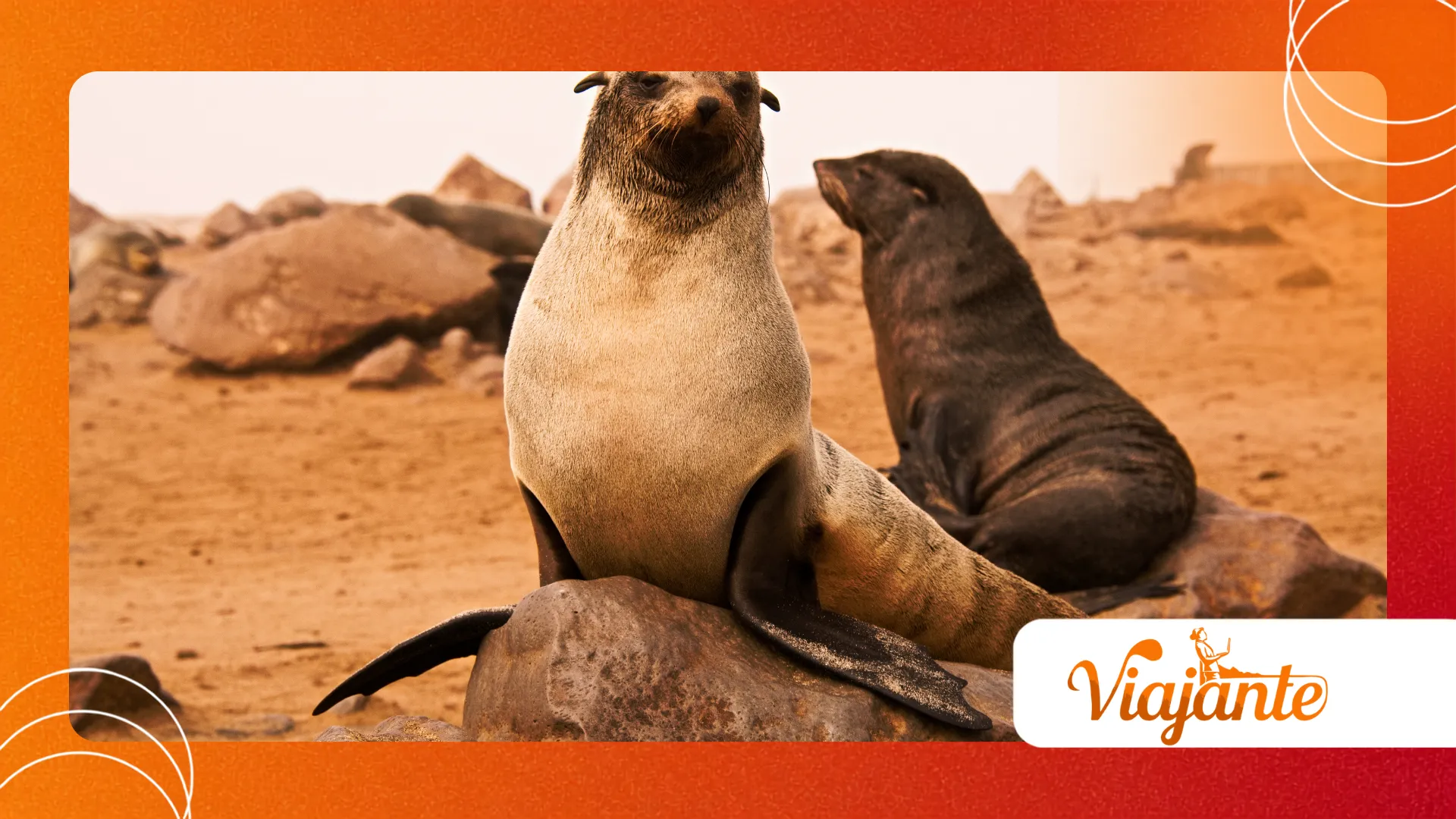
La médecine vétérinaire a longtemps supposé que les mammifères marins étaient protégés de la rage grâce à des barrières géographiques évidentes.
Cette confiance s'est effondrée lorsque le séquençage génétique a confirmé que les chacals à dos noir transmettaient directement la souche de lyssavirus aux colonies côtières lors de leurs repas de charognes sur le littoral.
Entassés les uns contre les autres sur des affleurements rocheux, les colonies reproductrices constituent de véritables poudrières pour la propagation virale par des morsures territoriales sanglantes. Des combats féroces entre Otaries à fourrure du Cap Durant la saison des amours, les taux de contamination croisée s'accélèrent de façon inquiétante sur les différents sites de repos.
Parallèlement, les changements environnementaux poussent les prédateurs terrestres affamés vers le littoral en quête de nourriture. Ce chevauchement croissant entre les mammifères terrestres infectés et la faune côtière crée des boucles de transmission persistantes et dangereuses, précisément à la frontière entre terre et mer.
Quelles sont les implications écologiques plus larges des débordements zoonotiques marins ?
Lorsqu'un pathogène terrestre réussit à pénétrer dans les écosystèmes marins, les conséquences s'étendent bien au-delà d'une seule espèce affectée.
Les superprédateurs infectés modifient leurs habitudes de chasse et leurs interactions territoriales, déclenchant des effets en cascade imprévus sur l'ensemble du réseau trophique côtier.
Ces bouleversements biologiques obligent les biologistes marins à réévaluer la manière dont les pressions climatiques, la perte d'habitat et les zones d'interaction terre-mer accélèrent l'émergence de nouvelles maladies de la faune sauvage.
De plus, la circulation virale persistante au sein de colonies marines denses menace la biodiversité côtière vulnérable, déjà aux prises avec la pollution et la surpêche.
À terme, ces dynamiques de maladies interspécifiques peuvent affaiblir irrémédiablement la résilience des écosystèmes et redéfinir la manière dont les stratégies de conservation côtière doivent être conçues à l'échelle mondiale.
++ Microbiome oral et maladies systémiques : les dernières recherches
Comment la rage se propage-t-elle au sein des populations de mammifères marins ?
L'infection se produit par contact direct et sans contact entre la salive et le sang lors d'escarmouches territoriales, de rivalités pour l'accouplement ou de bagarres sur le rivage.
Une fois à l'intérieur du tissu musculaire, les particules virales se déplacent furtivement le long des nerfs périphériques, remontant progressivement jusqu'à atteindre le système nerveux central.
Les animaux infectés perdaient rapidement leur prudence naturelle, présentant une grave dégradation neurologique, une agressivité non provoquée, une confusion spatiale et une détresse vocale intense.
Contrairement à la rage terrestre qui a tendance à rester ancrée à des territoires spécifiques, les mammifères marins migrent sans effort à travers des couloirs océaniques dynamiques.
Cette liberté de mouvement permet aux animaux symptomatiques de disséminer un virus agressif dans des colonies saines et éloignées, bien avant que les symptômes ne deviennent mortels.
Quelles sont les principales différences dans les profils de transmission de la rage ?
| Paramètre / Profil | Mammifères terrestres (canidés) | Mammifères marins (otaries à fourrure du Cap) |
| Vecteur de transmission primaire | Morsures salivaires lors de la défense territoriale | Morsures agressives dans les colonies de reproduction denses |
| Impact de la densité de la colonie | Répartition à densité modérée ; paquets localisés | Répartition à très forte densité ; des milliers par site |
| Réservoir hôte primaire | chiens domestiques, chacals, chauves-souris | Les chacals à dos noir sont des hôtes de débordement |
| Mobilité géographique | limité par des barrières terrestres | Forte mobilité le long des corridors côtiers |
| Risque d'exposition du public | Haute dans les zones urbaines/périurbaines | Très favorable aux travailleurs côtiers et aux baigneurs |
Ces profils épidémiologiques distincts obligent les équipes de santé publique à revoir leurs méthodes traditionnelles. Endiguer une épidémie marine exige des stratégies agiles et spécialisées que les campagnes de vaccination canine classiques ne peuvent tout simplement pas offrir.
++ Pénuries de médicaments contre le rhume : comment se préparer en toute sécurité
Quels sont les risques pour la santé publique qui menacent aujourd'hui les communautés côtières ?

Le comportement imprévisible et violent des animaux malades crée des dangers immédiats pour les pêcheurs, les surfeurs et les équipes d'entretien des plages locales.
Rencontres récentes sur le littoral avec des personnes désorientées Otaries à fourrure du Cap ont déclenché des attaques graves et inattendues sur des plages publiques ouvertes.
La menace ne se limite pas aux simples baigneurs ; elle touche particulièrement les équipes de sauvetage en mer et les vétérinaires de terrain. Tenter de porter secours à un animal en difficulté ou de le capturer sans équipement de protection individuelle lourd l’expose immédiatement à un risque mortel.
Des équipes municipales patrouillent désormais les voies d'accès à haut risque et mettent en place des protocoles stricts pour le signalement des comportements marins anormaux. Vous pouvez consulter des données de surveillance mondiale détaillées sur les tendances de transmission de la rage via le Bulletin de l'Organisation mondiale de la santé sur la rage portail.
Comment les autorités maritimes peuvent-elles contenir les épidémies de rage chez les animaux sauvages ?
Le confinement exige une stratégie globale et proactive, combinant l'administration ciblée d'appâts vaccinaux oraux et des quarantaines strictes des zones côtières. L'appâtage stratégique le long des frontières côtières vise à créer une barrière d'immunité protectrice pour les populations de chacals et de canidés environnantes.
Les équipes sur le terrain isolent immédiatement les animaux présentant des signes de maladie afin d'enrayer la propagation du virus dans les centres de regroupement surpeuplés. L'euthanasie demeure une mesure incontournable et nécessaire pour les cas confirmés, permettant de réduire les souffrances animales tout en limitant les risques immédiats pour la santé publique.
La coopération transfrontalière entre les autorités chargées de la faune sauvage permet d'harmoniser les normes de diagnostic et les données de suivi entre les régions. Cette surveillance partagée permet aux chercheurs d'anticiper les risques de propagation virale avant que les animaux malades n'atteignent le prochain refuge côtier.
Quand les télétravailleurs et les voyageurs doivent-ils éviter les zones côtières dangereuses ?
Les nomades numériques et les voyageurs qui s'installent près des côtes doivent repenser leur proximité avec les rivages sauvages. Maintenir une distance respectueuse et suffisamment large par rapport aux zones de repos des animaux permet d'éviter les rencontres dangereuses avec des animaux désorientés ou sur la défensive.
Les visiteurs doivent prendre au sérieux les avertissements affichés, les barricades sur les plages et les avis sanitaires municipaux. Ne vous approchez jamais d'une personne échouée, apathique ou d'une personne à l'allure suspecte. Otaries à fourrure du Cap reposant sur des rochers ou du sable.
Appelez immédiatement les services de la faune de votre municipalité si un animal se comporte étrangement, au lieu d'intervenir vous-même. Rester vigilant permet de profiter pleinement de la vie en pleine nature sans que votre promenade matinale sur la plage ne se transforme en urgence médicale.
++ Zoonoses émergentes : surveillance de la transmission de l'animal à l'homme
Résumé des risques sanitaires pour la faune marine
Observer un virus terrestre s'implanter dans les écosystèmes océaniques nous rappelle brutalement la fragilité de nos mécanismes de protection environnementale. La santé des océans conditionne directement la sécurité humaine et exige une recherche en temps réel plutôt que des politiques réactives.
La surveillance continue menée par les équipes de terrain permettra de déterminer si la rage s'installe durablement dans les populations marines ou si elle reste un phénomène sporadique. Suivez les données de confinement à long terme et les protocoles cliniques directement sur le site web. Centres de contrôle et de prévention des maladies plate-forme.
Foire aux questions
L'homme peut-il contracter la rage au contact de mammifères marins infectés ?
Oui, la rage se transmet facilement par la salive lorsque des morsures, des griffures ou une plaie ouverte entrent en contact avec les tissus nerveux d'un animal marin infecté.
Quels sont les symptômes présentés par les phoques infectés ?
Les phoques infectés présentent une agressivité non provoquée, errent sans but à l'intérieur des terres, n'ont aucune peur des humains, souffrent de tremblements musculaires, d'une grave désorientation et finissent par être paralysés.
Comment les scientifiques vaccinent-ils les populations de phoques sauvages ?
Les équipes de terrain déploient des appâts vaccinaux oraux ciblés contre la rage autour des zones de repos côtières, tout en testant des injections directes sur des animaux capturés à haut risque.
Est-il sans danger de se baigner dans l'océan pendant une épidémie ?
La baignade en mer est sans danger, mais il est conseillé d'éviter les eaux adjacentes aux colonies de phoques actives ou les zones où des morsures ont été récemment signalées.
Qui dois-je contacter si je vois un phoque en détresse ?
Avertissez immédiatement les services de secours maritimes locaux, les patrouilles côtières ou les autorités chargées de la faune sauvage, et maintenez les autres personnes à distance de sécurité jusqu'à l'arrivée des secours.
\