
Pourquoi les puffins sont-ils surveillés de près lors des épidémies de grippe aviaire ?
La surveillance de la grippe aviaire s'est considérablement orientée vers les espèces océaniques comme puffins alors que les autorités sanitaires mondiales suivent de près la propagation sans précédent des souches H5N1 hautement pathogènes parmi les populations d'oiseaux pélagiques sauvages.
Annonces
Les télétravailleurs, les nomades numériques et les chercheurs se rendant dans les centres côtiers doivent prendre conscience de l'impact de la surveillance sanitaire des animaux sauvages sur la préparation de la santé publique mondiale, la logistique des voyages et la stabilité écologique dans notre environnement interconnecté.
Vous trouverez ci-dessous une analyse structurée couvrant les voies de transmission pélagiques, les méthodologies de surveillance virale, les indicateurs de surveillance sur le terrain, les principaux protocoles de sécurité et les réponses essentielles aux questions courantes en matière de santé environnementale.
Résumé
- Vecteurs de transmission pélagiquesComprendre comment les migrations océaniques à longue distance transportent les agents pathogènes à travers les frontières hémisphériques.
- Méthodologies de surveillance: Examen des techniques d'échantillonnage non invasif, de séquençage génomique et de surveillance des colonies.
- Impact sur la santé et l'écologieAnalyse des risques de mortalité, des perturbations des écosystèmes et des mesures de sécurité au travail.
Qu’est-ce qui rend les puffins vulnérables à la transmission de la grippe aviaire ?
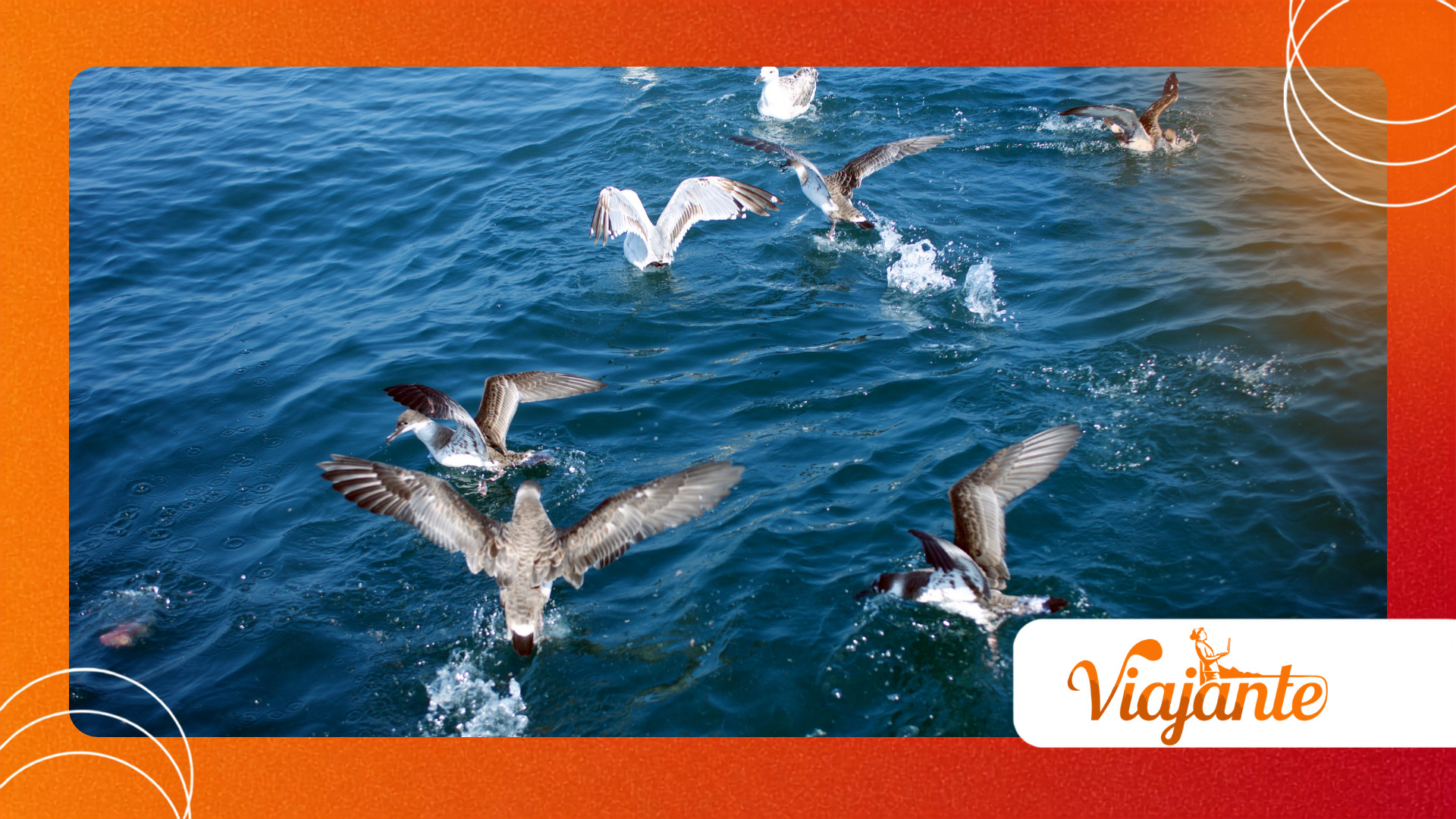
Les habitudes de nidification à haute densité créent des environnements idéaux pour la transmission virale parmi les oiseaux pélagiques pendant les saisons de reproduction, où des centaines de milliers d'individus se regroupent étroitement dans des terriers souterrains sur des îles isolées.
Les espèces pélagiques passent des mois à traverser les océans avant de se rassembler en grand nombre sur la terre ferme, ce qui rend puffins Principaux indicateurs du transport viral transhémisphérique le long des principales voies de migration océaniques s'étendant sur plusieurs continents.
Le suivi épidémiologique démontre que la persistance environnementale dans l'eau de mer permet aux agents pathogènes de la grippe aviaire de circuler continuellement à travers les zones de recherche de nourriture, les sites de récupération marine et les zones de repos côtières partagées à l'échelle mondiale.
Les vétérinaires spécialisés dans la faune sauvage soulignent que le stress immunitaire causé par les migrations transocéaniques épuisantes diminue la résistance de base, ce qui accélère les taux d'infection chaque fois que des groupes pélagiques vulnérables rencontrent des foyers viraux actifs sur les rivages.
Comment les chercheurs de terrain surveillent-ils en toute sécurité les colonies d'oiseaux marins au large ?
Les chercheurs de terrain utilisent des prélèvements non invasifs par écouvillonnage, associés à un échantillonnage d'ADN environnemental aux entrées des terriers, minimisant ainsi le stress tout en recueillant en toute sécurité des données génétiques essentielles sur les variants de la grippe aviaire en circulation dans des endroits reculés.
Les protocoles de biosécurité exigent un équipement de protection complet, des stations de désinfection de l'équipement et des procédures de manipulation spécialisées afin de garantir que les équipes de terrain empêchent la contamination croisée entre les différentes colonies de reproduction dispersées le long des falaises côtières.
Les dispositifs de suivi modernes équipés de télémétrie satellitaire permettent aux scientifiques d'observer des schémas de mouvement anormaux, identifiant ainsi les personnes malades ou désorientées. puffins avant que les événements de mortalité visibles ne deviennent évidents sur les sites de nidification isolés.
Les réseaux internationaux de surveillance centralisent les données de terrain à l'aide de plateformes de bases de données standardisées gérées par les Organisation mondiale pour la santé animale, garantissant une communication rapide et transparente entre les différentes juridictions sanitaires mondiales.
Pourquoi les proliférations d'espèces pélagiques constituent-elles une préoccupation majeure pour la santé mondiale ?
Les épidémies océaniques indiquent que des souches hautement pathogènes se sont adaptées au-delà de la volaille terrestre, établissant des réservoirs persistants au sein des populations d'oiseaux marins sauvages capables de franchir les limites de confinement agricole standard.
La transmission du virus aux mammifères marins, notamment aux phoques et aux otaries, met en évidence le potentiel évolutif des variants du H5N1 à franchir les barrières entre espèces lorsque les charognards interagissent directement avec les carcasses infectées sur les plages.
Les nomades numériques et les professionnels travaillant à distance et vivant dans les pôles d'écotourisme côtiers sont confrontés à des restrictions d'accès localisées, à des avertissements de voyage et à des protocoles de sécurité biologique renforcés chaque fois que des mortalités massives d'animaux marins surviennent à proximité.
Comprendre ces changements écosystémiques permet aux télétravailleurs de maintenir une conscience environnementale éclairée, de soutenir des pratiques de voyage responsables tout en respectant les zones de quarantaine active établies par les autorités de conservation côtières.
++ Comment les chiens atteints de tuberculose peuvent signaler un nouveau risque sanitaire aujourd'hui
| Groupe d'espèces | Voie de migration principale | Densité de nidification | Niveau de risque de grippe aviaire | Indicateur clé de suivi |
| Puffins | Transpacifique / Transatlantique | Haut (Fouilles souterraines) | Élevé (Haute densité) | Burrow eDNA et prélèvement actif |
| Goélands et sternes | Continental côtier | Forte (Surface encombrée) | Élevé (Élimination directe) | Échantillonnage de guano frais |
| Albatros | Océan Austral Océanique | Modéré (Îles isolées) | Modéré (potentiel de propagation) | Suivi télémétrique par satellite |
| Pélicans | Intérieur côtier / estuarien | Élevée (colonies groupées) | Événements graves (mortalité massive) | Audits visuels de la population |
Quelles sont les mesures de précaution à prendre pour protéger les voyageurs côtiers et les travailleurs en zones reculées ?
Éviter tout contact physique direct avec les oiseaux sauvages malades, désorientés ou morts demeure la principale règle de sécurité pour toute personne se promenant le long des plages côtières ou visitant les réserves naturelles au large des côtes pendant les épidémies actives.
Le signalement direct des mortalités anormales de la faune sauvage aux services locaux des ressources naturelles permet aux équipes de confinement professionnelles de tester et de collecter en toute sécurité les carcasses infectées sans propager davantage les particules virales infectieuses.
Les propriétaires d'animaux doivent tenir leurs chiens en laisse à proximité des rivages côtiers afin d'éviter que les animaux domestiques ne dérangent les animaux échoués. puffins ou en ingérant des matières marines contaminées dispersées dans les zones de marée.
Le nettoyage minutieux des chaussures après une visite à la plage permet d'éviter le transport accidentel d'agents pathogènes côtiers dans les espaces de vie domestiques, les espaces de coworking et les gares routières et ferroviaires des destinations touristiques.
Comment les réseaux mondiaux de données suivent-ils les vecteurs de la grippe aviaire au-delà des frontières ?
Les plateformes internationales de surveillance de la faune sauvage s'appuient sur des données satellitaires synchronisées, des rapports de santé publique et le séquençage génomique pour surveiller en temps réel le transport des maladies pélagiques à travers les voies de migration multicontinentales.
Les bases de données diagnostiques partagées permettent aux stations de recherche situées dans différents hémisphères de recouper immédiatement les marqueurs génétiques, suivant ainsi la façon dont les mutations virales subtiles se propagent à travers les bassins marins ouverts au fil des migrations saisonnières.
Ces renseignements épidémiologiques coordonnés aident les municipalités côtières à émettre des alertes de biosécurité en temps opportun, protégeant ainsi les zones de forte biodiversité et fournissant aux voyageurs en zones reculées des indications claires lorsqu'ils travaillent à proximité d'environnements marins sensibles.
Comment les équipes de terrain collectent-elles en toute sécurité des échantillons d'ADN environnemental dans des habitats isolés ?
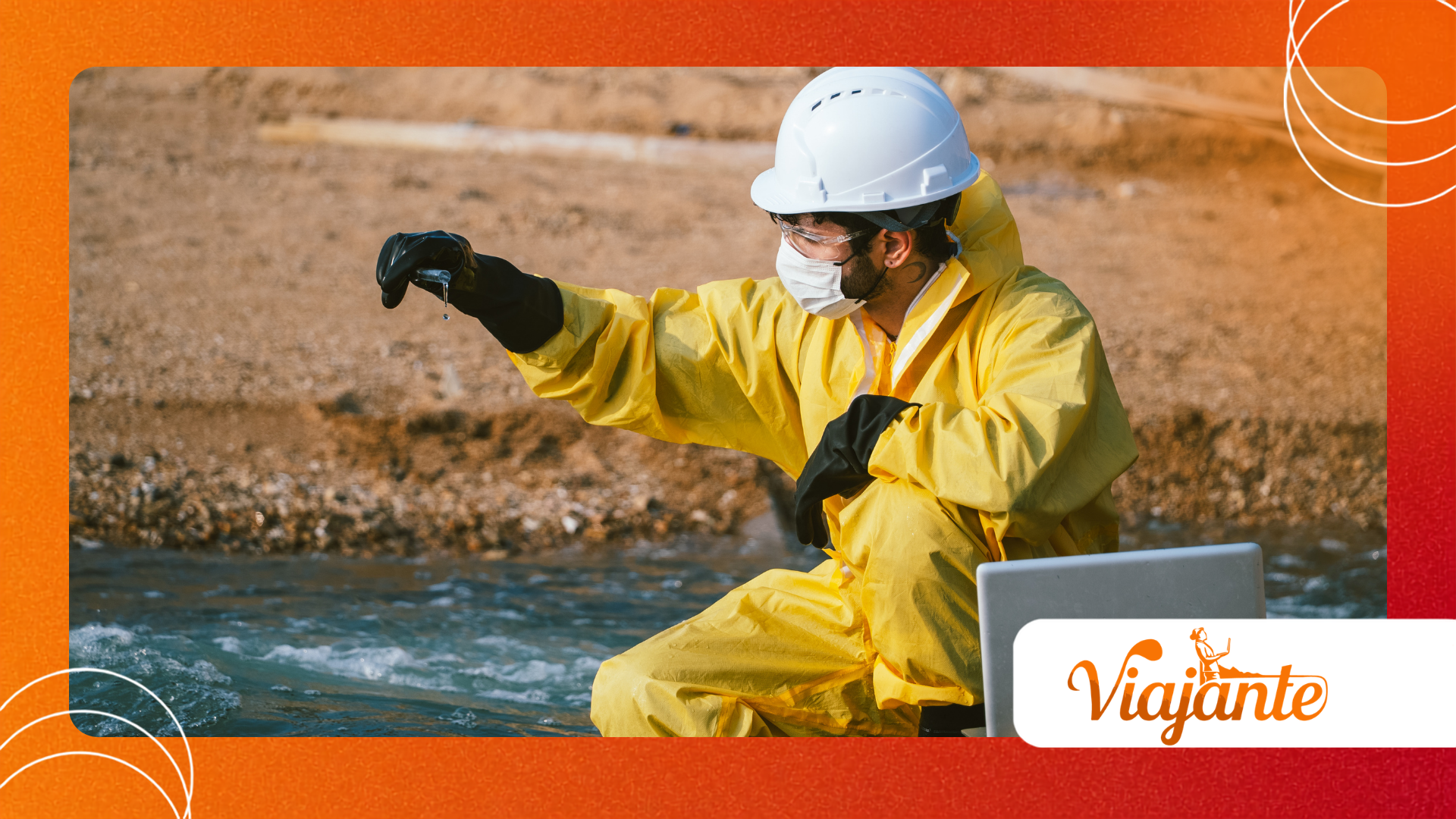
Les équipes de terrain utilisent des outils d'échantillonnage stériles à usage unique et des pompes à microfiltration pour prélever de l'eau stagnante, du sol ou de la matière organique directement aux points d'entrée des terriers sans perturber la faune résidente.
Le matériel d'échantillonnage est immédiatement scellé sur place dans des solutions tampon préservant l'ADN, empêchant ainsi une dégradation enzymatique rapide causée par le rayonnement ultraviolet ambiant, la chaleur ou l'humidité dans les environnements côtiers exposés.
Des contrôles rigoureux sur le terrain, notamment des témoins de transport négatifs et un stockage strict en chaîne du froid, garantissent que le matériel génétique collecté reste intact pendant son transport vers les laboratoires de génomique spécialisés.
Les kits d'amplification rapide sur le terrain permettent désormais aux équipes de recherche d'effectuer des contrôles diagnostiques préliminaires directement sur des rivages isolés, fournissant des résultats initiaux de biosurveillance en quelques heures au lieu de plusieurs semaines.
++ Champignons intestinaux (mycobiome) : une frontière inexplorée
Quand les autorités de santé publique doivent-elles intervenir dans les colonies d'oiseaux marins ?
Les politiques d'intervention se déclenchent lorsque les seuils de mortalité dépassent les prévisions saisonnières de base, ce qui entraîne des réponses automatisées en matière de biosécurité de la part des ministères de l'Agriculture, des agences de la faune et des services de santé publique qui travaillent ensemble.
Les interventions ciblées se concentrent exclusivement sur l'isolement strict des colonies, la fermeture des zones côtières publiques et l'élimination systématique des carcasses plutôt que sur l'abattage, protégeant ainsi les populations d'oiseaux marins menacées tout en contenant efficacement la contamination environnementale.
L'analyse génomique continue oriente les interventions de santé publique, en alertant les autorités médicales si des mutations virales présentent une affinité accrue pour les récepteurs des mammifères ou une résistance accrue aux composés antiviraux existants.
Des protocoles de communication transparents garantissent que les communautés locales reçoivent des mises à jour précises en temps réel sur la sécurité, dissipant les rumeurs non vérifiées tout en favorisant une adhésion efficace de l'ensemble de la communauté aux avis environnementaux officiels dans le monde entier.
Pour suivre l’évolution de la situation épidémiologique en temps réel et les consignes officielles de sécurité relatives à la faune sauvage, consultez les mises à jour fournies par le Centres pour le contrôle et la prévention des maladies, qui surveille les risques de transmission de maladies zoonotiques à l'échelle mondiale.
Conclusion
La surveillance des espèces d'oiseaux océaniques offre des alertes précoces essentielles concernant l'évolution et la propagation de la grippe aviaire dans les écosystèmes marins mondiaux.
Comprendre les vecteurs de transmission pélagiques aide les agences de santé, les communautés côtières et les travailleurs isolés à rester informés et en sécurité.
En respectant les consignes officielles de biosécurité, en signalant les échouages de manière responsable et en restant vigilants sur le plan environnemental, les professionnels du numérique peuvent voyager de façon consciencieuse tout en soutenant les efforts essentiels de conservation à travers le monde.
FAQ
Quelle est la principale cause de la propagation de la grippe aviaire chez les oiseaux marins ?
Les colonies de reproduction à forte densité et les longues voies de migration océaniques facilitent la transmission virale rapide parmi les oiseaux marins qui traversent les régions océaniques.
Comment la grippe aviaire affecte-t-elle spécifiquement les puffins ?
Les infections graves provoquent des troubles neurologiques, de la léthargie, des troubles respiratoires, une mortalité élevée et des perturbations importantes de la reproduction dans les terriers de nidification surpeuplés.
L'homme peut-il contracter la grippe aviaire auprès d'oiseaux marins ?
La transmission à l'homme reste rare et nécessite un contact direct et non protégé avec des oiseaux infectés, des sécrétions ou des surfaces côtières fortement contaminées.
Pourquoi le suivi des espèces pélagiques est-il important pour la santé mondiale ?
Les oiseaux pélagiques transportent des agents pathogènes au-delà des frontières internationales, servant d'indicateurs biologiques précoces des nouvelles mutations virales et des risques de transmission inter-espèces.
Que faire si vous trouvez un oiseau marin malade ?
Ne touchez pas l'animal. Signalez immédiatement sa présence aux autorités locales de protection de la faune ou aux agences de protection de l'environnement afin qu'elles puissent le prendre en charge en toute sécurité.
\