
Comment fonctionne naturellement l'automédication chez les chimpanzés
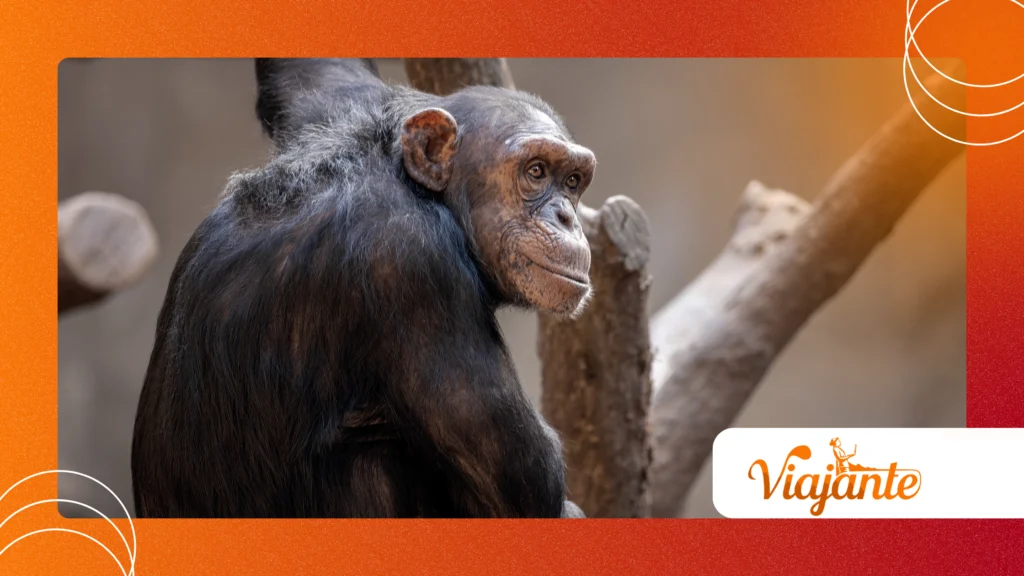
Comportement d'automédication chez les chimpanzés Il ne s'agit pas simplement d'un hasard biologique ; c'est une histoire de survie sophistiquée et vécue qui reflète nos propres origines médicales.
Annonces
Dans les couloirs denses et humides de la forêt tropicale africaine, ces primates font office de pharmaciens, naviguant dans un paysage botanique complexe avec une précision qui semble presque intentionnelle.
Cette étude va au-delà de la simple observation d’« animaux mangeant des plantes » pour décrypter les stratégies spécifiques utilisées par les grands singes pour lutter contre les infections.
Nous nous intéressons à un héritage de gestion de la santé qui fait le lien entre l'instinct brut et les connaissances culturelles.
Vous trouverez ci-dessous une analyse des mécanismes, de la chimie et de la transmission sociale de ces remèdes naturels, qui offre un aperçu d'un monde où le sol forestier est littéralement une source de vie.
Qu’est-ce que l’automédication chez les chimpanzés à l’état sauvage ?
Appeler Comportement d'automédication chez les chimpanzés Le terme « instinct » est réducteur ; les chercheurs préfèrent le terme zoopharmacognosie.
Cela implique l'utilisation délibérée de substances non nutritives — des choses qu'ils ne toucheraient pas s'ils étaient en bonne santé — pour traiter des affections physiques spécifiques.
C'est une distinction subtile. Ils ne recherchent pas ici des calories. Ils recherchent plutôt des composés bioactifs ou des propriétés physiques qui ciblent un inconfort spécifique.
Il y a quelque chose de profondément frappant à observer un chimpanzé léthargique ignorer un arbre fruitier pour chercher un seul arbuste amer.
Les données de terrain modernes révèlent que ce n'est pas un hasard. Ce sont les personnes présentant des symptômes comme la diarrhée ou une forte charge parasitaire qui recherchent ces remèdes.
Cela témoigne d'une grande conscience de soi quant à leur état interne et à la capacité de l'environnement à y remédier.
Comment fonctionne mécaniquement la technique d'ingestion de feuilles ?
Le génie physique de Comportement d'automédication chez les chimpanzés Cela se manifeste le mieux chez les espèces qui « dévorent les feuilles ». Contrairement à leur régime alimentaire habituel, les espèces comme Aspilia sont pliées et avalées entières, plutôt que mâchées.
C'est un processus rude et tactile qui paraît désagréable à l'œil nu.
Le secret réside dans l'anatomie microscopique de la feuille. Ces plantes sont recouvertes de minuscules crochets semblables à du velcro, appelés trichomes.
Au fur et à mesure que la feuille progresse dans le tube digestif, elle agit comme une purge mécanique, accrochant et extrayant physiquement les parasites du corps.
Il s'agit d'un outil physique à usage interne. C'est une solution élégante à un problème biologique : éliminer les nématodes sans avoir recours à des toxines chimiques complexes susceptibles de surcharger le foie. C'est un nettoyage mécanique et efficace de l'organisme.
+ Hippocampes : Grossesse mâle et soins parentaux
Pourquoi les primates consomment-ils la moelle amère de la gencive ?
Lorsque le problème est chimique plutôt que mécanique, les chimpanzés se tournent vers le Vernonia amygdalina, ou Feuille amère.
C'est ici Comportement d'automédication chez les chimpanzés On entre alors dans le domaine de la pharmacologie à proprement parler. La plante est réputée pour son goût exécrable, et pourtant, un chimpanzé malade l'épluchera méticuleusement pour en extraire le jus médicinal.
Cette moelle contient des lactones sesquiterpéniques, des composés qui bloquent efficacement le cycle de reproduction des parasites. Ils ne se contentent pas d'éliminer les envahisseurs présents ; ils empêchent également la génération suivante de s'installer.
Il s'agit d'un dosage précis. Une trop grande quantité de ces composés pourrait être toxique, mais les primates semblent posséder un système ancestral de régulation de la quantité à consommer. C'est une subtile chorégraphie chimique qui se déroule au cœur de la jungle.
Comparaison des méthodes d'automédication
| Méthode | Exemple de plante | Fonction principale | Type d'action |
| Ingestion de feuilles | Aspilia spp. | Élimination physique des vers | Nettoyage mécanique |
| Mâcher la moelle | Vernonia amygdalina | Suppression de la croissance parasitaire | Inhibition chimique |
| Application d'écorce | Alstonia Boonei | Traitement des problèmes respiratoires | Antimicrobien |
| Application d'insecticides | Insectes écrasés | Guérison des plaies externes | Antiseptique biologique |
À quel âge les chimpanzés commencent-ils à utiliser des plantes médicinales ?
Le calendrier de Comportement d'automédication chez les chimpanzés Cela coïncide généralement avec les changements environnementaux des saisons africaines.
Lorsque les pluies arrivent, les populations de parasites explosent dans le sous-bois humide, et la consommation de plantes médicinales par les chimpanzés augmente en conséquence.
La personne malade se replie souvent sur elle-même, adoptant le rôle de « patient ». Elle se déplace avec une lourdeur visible, se tenant à l'écart des jeux sociaux dynamiques du groupe pour se concentrer entièrement sur sa guérison. C'est une forme de soins calme et solitaire.
Cette réaction ciblée constitue l'argument le plus convaincant contre l'idée qu'ils consomment ces plantes par accident. En temps normal, ils évitent ces remèdes amers. Seule la maladie les pousse à se tourner vers la « pharmacie » de la forêt.
Pour un aperçu plus approfondi de la vie culturelle de ces primates, Institut Jane Goodall offre un aperçu complet de la manière dont ces comportements sont documentés et protégés sur le terrain.
Quels sont les composés bioactifs à l'origine de ces remèdes naturels ?
L'efficacité de Comportement d'automédication chez les chimpanzés Elle repose sur des métabolites secondaires — des alcaloïdes et des terpènes — que les plantes ont initialement développés pour se protéger des herbivores. Les chimpanzés ont en quelque sorte « piraté » le système de défense de la plante à leur propre avantage.
C'est un paradoxe évolutif fascinant. Les toxines censées repousser le chimpanzé sont précisément ce dont il a besoin pour éliminer les bactéries ou les parasites présents dans son organisme. Cela requiert une tolérance biologique perfectionnée au fil de millions d'années.
Les scientifiques étudient actuellement ces plantes « sélectionnées par les chimpanzés » en vue d’applications humaines. Nombre de nos antibiotiques actuels sont confrontés à des résistances, et ces molécules éprouvées en forêt offrent une piste prometteuse pour la prochaine génération de médicaments.
Comment les chimpanzés appliquent-ils des traitements externes sur leurs plaies ?
Une découverte stupéfiante a été récemment documentée au Gabon, Comportement d'automédication chez les chimpanzés Il a été démontré que cette méthode incluait des applications topiques. On les a vus attraper des insectes volants, les écraser dans leur bouche et appliquer la pâte sur les plaies ouvertes.
Il ne s'agit pas seulement de soins personnels ; c'est un acte collectif. On a observé des mères appliquer ces pâtes anti-insectes sur les plaies de leurs nourrissons. Cela témoigne d'une empathie et d'un savoir médico-social que l'on croyait autrefois exclusivement humains.
Bien que nous ignorions encore les propriétés chimiques exactes de ces insectes, leur intentionnalité est indéniable. Cela modifie notre perception du chimpanzé : d’un survivant passif, il devient un praticien actif et bienveillant de la médecine naturelle.
+ Comment le comportement des coyotes urbains modifie leurs tactiques de survie
Quels sont les avantages évolutifs de la zoopharmacognosie ?
Les enjeux pour Comportement d'automédication chez les chimpanzés sont élevées. Dans la nature, une infection bénigne peut s'avérer fatale si elle épuise l'énergie nécessaire à la recherche de nourriture ou à la défense du territoire. L'automédication est une assurance vitale pour l'espèce.
En s'affranchissant d'une réponse immunitaire massive et énergivore, le chimpanzé peut récupérer plus rapidement. Ce système immunitaire « externalisé » lui permet de prospérer dans des environnements à forte concentration d'agents pathogènes qui, autrement, pourraient décimer une population de primates.
Il y a là aussi une leçon historique éloquente. Nos ancêtres ont probablement appris quelles racines étaient comestibles et quelles baies soignaient la fièvre en observant d'autres primates. Nous sommes en quelque sorte les élèves d'un enseignement que les chimpanzés pratiquent depuis des millénaires.
+ Pourquoi le comportement de chasse des écureuils terrestres a surpris les experts
Renforcer l'EEAT de la recherche sur les primates
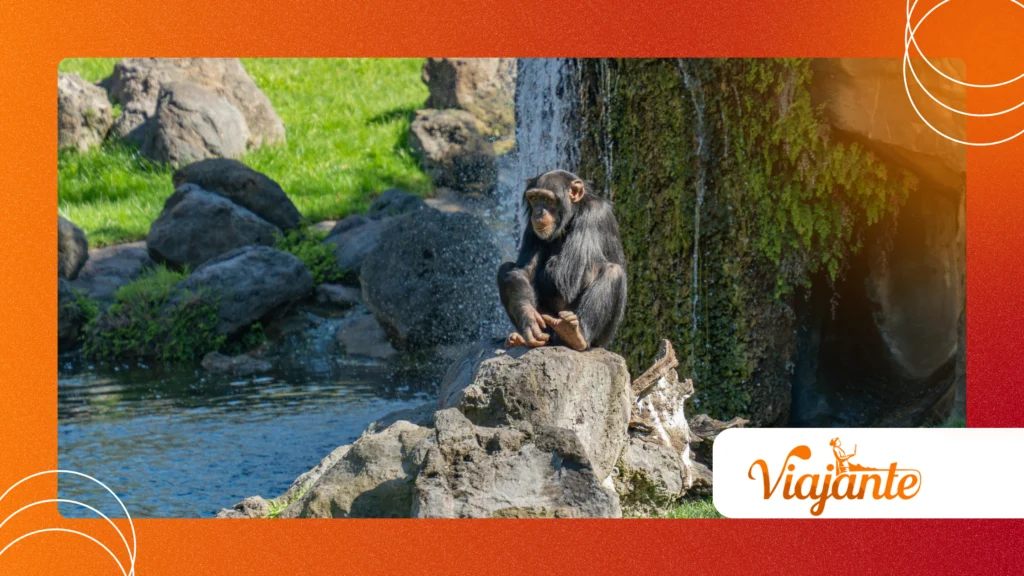
Compréhension Comportement d'automédication chez les chimpanzés nécessite une combinaison d'observation du patient sur le terrain et de travail en laboratoire de haute technologie.
Des données fiables de l'Institut Max Planck nous rappellent qu'il ne s'agit pas d'anecdotes « mignonnes », mais d'événements biologiques mesurables.
À mesure que le couvert forestier disparaît, nous détruisons les livres de cette bibliothèque naturelle. Chaque espèce végétale disparue aurait pu être la clé de la découverte d'une nouvelle branche de la médecine, tant pour les singes que pour les humains.
La pharmacie de la forêt
La réalité de Comportement d'automédication chez les chimpanzés Cela nous oblige à reconsidérer ce que nous entendons par « médecine ». Il ne s'agit pas simplement de quelque chose que l'on trouve dans un laboratoire stérile ou dans une bouteille en plastique ; il s'agit d'une interaction fondamentale entre un être vivant et son environnement.
La façon dont un chimpanzé épluche méticuleusement une tige amère ou avale une feuille rugueuse nous rappelle que l'instinct de guérison est ancestral. C'est une stratégie de survie qui précède nos villes et notre science, inscrite dans la trame même de la forêt.
Protéger ces habitats, c'est bien plus que simplement « sauver les singes ». Il s'agit de préserver un système de connaissances sophistiqué que nous commençons à peine à décrypter.
Pour voir comment ces habitats sont préservés à l'échelle mondiale, consultez le site web suivant : Fonds mondial pour la nature (WWF) pour obtenir des informations sur la conservation des primates et la protection des forêts.
FAQ : Comportement d'automédication chez les chimpanzés
Ce comportement est-il acquis ou instinctif ?
Il semblerait qu'il s'agisse d'un trait culturel acquis. Les jeunes chimpanzés observent attentivement leurs mères, apprenant quelles plantes cueillir et comment les préparer, ce qui suggère que les connaissances médicinales se transmettent par l'observation sociale.
Les humains peuvent-ils utiliser les mêmes plantes que les chimpanzés ?
Nombre de ces plantes, comme la feuille amère, sont des éléments essentiels de la médecine traditionnelle africaine. Cependant, les chimpanzés peuvent métaboliser certaines toxines qui pourraient être dangereuses pour l'homme sans préparation très spécifique.
Existe-t-il d'autres animaux que les chimpanzés qui pratiquent l'automédication ?
Oui, mais la gamme de Comportement d'automédication chez les chimpanzés elle est d'une ampleur exceptionnelle, couvrant des traitements mécaniques, chimiques et même biologiques (insectes) que peu d'autres espèces peuvent égaler.
Pourquoi ne mangent-ils pas ces plantes tout le temps ?
Les plantes médicinales contiennent souvent des « anti-nutriments » ou des toxines légères. Les consommer en bonne santé serait un gaspillage d'énergie et potentiellement dangereux ; elles ne sont donc utilisées qu'en cas de maladie.
\