
Explication des algorithmes sous-jacents au comportement animal
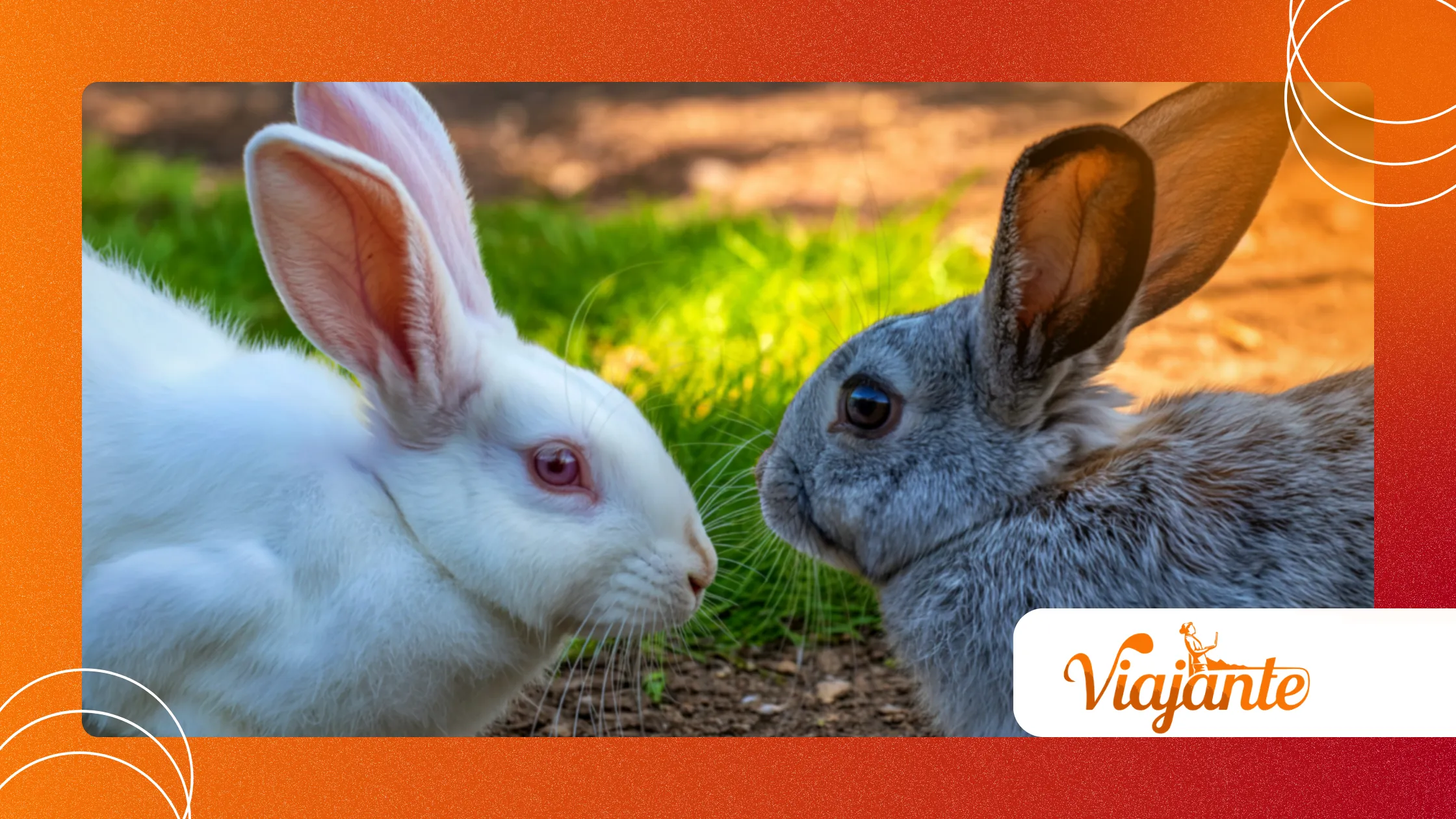
Le croisement de la biologie et de la technologie a révélé que la nature ne se contente pas de survivre ; elle calcule.
Annonces
Cette analyse approfondie Algorithmes de comportement animal montre comment la faune sauvage optimise son existence grâce à des cadres mathématiques qui ressemblent étonnamment à des logiciels modernes.
Comprendre ces instructions biologiques offre aux professionnels du numérique une perspective concrète et réaliste sur l'optimisation des systèmes.
Nous passons de la simple observation à un espace où la logique animale dicte la manière dont nous construisons des réseaux numériques décentralisés et résilients.
- La réalité des scénarios biologiques
- Intelligence collective contre contrôle centralisé
- Appliquer la logique naturelle à la technologie humaine
- Décryptage du code : anomalies environnementales
Que sont les algorithmes de comportement animal en science moderne ?
Les scientifiques se sont éloignés du concept vague d’« instinct » pour définir les actions animales comme des scripts biologiques précis.
Ces Algorithmes de comportement animal Elles s'exécutent en fonction de déclencheurs sensoriels, permettant aux espèces de résoudre des énigmes spatiales sans chef unique aux commandes.
Au contraire, le mouvement collectif émerge d'individus suivant une logique spécifique et rigide qui privilégie l'intégrité géométrique du groupe.
Ces règles fonctionnent comme des instructions biologiques « si-alors » qui permettent au système de continuer à fonctionner même lorsque l'environnement devient hostile.
Il s'agit d'une stratégie de survie décentralisée qui rend nos clusters de cloud computing les plus avancés relativement primitifs et fragiles.
Comment l'intelligence collective influence-t-elle la technologie humaine ?
Les systèmes les plus efficaces de la nature considèrent les interactions locales comme la source ultime de vérité, ignorant la nécessité d'une supervision globale.
Lorsque nous disséquons Algorithmes de comportement animalNous constatons que les fourmis ne se contentent pas d'errer ; elles exécutent un script de recherche de chemin sophistiqué.
Les ingénieurs sont en train de traduire ces techniques de recherche de nourriture basées sur les phéromones en protocoles de routage qui assurent le fonctionnement de nos télécommunications mondiales.
Cette approche bio-inspirée prouve que la simplicité, lorsqu'elle est appliquée à grande échelle, surpasse la gestion complexe et verticale sur les marchés volatils.
L'observation de ces schémas aide les développeurs à concevoir des systèmes autoréparateurs qui ne s'effondrent pas dès qu'un seul nœud ou travailleur indépendant se déconnecte.
Pourquoi ces schémas apparaissent-ils chez différentes espèces ?
L'évolution est un optimiseur obsessionnel, forçant des espèces non apparentées à parvenir aux mêmes conclusions mathématiques pour survivre.
Ces Algorithmes de comportement animal représentent le summum absolu de l'efficacité énergétique pour la navigation, la chasse et même la reproduction.
Le modèle des « Boids » en est un exemple classique : les oiseaux maintiennent leur formation grâce à seulement trois règles : la séparation, l’alignement et la cohésion.
Il n'y a pas de réunion complexe dans le ciel ; il n'y a que la réponse immédiate et rythmée au battement d'ailes du voisin.
Cela confirme une vérité fondamentale : la logique mathématique n'est pas une invention humaine, mais une condition essentielle à toute forme de vie.
Quels comportements animaux offrent les meilleurs modèles logiques ?
Certaines espèces spécifiques offrent un modèle pour résoudre précisément les problèmes organisationnels auxquels nous sommes confrontés dans l'économie numérique.
Les abeilles, par exemple, utilisent une « danse frétillante » qui fonctionne comme un protocole de transfert de données haute fidélité concernant la qualité des ressources.
Cet ensemble spécifique de Algorithmes de comportement animal Il est actuellement en cours de démantèlement et de reconstruction pour devenir un logiciel de drone de recherche et de sauvetage.
En imitant la communication des abeilles, ces machines peuvent se coordonner dans des zones « sombres » sans avoir besoin d'une connexion satellite constante et instable.
Les termites offrent une leçon encore plus concrète à travers la construction de leurs termitières, qui repose sur une ventilation passive et une logique d'intégrité structurelle.
Les architectes rattrapent enfin leur retard et conçoivent des bâtiments qui régulent automatiquement la température en s'inspirant de ces anciens modèles naturels éprouvés.
++ Hippocampes : Grossesse mâle et soins parentaux
Données comparatives des systèmes logiques biologiques
Le tableau ci-dessous détaille comment ces stratégies biologiques se traduisent dans les outils que nous utilisons pour naviguer dans nos environnements numériques professionnels.
++ Comment le comportement des coyotes urbains modifie leurs tactiques de survie
| Espèces | Algorithme principal | Application technologique | Cote d'efficacité |
| Les abeilles | Optimisation des ressources | Logistique et livraison du dernier kilomètre | Haut |
| Fourmis | Recherche de chemin (phéromones) | Routage des paquets réseau | Exceptionnel |
| Oiseaux | Mouvement collectif | Réseaux de véhicules autonomes | Haut |
| loups | Flanquement stratégique | Détection des menaces de cybersécurité | Moyen |
Dans quelles circonstances ces algorithmes échouent-ils dans les environnements naturels ?
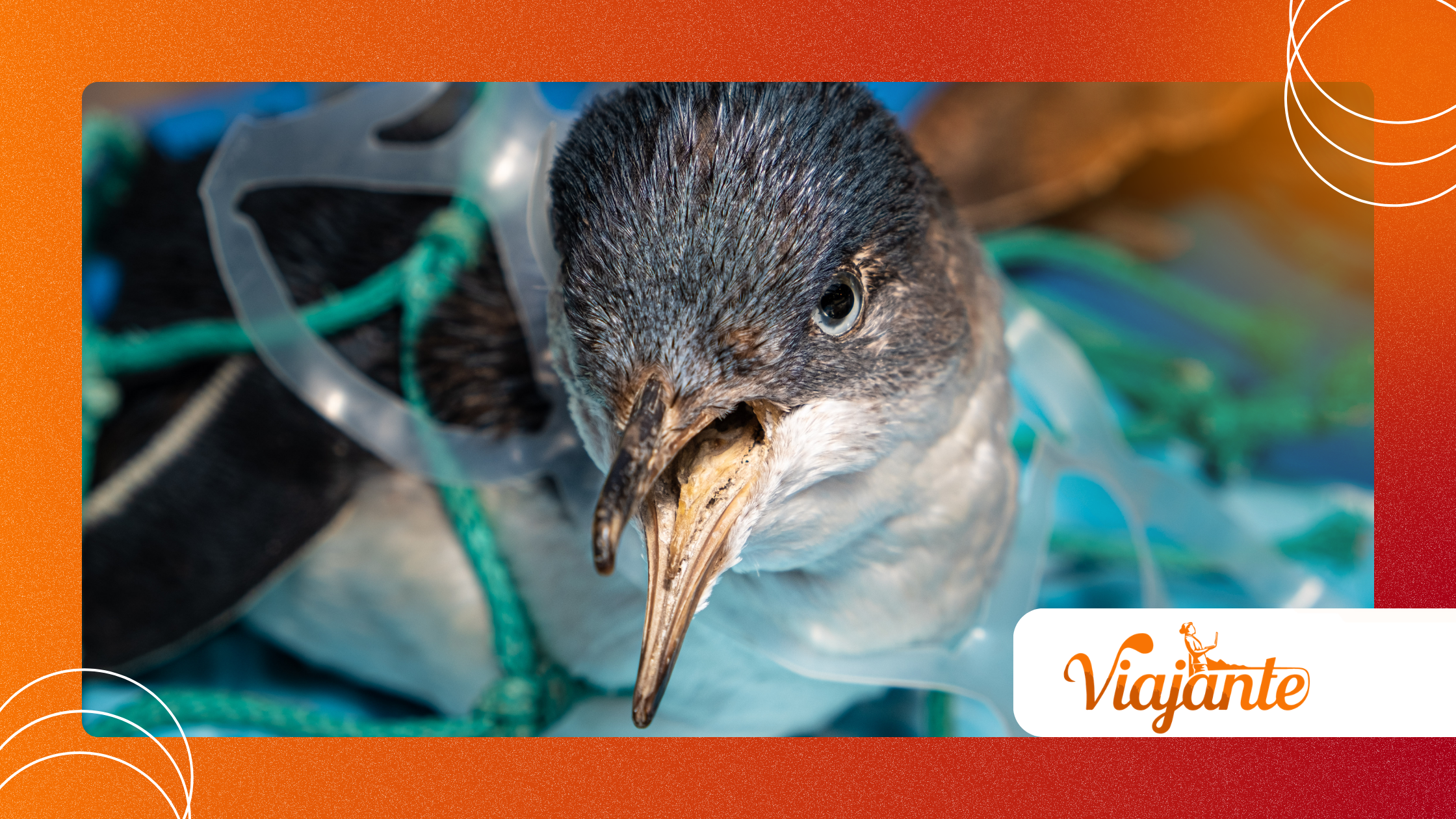
Même les plus raffinés Algorithmes de comportement animal Ils se heurtent à un mur lorsque les données qu'ils reçoivent sont fondamentalement erronées.
Le changement climatique d'origine humaine et la pollution lumineuse urbaine agissent comme des « bugs » dans le système, forçant les animaux à exécuter des scénarios erronés.
Les tortues marines en offrent un exemple poignant, car elles dépendent de la magnétoréception et des signaux lumineux pour trouver l'océan.
Les lumières artificielles des plages brouillent leur code de navigation, les amenant à se diriger vers les autoroutes au lieu de la sécurité des vagues.
Comprendre ces points de défaillance est essentiel pour quiconque conçoit des systèmes dans un monde en constante évolution. Cela nous rappelle brutalement que même l'algorithme le plus parfait représente un handicap s'il est alimenté par des données erronées.
Quels sont les avantages de l'étude du code de la nature ?
En décodant Algorithmes de comportement animalNous parvenons enfin à combler le fossé entre l'intuition organique et l'intelligence synthétique.
Ce domaine, souvent appelé biomimétisme, est le moteur de nos progrès actuels en robotique, en médecine et même en sociologie des groupes.
Pour ceux qui évoluent dans le monde du travail indépendant ou à distance, ces principes offrent un moyen d'améliorer la synchronisation d'équipe sans alourdir les structures.
Apprendre à faire confiance à une coordination décentralisée permet une plus grande créativité et des temps de réponse nettement plus rapides lors de projets à forte pression.
Nature exploite le plus ancien laboratoire de recherche et développement au monde, et nous commençons à peine à en explorer les archives.
Le respect de cette sagesse ancestrale garantit que notre trajectoire technologique reste durable et ancrée dans les réalités de notre planète.
Comment appliquer les principes biologiques au travail numérique ?
Candidature Algorithmes de comportement animal Adopter un flux de travail moderne implique de privilégier la modularité et de renoncer à la tentation de microgérer chaque variable.
Les équipes numériques peuvent adopter une mentalité de « groupe », où chaque membre réagit à des déclencheurs locaux pour faire avancer le projet.
Cette transition ne concerne pas seulement les logiciels ; il s'agit d'un changement psychologique, passant d'un contrôle rigide à une coordination fluide.
En fixant quelques limites claires et non négociables, les dirigeants permettent à l'intelligence collective de trouver le chemin le plus rapide et le plus innovant vers l'objectif.
Les professionnels qui maîtrisent ces schémas sont généralement ceux qui survivent aux krachs boursiers et aux virages technologiques.
Le code de la nature prouve que la flexibilité n'est pas seulement une qualité appréciable, c'est le seul moyen de rester pertinent dans un écosystème en constante évolution.
++ Pourquoi le comportement de chasse des écureuils terrestres a surpris les experts
Réflexions finales
La réalité de Algorithmes de comportement animal nous montre un monde où la frontière entre la biologie et les mathématiques est pratiquement inexistante.
De la pression silencieuse des profondeurs marines au chaos de la savane, ces schémas assurent la survie grâce à une logique élégante.
Pour le professionnel du numérique d'aujourd'hui, ces systèmes constituent un modèle d'efficacité et de réduction des gaspillages. En intégrant ces connaissances naturelles, nous pouvons concevoir des outils et des carrières aussi résilients que les espèces qui les ont inspirés.
Pour approfondir la manière dont la logique biologique redéfinit notre compréhension de l'intelligence, consultez Portefeuille Nature pour les dernières recherches qui redéfinissent actuellement les frontières de la science.
FAQ (Foire aux questions)
Quel est l'algorithme animal le plus célèbre ?
L'optimisation par colonies de fourmis (ACO) est ici la solution phare, largement utilisée pour résoudre les problèmes logistiques et de planification cauchemardesques du transport maritime mondial.
Les comportements animaux sont-ils strictement programmés ?
Pas entièrement. Bien que le « code de base » soit algorithmique, de nombreuses espèces ont la capacité d’« apprendre automatiquement », en mettant à jour leur comportement en fonction des nouvelles informations environnementales.
Les humains peuvent-ils réellement utiliser l'intelligence collective ?
Nous le constatons déjà. On le voit dans le fonctionnement des marchés financiers, dans le crowdsourcing, et même dans les mécanismes viraux des tendances des médias sociaux modernes.
Comment les algorithmes contribuent-ils à la conservation ?
En cartographiant les besoins mathématiques d'une espèce, nous pouvons créer de meilleurs corridors fauniques et prédire comment elle réagira à la hausse des températures avant qu'il ne soit trop tard.
\