
¿Por qué un meganido de tortugas gigantes asombró a los investigadores de la vida silvestre?
Activistas de la conservación de la vida silvestre documentaron recientemente un evento ecológico sin precedentes a lo largo de las riberas protegidas de un río, lo que captó la atención mundial.
Anuncios
Miles de tortugas de río sudamericanas se congregaron simultáneamente para depositar sus huevos, revelando una extraordinaria sincronización biológica y capacidad de resistencia.
Esta enorme concentración ofrece lecciones vitales sobre el comportamiento colectivo, la protección del medio ambiente y la supervivencia de las especies.
Explorar este fenómeno proporciona una visión profunda de cómo el esfuerzo comunitario estructurado crea sostenibilidad a largo plazo en ecosistemas frágiles de todo el mundo.
En este artículo, examinaremos la mecánica biológica de la anidación masiva, analizaremos datos de campo de equipos de investigación, evaluaremos el impacto en la conservación y abordaremos preguntas comunes sobre el comportamiento de los reptiles.
¿Qué es un meganido de tortugas gigantes en la biología de la vida silvestre?
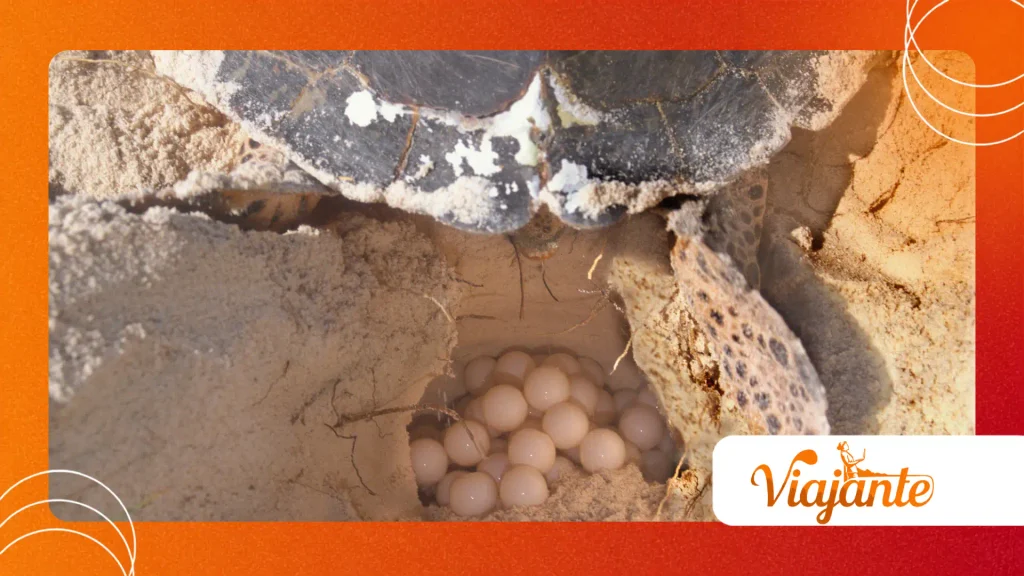
Los biólogos de campo definen la anidación masiva, o arribada, como una estrategia reproductiva sincronizada en la que las tortugas hembras convergen en bancos de arena específicos.
Este fenómeno natural protege a las crías vulnerables al abrumar a los depredadores locales mediante su enorme número.
El fenómeno conocido como Meganido de Tortugas Gigantes principalmente implica Podocnemis expansa, la especie de tortuga de agua dulce más grande de Sudamérica.
Miles de hembras emergen simultáneamente durante las épocas de sequía para depositar sus huevos en breves periodos de tiempo.
El reciente seguimiento realizado sobre el terreno cerca de las cuencas fluviales de Brasil y Perú confirmó cifras récord de anidación.
La avanzada tecnología de drones permitió a los investigadores contar las hembras ponedoras con una precisión sin precedentes, documentando la actividad biológica histórica sin perturbar los delicados hábitats de las riberas de los ríos.
Estas agrupaciones reproductivas masivas demuestran cómo las adaptaciones evolutivas permiten a las especies vulnerables sobrevivir a cambios ambientales drásticos.
Comprender estos patrones ayuda a los conservacionistas a diseñar protocolos de protección específicos a lo largo de las rutas migratorias críticas.
¿Por qué el gigantesco nido de tortugas dejó atónitos a los científicos de campo?
Los biólogos esperaban una recuperación constante de la población tras años de estricta conservación del hábitat, pero la magnitud real superó las predicciones.
La elevada densidad de hembras activas en bancos de arena individuales reveló mecanismos de recuperación ecológica inesperadamente fuertes.
Las señales sensoriales, como la temperatura del río, la humedad de la arena y los ciclos lunares, desencadenan esta sincronización masiva.
Cuando las condiciones ambientales se alinean a la perfección, miles de hembras comienzan a anidar en lapsos idénticos de cuarenta y ocho horas, lo que deja atónitos a los equipos de monitoreo.
Observación clave: Los biólogos evolutivos señalan que la anidación simultánea reduce la mortalidad individual de los huevos hasta en un sesenta por ciento en comparación con los hábitos de anidación solitaria observados en especies de reptiles no gregarias.
Además, el seguimiento acústico remoto reveló una compleja señalización subacuática entre las hembras adultas antes de su llegada a la playa.
Esta inesperada coordinación social sugiere una mayor complejidad conductual de la que los investigadores habían atribuido previamente a las especies de tortugas de agua dulce.
Estos eventos masivos de anidación demuestran que una gestión adecuada de las cuencas fluviales genera resultados de conservación exponenciales. Proteger las playas clave de anidación salvaguarda generaciones enteras, asegurando la diversidad genética a largo plazo en las redes fluviales interconectadas.
++ El misterio detrás de la teoría del vacío cósmico terrestre explicado.
¿Cómo monitorean y protegen los investigadores los sitios de anidación masiva?
La conservación moderna se basa en imágenes aéreas de alta resolución, seguimiento por satélite y redes de patrullaje terrestre. Los investigadores utilizan drones térmicos para monitorear los gradientes de temperatura en las playas y mapear las densidades de anidación sin perturbar las delicadas cámaras de huevos.
Proceso de recopilación de datos de campo: ┌─────────────────────┐ ┌─────────────────────┐ ┌─────────────────────┐ │ Levantamiento aéreo con drones │ ──>│ Monitoreo acústico │ ──>│ Etiquetado con microchip │ │ (Densidad de mapeo) │ │ (Señalización de grupo) │ │ (Seguimiento individual│ └─────────────────────┘ └─────────────────────┘ └─────────────────────┘
Los guardaparques locales desempeñan un papel fundamental en la protección de las riberas de estos ríos contra la caza furtiva ilegal.
Trabajando junto a organizaciones científicas como la Sociedad para la Conservación de la Vida Silvestre, Los equipos comunitarios protegen kilómetros de costa durante los meses críticos de eclosión.
Los trabajadores de campo también instalan registradores de datos automatizados directamente en los lechos de arena para monitorear las fluctuaciones del microclima. Los datos precisos de temperatura ayudan a los científicos a predecir la proporción de sexos de las crías, ya que la temperatura del nido determina directamente el sexo biológico.
Los protocolos de campo estandarizados garantizan que la recopilación de datos siga siendo no invasiva, al tiempo que maximizan las tasas de supervivencia.
La combinación de la innovación científica con la gestión local crea un modelo de defensa sostenible contra la destrucción del hábitat y la explotación ilegal.
¿Qué datos clave ponen de manifiesto la magnitud de la anidación de tortugas de agua dulce?
El seguimiento cuantitativo proporciona evidencia concreta sobre la salud ecológica de los corredores fluviales protegidos.
Las siguientes métricas biológicas resumen las observaciones de campo registradas en las principales zonas de monitoreo de ríos de América del Sur durante las recientes temporadas de anidación.
| Métrica biológica | Línea base de anidamiento solitario | Observación de Mega Nidos | Importancia ecológica |
| Hembras anidando por playa | 50 – 200 personas | 15.000 – 80.000 personas | Capacidad de depredación saturada |
| Tamaño promedio del embrague | Entre 80 y 100 huevos por hembra. | De 95 a 120 huevos por hembra. | Altos niveles de aptitud física materna |
| Tasa de emergencia de polluelos | Éxito de 35% – 50% | Éxito del 80% al 92% | Supervivencia comunitaria optimizada |
| Tasa de mortalidad por depredación | Alto (más de 50%) | Bajo (menos de 15%) | Efecto de dilución numérica |
Los datos estadísticos confirman que la reproducción sincronizada altera drásticamente las trayectorias poblacionales. La anidación en alta densidad garantiza tasas de reclutamiento exponenciales, lo que permite la recuperación de las poblaciones de tortugas de agua dulce mucho más rápido de lo que podrían lograr los modelos de reproducción solitaria.
++ Cómo el descubrimiento de estrellas oscilantes reveló mundos invisibles
¿Qué amenazas ambientales ponen en peligro el éxito de la anidación futura?
La construcción de represas hidroeléctricas altera los regímenes naturales de flujo de los ríos, modificando el momento en que los bancos de arena quedan expuestos. Cuando los niveles de agua fluctúan artificialmente debido a la apertura de las compuertas, miles de cámaras de huevos sumergidas sufren una mortalidad total.
El cambio climático también introduce una volatilidad meteorológica extrema, provocando inundaciones fluviales impredecibles y sequías prolongadas.
Las temperaturas inusualmente altas de la arena distorsionan las proporciones sexuales naturales, produciendo cohortes con predominio femenino que amenazan el equilibrio demográfico a largo plazo.
El comercio ilegal de huevos y tortugas adultas sigue afectando a las poblaciones vulnerables a pesar de las protecciones legales. La protección de los bancos de arena remotos requiere apoyo financiero constante y unidades de vigilancia especializadas que crucen las fronteras fluviales internacionales.
Para afrontar estos complejos desafíos se requiere una gestión integrada de las cuencas hidrográficas que equilibre el desarrollo económico humano con la preservación biológica.
Protegiendo el Meganido de Tortugas Gigantes Requiere una cooperación internacional sostenida y una aplicación rigurosa de la normativa sobre el hábitat.
++ Tecnologías predichas hace décadas que existen hoy en día.
¿Cómo puede la protección de los ecosistemas impulsar la recuperación de la biodiversidad a largo plazo?
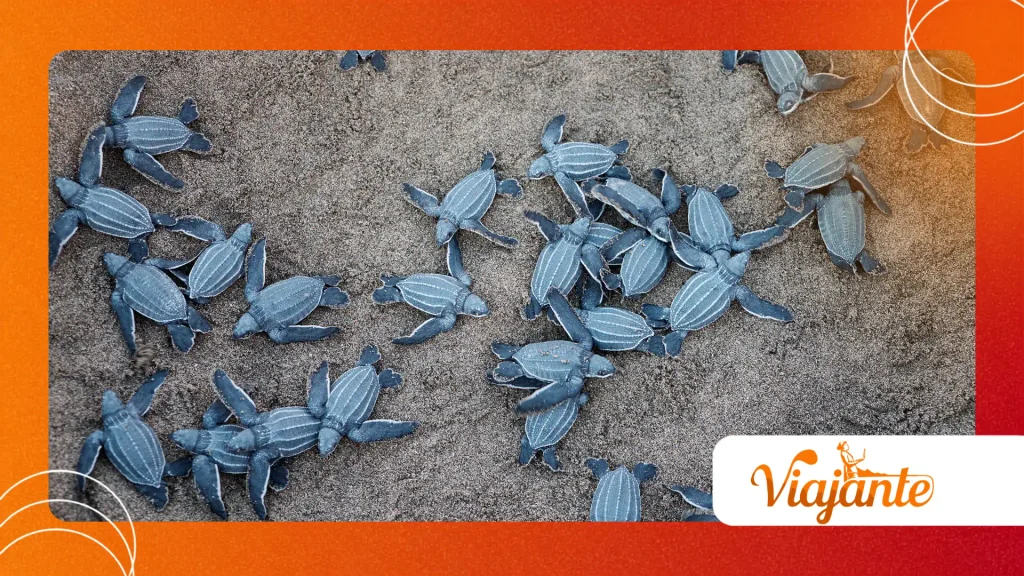
La conservación de las grandes tortugas de agua dulce produce efectos positivos en cascada en ecosistemas acuáticos completos. Como dispersores clave de semillas y agentes del ciclo de nutrientes, estos reptiles mantienen la salud de los cauces fluviales, lo que beneficia a las poblaciones de peces y a la vegetación ribereña.
Las iniciativas de ecoturismo centradas en la conservación de las tortugas proporcionan ingresos sostenibles a las comunidades ribereñas. La transformación de antiguos cazadores furtivos en guías de conservación certificados crea poderosos incentivos económicos para defender de forma permanente los hábitats de anidación cruciales.
Los programas educativos en las escuelas regionales fomentan la alfabetización ambiental a largo plazo entre los jóvenes que viven en las cuencas fluviales. La participación de las poblaciones locales promueve un profundo orgullo cultural por la protección de la fauna silvestre endémica para las generaciones futuras.
Las colaboraciones de investigación a nivel mundial siguen aportando información crucial sobre la migración, la fisiología y la capacidad de resistencia de los reptiles.
Una sólida investigación ecológica documentada por instituciones como la Instituto Smithsoniano de Investigaciones Tropicales Subraya la necesidad de una protección del hábitat a gran escala.
Resumen de ideas clave
El regreso de las grandes agrupaciones de tortugas de agua dulce representa un triunfo para la gestión internacional de la vida silvestre. La conservación coordinada demuestra que los ecosistemas degradados se recuperan rápidamente cuando se mitigan sistemáticamente las principales presiones humanas.
Sigue siendo imprescindible continuar invirtiendo en tecnología de rastreo no invasiva, programas de vigilancia comunitarios y la aplicación de las políticas.
La protección de las zonas de anidación críticas preserva componentes esenciales de la biodiversidad en algunas de las cuencas de agua dulce más importantes del mundo.
Preguntas frecuentes
¿Por qué las tortugas gigantes de agua dulce anidan en grandes grupos?
La anidación grupal sincronizada abruma a los depredadores locales gracias a su gran número. Esta estrategia de supervivencia, conocida como saciedad de depredadores, aumenta significativamente el porcentaje de huevos que eclosionan con éxito y dan lugar a crías viables.
¿Cuánto tiempo tardan en eclosionar los huevos de tortuga de agua dulce?
En condiciones óptimas, los huevos eclosionan en un plazo de 45 a 65 días. La velocidad de incubación depende en gran medida de la temperatura ambiente de la arena, los niveles de humedad y las condiciones climáticas estacionales a lo largo de la ribera del río.
¿Qué determina el sexo de las tortugas de río recién nacidas?
La determinación del sexo depende completamente de la temperatura de incubación del nido. Las temperaturas más cálidas de la arena producen predominantemente polluelos hembra, mientras que las condiciones de incubación más frías dan como resultado cohortes dominadas por machos en toda la playa de anidación.
¿Cómo pueden participar las comunidades locales en los programas de conservación de tortugas?
Los residentes locales trabajan directamente como guardaparques certificados, supervisan los registradores de temperatura de las playas, lideran actividades de ecoturismo sostenible y protegen las zonas de anidación vulnerables de la recolección ilegal durante las temporadas de reproducción.
\