
Por qué la oruga recolectora de huesos es el cazador más extraño de la naturaleza.
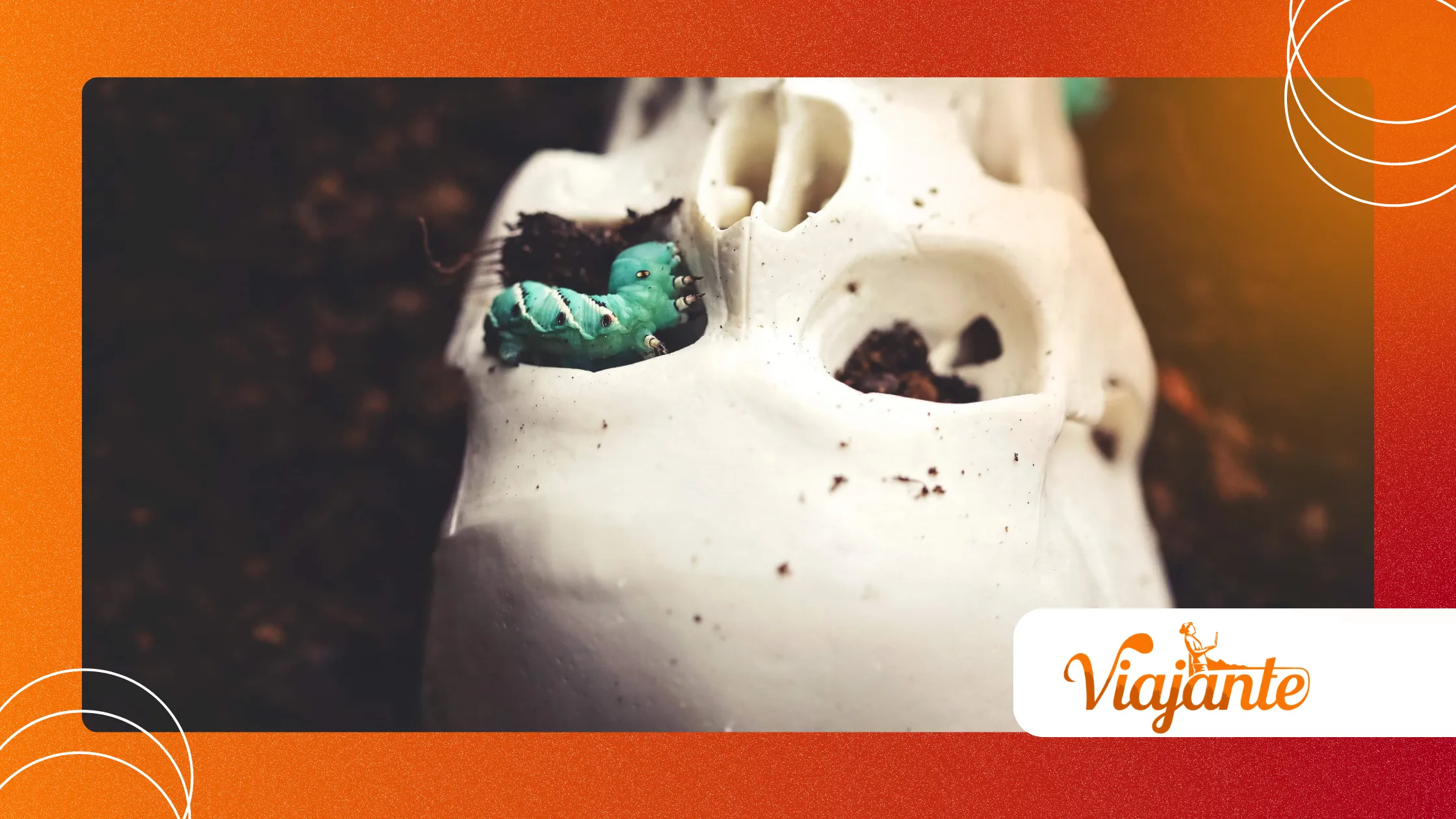
La oruga recolectora de huesos representa una de las adaptaciones evolutivas más extrañas de todo el mundo de los insectos. Esta fascinante criatura construye una armadura literal con los cuerpos de sus presas caídas.
Anuncios
Comprender a este singular depredador ofrece información valiosa sobre la eficiencia natural y las estrategias de supervivencia bajo una dura presión ambiental.
Esta guía exhaustiva explora la biología, los mecanismos de caza táctica y el impacto ecológico de este insecto. Los lectores aprenderán lecciones prácticas sobre adaptación, diseño evolutivo y gestión de recursos.
¿Qué es la oruga recolectora de huesos?
La oruga recolectora de huesos es la etapa larvaria de Cerura scitiscripta, comúnmente conocida como la polilla prominente de borde negro. Este insecto en particular ha cautivado a los entomólogos debido a su singular comportamiento defensivo y depredador.
A diferencia de las larvas herbívoras típicas, esta especie recolecta activamente restos quitinosos de hormigas y otros insectos pequeños. Adhiere estratégicamente estos fragmentos rígidos a su superficie dorsal mediante seda.
Este comportamiento resulta profundamente inquietante, pero cumple una brillante doble función para el organismo en crecimiento durante su fase vulnerable. Funciona como un camuflaje físico muy eficaz, a la vez que proporciona una sólida protección contra los depredadores más grandes que habitan en las copas de los árboles.
¿Cómo construye este insecto su armadura?
El proceso de construcción requiere un esfuerzo físico meticuloso y una síntesis química precisa por parte de la larva. Unas glándulas salivales especializadas secretan una seda muy viscosa que se endurece rápidamente al contacto con el aire.
La diligente oruga recolectora de huesos selecciona los fragmentos óptimos del exoesqueleto de sus víctimas para asegurar la máxima cobertura. Prioriza las duras cápsulas cefálicas de las hormigas para zonas defensivas críticas.
Esta arquitectura macabra demuestra una increíble optimización de los recursos ambientales disponibles para la seguridad personal. Cada adición estructural aumenta las posibilidades de alcanzar la pupación de forma segura en ecosistemas competitivos.
+ ¿Qué hace que un arcoíris sea circular?
¿Por qué se considera a la oruga recolectora de huesos una cazadora experta?
La paciencia táctica define la metodología depredadora de esta fascinante especie de oruga norteamericana. Utiliza estrategias de emboscada, permaneciendo completamente inmóvil sobre ramitas durante varias horas.
El mimetismo químico permite al depredador camuflarse a la perfección entre los rastros de feromonas de las hormigas arborícolas. Las presas desprevenidas se acercan a la amenaza oculta sin activar las alarmas defensivas de la colonia.
El rápido mecanismo de ataque de la larva garantiza una alta tasa de éxito durante los encuentros. Atrapa a la presa al instante mediante patas torácicas modificadas equipadas con ganchos afilados y curvados.
+ El extraño caso de la planaria inmortal
¿Cómo caza y sobrevive esta criatura?
Aunque predominantemente herbívora, la oruga recolectora de huesos ejecuta maniobras defensivas muy agresivas y calculadas que imitan estrategias de caza activas.
Cuando se acerca una amenaza depredadora, la larva agita violentamente su torre esquelética artificial de un lado a otro con inmensa velocidad.
Este rápido desplazamiento físico crea una barrera cinética confusa que desvía con éxito la atención visual de las avispas y arañas depredadoras especializadas.
| Etapa larvaria (estadio larvario) | Altura media de la torre | Táctica defensiva principal |
| Segundo estadio | 1 cápsula de cabeza | Camuflaje pasivo |
| Tercer estadio | 2 cápsulas de cabeza | Batido cinético de referencia |
| Cuarto estadio | 3 cápsulas de cabeza | Balanceos armados avanzados |
| Quinto estadio | 4+ Cápsulas de cabeza | Blindaje mecánico completo |
¿Qué factores ambientales influyen en su comportamiento?
La densidad de población de las colonias locales de hormigas formícidas determina directamente la distribución de estas orugas especializadas. Las regiones con abundantes poblaciones de hormigas presentan tasas de supervivencia significativamente mayores para las larvas depredadoras.
Los cambios estacionales de temperatura también alteran la velocidad de construcción y la agresividad general de los insectos. Las condiciones más cálidas aceleran las tasas metabólicas, lo que conlleva ciclos de caza más frecuentes y un crecimiento más rápido.
La selección del microhábitat sigue siendo crucial para mantener la integridad estructural del delicado adhesivo de seda. Las zonas de alta humedad evitan que el pegamento biológico se vuelva quebradizo y se agriete prematuramente.
Para obtener análisis académicos detallados de estos microhábitats larvarios especializados, visite el sitio web. Sociedad Entomológica de América plataforma. Su base de datos proporciona una amplia documentación revisada por pares sobre las adaptaciones del comportamiento de los insectos.
¿Cuándo se produce la transición de la oruga a la etapa adulta?

La metamorfosis comienza cuando la última fase larvaria alcanza su masa corporal y nutricional óptima. El insecto se desprende de su característica armadura de huesos antes de tejer un resistente capullo pupal.
Este período de transición dura aproximadamente tres semanas, dependiendo de las variables climáticas regionales y las condiciones de seguridad. El organismo experimenta una reorganización celular completa dentro de una grieta bien oculta en la corteza.
La polilla adulta, al emerger, carece por completo de las inclinaciones depredadoras de su forma larvaria anterior. Se centra exclusivamente en la reproducción, viviendo solo unos pocos días sin alimentarse.
¿Cómo evade la oruga recolectora de huesos a los depredadores visuales?
El camuflaje se basa en gran medida en disimular los contornos orgánicos reconocibles sobre una textura de fondo neutra. El cúmulo irregular y caótico de restos de insectos que cubre la larva rompe por completo su silueta.
Las aves y los lagartos arborícolas que buscan orugas lisas y regordetas entre el follaje pasan completamente por alto este montón irregular. El engaño visual imita un grupo insignificante de escamas de brotes secos o restos forestales arrastrados por el viento.
El movimiento se mantiene lento y deliberado para evitar sacudir las hojas circundantes durante el día. Esta quietud calculada garantiza que los depredadores sensibles al movimiento pasen de largo sin investigar el organismo oculto bajo la armadura.
¿Cuáles son los límites de sus defensas quitinosas?
La protección física sigue siendo muy eficaz contra pinchazos menores y amenazas ambientales de cuerpo blando. Sin embargo, la integridad estructural de esta defensa falla ante las fuertes fuerzas de aplastamiento mecánicas de animales más grandes.
Las avispas parásitas representan una amenaza grave y sofisticada que esta armadura física no puede bloquear por completo. Estos diminutos insectos suelen encontrar huecos microscópicos entre las cápsulas cefálicas adheridas para depositar sus huevos letales.
Mantener la matriz estructural también exige una enorme inversión de energía metabólica y recursos internos. Si una larva pierde su caparazón externo a mitad de su estadio, reconstruirlo retrasa la pupación, un proceso vital.
¿Qué lugar ocupa este depredador en la red trófica del bosque?
Esta larva, que actúa como reguladora especializada de la población, ataca a los insectos coloniales dominantes dentro del dosel arbóreo. Su presencia impide que una sola especie de hormiga agresiva monopolice por completo los territorios de forrajeo localizados en los árboles hospedadores.
La energía acumulada por la laboriosa larva se transfiere finalmente a niveles superiores de la cadena alimentaria local. Arañas y escarabajos depredadores más grandes cazan frecuentemente estas orugas, perforando su caparazón a través de sus puntos ventrales vulnerables.
Incluso las conchas desechadas contribuyen al microecosistema inmediato después de que el insecto entra en la etapa de pupación. Los fragmentos caídos se descomponen en el suelo del bosque, reciclando calcio y nitrógeno vitales que se reincorporan al suelo.
+ La inteligencia melódica: desvelando secretos históricos
¿Cuáles son las principales lecciones que podemos aprender de esta criatura única?
La naturaleza demuestra que la adaptación no convencional suele generar las tasas de supervivencia más altas en biomas competitivos. La capacidad de adaptación permite que organismos aparentemente frágiles dominen con éxito nichos ecológicos altamente especializados.
La oruga recolectora de huesos ejemplifica cómo convertir los desafíos ambientales en herramientas defensivas genera un éxito sostenible. La innovación sigue siendo el factor determinante de la supervivencia a largo plazo en todos los sistemas biológicos.
Preguntas frecuentes
¿La oruga recolectora de huesos es venenosa para los humanos?
No, esta especie se basa completamente en armadura física y camuflaje mecánico, en lugar de toxinas químicas. No representan ningún peligro directo para los humanos que las manipulan en su hábitat natural.
¿Dónde se puede encontrar este insecto en estado salvaje?
Habitan principalmente en bosques caducifolios de Estados Unidos y el sur de Canadá. Observa con atención el envés de las hojas de sauce y álamo durante el verano.
¿Solo recolectan huesos de hormigas?
Si bien las hormigas constituyen su principal recurso, también utilizan los exoesqueletos de pequeños escarabajos. Cualquier fragmento rígido de insecto que se ajuste a su matriz de seda puede integrarse.
¿Cuánto dura la fase larvaria?
La fase activa de caza y construcción de las larvas suele durar entre seis y ocho semanas. Este plazo depende en gran medida de la disponibilidad de alimento y de la temperatura ambiente local.
Este extraordinario insecto nos enseña que sobrevivir en entornos hostiles requiere una adaptabilidad absoluta y una gran paciencia táctica. Adoptar estrategias únicas garantiza la viabilidad a largo plazo en cualquier ecosistema complejo.
Para explorar más descubrimientos científicos verificados sobre organismos forestales especializados, consulte la Fundación Nacional de Ciencias Actualizaciones de investigación. Sus publicaciones ofrecen una increíble profundidad en los logros de la biología evolutiva.
\