
La novia fantasma de los puentes y ríos de Brasil
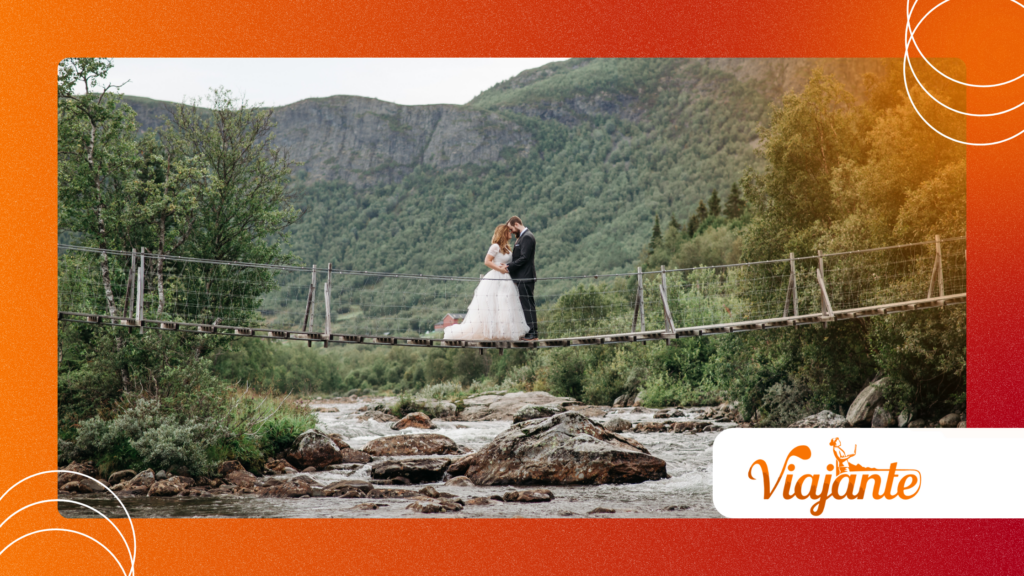
La leyenda de la La novia fantasma de los puentes y ríos de Brasil No es solo una reliquia para los escalofríos alrededor de una fogata; es un reflejo inquietante y persistente de cómo nos perdemos en nuestro trabajo.
Anuncios
En los tranquilos parajes del Valle del Paraíba, los lugareños aún susurran sobre la mujer de blanco, eternamente atrapada entre la vida que había planeado y un final en el agua.
Para el profesional que trabaja a distancia hoy en día, esto no es solo "folclore", sino un espejo que muestra el coste psicológico del aislamiento y la difuminación de los límites humanos.
Gestionar una carrera profesional desde un ordenador portátil en 2026 requiere más que habilidades técnicas; exige una mentalidad sólida para evitar la deriva "etérea" del nomadismo digital.
Estas apariciones acuáticas, que se encuentran en la intersección de la tragedia y el tránsito, ofrecen una advertencia visceral para cualquiera cuya oficina esté en todas partes y en ninguna.
Aquí no solo hablamos de fantasmas; analizamos las consecuencias de las transiciones inconclusas y el peso de la soledad profesional.
La arquitectura narrativa
- La anatomía del mito: Más allá del vestido blanco y el agua.
- El espejo digital: Por qué el aislamiento engendra apariciones fantasmales modernas.
- Espacios liminales: Reconocer cuándo tu carrera profesional se convierte en un puente que no lleva a ninguna parte.
- Recuperando la presencia: Estrategias para mantener la visibilidad en un mundo virtual.
¿Cuál es la leyenda de la Novia Fantasma de los Puentes y Ríos de Brasil?
El La novia fantasma de los puentes y ríos de Brasil Es una historia nacida de la historia colonial y húmeda del noreste y de los corredores industriales del sureste.
Tradicionalmente, narra la historia de una joven, a menudo una "Noiva do Barão", que pereció cerca de la orilla de un río justo antes de su boda.
En estos relatos, el agua es algo más que un escenario; es un símbolo del fluir del tiempo y de la interrupción repentina y abrupta del propósito de una vida.
Para 2026, la interpretación de estos avistamientos ha pasado del miedo literal al estudio de la ansiedad colectiva. Hay algo profundamente inquietante en una figura atrapada en un puente: una estructura diseñada para el movimiento que se ha convertido en un lugar de estancamiento.
Para un profesional independiente, la novia es una advertencia de lo que sucede cuando se habita el "espacio liminal" del trabajo durante demasiado tiempo, sin llegar nunca a alcanzar el destino del descanso.
¿Por qué los profesionales modernos se identifican con estas leyendas urbanas?
Hay un temor específico y silencioso en el La novia fantasma de los puentes y ríos de Brasil Eso resuena en cualquiera que trabaje detrás de una pantalla.
Cuando tu presencia física es reemplazada por un avatar, comienzas a habitar una versión fantasmal de la realidad. Estás ahí, generando valor y enviando correos electrónicos, pero eres invisible para tu entorno inmediato, al igual que los espíritus que vagan por las orillas del río São Francisco.
Es fácil descartar estas historias por considerarlas anticuadas, pero reflejan un miedo muy actual: el miedo a ser ignorados por nuestra propia vida.
Cuando cambiamos la comunidad física por la producción digital, entramos en un círculo vicioso. Al igual que la novia que revive su último paseo, el profesional agotado se encuentra atrapado en un ciclo de tareas que nunca parecen conducir a una conclusión tangible y satisfactoria.
+ Animadora asesina: ¿Leyenda del instituto o misoginia?
¿Cómo influye el folclore en la cultura del trabajo remoto en Sudamérica?
En Brasil, el acto de contar historias es un mecanismo de supervivencia, y el La novia fantasma de los puentes y ríos de Brasil es un hilo esencial en ese tejido cultural.
Los creadores locales suelen inspirarse en esta estética "fantasmagórica" para construir marcas con una profundidad singular e inquietante. Se trata de un enfoque que rechaza el aséptico y corporativo acabado del Norte Global en favor de algo más humano, imperfecto y emocionalmente conmovedor.
Esta conexión con la mitología local también sirve como un ancla vital para el nómada digital. Comprender la historia de los puentes que se cruzan —literal o figuradamente— fomenta un sentimiento de pertenencia que previene el deterioro mental.
Si conoces las historias de la tierra que pisas, es mucho menos probable que caigas en ese estado de desconexión y fugacidad que aqueja a tantos en la economía de los trabajos temporales.
“Cruzar un puente es aceptar el cambio; permanecer sobre él es convertirse en una sombra de lo que estabas destinado a ser.”
— Notas sobre el patrimonio cultural del Instituto Brasileño del Patrimonio Cultural (IPHAN).
El contexto histórico de estas narrativas se puede encontrar a través de: Patrimonio Cultural de la UNESCO.
¿Qué herramientas prácticas previenen el "ghosting" profesional?
Evitar el destino de la La novia fantasma de los puentes y ríos de Brasil Requiere un firme compromiso de ser "visto" por uno mismo.
El “trabajo fantasma” —ese tiempo nebuloso que se dedica a navegar por internet o a trastear con tareas que en realidad no producen ningún resultado— es el equivalente moderno del vagar sin rumbo de un espíritu.
Debes establecer límites estrictos; si el portátil está abierto, estás trabajando, pero cuando se cierra, el "fantasma" debe volver a ser una persona.
El movimiento es la única forma de romper una presencia fantasmal. La novia suele estar ligada al sonido del agua que corre, un recordatorio de que la inmovilidad es enemiga de los vivos.
Para quienes trabajan a distancia, esto significa salir físicamente de casa para conectar con el mundo sensorial. Oler el aire, sentir el pavimento y escuchar voces que no provienen de unos auriculares son los rituales que nos impiden sumergirnos por completo en nuestros puestos de trabajo.
+ El autobús nocturno a ninguna parte: un mito sobre el transporte urbano
¿Cuáles son las realidades estadísticas del aislamiento en el teletrabajo?
Los datos que aparecen a continuación no se limitan a cifras; son un mapa de los riesgos que implica el panorama digital de 2026. Muestran por qué los temas de la La novia fantasma de los puentes y ríos de Brasil Esto sirve como una poderosa metáfora de la lucha profesional actual contra la invisibilidad y el agotamiento.
| La métrica “fantasma” | Impacto en los trabajadores remotos | El costo humano |
| Invisibilidad percibida | 42% | Pérdida de confianza creativa |
| Disolución de límites | 58% | Agotamiento emocional crónico |
| Fatiga por pantalla | 65% | Deterioro físico y cognitivo |
| Desconexión local | 15% | El “ghosting” profesional y social |
¿Cuándo deberían los trabajadores autónomos buscar un “reinicio cultural”?
Si sientes que tu vida se parece más a una pesadilla que a una carrera, te has quedado demasiado tiempo en el puente. Sentir que la La novia fantasma de los puentes y ríos de Brasil Por lo general, comienza con una sutil sensación de desapego.
Cuando tus únicas interacciones son transaccionales y tu "oficina" se siente como una prisión de ruido blanco, el espíritu de la leyenda llama a tu puerta. Necesitas una desconexión total para recuperar tu plenitud como ser humano.
El movimiento “Slow Work”, que surgió en Latinoamérica en 2026, ofrece una alternativa. Representa un rechazo al ritmo frenético y casi fantasmal del algoritmo, en favor de algo más rítmico y natural.
Al bajar el ritmo, dejas de ser un mero espectador de tu propia vida y vuelves a habitar tu cuerpo. Dejas de ser un espíritu errante para convertirte en una persona con un destino, cruzando finalmente el puente hacia un futuro sostenible.
+ Garfio en los suburbios: una reinterpretación urbana moderna
Reflexiones sobre la advertencia de la novia

El La novia fantasma de los puentes y ríos de Brasil Es una historia que se resiste a morir porque nos negamos a escuchar lo que dice sobre nuestro propio aislamiento. Es una advertencia cultural sobre el peligro de perder nuestra conexión con el presente.
Para quienes desarrollamos nuestras carreras en el mundo digital, la novia nos recuerda que debemos permanecer conectados a la tierra, al agua y entre nosotros.
Para prosperar, debemos usar nuestras herramientas digitales para construir puentes, no para habitarlos. El objetivo es llegar al otro lado: lograr el crecimiento profesional que deseamos sin sacrificar nuestra humanidad en el proceso.
No permitas que tu vida profesional se convierta en un ciclo de promesas incumplidas; deja atrás las sombras y regresa a la luz de la conexión con el mundo real.
Para obtener una perspectiva más amplia sobre cómo mantener la salud mental dentro de los estándares globales del lugar de trabajo, consulte la Organización Mundial de la Salud.
Preguntas frecuentes: La leyenda y el profesional moderno
1. ¿Está la Novia Fantasma vinculada a alguna ciudad brasileña específica?
Si bien existen variaciones en todo el país, los relatos más famosos provienen de las regiones con gran cantidad de puentes de Recife y de las ciudades coloniales de Minas Gerais, donde el agua y la piedra han definido durante mucho tiempo la arquitectura local y la vida social.
2. ¿Cómo se aplica el concepto de “liminalidad” a mi trabajo?
Un puente es un espacio liminal, un lugar intermedio. Si trabajas donde duermes y duermes donde trabajas, vives en un estado intermedio permanente, lo cual es psicológicamente agotador y conduce a la sensación "fantasmal" descrita en el mito.
3. ¿Por qué la perspectiva de 2026 sobre esta leyenda es diferente?
En el pasado, se trataba de relatos puramente sobrenaturales. Hoy en día, los sociólogos los consideran expresiones de "soledad social", una condición que ha alcanzado su punto álgido en la era de la integración digital total, convirtiendo a la novia en un símbolo de los desconectados.
4. ¿Puedo utilizar estos temas folclóricos en mis propias creaciones de contenido?
Absolutamente. Utilizar la "hauntología" o temas folclóricos en la creación de marcas genera una resonancia emocional profunda que se distingue del marketing genérico generado por IA, proporcionando una conexión humana más auténtica.
5. ¿Cuál es la forma más eficaz de "acabar con los fantasmas" del agotamiento?
Presencia radical. Participar en actividades altamente sensoriales, como cocinar, hacer senderismo o realizar manualidades, desconecta al cerebro del mundo digital y refuerza la idea de que se trata de una entidad física en lugar de un fantasma digital.
\