
Cómo obtener un préstamo personal con un historial crediticio justo
La cultura humana florece a través de adaptaciones localizadas, aislamiento geográfico y prácticas sociales distintivas.
Anuncios
Las comunidades remotas de todo el mundo conservan fascinantes costumbres culturales, soluciones arquitectónicas y sistemas lingüísticos que evolucionaron a lo largo de los siglos para resolver desafíos geográficos o históricos específicos.
Descubrir un patrimonio único ofrece valiosas perspectivas sobre el ingenio humano y la resiliencia cultural en todo el mundo.
Lectores que buscan pueblos que tienen tradiciones únicas Podrá explorar destinos globales únicos a través de esta completa guía que detalla auténticas peculiaridades culturales, adaptaciones arquitectónicas y costumbres locales centenarias.
Resumen de los temas tratados:
- ¿Qué es una Aldea de Lengua Silbada? (Silbo Gomero de La Gomera)
- ¿Cómo ilumina un valle un sol artificial? (Espejo solar de Viganella)
- ¿Por qué Nagoro crea muñecas de tamaño natural? (La tradición Kakashi de Japón)
- ¿Qué pueblo funciona completamente sin carreteras? (Red de canales de Giethoorn)
- Tabla comparativa de aldeas globales únicas
- Preguntas frecuentes (FAQ)
¿Qué es una Aldea de Lengua Silbada?
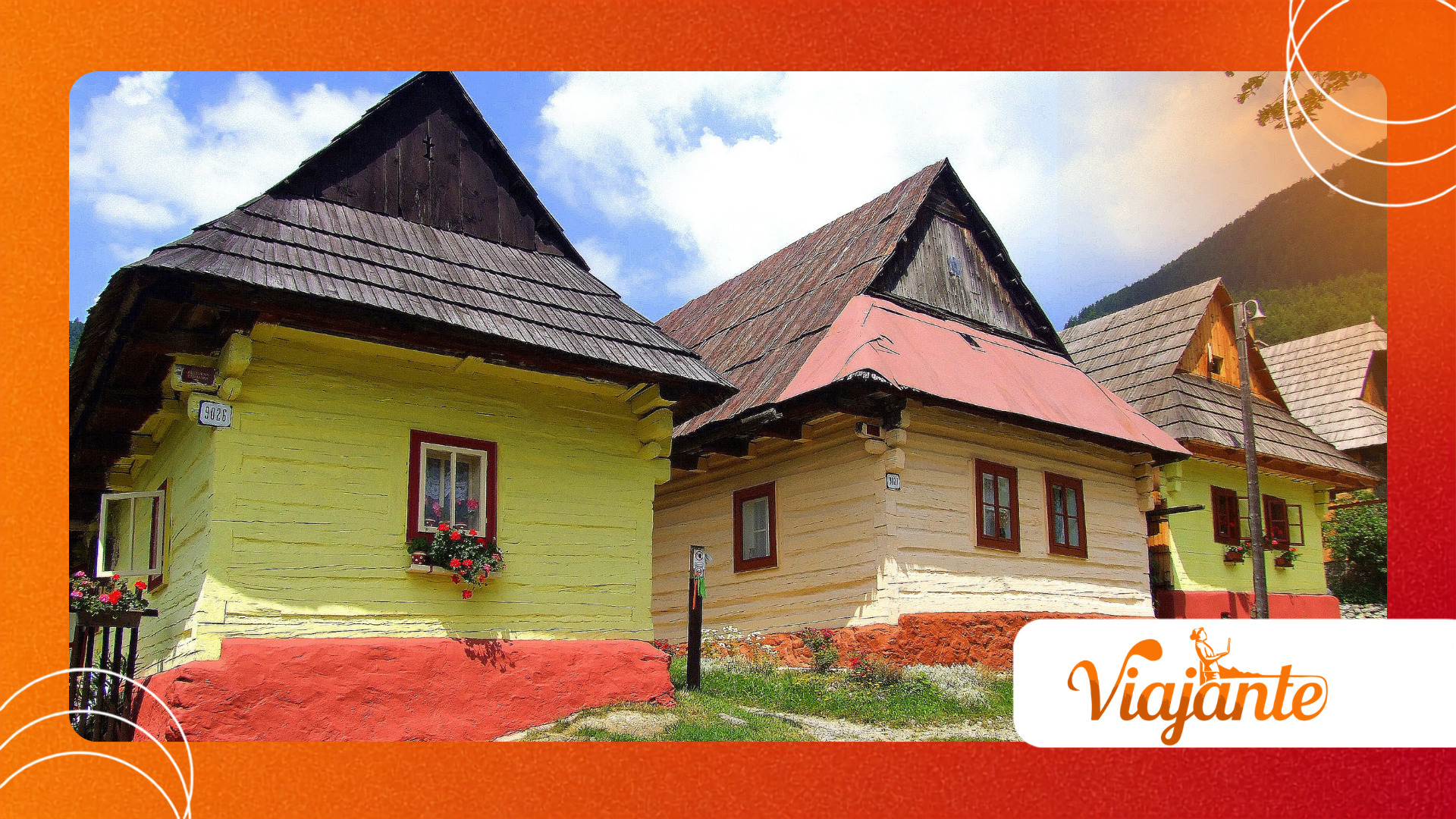
En el accidentado terreno de La Gomera, en las Islas Canarias, los habitantes desarrollaron una compleja forma de habla silbada llamada Silbo Gomero.
Históricamente, los barrancos montañosos dificultaban la comunicación verbal directa a través de grandes distancias físicas.
Los aldeanos combinan vocales y consonantes españolas en silbidos de alta frecuencia que se propagan hasta cinco kilómetros a través de valles escarpados. Este extraordinario sistema de comunicación surgió directamente de la necesidad de supervivencia en terrenos aislados.
Reconocido como Patrimonio Cultural Inmaterial por la UNESCO, los programas educativos locales exigen la enseñanza del Silbo Gomero en las escuelas primarias. Esto garantiza que pueblos que tienen tradiciones únicas preservar el conocimiento histórico vital a través de las generaciones.
¿Cómo ilumina un valle un sol artificial?
Enclavado en lo profundo del valle de Antigorio, en el norte de Italia, el pequeño pueblo alpino de Viganella se enfrenta a unas montañas espectaculares.
En consecuencia, la comunidad sufre una privación total de luz solar natural cada año desde el 11 de noviembre hasta el 2 de febrero.
En 2006, el ingeniero local Emilio Barlocco y el alcalde Pierfranco Midali diseñaron un enorme espejo con estructura de acero que mide ocho metros de ancho por cinco metros de alto. El mecanismo de seguimiento controlado por computadora refleja la luz solar directa hacia la plaza principal.
Esta innovadora intervención tecnológica transformó la depresión social estacional en vibrantes encuentros invernales. Profesionales que trabajan en zonas remotas y viajeros curiosos visitan con frecuencia esta maravilla de la ingeniería para observar de primera mano las soluciones de iluminación natural artificial.
¿Por qué Nagoro crea muñecas de tamaño natural?
En lo profundo del valle de Iya, en la isla de Shikoku, Nagoro se enfrentó a una drástica despoblación a medida que los jóvenes residentes emigraban hacia los centros urbanos. La residente local Tsukimi Ayano comenzó a coser a mano muñecas de tela de tamaño natural llamadas kakashi para reemplazar a los vecinos que se han marchado.
Estas figuras artesanales adornan paradas de autobús, aulas, huertos y porches de casas por todo el pueblo. Actualmente, las muñecas superan en número a los habitantes humanos en una proporción superior a diez a uno, lo que despierta interés cultural a nivel mundial.
Comprender las respuestas artísticas de la comunidad ante el declive demográfico rural ofrece lecciones útiles para los investigadores que estudian la preservación cultural.
Explorador Centro del Patrimonio Mundial de la UNESCO La documentación revela cómo las tradiciones rurales aisladas mantienen una continuidad histórica a nivel mundial.
Cómo las tradiciones globales inspiran la cultura moderna del trabajo remoto.
Si nos alejamos de estas fascinantes anomalías geográficas, existe un sorprendente paralelismo entre las comunidades aisladas que preservan sus costumbres distintivas y las formas en que los profesionales modernos estructuran sus vidas en línea, que están en constante evolución.
Los trabajadores remotos y los autónomos a menudo se enfrentan a su propia versión de aislamiento geográfico o profesional, lo que hace que el estudio de pueblos que tienen tradiciones únicas Sorprendentemente relevante para la sostenibilidad de la carrera profesional.
Del mismo modo que los isleños de La Gomera idearon un dialecto silbado para navegar por barrancos infranqueables o que Viganella redirigió la luz del sol con espejos, los nómadas digitales deben diseñar rutinas, flujos de trabajo y canales de comunicación personalizados para prosperar más allá de las fronteras.
Adoptar un enfoque intencional, respetar los entornos locales y crear comunidades digitales cohesionadas permite a los trabajadores que no dependen de una ubicación geográfica cultivar hábitos sostenibles y significativos que los distinguen en una economía global cada vez más homogeneizada.
++Cómo la salmuera de un antiguo asteroide podría cambiar la ciencia espacial.
¿Qué pueblo funciona completamente sin carreteras?
Giethoorn, situada en la provincia holandesa de Overijssel, carece por completo de calles pavimentadas en su centro histórico. Las barcas de remos, los barcos eléctricos silenciosos y los puentes peatonales de madera son los principales medios de transporte para sus habitantes.
La extracción de turba en el siglo XVIII creó vastos canales poco profundos en toda la zona que ocupaba el asentamiento.
Posteriormente, los habitantes del pueblo adaptaron sus rutinas diarias en torno a los cursos de agua, creando un entorno residencial excepcionalmente tranquilo y con bajas emisiones.
La navegación por vías fluviales requiere costumbres específicas, protocolos de mantenimiento comunitarios y una planificación precisa de las inundaciones estacionales.
Los trabajadores remotos que estudian modelos de vida sostenible analizan con frecuencia el marco histórico de gestión del agua de Giethoorn.
++Por qué la oruga recolectora de huesos es el cazador más extraño de la naturaleza.
Datos comparativos de pueblos y tradiciones únicas
| Nombre del pueblo | País | Tradición/Característica única | Origen / Causa | Modo principal de transporte |
| Pueblos de La Gomera | España | Silbo Gomero silbó el lenguaje | Aislamiento en un cañón montañoso | Senderos y caminos rurales |
| Viganella | Italia | Espejo solar gigante computarizado | Bloque de luz solar de montaña (83 días) | Senderismo y carreteras locales |
| Nagoro | Japón | Muñecos de reemplazo humano de tamaño natural | Grave despoblación rural | carreteras de montaña |
| Giethoorn | Países Bajos | Red de canales completamente libre de carreteras | Excavación histórica de turba | Barcos silenciosos y pasarelas peatonales |
Cómo las comunidades globales preservan su identidad

La preservación cultural depende de las decisiones conscientes que toman las comunidades unidas que se enfrentan a las presiones modernas.
En un mundo cada vez más conectado, los enclaves aislados salvaguardan sus prácticas heredadas transmitiendo el conocimiento a través de la narración oral, el aprendizaje práctico y las iniciativas educativas locales.
En lugar de tratar sus costumbres como piezas estáticas de museo, los residentes integran activamente las tradiciones ancestrales en la vida cotidiana para reforzar la cohesión social entre generaciones.
Estos sistemas culturales vivos ofrecen valiosas lecciones sobre la resiliencia comunitaria, el ingenio práctico y la continuidad histórica.
Al mantener redes de comunicación diferenciadas, diseños espaciales únicos y eventos comunitarios especializados, los asentamientos remotos demuestran cómo las sociedades humanas se adaptan a entornos difíciles sin perder su patrimonio esencial.
Apoyar la preservación cultural auténtica garantiza que estas perspectivas únicas y locales sigan enriqueciendo nuestra comprensión más amplia de la diversidad humana y la historia compartida.
++ El misterio detrás de la teoría del vacío cósmico terrestre explicado.
¿Cómo preservan las tradiciones remotas el patrimonio cultural?
Los asentamientos aislados conservan identidades culturales propias debido a las fronteras geográficas, la necesidad histórica y la fuerte cohesión comunitaria.
La conectividad global moderna a menudo conlleva el riesgo de homogeneizar las costumbres regionales; sin embargo, estas comunidades protegen intencionadamente las prácticas ancestrales.
Documentar las costumbres locales proporciona información valiosa sobre la adaptación humana, la creatividad en la ingeniería y la resiliencia social.
Para los nómadas digitales y los profesionales que no dependen de una ubicación fija, el estudio de estos entornos únicos fomenta nuevas perspectivas sobre la armonía entre la vida laboral y personal, así como sobre el diseño de comunidades sostenibles.
Los investigadores modernos analizan cómo pueblos que tienen tradiciones únicas Equilibrar el crecimiento del turismo con la preservación del patrimonio auténtico. Preservar el patrimonio inmaterial requiere la participación activa de la comunidad, junto con iniciativas educativas estructuradas.
El análisis de las costumbres globales únicas amplía los marcos profesionales para la resolución de problemas, al demostrar diversas soluciones a los desafíos ambientales.
Descubriendo la investigación de geografía mundial en Educación Geográfica Nacional Ayuda a los profesionales a adquirir una mayor competencia intercultural.
Preguntas frecuentes (FAQ)
¿Qué define a un pueblo con tradiciones únicas?
Un pueblo con tradiciones únicas conserva prácticas sociales documentadas, sistemas de comunicación o adaptaciones arquitectónicas que no se encuentran en ningún otro lugar, desarrolladas normalmente en respuesta al aislamiento ambiental.
¿Pueden los turistas visitar estas singulares aldeas globales?
Sí, la mayoría de los pueblos singulares dan la bienvenida a los visitantes, siempre y cuando los viajeros respeten las costumbres locales, mantengan hábitos ecológicos y apoyen a los pequeños negocios regionales auténticos durante su estancia.
¿Cómo afectan las tecnologías modernas a las antiguas tradiciones rurales?
La tecnología suele contribuir a la conservación al permitir la documentación digital, la difusión educativa a nivel mundial y la infraestructura especializada, como los reflectores solares, al tiempo que ayuda a las comunidades rurales a mantenerse conectadas globalmente.
Conclusión
Explorar las comunidades globales revela la notable capacidad de la humanidad para la adaptación ambiental y la creatividad cultural.
Desde lenguas de montaña silbadas hasta espejos gigantes para el seguimiento de rutas, estas prácticas extraordinarias demuestran la resiliencia sostenible de la comunidad.
Comprender las tradiciones regionales enriquece nuestra perspectiva global, ofreciendo inspiración práctica para la resolución de problemas modernos y una vida sostenible. Preservar estas costumbres únicas garantiza que las futuras generaciones sigan aprendiendo del ingenio humano histórico.
\