
How Shoebill Storks Hunt With Incredible Precision
Understanding avian apex predators requires examining specialized anatomical adaptations and unique behavioral strategies deployed in wetland ecosystems.
Anuncios
Shoebill Storks exhibit extraordinary hunting precision through remarkable patience, specialized bill morphology, and calculating predatory mechanics that ensure high survival rates in challenging habitats.
There is something quietly mesmerizing about how stillness becomes a weapon in these murky depths.
Wetland environments present distinct visibility challenges and structural obstacles for large-bodied wading birds attempting to secure daily caloric requirements.
Shoebill Storks navigate these murky waters utilizing deliberate stillness, exceptional binocular vision, and devastating strike speeds to capture elusive aquatic prey without warning.
Waterways rarely offer straightforward paths, demanding absolute adaptation from anything hoping to eat.
Examining this species provides valuable ecological insights into specialized avian hunting adaptations across remote Central African swamp systems.
The following sections explore the precise mechanics, environmental factors, and behavioral strategies that define their unique predatory success.
Evolution rarely crafts anything quite this specialized without intense selective pressure shaping every single bone.
What Anatomical Features Enable Shoebill Storks to Hunt?
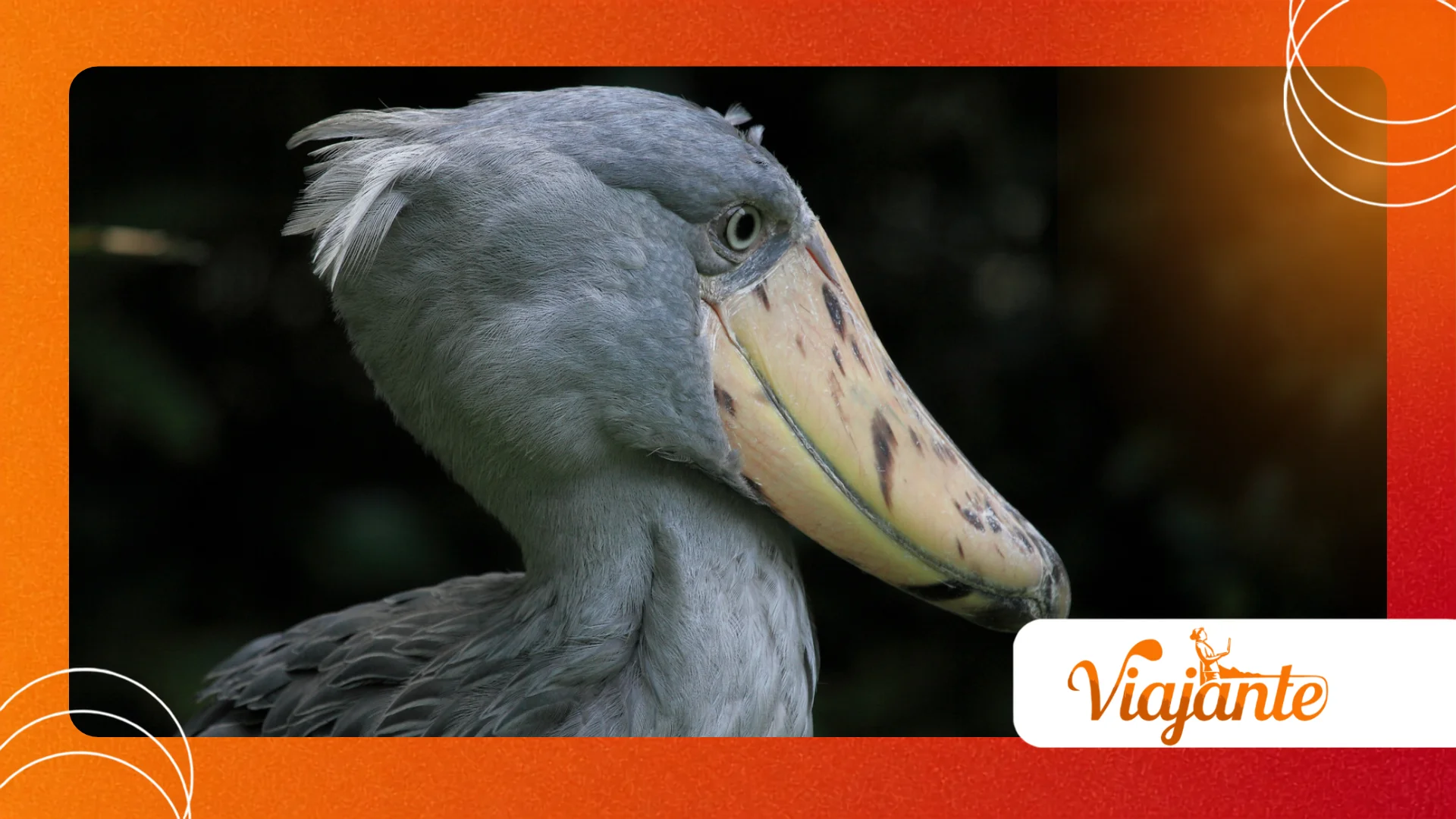
Specialized skeletal and muscular structures allow Shoebill Storks to generate immense striking force from a stationary posture.
Their massive, shoe-shaped bill features a razor-sharp terminal hook designed to pierce tough scales and grip slippery lungfish securely.
This formidable mandible acts as a biological trap, distributing impact pressure evenly across the prey while preventing escape during the initial grasp.
Binocular vision provides exceptional depth perception, a rare trait among large wading birds whose eyes are typically positioned laterally.
This visual precision reduces missed attacks and conserves vital energy reserves within oxygen-depleted papyrus swamps.
Broad, expansive wingspan proportions support stable balance while navigating dense floating vegetation without sinking into deep mud.
Strong neck vertebrae absorb massive mechanical shock loads when the heavy bill impacts shallow water or dense mud at high velocities.
Every physical trait contributes directly to an evolutionary design optimized entirely for ambush predation in challenging wetland habitats.
How Does the Ambush Strategy of Shoebill Storks Work?
Patience forms the cornerstone of hunting success, often requiring Shoebill Storks to stand motionless for hours near aquatic oxygen-breathing pathways.
Lungfish and large catfish must surface periodically for air, creating predictable rising moments that experienced hunters exploit with calculated timing.
Remaining completely still prevents water ripples from alerting prey, ensuring the ambush element remains entirely uncompromised until the final second.
When a target breaks the surface, the bird initiates a sudden forward plunge driven by powerful legs and wings.
Excess water and debris quickly flush out through serrated bill edges before swallowing large aquatic animals whole.
Energy conservation remains critical because swamps offer unpredictable foraging returns and harsh environmental conditions throughout seasonal flooding cycles.
Strategic stillness minimizes caloric expenditure while maximizing strike efficiency, ensuring long-term survival in remote African wetlands where food sources fluctuate constantly.
Reliable scientific field observations documented by organizations like Audubon highlight these remarkable behavioral adaptations in natural habitats.
++ ¿Por qué los ajolotes pueden regenerar casi todas las partes de su cuerpo?
Which Environmental Factors Influence Foraging Success?
Seasonal water level fluctuations dictate prey concentration, forcing Shoebill Storks to adapt hunting locations as shallow pools gradually dry up.
During the dry season, receding waters trap fish in concentrated depressions, significantly increasing local foraging efficiency and caloric intake rates.
Conversely, heavy seasonal rains disperse prey across vast flooded plains, requiring greater movement and extended waiting periods between successful captures.
Vegetation density also plays a crucial role, as thick papyrus stands provide cover but obstruct clear underwater visibility for the hunter.
Water oxygen levels further dictate prey behavior, driving lungfish closer to the surface where avian predators maintain strategic positional advantages.
| Factor ambiental | Impact on Foraging Behavior | Optimal Hunting Condition |
| Water Level | Dictates prey distribution and local concentration | Receding seasonal pools |
| Vegetation Density | Affects visibility and physical movement freedom | Clear channels near papyrus edges |
| Prey Respiration | Determines surface frequency of lungfish and catfish | Low oxygen morning hours |
| Solar Angle | Influences surface glare and target visibility | Overcast days or early dawn |
Why Are Shoebill Storks Vulnerable Despite Their Precision?
Despite exceptional predatory skills, Shoebill Storks face severe population declines driven by habitat destruction, wetland drainage, and human encroachment.
Swamp conversions for agriculture fragment vital breeding territories, isolating remaining pairs and reducing genetic diversity across fragmented wetland reserves.
Local illegal pet trade capture further threatens vulnerable chick populations before they reach reproductive maturity in the wild.
Low reproductive rates compound these conservation challenges, as females typically lay two eggs but successfully raise only a single chick.
Parental investment requires months of dedicated feeding and protection, leaving offspring highly susceptible to nest predation and environmental disturbances.
Protecting remaining wetland strongholds remains essential for maintaining stable wild populations across East and Central African distribution ranges.
Conservation initiatives led by specialized wildlife organizations, such as the African Wildlife Foundation , focus heavily on community-based habitat protection programs.
How Do Shoebill Storks Detect Prey in Murky Waters?
Aquatic visibility in dense tropical papyrus swamps remains remarkably low due to suspended organic matter and decaying vegetation.
Shoebill Storks overcome this sensory barrier by relying heavily on acute tactile perception and subtle surface disturbances.
Their massive mandibles possess exceptional sensitivity, allowing them to detect minute vibrations caused by breathing lungfish hidden beneath superficial mud layers.
Specialized nerve endings distributed across the lower bill margin provide immediate feedback upon contacting organic movement in opaque water.
This remarkable sensory adaptation ensures successful strikes even when visual confirmation is entirely obstructed by dense floating root masses.
Such precise physiological tuning transforms a seemingly passive wading stance into an active, highly sensitive biological sonar system.
When Do Shoebill Storks Prefer to Hunt?
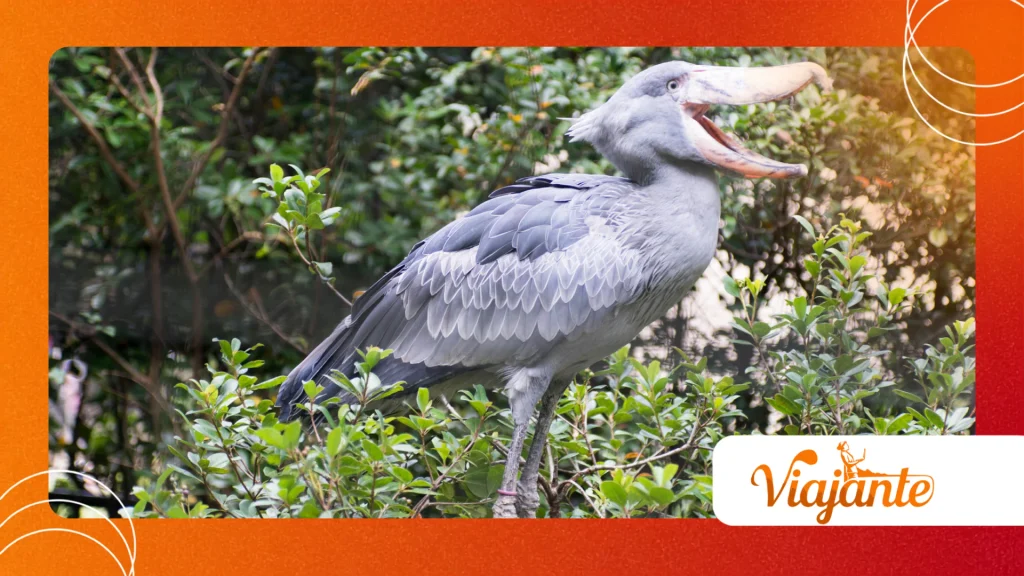
Temporal foraging patterns depend heavily on ambient temperature shifts and the daily respiratory cycles of preferred aquatic prey species.
Shoebill Storks frequently target early morning hours when dissolved oxygen levels drop significantly in stagnant marsh pools.
Lower oxygen saturation forces lungfish and large catfish to breach the surface more frequently, creating predictable ambush windows.
Overcast days also increase hunting activity by reducing harsh surface glare and intense tropical sunlight that interferes with precise underwater targeting.
Conversely, scorching midday heat often forces these large birds to retreat into shaded papyrus canopy covers to conserve core energy.
Timing each hunt strategically maximizes capture success while minimizing unnecessary physical exertion under extreme equatorial conditions.
++ ¿Por qué las babosas marinas Blue Dragon parecen extraterrestres del océano?
Which Hunting Postures Maximize Predatory Efficiency?
Maintaining absolute postural stability requires an intricate balance of skeletal alignment and muscular control during prolonged periods of immobility.
Shoebill Storks lock their leg joints into energy-saving configurations, mirroring the architectural strength of natural pillars within the wetland landscape.
This calculated stillness prevents premature muscle fatigue during hours of unwavering vigilance above shallow water channels.
When an opportunity finally emerges, the entire body instantly transitions from static tension into explosive, dynamic forward acceleration.
Wings extend outward to stabilize lateral momentum, ensuring the massive bill lands precisely on target without slipping off course.
Such dramatic postural shifts demonstrate an exquisite evolutionary mastery over the physics of high-speed aquatic ambush predation.
What Role Does Nesting Territory Play in Hunting Success?
Defending a strictly demarcated breeding territory directly impacts access to reliable food sources and seasonal prey concentration zones.
Intruders face immediate aggressive deterrence, ensuring local prey resources remain exclusively available for the resident pair.
Abundant food availability within a protected territory significantly reduces the daily energy expenditure required for successful parental provisioning cycles.
When local wetlands dry up unexpectedly, territorial boundaries occasionally expand to encompass deeper permanent river channels and papyrus fringes.
Balancing territorial defense with efficient foraging strategy remains crucial for long-term reproductive success and population stability.
How Do Young Shoebill Storks Learn Hunting Skills?
Juvenile development involves a gradual, highly demanding transition from parental dependence to independent aquatic foraging proficiency in complex wetland environments.
Initial clumsy attempts at striking frequently miss targets, highlighting the steep learning curve required to master binocular depth perception.
Parents gradually introduce captured prey items directly to fledglings, slowly encouraging them to handle live, struggling fish within shallow nursery pools.
Over successive weeks, juvenile coordination improves dramatically through repetitive practice and trial-and-error hunting exercises in protected marginal waters.
This extended parental investment ensures that young birds develop the extreme patience and precision necessary for survival.
++ Las habilidades ocultas de las aves secretarias para cazar serpientes venenosas
Why Are Conservation Breeding Programs Challenging for This Species?
Captive breeding initiatives encounter unique operational hurdles due to the highly solitary and territorial nature of adult wetland apex predators.
Maintaining optimal water quality, native vegetation density, and dietary requirements further complicates successful captive management efforts globally.
Low clutch survival rates in the wild compound difficulties associated with supplementing declining populations through captive-reared release programs.
Conservation biologists must carefully balance field protection with non-invasive monitoring to safeguard existing genetic diversity across fragmented East African strongholds.
Overcoming these hurdles requires coordinated international collaboration and sustained financial investment in grassroots habitat preservation initiatives.
What Impact Do Climate Shifts Have on Shoebill Hunting Grounds?
Unpredictable weather patterns and extended severe droughts fundamentally disrupt traditional seasonal flooding cycles across core Central African wetland basins.
Reduced water volumes concentrate remaining fish temporarily, but ultimately lead to long-term population crashes and severe food scarcity.
Altered precipitation regimes also degrade dense papyrus architecture, destroying crucial micro-habitats required for successful nesting and secure ambushing.
Environmental resilience depends entirely on proactive international climate policies and aggressive local conservation frameworks designed to protect irreplaceable freshwater ecosystems.
Preserving these fragile habitats remains the single most effective strategy for ensuring the species’ long-term survival.
Conclusión
Mastering wetland survival requires an extraordinary combination of specialized anatomy, extreme patience, and calculated predatory mechanics perfected over millennia.
Shoebill Storks represent the pinnacle of avian ambush strategy, utilizing massive hooked bills and forward-facing vision to secure essential aquatic prey.
Protecting their fragile wetland habitats ensures these magnificent prehistoric birds continue thriving across remote African ecosystems.
Preguntas frecuentes
What do Shoebill Storks primarily eat during hunts?
They feed predominantly on marbled lungfish, large catfish, tilapia, water snakes, and occasionally small turtles or monitor lizards found in swamps.
How heavy is the bill of a Shoebill Stork?
The broad, shoe-shaped bill is remarkably large and heavy, featuring a sharp terminal hook designed to pierce and hold slippery aquatic prey.
Why do Shoebill Storks stand still for so long?
Prolonged stillness allows them to remain undetected by fish surfacing for air, conserving vital energy before launching a sudden ambush strike.
Where can Shoebill Storks be found in the wild?
They inhabit freshwater swamps, papyrus marshes, and flooded floodplains across tropical East and Central Africa, particularly in Uganda, South Sudan, and Zambia.
\