
Anticonceptivos sin hormonas: ¿Qué nos depara el futuro?
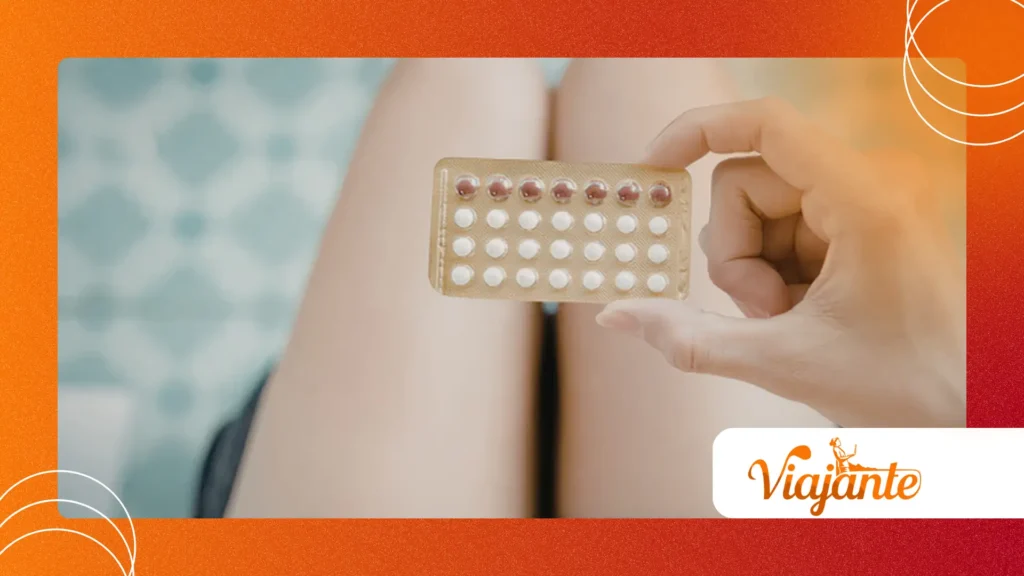
El profesional moderno no solo gestiona su carrera; sino que también crea un estilo de vida optimizado para un alto rendimiento.
Anuncios
Para quienes se desenvuelven en el exigente entorno del teletrabajo, el conocimiento del propio cuerpo se ha vuelto tan esencial como la educación financiera.
Este cambio no se trata simplemente de evitar efectos secundarios; se trata de recuperar la autonomía fisiológica. Nos encaminamos hacia un futuro donde la salud reproductiva se alinee con nuestro funcionamiento cognitivo y metabólico, en lugar de interferir con él.
Dentro de este análisis en profundidad:
- La transición de barreras pasivas a interfaces biológicas “inteligentes”.
- La tan esperada ampliación de la responsabilidad masculina en materia de anticoncepción.
- Cómo la monitorización biológica basada en datos está sustituyendo a las conjeturas tradicionales.
¿Qué son los anticonceptivos sin hormonas en la era digital?
El término "no hormonal" solía evocar imágenes de barreras aparatosas o de las desventajas metálicas del DIU de cobre.
Hoy en día, la definición se está ampliando. Para el profesional independiente digital, evitar las hormonas sintéticas suele ser una estrategia para preservar la claridad mental y la estabilidad emocional.
Las nuevas fronteras científicas se centran en la precisión: interrumpir la unión del espermatozoide y el óvulo sin provocar una reacción química en todo el sistema endocrino. No se trata de simples artilugios; son sofisticadas intervenciones moleculares.
Actualmente, la innovación se centra en entornos que modulan el pH y en anillos no hormonales que proporcionan protección localizada.
Estas herramientas están pensadas para profesionales que se niegan a que los efectos secundarios farmacológicos sistémicos interfieran con su proceso creativo o sus niveles de energía diarios.
¿Cómo mejora la tecnología moderna los métodos no hormonales?
Hemos dejado atrás la era de los registros manuales de temperatura y los calendarios de papel. Los trabajadores remotos, ya acostumbrados a optimizar sus flujos de trabajo con datos, ahora aplican ese mismo rigor a sus ciclos biológicos mediante sensores de grado clínico.
Estos dispositivos portátiles registran la temperatura corporal basal y la variabilidad del pulso con un nivel de detalle impensable hace una década. Se trata menos de "adivinar" y más de una monitorización biológica de alta precisión.
El auge de programas informáticos aprobados por la FDA, como "Natural Cycles", indica un giro hacia la anticoncepción como servicio de información.
Al transformar los datos termodinámicos en información útil, estas plataformas ofrecen una alternativa regulada y tecnológicamente avanzada para quienes priorizan la estabilidad laboral y la salud.
¿Por qué están ganando popularidad las opciones no hormonales para hombres?
La responsabilidad reproductiva compartida está pasando finalmente de ser un ideal social a una realidad clínica. Para las parejas nativas digitales, la responsabilidad de la anticoncepción se percibe cada vez más como una tarea colaborativa en lugar de un esfuerzo individual.
Una de las perspectivas más atractivas es VasalgelSe trata de un hidrogel polimérico que actúa como filtro físico dentro del conducto deferente. Es un procedimiento diseñado para el hombre moderno: de larga duración, altamente eficaz y totalmente reversible.
Además de los bloqueos físicos, los investigadores están estudiando la "Píldora de las Sábanas Limpias", que inhibe la propulsión de los espermatozoides a nivel molecular.
Este cambio promete un futuro donde anticonceptivos sin hormonas Ya no es sinónimo únicamente de “salud femenina”.
+ Aplicaciones de meditación frente a métodos tradicionales: ¿Cuál funciona mejor?
Comparación de tecnologías anticonceptivas emergentes
| Tipo de método | Mecanismo | Estado actual (2026) | Beneficio principal |
| Phexxi (Evolucionado) | Gel modulador de pH | Aprobado por la FDA / Atención estándar | A demanda, sin hormonas. |
| Ovaprene | Anillo no hormonal | Ensayos de fase III | Uso mensual de configurar y olvidar |
| Vasalgel | Hidrogel inyectable | Ensayos clínicos en fase avanzada | Autonomía masculina reversible |
| Termodinámica digital | Biosensores portátiles | Ampliamente disponible | Integración con datos biográficos |
¿Qué innovaciones biológicas están llamadas a cambiar el mercado?
Los avances más prometedores se están produciendo a nivel celular, actuando sobre la capa protectora del óvulo para prevenir la fecundación sin detener la ovulación. Es una solución más elegante que el enfoque drástico de las hormonas tradicionales.
La inmunocontracepción, que antes era un concepto marginal, está ganando terreno. Mediante el uso de anticuerpos localizados que neutralizan temporalmente el movimiento de los espermatozoides, estos métodos permanecen confinados al tracto reproductivo, evitando por completo el torrente sanguíneo.
Según las últimas actualizaciones de la Institutos Nacionales de Salud (NIH)La financiación para la investigación de soluciones no endocrinas ha alcanzado un máximo histórico.
Esta afluencia de capital garantiza que la próxima generación de anticonceptivos priorizará la seguridad metabólica tanto como la eficacia.
¿Cuándo deberían los profesionales optar por alternativas no hormonales?
La tendencia hacia alternativas no hormonales suele coincidir con un cambio más generalizado hacia un estilo de vida más "saludable" o con el deseo de solucionar problemas como la fatiga inexplicable y los cambios de humor.
Muchos trabajadores autónomos informan de un aumento significativo en su capacidad creativa una vez que dejan de tomar progestágenos sintéticos.
La transición requiere algo más que simplemente dejar de tomar una pastilla; exige una conversación con un profesional sanitario sobre cómo superar las barreras mecánicas o biológicas.
Programar este cambio permite que tu sistema endocrino natural se recalibre mientras mantienes tu rendimiento profesional.
En 2026, la barrera de entrada para estas tecnologías nunca ha sido tan baja. La adopción temprana no es solo para entusiastas de la tecnología; es para cualquiera que considere su salud como el pilar fundamental de su vida profesional.
+ Dermatología impulsada por IA: Diagnóstico de lunares a partir de fotografías
¿Cuáles son los retos que plantean las futuras barreras no hormonales?

La innovación suele tener un precio elevado. Para el profesional independiente, el coste inicial de un dispositivo de alta tecnología o un nuevo gel biológico puede ser mayor que el de un mes de pastillas genéricas.
Además, la curva de aprendizaje es más pronunciada. A diferencia de una pastilla diaria, estos métodos suelen requerir un conocimiento más profundo de la propia anatomía o el uso constante de una interfaz de seguimiento. El éxito está directamente relacionado con la participación y el nivel de conocimientos del usuario.
Aun así, el mercado está respondiendo a la demanda de transparencia. Los desarrolladores están eliminando la complejidad, haciendo que estas herramientas sean tan intuitivas como las aplicaciones de productividad que usamos para gestionar nuestros calendarios diarios.
Diseñando un estilo de vida en torno a los ciclos naturales de fertilidad
Sincronizar tu horario laboral con tus ritmos biológicos naturales es quizás el mejor truco para aumentar la productividad.
Muchos profesionales descubren que pueden afrontar negociaciones de alta presión o sesiones de trabajo creativas intensivas con mayor eficacia cuando no reprimen sus picos hormonales naturales.
Los métodos no hormonales son los aliados silenciosos en este proceso. Permiten que la química del cuerpo permanezca intacta, ofreciendo una visión clara de cómo el estrés y la carga de trabajo afectan el estado físico.
Eligiendo anticonceptivos sin hormonas Es un acto de gestión proactiva. Refleja la misma autonomía y autorregulación que permite a un profesional independiente prosperar en una economía descentralizada: ser dueño de los medios de su propia producción biológica.
+ Pruebas genéticas para evaluar la aptitud física: ¿Información útil o publicidad exagerada?
El camino hacia la autonomía en materia de salud
La trayectoria de la anticoncepción se inclina hacia la libertad de elección, la precisión y la eliminación total de las cargas sistémicas.
A medida que avanzamos en la mitad de esta década, la variedad de opciones no hormonales comienza finalmente a reflejar la diversidad de nuestras necesidades.
Invertir en tu salud reproductiva es una apuesta a largo plazo para tu desarrollo profesional. Al anticiparte a los cambios, te aseguras de que tu cuerpo siga siendo una fuente de fortaleza en lugar de una variable que necesite ser "corregida".
Para mantenerse informado a medida que estos ensayos llegan a su fin, siga las actualizaciones en el Instituto Guttmacherdonde se realiza un seguimiento con precisión clínica de la intersección entre políticas, salud y tecnología.
Preguntas frecuentes: Explorando las nuevas fronteras de la anticoncepción
¿Son realmente fiables los métodos anticonceptivos no hormonales?
La respuesta corta es sí. Cuando se usan correctamente, los métodos anticonceptivos modernos no hormonales —desde los DIU avanzados hasta los geles de pH más recientes— rivalizan con la eficacia de la píldora sin los efectos secundarios sistémicos.
¿Están llegando finalmente al mercado las opciones masculinas?
Estamos más cerca que nunca. Métodos como Vasalgel se encuentran en las etapas finales de los ensayos en humanos, con el objetivo de brindar a los hombres una alternativa reversible y no quirúrgica a la vasectomía.
¿Cómo compiten los dispositivos portátiles con los métodos farmacológicos?
Los dispositivos portátiles no previenen el embarazo por sí solos; proporcionan los datos necesarios para tomar decisiones informadas. Al combinarse con algoritmos aprobados por la FDA, transforman los métodos tradicionales de información en herramientas digitales de alta precisión.
¿Cuáles son los efectos secundarios localizados?
Si bien evitan los cambios hormonales, tanto anímicos como metabólicos, algunos métodos pueden provocar alteraciones locales. Por ejemplo, algunos geles pueden alterar el equilibrio de la flora vaginal, y el DIU de cobre puede influir en el volumen menstrual.
¿Cómo debería un profesional independiente abordar el tema de los costos?
Muchos métodos más recientes ahora son elegibles para gastos de HSA/FSA. Vale la pena consultar con su proveedor de seguros o programa de asistencia para la salud para ver qué "dispositivos médicos" están cubiertos según las directrices actualizadas de 2026.
\