
Cómo el descubrimiento de estrellas oscilantes reveló mundos invisibles
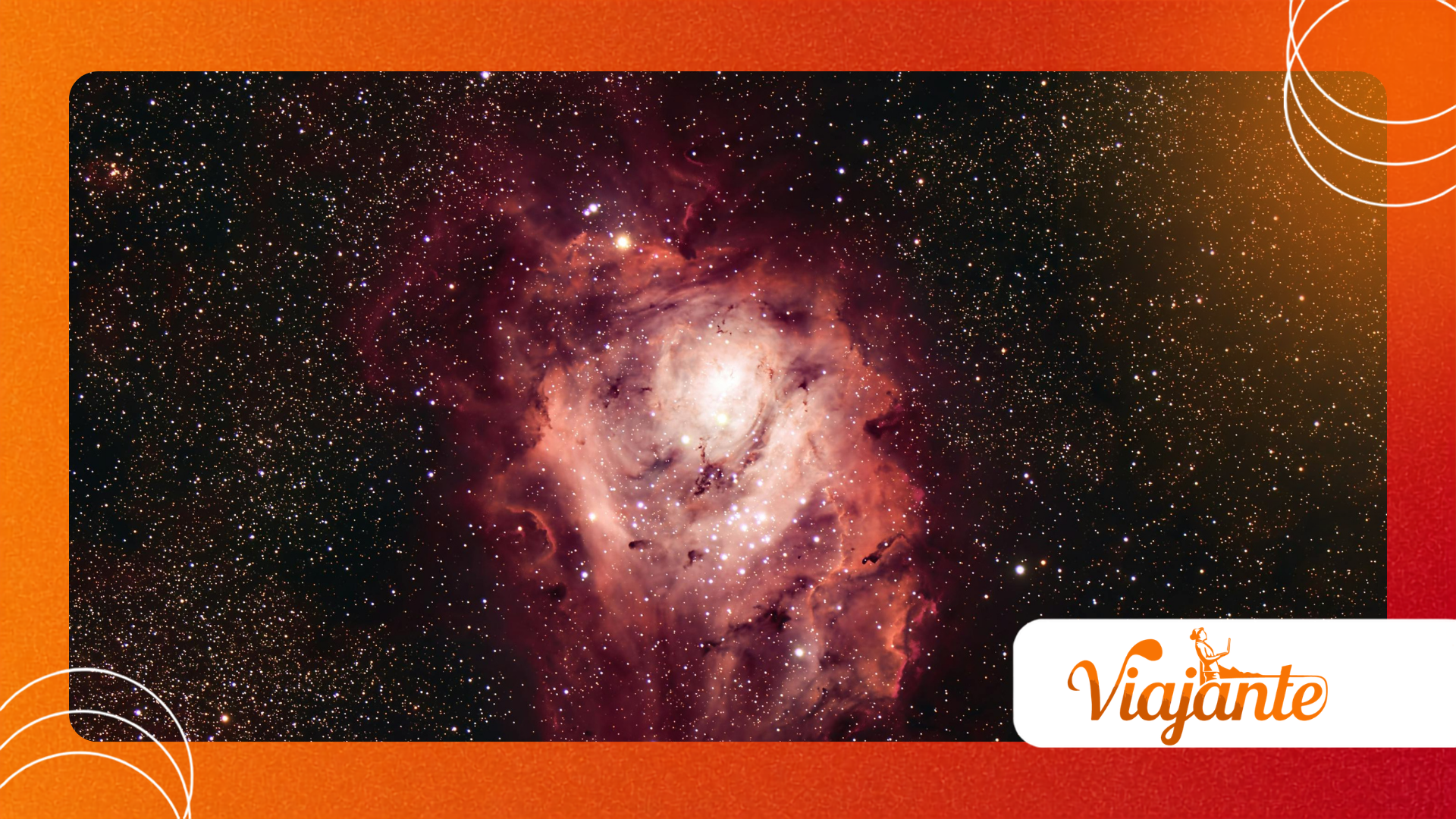
Durante siglos, los astrónomos aficionados dieron por sentado que nuestro sistema solar era la arquitectura predeterminada del universo.
Anuncios
Esa cómoda suposición se derrumbó silenciosamente cuando los astrofísicos dejaron de buscar mundos distantes directamente y comenzaron a observar el nervioso y microscópico movimiento de las propias estrellas.
Comprender la velocidad radial significa entender cómo la observación indirecta revolucionó la exploración espacial.
A lo largo de esta guía, analizaremos la sutil mecánica de las fuerzas gravitacionales, los avances tecnológicos que hay detrás de la espectroscopia de alta precisión y la silenciosa revolución que convirtió miles de exoplanetas invisibles en hechos innegables.
Así fue como la medición de la más mínima oscilación de una estrella sacó a la luz cientos de sistemas solares alienígenas.
¿Qué es el método de descubrimiento de estrellas oscilantes en astronomía?
En esencia, la velocidad radial se basa en una verdad simple: los planetas no solo orbitan alrededor de las estrellas; ambos cuerpos orbitan alrededor de un centro de masa común.
Esa atracción gravitatoria mutua desplaza ligeramente a la estrella anfitriona de su centro, produciendo una danza estelar continua y predecible.
A medida que la estrella se desplaza de un lado a otro con respecto a la Tierra, la luz que emite se comprime y se estira.
Estos sutiles desplazamientos Doppler hacen que la luz se mueva hacia longitudes de onda azules más cortas cuando se acerca a nuestros telescopios y hacia longitudes de onda rojas más largas a medida que la estrella se aleja.
Los espectrómetros de precisión descomponen esa luz para medir desplazamientos de hasta centímetros por segundo.
Calculando esas minúsculas fluctuaciones de velocidad, los astrónomos deducen el período orbital, la distancia y la masa mínima de un planeta invisible sin haberlo visto nunca.
¿Cómo modifica la atracción gravitatoria las longitudes de onda de la luz estelar?
Incluso los gigantes gaseosos masivos como Júpiter son empequeñecidos por sus estrellas progenitoras, pero su huella gravitacional sigue siendo inconfundible.
Cuando un planeta gigante recorre su órbita, arrastra a su estrella a través de una pequeña contraórbita, alterando la luz que viaja a través del espacio interestelar.
Las líneas espectrales actúan como códigos de barras cósmicos dentro de la luz estelar.
Cuando una estrella se desplaza hacia la Tierra, esas líneas de absorción atmosféricas se mueven uniformemente hacia el extremo azul del espectro, lo que indica el movimiento entrante.
Cuando la estrella se aleja, esas mismas líneas espectrales se desplazan hacia el rojo.
Al trazar un mapa de la velocidad y la frecuencia de esta deriva espectral rítmica, los astrofísicos reconstruyen el peso gravitacional y la forma orbital del compañero invisible con una fidelidad asombrosa.
¿Por qué la velocidad radial revolucionó la detección moderna de exoplanetas?
Las primeras búsquedas de exoplanetas se toparon con una auténtica pared de luz: las estrellas anfitrionas son miles de millones de veces más brillantes que los planetas fríos y oscuros que las orbitan.
Intentar fotografiar un exoplaneta directamente era como avistar una luciérnaga arrastrándose sobre el haz de un reflector a kilómetros de distancia.
Pioneros en el Descubrimiento de estrellas oscilantes Este método evitó por completo ese resplandor cegador.
En lugar de buscar la tenue luz planetaria reflejada, los investigadores centraron su atención en los propios cambios Doppler de la estrella, que son fácilmente medibles y reveladores.
Este giro táctico demostró que los sistemas planetarios son comunes, y no anomalías raras.
Transformó la astronomía, pasando de ser una disciplina de especulación teórica a una era activa de catalogación, medición de masas y análisis atmosférico en toda nuestra vecindad galáctica.
++ El extraño caso de la planaria inmortal
¿Qué exoplanetas famosos fueron descubiertos mediante el estudio de los movimientos estelares?
En 1995, 51 Pegasi b destrozó los modelos existentes de formación planetaria cuando Michel Mayor y Didier Queloz detectaron un mundo con masa similar a la de Júpiter que orbitaba su estrella cada cuatro días, un descubrimiento que les valió el Premio Nobel de Física de 2019.
Unos años más tarde, el seguimiento de velocidad radial de alta precisión permitió localizar con precisión HD 209458 b, conocido informalmente como Osiris.
Posteriormente, se convirtió en el primer exoplaneta detectado transitando su estrella, lo que validó directamente los cálculos de masa basados en la velocidad radial.
Proxima Centauri b nos trajo la búsqueda a la puerta de atrás, revelando un planeta rocoso dentro de la zona habitable de nuestro vecino estelar más cercano.
Su descubrimiento demostró que la detección de oscilaciones podía localizar mundos terrestres potencialmente habitables en las cercanías.
++ Por qué la oruga recolectora de huesos es el cazador más extraño de la naturaleza.
| Nombre del exoplaneta | Año del descubrimiento | Sistema estelar | Masa mínima (en comparación con la Tierra) | Período orbital |
| 51 Pegasi b | 1995 | 51 Pegaso | 150 masas terrestres | 4,2 días |
| HD 209458 b | 1999 | HD 209458 | 220 masas terrestres | 3,5 días |
| Gliese 581 c | 2007 | Gliese 581 | 5,5 masas terrestres | 13.0 días |
| Próxima Centauri b | 2016 | Próxima Centauri | 1,17 masas terrestres | 11,2 días |
¿Cómo miden los espectrómetros las velocidades de desplazamiento estelar microscópico?
Medir una estrella que se desplaza a la velocidad de una persona caminando a lo largo de cientos de años luz requiere una óptica absurdamente estable.
Los espectrógrafos de alta resolución hacen pasar la luz de las estrellas a través de prismas y rejillas de difracción, proyectando miles de líneas de absorción estrechas sobre sensores especializados.
Estos instrumentos fijan la luz de las estrellas contra peines de frecuencia láser o lámparas de referencia de torio-argón.
Esta calibración óptica constante permite a los espectrógrafos modernos registrar cambios de velocidad tan pequeños como treinta centímetros por segundo durante periodos de observación de varios años.
Para garantizar la fiabilidad de las mediciones, los ingenieros sellan los espectrógrafos dentro de cámaras de vacío de doble pared ancladas a soportes con aislamiento de vibraciones.
La eliminación de las sutiles fluctuaciones de la temperatura ambiente y la presión atmosférica garantiza que los desplazamientos de las líneas observados reflejen el movimiento estelar real y no el ruido de laboratorio.
Por qué los instrumentos de precisión cambiaron la astronomía moderna
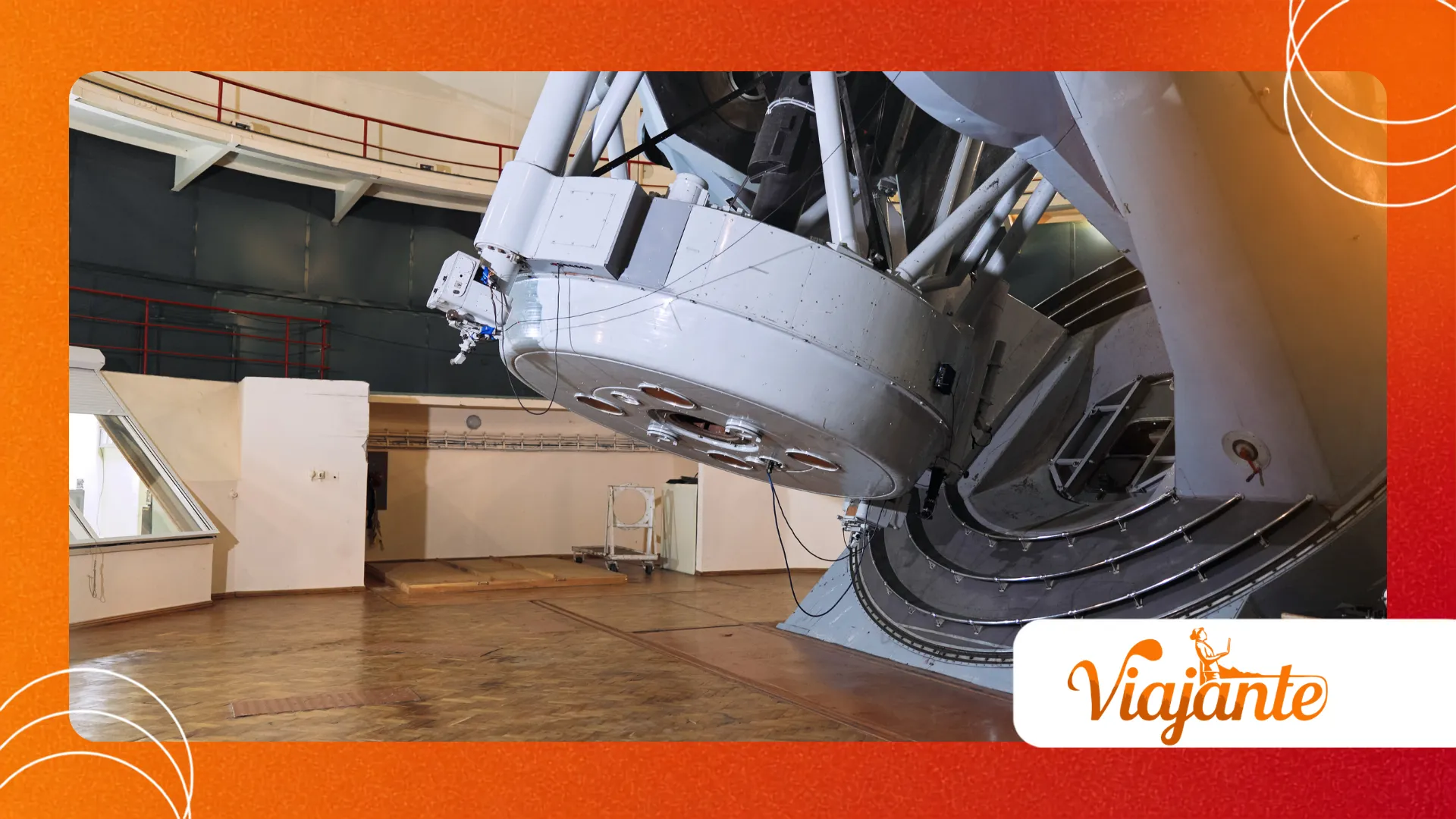
Durante siglos, los telescopios tradicionales tuvieron que luchar contra el brillo cegador de las estrellas anfitrionas.
Finalmente, los ingenieros se dieron cuenta de que la obtención de imágenes directas no podía competir con el abrumador resplandor estelar.
Esta constatación obligó a un cambio drástico hacia métodos de detección indirecta como la espectroscopia, fuertemente respaldados por instituciones de investigación como la Observatorio Europeo Austral para rastrear los descubrimientos de oscilaciones estelares.
Los modernos instrumentos sellados al vacío ahora aíslan la luz de las estrellas con una estabilidad óptica inimaginable.
En consecuencia, los astrónomos pueden registrar cambios de velocidad microscópicos tan pequeños como la velocidad al caminar a través de años luz de espacio.
¿Cuáles son las principales limitaciones de la medición estelar indirecta?
La velocidad radial nos proporciona la masa mínima de un planeta, en lugar de un peso definitivo.
Dado que rara vez conocemos el ángulo de inclinación preciso de una órbita con respecto a la Tierra, una órbita vista de canto muestra la masa real, mientras que una órbita inclinada oculta una masa real mayor.
Las atmósferas estelares también se resisten a ser medidas.
Las manchas estelares, la actividad magnética y las células convectivas en ebullición empujan el gas alrededor de la superficie de la estrella, creando señales Doppler falsas que pueden enmascarar o imitar fácilmente las señales planetarias genuinas.
Encontrar un planeta gemelo en la Tierra representa el desafío definitivo, como buscar una aguja en un pajar.
Un planeta con masa similar a la de la Tierra que orbita una estrella parecida al Sol induce una oscilación estelar de tan solo nueve centímetros por segundo, lo que requiere décadas de monitorización hiperestable para eliminar el ruido de fondo estelar.
¿Cómo funcionan conjuntamente la detección de oscilaciones y los métodos de tránsito?
La velocidad radial y la fotometría de tránsito son más eficaces cuando se combinan.
Mientras que los tránsitos miden cuánta luz estelar bloquea un planeta, lo que nos da su tamaño físico, la velocidad radial calcula la atracción gravitatoria, lo que nos proporciona su masa mínima.
La combinación de masa y radio da como resultado la densidad aparente promedio del planeta.
Esa única métrica les indica a los astrofísicos si están observando una supertierra rocosa, un gigante gaseoso inflado o un mundo de aguas profundas envuelto en vapor denso.
Los observatorios espaciales señalan continuamente mundos candidatos para que los espectrógrafos terrestres los midan.
Esta validación cruzada convierte las detecciones simples en perfiles detallados de estructuras exoplanetarias, atmósferas y arquitecturas orbitales.
++ La ciencia detrás de por qué nos encantan las teorías de la conspiración
¿Cuándo encontrarán los espectrógrafos de próxima generación mundos gemelos de la Tierra?
La última generación de espectrógrafos instalados en telescopios terrestres gigantes apunta a un umbral de precisión inferior a diez centímetros por segundo.
Ese nivel de sensibilidad pone a nuestro alcance análogos reales de la Tierra que orbitan silenciosamente en zonas habitables.
Los modelos avanzados de aprendizaje automático ahora funcionan junto con las actualizaciones de hardware para aislar la actividad solar irregular.
Mediante la identificación y la sustracción de patrones de actividad superficial, los algoritmos limpian los datos lo suficiente como para revelar las sutiles señales gravitacionales de los pequeños mundos rocosos.
Los futuros observatorios espaciales se basarán en estos mapas orbitales precisos para analizar directamente las atmósferas extraterrestres.
Los lectores que siguen estos hitos pueden realizar un seguimiento de los datos de detección en curso directamente a través de Exploración de exoplanetas de la NASA.
Conclusión
El Descubrimiento de estrellas oscilantes Este método cambió radicalmente nuestro lugar en la narrativa cósmica.
Al convertir la inestabilidad estelar en datos útiles, los astrónomos demostraron que los sistemas planetarios son la norma y no la excepción.
A medida que los espectrógrafos se perfeccionan y los filtros de datos mejoran, esta técnica continúa sacando de la oscuridad los mundos más silenciosos y pequeños del universo y poniéndolos a la vista.
Preguntas frecuentes
¿Qué provoca que una estrella oscile en el espacio?
Un planeta en órbita ejerce una atracción gravitatoria sobre su estrella anfitriona. Ambos cuerpos giran alrededor de su centro de masa común, creando una sutil oscilación periódica en el movimiento de la estrella.
¿Podemos observar las oscilaciones de los exoplanetas con telescopios domésticos estándar?
No, las oscilaciones estelares requieren espectrógrafos de ultraprecisión montados en grandes telescopios de investigación. Estos instrumentos especializados detectan pequeños cambios en las líneas espectrales, imposibles de observar con equipos ópticos convencionales.
¿Cómo se aplica el efecto Doppler a la detección del bamboleo estelar?
Cuando una estrella se acerca a la Tierra, su luz emitida se comprime en longitudes de onda azules más cortas. Al alejarse, la luz se estira hacia longitudes de onda rojas más largas a lo largo del espectro.
¿Por qué la velocidad radial mide la masa mínima del planeta en lugar de su masa exacta?
La velocidad radial mide el movimiento a lo largo de nuestra línea de visión directa. A menos que los astrónomos conozcan el ángulo exacto de inclinación orbital del sistema, los cálculos solo revelan la masa gravitacional mínima posible del planeta.
\