
Cómo mantenerse sano durante la temporada de resfriados y gripe
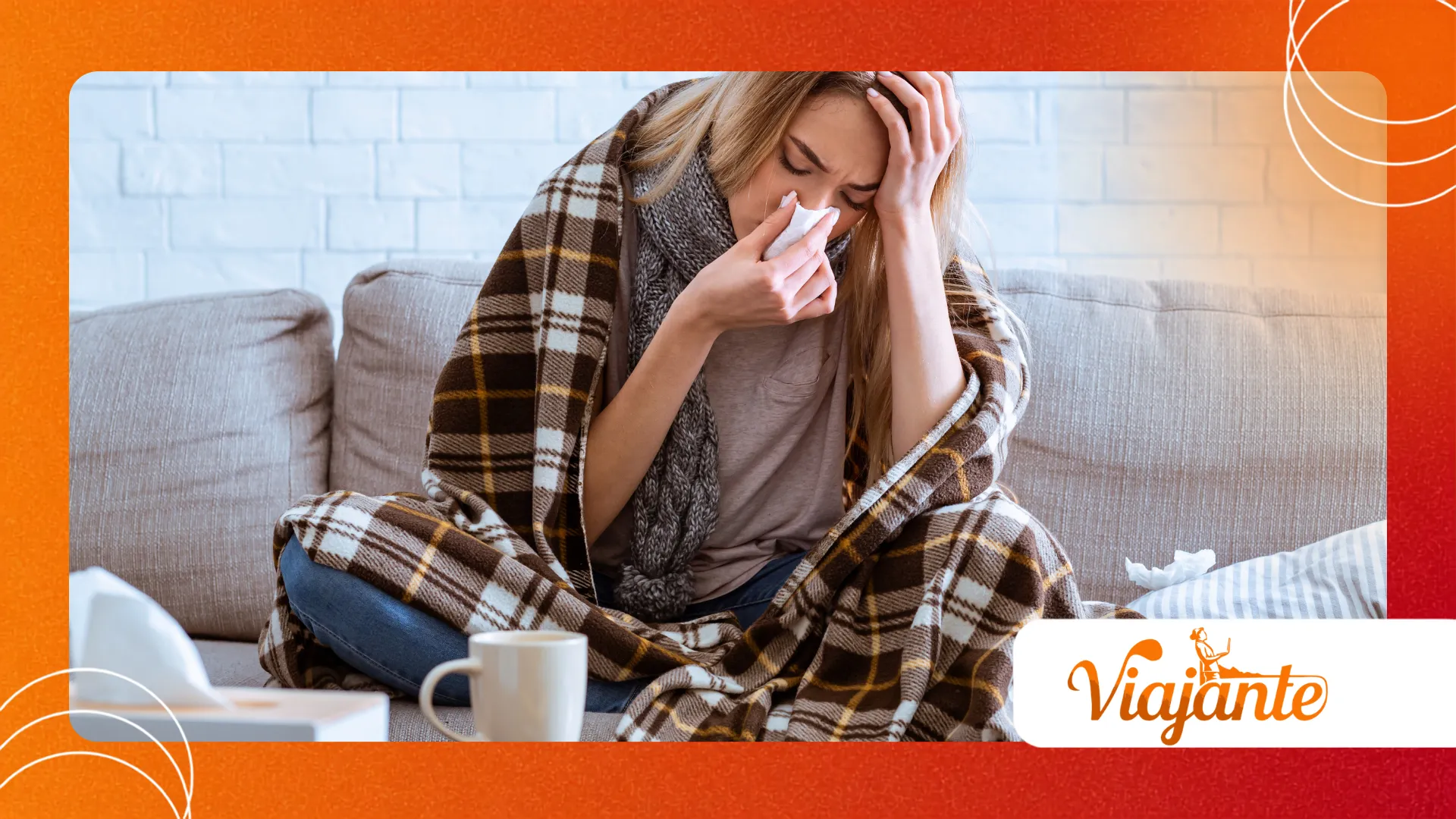
Para afrontar los meses de invierno como profesional digital, se requiere un mantenimiento proactivo del sistema inmunitario, ajustes precisos en el estilo de vida y una higiene inteligente del espacio de trabajo.
Anuncios
Cuando se trabaja como profesional independiente, tomar una baja por enfermedad inesperada repercute directamente en los ingresos y en los plazos de los proyectos.
Comprender las estrategias basadas en la evidencia permite a los trabajadores remotos mantener altos niveles de energía, proteger su inmunidad básica y minimizar el tiempo perdido debido a infecciones estacionales.
A lo largo de esta guía completa, examinamos rutinas prácticas y conocimientos médicos diseñados específicamente para ayudar a los trabajadores autónomos que trabajan a distancia. para mantenerse sano durante la temporada de resfriados y gripe.
Esto es lo que aprenderás en esta guía definitiva:
- Fundamentos del sistema inmunitario: La ciencia de la transmisión de virus en oficinas domésticas.
- Rutinas diarias: Estrategias prácticas sobre nutrición, sueño y ventilación.
- Atención preventiva: Intervenciones médicas, información sobre vacunación y protocolos de recuperación.
¿Cuál es la principal diferencia entre un resfriado y la gripe?
Distinguir entre un resfriado común y la gripe depende en gran medida del seguimiento del inicio de los síntomas, su gravedad y el impacto sistémico en la energía física.
Aprender estas diferencias clínicas ayuda a los contratistas independientes a saber cómo para mantenerse sano durante la temporada de resfriados y gripe mediante ajustes médicos oportunos.
A diferencia de los resfriados leves, la gripe ataca rápidamente al organismo humano, provocando fiebres altas repentinas, fuertes dolores musculares, escalofríos intensos y agotamiento severo.
Según las directrices oficiales proporcionadas por el Centros para el Control y la Prevención de Enfermedades, Los virus de la gripe pueden provocar complicaciones respiratorias graves que requieren reposo absoluto e intervención médica profesional.
Comprender esta distinción médica permite a los contratistas independientes ajustar los plazos de los proyectos con antelación, informar a los clientes de forma transparente y descansar inmediatamente antes de que aparezca el agotamiento extremo.
¿Por qué los trabajadores remotos son vulnerables durante la temporada de virus?
Trabajar desde casa suele generar una falsa sensación de seguridad en lo que respecta a la exposición a patógenos y la limpieza ambiental diaria.
El sedentarismo frente a las pantallas ralentiza la circulación linfática, impidiendo que los glóbulos blancos defensivos se desplacen eficazmente por los tejidos para neutralizar las partículas virales invasoras.
Además, las superficies compartidas en el hogar, la mala circulación del aire interior y la ventilación inadecuada permiten que las gotitas en suspensión permanezcan indefinidamente dentro de las modernas oficinas domésticas, que suelen estar herméticamente cerradas.
La adopción de pausas para moverse con regularidad, junto con hábitos de ventilación activa, ayuda a los profesionales que trabajan a distancia a eliminar los contaminantes presentes en el aire, al tiempo que fortalece sus defensas biológicas naturales contra las enfermedades estacionales.
¿Cómo afecta la calidad del aire interior a la defensa inmunitaria?
Los espacios de trabajo cerrados acumulan polvo, humedad, gotitas de patógenos en suspensión en el aire y compuestos orgánicos volátiles que irritan continuamente las sensibles membranas mucosas respiratorias.
El uso de purificadores de aire HEPA portátiles elimina hasta el 99,971% de las partículas en suspensión en el aire, lo que reduce significativamente la concentración de patógenos en pequeñas oficinas domésticas.
Abrir las ventanas durante diez minutos dos veces al día introduce oxígeno fresco, elimina las partículas en suspensión en el aire y regula eficazmente los niveles de humedad en interiores durante los meses fríos.
Mantener la humedad interior entre 40% y 60% optimiza las barreras mucosas, lo que garantiza que las vías respiratorias atrapen y eliminen los microbios entrantes antes de que las infecciones se establezcan por completo.
++ Escasez de medicamentos para el resfriado: cómo prepararse de forma segura.
¿Cuáles son los hábitos diarios más eficaces para prevenir infecciones?
Para desarrollar una inmunidad natural fuerte se requiere una ejecución diaria constante en cuanto a la ingesta nutricional, los indicadores de hidratación, la duración del sueño y las rutinas rigurosas de higiene de manos.
Integrar estos hábitos fundamentales crea un escudo biológico interno que minimiza de manera confiable los riesgos de infección para las personas que se esfuerzan por... para mantenerse sano durante la temporada de resfriados y gripe.
++ Inmunidad postpandémica: cómo se adaptaron nuestros cuerpos
| Pilar de prevención | Acción recomendada diaria | Beneficio biológico primario |
| Hidratación de la mucosa | Beba entre 2,5 y 3 litros de agua limpia al día. | Mantiene las membranas mucosas húmedas para atrapar eficazmente los patógenos. |
| Nutrición dirigida | Consumir entre 75 y 90 mg de vitamina C y 15 mg de zinc. | Favorece la producción y función innata de los glóbulos blancos. |
| Sueño reparador | Asegúrese de dormir entre 7 y 9 horas sin interrupciones. | Mejora la producción de citoquinas para combatir las cepas virales activas. |
| Higiene de superficies | Desinfecta los teclados y teléfonos cada 48 horas. | Elimina los patógenos de contacto persistentes de los equipos de uso frecuente. |
¿Qué suplementos realmente fortalecen la resistencia del sistema inmunológico?

Seleccionar suplementos científicos y de alta calidad evita gastos innecesarios en remedios no probados, al tiempo que fortalece activamente las defensas celulares contra los patógenos estacionales circulantes.
Las pastillas de zinc, tomadas ante el primer síntoma de irritación de garganta, pueden prevenir la replicación viral en las células de las vías respiratorias superiores, acortando significativamente la duración de la enfermedad.
La vitamina C actúa como un potente antioxidante, protegiendo las células inmunitarias del estrés oxidativo durante períodos intensos de trabajo remoto con gran carga de trabajo.
Consulte siempre con profesionales sanitarios certificados antes de comenzar a tomar suplementos en grandes cantidades, asegurándose de que las dosis individuales se ajusten de forma segura a su estado de salud general y a su perfil farmacológico.
¿Cómo pueden los profesionales digitales gestionar el estrés para evitar enfermedades?
El estrés crónico en el trabajo eleva los niveles sistémicos de cortisol, suprimiendo directamente la actividad de las células T y dejando al cuerpo completamente expuesto a infecciones virales oportunistas.
Establecer horarios de trabajo claros, realizar paseos estructurados al aire libre y practicar breves rutinas de atención plena reduce la adrenalina circulante y estabiliza el funcionamiento del sistema nervioso.
Establecer límites estrictos entre el descanso personal y las tareas profesionales evita que el agotamiento físico comprometa tu capacidad natural para combatir los patógenos invernales.
Dar prioridad a la recuperación psicológica diaria garantiza que tu cuerpo físico conserve suficiente energía metabólica para combatir los problemas estacionales antes de que interrumpan el impulso de tu carrera profesional.
¿Cuándo debería tomarse una baja por enfermedad como trabajador autónomo?
Superar síntomas físicos graves mientras se gestiona una gran carga de trabajo como autónomo prolonga la duración de la enfermedad, perjudica la claridad cognitiva y aumenta el riesgo de complicaciones secundarias.
Alejarse de las pantallas cuando aparece la fiebre, la tos persistente o la fatiga extrema permite que los recursos metabólicos se centren por completo en la reparación celular.
Una comunicación clara con los clientes actuales sobre los retrasos temporales genera confianza profesional, demostrando una gestión empresarial madura a la vez que se establecen límites responsables en materia de salud personal.
Descansar de forma intensiva durante las primeras fases de los síntomas garantiza una recuperación total mucho más rápida, lo que le permitirá retomar el trabajo facturable mucho antes en general.
++ Alergias estacionales: Influencia del cambio climático en 2026
Preguntas frecuentes
¿El frío por sí solo puede provocar el contagio de un virus?
Las bajas temperaturas no causan directamente infecciones virales, pero el aire frío y seco debilita las defensas de la mucosa nasal, facilitando la entrada del virus.
Además, durante el clima frío, las personas se reúnen con mayor frecuencia en espacios cerrados, lo que aumenta significativamente la transmisión de patógenos por contacto cercano entre individuos.
¿Con qué frecuencia deben desinfectar sus dispositivos digitales los trabajadores que realizan tareas a distancia?
Los dispositivos de uso frecuente, como teclados de ordenador, ratones de ordenador y teléfonos inteligentes, deben desinfectarse al menos dos veces por semana con toallitas de alcohol isopropílico 70%.
La desinfección regular de las manos evita que las partículas virales residuales se transfieran directamente a los ojos, la nariz o la boca durante el trabajo diario con el ordenador.
¿Las vacunas contra la gripe previenen por completo el contagio de la gripe estacional?
Las vacunas contra la gripe no garantizan la inmunidad total, pero reducen drásticamente el riesgo de infección, las hospitalizaciones y la gravedad de la enfermedad en caso de exposición a cepas activas.
Vacunarse anualmente sigue siendo la medida médica más eficaz disponible. para mantenerse sano durante la temporada de resfriados y gripe.
Proteja su salud, optimice su entorno doméstico y proteja su carrera digital a largo plazo consultando la orientación médica confiable disponible a través de Organización Mundial de la Salud recursos hoy.
\