
Migraciones animales que los científicos aún no pueden explicar completamente.

El misterio rodea cómo migraciones animales Su funcionamiento se extiende por todo el planeta, planteando a la biología moderna interrogantes sin resolver sobre la mecánica de la navegación y los factores evolutivos. Los investigadores aún se esfuerzan por descifrar estos espectaculares viajes globales.
Anuncios
su función en todo nuestro planeta, desafiando continuamente a la biología moderna con preguntas sin resolver sobre la mecánica de la navegación y los factores evolutivos.
Cada año, millones de criaturas recorren miles de kilómetros a través de océanos y continentes sin mapas, poniendo de manifiesto las limitaciones de los marcos genéticos estándar.
Este análisis exhaustivo explora tres migraciones inexplicables de animales salvajes, evalúa las hipótesis científicas actuales, presenta datos históricos de seguimiento y responde a preguntas clave.
¿Por qué las mariposas monarca desconciertan a los biólogos?
Las mariposas monarca realizan un increíble viaje multigeneracional desde los bosques canadienses hasta ciertas montañas subtropicales mexicanas. Sorprendentemente, los ejemplares que regresan a México nunca antes han visto esos lugares de invernada.
El seguimiento de la navegación muestra que utilizan una brújula solar interna para mantener su trayectoria hacia el sur, pero este mecanismo no explica cómo localizan árboles idénticos.
Los estudios genómicos indican que secuencias genéticas específicas rigen el comportamiento migratorio a lo largo de las generaciones, pero sigue siendo un misterio cómo los cerebros microscópicos procesan datos geográficos complejos.
Los cambios ambientales amenazan actualmente estas delicadas rutas migratorias, lo que hace que la investigación sea urgente para los conservacionistas. Descifrar estas señales biológicas podría revolucionar nuestra comprensión de la adaptación animal.
¿Cómo navegan las tortugas marinas verdes en mar abierto?
Las tortugas marinas verdes viajan a través de miles de kilómetros de océano abierto para anidar en playas específicas. Las crías recién nacidas abandonan la Isla Ascensión y regresan años después con una precisión asombrosa.
La impronta geomagnética constituye la principal hipótesis para explicar esta extraordinaria navegación oceánica. Las tortugas detectan ligeras variaciones en la intensidad y la inclinación del campo magnético terrestre.
Los biólogos aún no pueden explicar cómo estos reptiles filtran el intenso ruido magnético causado por las tormentas solares. Los receptores sensoriales precisos responsables de esta detección siguen sin descubrirse.
La telemetría satelital confirma que los adultos mantienen una trayectoria recta incluso durante intensas corrientes oceánicas. Esta capacidad sugiere un sistema de mapeo interno mucho más avanzado que la tecnología humana actual.
¿Cuáles son los misterios de las trayectorias de vuelo de las libélulas?
Las libélulas Globe Skimmer emprenden una épica migración multigeneracional a través del vasto Océano Índico. Estos diminutos insectos viajan desde la India hasta África, aprovechando los frentes meteorológicos estacionales.
Este viaje abarca más de catorce mil kilómetros y depende en gran medida de los impredecibles vientos monzónicos. Ninguna libélula completa el viaje de ida y vuelta, que requiere cuatro generaciones distintas.
Los patrones climáticos determinan su vuelo a gran altitud, pero sus elecciones revelan una dirección intencionada. Los científicos carecen de datos empíricos que expliquen cómo estos frágiles insectos sobreviven a condiciones atmosféricas extremas.
El seguimiento de libélulas individuales presenta enormes desafíos tecnológicos debido a su diminuto tamaño. Los investigadores esperan que las etiquetas de telemetría en miniatura revelen pronto sus trayectorias exactas.
¿Qué misterios persisten en los viajes errantes del albatros?
Los albatros errantes circunnavegan el Océano Austral, recorriendo millones de kilómetros a lo largo de su vida. Estas majestuosas aves utilizan el vuelo dinámico para conservar energía sobre vastas extensiones marinas.
La navegación olfativa les ayuda a localizar zonas de alimentación distantes al percibir el olor de sustancias químicas marinas específicas. Sin embargo, los rastros de olor se disipan rápidamente en océanos turbulentos, lo que deja lagunas en las teorías de rastreo.
La detección de infrasonidos ofrece otra hipótesis fascinante sobre sus decisiones de navegación a larga distancia. Las aves podrían oír ondas acústicas de baja frecuencia generadas por tormentas oceánicas lejanas o por el oleaje costero.
La combinación de estas señales sensoriales requiere un procesamiento neurológico complejo que aún no se comprende del todo. Nuestro conocimiento de su vida pelágica depende del desarrollo de redes de seguimiento por satélite.
Descifrando cómo migraciones animales El libro "Perdurar a pesar de los rápidos cambios planetarios" ofrece una visión profunda de los límites de la resiliencia biológica y la adaptación evolutiva.
++ El lenguaje secreto que usan los delfines para identificarse entre sí.
¿Qué revelan los datos sobre las migraciones de animales rastreados?
El análisis cuantitativo de la fauna migratoria pone de manifiesto la inmensa magnitud de estos fenómenos naturales. La siguiente tabla resume los principales indicadores de seguimiento recopilados por organizaciones internacionales de investigación marina.
++ ¿Por qué está evolucionando rápidamente el comportamiento de caza cooperativa de las orcas?
| Especies | Distancia (KM) | Hipótesis primaria | Factor principal desconocido |
| Mariposa monarca | 4,500 | Brújula solar | Localización precisa de objetivos microscópicos |
| tortuga verde | 2,200 | Impresión magnética | Ubicación de las células receptoras |
| Esquiador de globo | 14,000 | Seguimiento de los vientos monzónicos | Supervivencia en altitudes elevadas |
| Albatros errante | 120,000 | Olfativo / Infrasonido | Integración multisensorial |
¿Cómo explica la biología cuántica la navegación de la fauna salvaje?
El entrelazamiento cuántico proporciona un marco radicalmente nuevo para comprender misterios misteriosos. migraciones animalesLos científicos plantean la hipótesis de que los criptocromos de pares radicales en los ojos de las aves responden directamente a los campos geomagnéticos.
Este proceso microscópico permite a las aves percibir visualmente las líneas del campo magnético terrestre. Las reacciones químicas dentro de proteínas oculares especializadas crean electrones entrelazados sensibles a la orientación espacial.
Los físicos se enfrentan a dificultades para replicar estos delicados estados cuánticos en entornos biológicos cálidos y ruidosos. Demostrar que el tejido vivo utiliza la mecánica cuántica requiere una precisión experimental sin precedentes.
Las teorías alternativas se centran en partículas microscópicas de óxido de hierro ubicadas en la parte superior del pico de las aves. Estos depósitos minerales podrían actuar como brújulas mecánicas, enviando señales directas al cerebro.
Para dilucidar el debate entre la visión cuántica y los receptores magnéticos se requieren técnicas avanzadas de neuroimagen. Ambos mecanismos podrían operar simultáneamente, creando un sistema de navegación altamente redundante.
¿Cuándo evolucionaron las migraciones animales?
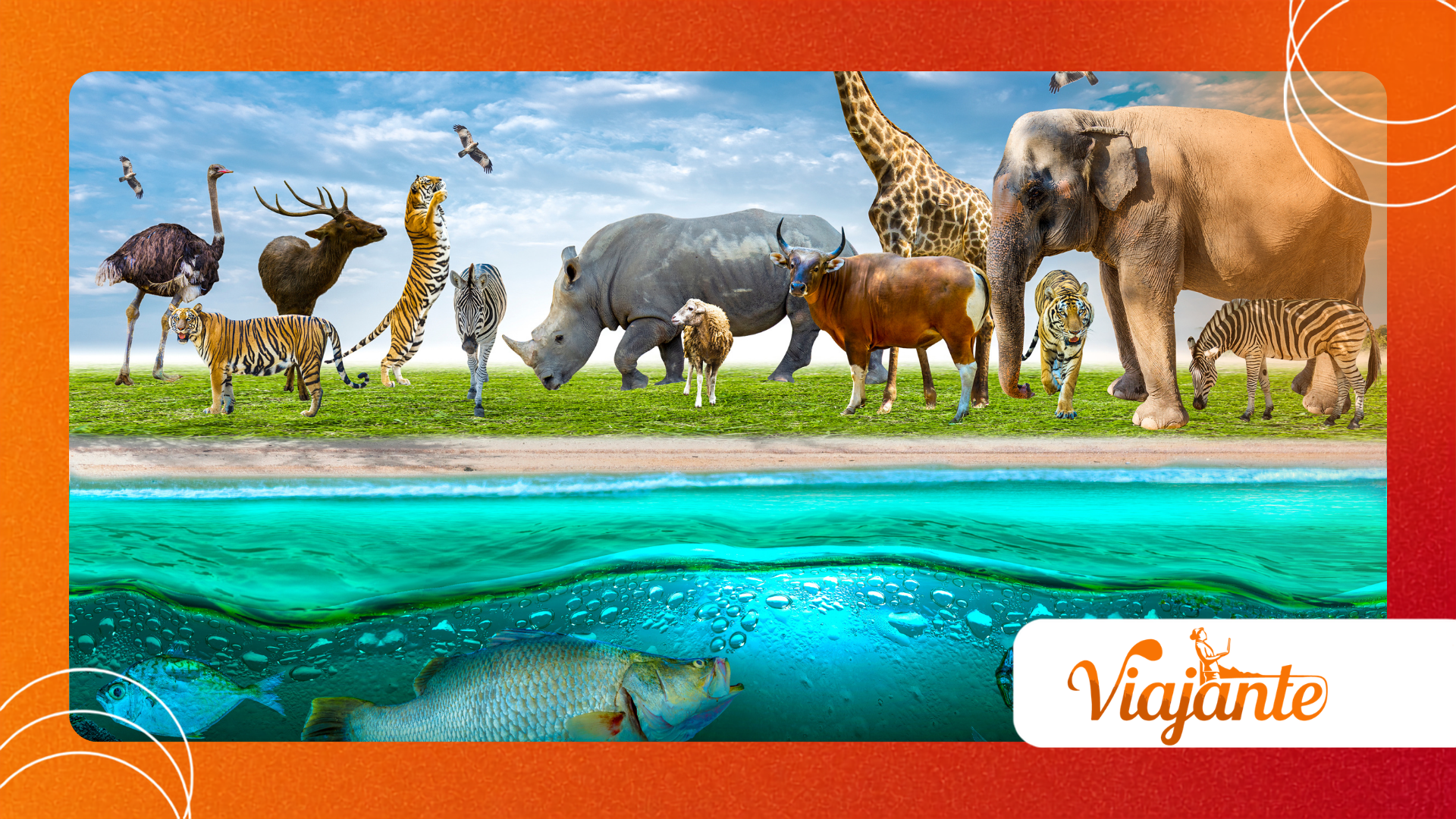
Los registros fósiles sugieren que los movimientos estacionales a gran escala se desarrollaron paralelamente a los principales cambios climáticos planetarios. La deriva continental alteró continuamente las antiguas rutas migratorias durante millones de años.
Las especies se adaptaron a los cambios geográficos o se enfrentaron a rápidos eventos de extinción evolutiva. Esta presión histórica moldeó la compleja programación genética que se observa en las especies migratorias modernas.
Reconstruir antiguas rutas tróficas requiere analizar isótopos estables conservados en dientes de animales fosilizados. Estas huellas químicas revelan la ubicación geográfica exacta donde se alimentaban las criaturas antiguas.
El mapeo genético indica que los impulsos migratorios pueden desaparecer y reaparecer en cortos periodos evolutivos. Esta fluidez sugiere que la programación migratoria es un rasgo latente en muchos organismos.
Comprender la historia evolutiva ayuda a los zoólogos a predecir cómo responderán las especies modernas a los rápidos cambios climáticos. Los cambios planetarios están obligando a los animales a modificar sus patrones ancestrales.
¿Cómo se desplazan los mamíferos marinos por las profundidades oceánicas?
Las ballenas jorobadas viajan desde las gélidas zonas de alimentación polares hasta las cálidas lagunas tropicales de reproducción. Estos enormes mamíferos mantienen trayectorias casi perfectamente rectas a lo largo de miles de kilómetros de aguas profundas.
La comunicación acústica permite a las manadas compartir información geográfica a través de vastas distancias submarinas. Los cantos de baja frecuencia de las ballenas viajan cientos de kilómetros a través de canales acústicos oceánicos especializados.
Las características batimétricas, como montañas submarinas y fosas profundas, podrían servir como puntos de referencia físicos. Es posible que las ballenas utilicen la ecolocalización o la sensibilidad magnética para cartografiar estas estructuras geológicas ocultas.
Los cambios en la radiación solar se correlacionan con desviaciones específicas en las rutas migratorias establecidas de las ballenas. Esta conexión implica que los mamíferos marinos son sensibles a las fluctuaciones magnéticas inducidas por el sol.
Aislar estas variables sigue siendo difícil porque el seguimiento de los mamíferos de aguas profundas requiere equipos costosos. Los biólogos marinos continúan desarrollando sistemas de marcaje no invasivos para monitorear el comportamiento en las profundidades marinas.
¿Cuáles son los mapas cognitivos de las aves migratorias?
Las aves migratorias construyen sofisticados mapas cognitivos integrando múltiples señales ambientales. Puntos de referencia visuales como las costas, los valles fluviales y las cordilleras guían sus vuelos diurnos.
Las aves migratorias nocturnas dependen en gran medida de los patrones estelares para mantener su rumbo. Los escribanos índigo aprenden el centro de rotación del cielo nocturno durante su desarrollo temprano.
Los patrones de luz polarizada al atardecer proporcionan una calibración direccional adicional para las brújulas aviares. Este enfoque multicapa garantiza una navegación precisa incluso durante períodos de cielo muy nublado.
Los estudios neurológicos demuestran que se produce una importante reestructuración cerebral justo antes del inicio de las temporadas migratorias. Las áreas responsables de la memoria espacial y la integración sensorial se expanden para procesar información de navegación compleja.
El mapeo de estas vías neuronales revela cómo los animales procesan flujos simultáneos de información sensorial. Los cerebros de las aves superan a los algoritmos informáticos modernos en el cálculo geográfico en tiempo real.
++ Animales que han superado pruebas de inteligencia diseñadas para niños
¿Por qué es fundamental proteger los corredores migratorios?
Las infraestructuras humanas interrumpen constantemente las rutas ancestrales, creando peligrosos obstáculos para la fauna migratoria. Las autopistas, los aerogeneradores y los rascacielos brillantemente iluminados alteran los sistemas de navegación naturales en todo el mundo.
La contaminación lumínica desorienta a las aves nocturnas, provocando colisiones catastróficas con estructuras urbanas. Del mismo modo, la contaminación acústica oceánica interrumpe la vital comunicación acústica de los mamíferos marinos migratorios.
El establecimiento de corredores internacionales de vida silvestre ayuda a mitigar eficazmente estas amenazas antropogénicas modernas. Los esfuerzos de conservación colaborativos garantizan que los animales se desplacen de forma segura a través de las fronteras geopolíticas.
Los datos satelitales permiten a los conservacionistas identificar cuellos de botella críticos que requieren protección legal inmediata. Preservar estas zonas es esencial para mantener la biodiversidad global y el equilibrio de los ecosistemas.
Las políticas eficaces dependen de datos científicos precisos sobre los periodos exactos de migración estacional. Las herramientas de seguimiento avanzadas permiten a los gobiernos implementar medidas de conservación oportunas y basadas en datos.
Descifrando los secretos de migraciones animales Requiere una colaboración continua entre las distintas disciplinas científicas. Biólogos, físicos y analistas de datos deben aunar esfuerzos para descifrar estos misterios naturales.
Es probable que los avances futuros surjan del estudio de la intersección entre la genética y la mecánica cuántica. Cuanto más profundicemos en la investigación, más descubriremos sobre la naturaleza interconectada de la vida.
Nuestra responsabilidad consiste en salvaguardar estos increíbles viajes para que las futuras generaciones puedan estudiarlos. Proteger el mundo natural garantiza que estos hermosos misterios sigan inspirando la curiosidad humana.
Las investigaciones actuales amplían nuestra comprensión, al tiempo que ponen de manifiesto cuánto queda por descubrir. Explorar estas maravillas biológicas nos enseña humildad ante los logros tecnológicos de la humanidad.
Para obtener actualizaciones detalladas sobre las iniciativas mundiales de seguimiento de la vida silvestre, visite el sitio web. Instituto Smithsoniano de Biología de la Conservación revisar los proyectos de investigación ecológica actuales.
Preguntas frecuentes
¿Cuál es la migración animal más larga conocida?
El charrán ártico ostenta el récord, volando más de setenta mil kilómetros al año entre el Ártico y la Antártida. Este viaje garantiza que las aves experimenten dos veranos cada año.
¿Cómo saben los animales jóvenes adónde deben migrar?
Muchas especies dependen de una programación genética innata que dicta direcciones y duraciones de vuelo específicas. Otras especies deben aprender rutas tradicionales siguiendo a adultos experimentados durante su primer viaje.
¿Puede el cambio climático alterar las migraciones animales ya establecidas?
Sí, el cambio en las temperaturas globales altera la disponibilidad de alimentos y los patrones climáticos, lo que obliga a las especies a modificar sus épocas y rutas migratorias. Algunas poblaciones dejan de migrar por completo si los inviernos locales se vuelven lo suficientemente suaves.
¿Qué tecnología utilizan los científicos para rastrear las migraciones de los animales?
Los investigadores utilizan telemetría satelital, etiquetas GPS en miniatura, geolocalizadores y dispositivos de rastreo por radio. Estas herramientas proporcionan datos en tiempo real sobre la ubicación, la altitud y las condiciones ambientales.
\