
Señales de tráfico embrujadas: Supersticiones al volante en todo el mundo
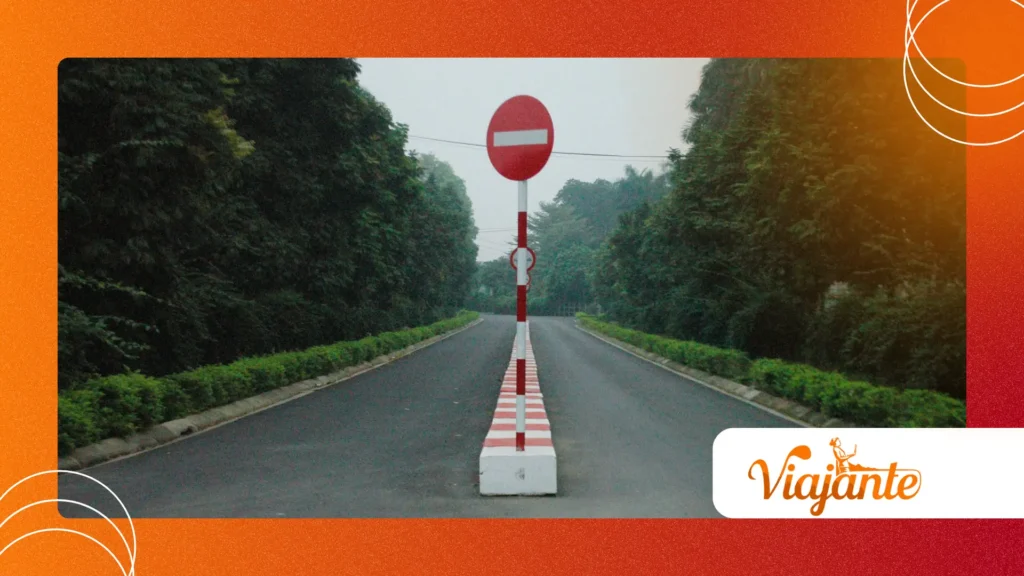
Explorando la historia de Señales de tráfico embrujadas Revela una extraña intersección entre la fría infraestructura y la calidez de la narración humana.
Anuncios
Se trata de un paisaje psicológico único donde los desplazamientos nocturnos y el aislamiento de la carretera abierta convierten un viaje normal en algo mucho más visceral para el viajero moderno.
Hay algo intrínsecamente inquietante en la forma en que las leyendas de carretera se aferran a coordenadas específicas, persistiendo mucho después de que los acontecimientos originales se hayan desvanecido.
No nos limitamos a mirar mapas; estamos navegando por una memoria colectiva que influye en cómo nos sentimos cuando el sol se oculta tras el horizonte.
- La liminalidad del asfalto
- Patrones cognitivos en la oscuridad
- Puntos críticos globales y su peso
- El negocio de lo sobrenatural
- Opiniones de expertos para los curiosos.
¿Por qué asociamos las autopistas con fenómenos sobrenaturales?
Las carreteras funcionan como «espacios liminales», territorios donde nos encontramos suspendidos entre un punto de origen y un destino. Esta falta de pertenencia fija las convierte en terreno fértil para el folclore moderno y esas historias inquietantes y persistentes que parecen acechar en las sombras de las áreas de descanso.
El aislamiento y el zumbido rítmico de los neumáticos crean un vacío sensorial. Cuando el cerebro se ve privado de estímulos variados, comienza a inventar; encontramos patrones en la oscuridad, un fenómeno conocido como pareidolia, donde un simple reflejo en un letrero metálico se convierte en una advertencia espectral.
Resulta interesante observar cómo estas leyendas funcionan como anclas culturales no oficiales. Para el profesional digital que se desplaza por zonas remotas, estas historias ofrecen una capa de historia local que una voz de GPS impersonal simplemente no puede brindar, dotando al viaje de una dimensión humana, aunque inquietante.
La etiqueta de "embrujado" suele usarse como un eufemismo para tragedias regionales. Al convertir una curva peligrosa en una historia de fantasmas, las comunidades crean un sistema de alerta narrativa mucho más memorable que una señal de diamante amarilla estándar o una notificación LED parpadeante.
¿Cuáles son las señales de tráfico y los lugares emblemáticos más famosos por estar embrujados?
Ciertos tramos de carretera están cargados de una historia difícil de ignorar, especialmente la Ruta 66. Está plagada de letreros dedicados al "Autoestopista Fantasma", un tópico que persiste porque apela a nuestro miedo primario —y a nuestra compasión— hacia los extraños.
En todo el mundo, el Outback australiano presenta las luces Min Min. Si bien se observan con frecuencia cerca de las señales de tráfico en el Territorio del Norte, la ciencia apunta a espejismos complejos causados por inversiones térmicas, aunque la explicación rara vez satisface a quienes las han visto danzar.
En Escocia, la recta de Kinmount (A75) suele ser ignorada por los escépticos hasta que experimentan su peculiar atmósfera. Es un lugar donde los conductores relatan encuentros tan vívidos que se ven obligados a detenerse, cuestionando la fiabilidad de sus propios sentidos ante lo inexplicable.
Estos lugares han impulsado el auge del «turismo oscuro», donde las economías locales se nutren de su historia macabra. Se trata de una fascinante evolución de la economía independiente, donde emprendedores de pequeñas ciudades transforman los rumores locales en un crecimiento regional legítimo mediante recorridos especializados y experiencias temáticas.
¿Cómo influyen las supersticiones globales en el comportamiento de los conductores modernos?
Los reflejos culturales suelen dictar nuestra interacción con la carretera, a veces incluso más que las propias leyes de tráfico. Desde contener la respiración al pasar junto a un cementerio hasta golpear el salpicadero, estos rituales son pequeños intentos de lidiar con un mundo que se siente impredecible.
En varias regiones de Asia, los santuarios al borde de las carreteras se mantienen meticulosamente para apaciguar a los espíritus locales. El objetivo es asegurar que Señales de tráfico embrujadas No se conviertan en presagios de fallas mecánicas, reflejando un deseo humano universal de ejercer control sobre un tránsito largo y solitario.
Los conductores profesionales, a pesar de su pericia técnica, suelen ser los más supersticiosos. Llevan consigo talismanes o siguen patrones específicos al cruzar fronteras, una práctica que pone de manifiesto cómo incluso las profesiones más modernas aún recurren a métodos ancestrales para gestionar el estrés psicológico.
La comunidad de quienes viven en furgonetas se ha convertido en un archivo digital de estas tradiciones. Al documentar estas supersticiones, los trabajadores remotos preservan historias orales, advierten a sus compañeros sobre los peligros de los caminos y, al mismo tiempo, celebran la extraña y solitaria belleza del estilo de vida nómada.
+ La maldición de la estatua que llora: Pánico en la peregrinación
Análisis comparativo del folclore de carretera global
| País | Ubicación famosa | Tipo de leyenda | Explicación científica |
| Estados Unidos | Clinton Road, Nueva Jersey | El camión fantasma | Deslumbramiento por luces altas y curvas pronunciadas |
| Sudáfrica | Uniondale (N9) | El pasajero que desaparece | Ilusión sensorial inducida por el duelo |
| Escocia | A75 Kinmount | Anomalías espectrales | refracción de la luz atmosférica |
| Japón | Túnel de Inunaki | Territorio prohibido | Efectos de la privación audiovisual |
¿Qué factores tecnológicos contribuyen a la formación de leyendas en las carreteras?
Las modernas funciones de seguridad —como el asistente de mantenimiento de carril y el frenado automático— reaccionan ocasionalmente a "fantasmas" ambientales. Cuando un coche frena ante un espacio vacío, es fácil comprender por qué los conductores expertos en tecnología podrían sentir que su vehículo percibe algo más allá de la percepción humana, tendiendo un puente entre el silicio y la espiritualidad.
La cultura de las cámaras de salpicadero no ha hecho más que avivar este fuego. Los sensores de baja resolución suelen producir artefactos visuales que se interpretan como "fallos en la matriz", reforzando la idea de que la autopista es un espacio donde el velo entre la realidad digital y el folclore es excepcionalmente delgado.
A medida que avanzamos hacia un futuro de vehículos autónomos, surge una nueva mitología. Empezamos a preguntarnos qué ve una IA cuando sus sensores detectan una anomalía en una carretera desierta, y si las máquinas acabarán desarrollando sus propias supersticiones digitales.
Para el profesional que se desenvuelve en este entorno, comprender las limitaciones del hardware es la mejor defensa contra el miedo. La lógica sigue siendo la herramienta principal para viajar con seguridad, incluso cuando los sensores del coche y las leyendas locales parecen coincidir, aunque de forma inquietante.
+ Animadora asesina: ¿Leyenda del instituto o misoginia?
¿Cuál es el impacto económico de las historias de fantasmas que se cuentan al borde de la carretera?
Los pueblos pequeños suelen aprovechar su proximidad a lugares emblemáticos con fama de estar malditos para evitar el anonimato de ser simplemente una parada más en el mapa. Esto crea un nicho de mercado para restaurantes, moteles y creadores independientes especializados en la fusión entre el misterio y los viajes modernos.
Esta microeconomía ofrece un escenario único para escritores y fotógrafos de viajes. Les permite explorar la tensión entre la historia y el estilo de vida nómada moderno, transformando leyendas locales en contenido de gran valor que conecta con una audiencia global y curiosa.
Según el Departamento de Transporte de los Estados UnidosEl mantenimiento de la señalización es una cuestión de seguridad pública, pero el peso cultural de ciertos letreros a menudo conlleva costes inesperados, como robos o vandalismo por parte de quienes buscan llevarse a casa un pedazo de la leyenda.
El turismo verdaderamente sostenible requiere un delicado equilibrio. Implica disfrutar de estas historias sin comprometer la infraestructura, garantizando que el folclore siga siendo una actividad intelectual y no un peligro físico para las personas que viven y trabajan a lo largo de estas rutas.
¿Por qué persiste la leyenda del "Autoestopista Fantasma"?
La historia del viajero que desaparece es una narración camaleónica, que evoluciona desde los carruajes tirados por caballos hasta los asientos traseros de los coches eléctricos. Persiste porque aborda nuestra vulnerabilidad inherente cuando nos desplazamos por el mundo a gran velocidad, aislados y expuestos.
Estos relatos funcionan como advertencias psicológicas. Nos recuerdan que debemos mantenernos alerta, transformando la cruda realidad de las estadísticas de tráfico en una narración que perdura en la memoria mucho más que una charla sobre la fatiga al volante o los hábitos de conducción distraída.
En cierto modo, estos mitos nos ayudan a procesar el trauma de la carretera. Al darle un rostro a un tramo peligroso de asfalto, convertimos una tragedia fortuita en una historia, lo que hace que los riesgos inherentes a los viajes parezcan un poco más comprensibles y, quizás, más manejables.
Incluso para los más sensatos Señales de tráfico embrujadas Para los entusiastas, el alcance global de estas historias sugiere una experiencia humana compartida.
Todos buscamos significado en los vastos y vacíos espacios que atravesamos, con la esperanza de que el viaje tenga más profundidad que la simple cantidad de kilómetros recorridos.
¿Cómo pueden los viajeros practicar la exploración responsable?
La seguridad es la única prioridad válida al investigar leyendas de carretera. Esto significa evitar la tentación de detenerse en arcenes transitados o invadir propiedad privada solo para tomar una foto de un letrero "maldito"; algunas cosas se observan mejor desde una distancia segura.
Consultar archivos locales o bases de datos de museos suele ofrecer una perspectiva mucho más enriquecedora que una publicación viral en redes sociales. Comprender la verdadera historia detrás de la fama de un lugar embrujado hace que la experiencia de viaje sea mucho más gratificante y honesta desde el punto de vista intelectual.
Las herramientas fiables son el mejor antídoto contra lo sobrenatural. Mantener un vehículo en buen estado y usar un sistema de navegación actualizado garantiza que un encuentro "sobrenatural" no sea simplemente el resultado de una batería descargada o un fallo del GPS en una zona con mucha sombra.
Una carrera sostenible en la carretera requiere gestionar el riesgo con criterio profesional. Esto implica distinguir entre una leyenda local divertida y un peligro ambiental real, manteniendo la concentración en la conducción mientras se observan las sombras con el rabillo del ojo.
El atractivo de los misterios de las carreteras refleja nuestra necesidad de encontrar historias en el silencio. Para el viajero, estas leyendas ofrecen una capa de riqueza cultural que enriquece el viaje, siempre y cuando se aborden con una sana curiosidad.
Podemos apreciar los susurros del pasado que parecen resonar cerca de estas señales, siempre y cuando mantengamos la vista en el horizonte y las manos firmemente en el volante.
Se trata de desenvolverse en el mundo tal como es, dejando el espacio suficiente para aquellas cosas que no podemos explicar del todo.
+ Fantasmas en los botones del ascensor: Explorando el mito del ascensor
FAQ: Preguntas frecuentes
¿Qué se considera exactamente una "señal de tráfico embrujada"?
Suele tratarse de un hito o un punto específico en una carretera que se ha convertido en sinónimo del folclore local, de avistamientos recurrentes o de acontecimientos históricos a los que la comunidad se niega a renunciar.
¿Hay hechos reales detrás de estas historias?
Con frecuencia, sí. Muchas leyendas son el resultado narrativo de accidentes o desapariciones reales, transformadas con el tiempo en mitos urbanos que sirven tanto de entretenimiento como de advertencia.
¿Cómo puedo visitar estos sitios sin molestar?
Respeta las leyes locales, nunca obstruyas el tráfico y recuerda que estas zonas supuestamente embrujadas suelen ser patios traseros de casas o rutas de tránsito esenciales para los trabajadores. La discreción es tu mejor herramienta para explorar.
¿Estas leyendas realmente ayudan a los negocios locales?
En muchas zonas rurales, sí. Una reputación de actividad paranormal puede convertir un pueblo olvidado en un destino turístico, lo que fomenta la hospitalidad local y crea un mercado único para narradores y guías independientes.
¿Dónde puedo encontrar datos sobre seguridad vial real?
Para conocer los hechos detrás del folclore, el Administración Nacional de Seguridad del Tráfico en las Carreteras Proporciona los datos necesarios para mantenerse a salvo, permitiéndole distinguir los peligros reales de la carretera de los espectrales.
\