
Why Do We Get Goosebumps? Evolutionary Trace
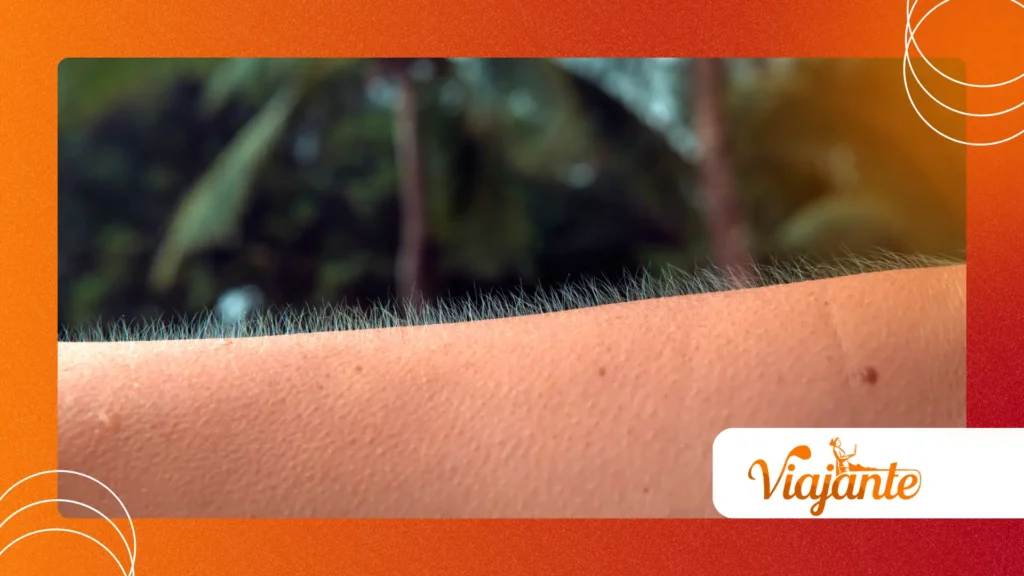
Have you ever felt a sudden chill while finishing a difficult freelance project or listening to a moving speech? Those tiny bumps on your skin are more than just a physical quirk.
Anúncios
Understanding this biological reaction helps digital professionals connect with their primal instincts. This guide explores the science, history, and modern implications of this fascinating phenomenon that still lingers in our DNA today.
In this article, we will examine the physiological triggers, the evolutionary purpose of piloerection, and why these reactions still occur during intense emotional moments in our contemporary remote work lives.
What is the Biological Mechanism Behind Goosebumps?
Goosebumps, scientifically known as piloerection, occur when tiny muscles at the base of each hair follicle, called arrector pili, contract suddenly. This action pulls the hair upright.
This reflex is governed by the sympathetic nervous system, the same system responsible for your “fight or flight” response. It functions involuntarily, meaning you cannot consciously control the reaction.
When the body perceives a threat or a temperature drop, adrenaline floods your bloodstream. This chemical surge triggers the muscles to tighten, creating the characteristic bumpy texture on your skin surface.
For freelancers working in climate-controlled environments, this might seem like an outdated software bug. However, it remains a finely tuned instrument of human biology that responds to internal and external stimuli.
The phrase why do we get goosebumps is often answered by looking at our ancestors. They possessed much more body hair than we do, making this physical reaction significantly more effective.
Why Did Our Ancestors Need This Reflex?
Evolutionarily speaking, standing hair served two vital purposes for early humans. First, it provided an essential layer of insulation against harsh, unpredictable environments by trapping heat near the skin.
By fluffing up their fur, our ancestors created a thicker thermal barrier. This helped them survive cold nights before the invention of modern heating or high-quality synthetic clothing we use today.
The second purpose was defense. Much like a cat arching its back, upright hair made humans appear larger and more intimidating to potential predators or rival groups during prehistoric encounters.
While we no longer need to look “puffy” to scare off a saber-toothed tiger, the neural pathways remain. Our brains still use the same ancient circuitry to signal intense physical states.
+ How Gravity Waves Are Detected (and What They Tell Us)
How Do Emotions Trigger Piloerection Today?
In 2026, we rarely face predators, yet we still experience this sensation. Modern research suggests that deep emotional resonance can bypass our logical brain and trigger the sympathetic nervous system directly.
Awe-inspiring moments, such as achieving a major career milestone or hearing a masterpiece, stimulate the amygdala. This region processes emotions and can initiate the physical reflex of goosebumps almost instantly.
Interestingly, “aesthetic chills” often happen during the peak of a song or a poignant film scene. This connection proves that our bodies treat intense beauty similarly to physical survival.
For the modern professional, recognizing why do we get goosebumps during a presentation or a breakthrough can be a sign of high engagement. It marks a moment of true cognitive alignment.
According to researchers at the Harvard University Department of Stem Cell and Regenerative Biology, there is even a link between these muscle contractions and long-term hair follicle regeneration.
Comparison of Stimuli and Biological Responses
| Stimulus Type | Biological Trigger | Evolutionary Advantage | Modern Context |
| Cold Exposure | Hypothalamus signal | Thermal insulation | Office air conditioning |
| Physical Fear | Adrenaline spike | Intimidation factor | Near-miss accidents |
| Awe / Beauty | Amygdala activation | Group cohesion | Creative inspiration |
| Social Stress | Sympathetic surge | Alertness | Public speaking |
Which Environmental Factors Cause Frequent Chills?
Temperature remains the primary culprit for most people. When your skin temperature drops, the brain sends an urgent message to conserve heat, leading to the immediate contraction of the arrector pili.
However, high-stress environments, common in the freelance world, can also play a role. Constant “high-alert” states keep the nervous system primed, making you more susceptible to sudden physical reactions.
Nutritional factors and hydration levels also influence how your body regulates temperature. A well-hydrated system maintains homeostasis more efficiently, potentially reducing the frequency of non-emotional, cold-induced goosebumps.
If you find yourself shivering often at your desk, it might be time to evaluate your workspace ergonomics. Small changes in airflow can significantly impact your focus and physical comfort levels.
+ The Oldest Known “LOL”: Ancient Humors Across Cultures
When Should You Pay Attention to This Sensation?
Most of the time, these tiny bumps are harmless remnants of our past. Yet, they serve as an excellent barometer for your current state of mind and physical well-being.
If you get them during a creative “flow state,” it usually indicates a high level of dopamine. This neurotransmitter is closely linked to reward and motivation in your professional journey.
Conversely, frequent chills accompanied by fatigue might suggest your body is struggling to regulate its temperature. This could be a subtle hint to take a break and recharge your energy.
Learning why do we get goosebumps allows you to stay in tune with your body’s signals. It is a reminder that we are biological beings operating in a digital landscape.
What Are the Different Types of Piloerection?
Scientists generally categorize these reactions into two groups: thermoregulatory and emotional. The first is purely functional, while the second is deeply psychological and tied to our social nature.
Thermoregulatory goosebumps are your body’s attempt to stay warm. Emotional goosebumps, or “frisson,” occur during moments of vulnerability, triumph, or deep connection with others or even art.
Some individuals experience “voluntary piloerection,” where they can trigger the sensation at will. This rare ability demonstrates the complex link between the conscious mind and the autonomic nervous system.
Regardless of the type, the physical process remains identical. It is a testament to the efficiency of human design that one mechanism can serve multiple survival and social functions.
How Does This Relate to Career Growth and Focus?

You might wonder how an evolutionary trace impacts a digital career. The answer lies in your “emotional intelligence” and your ability to recognize passion in your daily work.
When a project gives you goosebumps, you have likely found something that aligns with your core values. Use these physical cues as a compass to guide your career choices and specializations.
In the 2026 remote work market, authenticity is a high-value currency. Being moved by your work—and showing it—can help you build stronger, more human connections with your global clients.
Understanding why do we get goosebumps reminds us that even in a world dominated by AI and automation, our raw, human responses are what truly define our unique experiences.
+ The Origin Story of “OK”: A Word That Spread Worldwide
Summary of Evolutionary Benefits
- Heat Retention: Creating a boundary layer of air to keep the body warm.
- Visual Defense: Increasing perceived body size to discourage potential attackers.
- Emotional Signaling: Indicating deep focus, awe, or a sense of profound social belonging.
Conclusion
Goosebumps are a fascinating bridge between our primitive ancestors and our modern lives. They remind us that while our tools have changed, our fundamental biology remains deeply rooted in nature.
By paying attention to these physical signals, you can gain better insights into your health and your passions. Embrace these “chills” as a sign of your vibrant, human connection to the world.
As you continue to build your digital career, stay curious about the way your body interacts with your environment. Biology and productivity are more closely linked than many professionals realize.
For more insights into the intersection of biology and human behavior, you can explore the latest findings at Nature Portfolio, a leading source for scientific discovery.
FAQ (Frequently Asked Questions)
1. Is it normal to get goosebumps when I’m not cold?
Yes, it is perfectly normal. Emotional triggers like music, movies, or intense memories can activate the sympathetic nervous system, causing the same physical reaction as cold air.
2. Why do some people get them more often than others?
Sensitivity to piloerection varies based on your nervous system’s reactivity and personality traits. People who are more open to new experiences often report feeling “aesthetic chills” more frequently.
3. Can I prevent goosebumps from happening during a meeting?
Since it is an involuntary reflex, you cannot stop them directly. However, staying warm and practicing deep breathing can help calm your nervous system and reduce the likelihood of a reaction.
4. Are goosebumps related to any medical conditions?
While usually harmless, frequent chills without a clear cause can sometimes be linked to fever or hormonal imbalances. Always consult a professional if you notice sudden changes in your health.
\