
The Midnight Bus to Nowhere: Urban Transit Myth
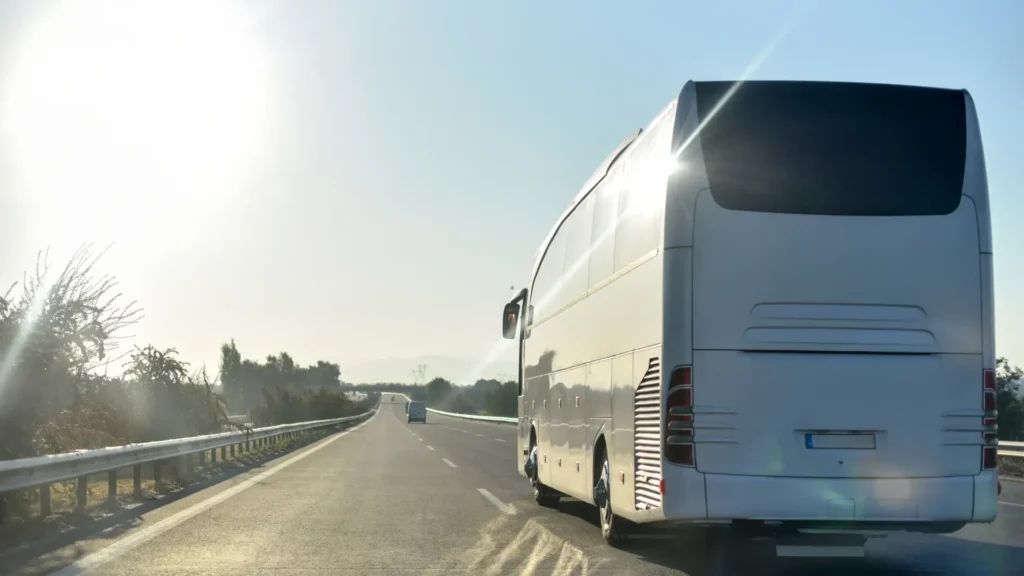
The city at 3:00 AM feels like an entirely different geography. For the freelance community and late-shift professionals, the Midnight Bus to Nowhere isn't just a spooky campfire story; it's a frustrating logistical bottleneck.
Advertisements
This myth thrives in the gap between what municipal schedules promise and what exhausted workers actually experience.
There is something deeply unsettling about standing under a flickering streetlight, watching a digital arrival board refresh indefinitely.
We are dissecting how these transit failures impact your professional stamina and mental health. This isn't just about buses; it's about the infrastructure of our survival in a 24/7 economy.
Summary
- Deconstructing the “ghost bus” phenomenon.
- The hidden tax of nocturnal commuting.
- Infrastructure as a barrier to freelance growth.
- Psychological traps of the “never-ending” workday.
- Tactical safety for the modern digital nomad.
What is the Midnight Bus to Nowhere in Modern Logistics?
In the cold light of logistics, the Midnight Bus to Nowhere refers to the systemic breakdown of “last-mile” connectivity.
When a city pulls back its resources after midnight, it effectively strands a significant portion of its workforce.
We often see these “phantom” routes on apps—vehicles that exist in code but never appear on the asphalt.
For those of us building careers outside the 9-to-5 bracket, these represent a massive oversight in urban planning gaps.
It's a functional void where your physical progress stops, even as your professional deadlines loom. This logistical “nowhere” is where time is lost and frustration takes root.
Urban planners in 2026 are finally admitting that these “ghost buses” are data glitches masking deep budget cuts.
When the bus doesn't show, the city is essentially telling its nocturnal residents that their time holds less value. For a freelancer, that lost hour is a direct hit to the night's profit margin.
Why do Remote Workers Experience the Midnight Bus to Nowhere Phenomenon?
Metaphorically, we've all boarded the Midnight Bus to Nowhere during a period of professional burnout. It's that haunting sensation of working fourteen-hour days while your bank account and career trajectory remain stubbornly stationary.
For digital professionals, the boundary between “office” and “home” often dissolves into a gray, perpetual haze.
This psychological loop mirrors the circular, unproductive routes of transit myths. You are moving, yes, but you aren't arriving.
Isolation amplifies this, turning a quiet apartment into a cabin on a bus that never reaches its destination. It's a specialized kind of exhaustion unique to the gig economy.
Breaking this cycle requires more than just a better schedule; it demands a radical complaint of your personal time.
When the lines blur, you lose the ability to distinguish between remaining and simply waiting for the next task. If you don't steer the bus, the “nowhere” becomes your permanent residence.
How does Poor Night Transit Impact Freelance Productivity?
Unreliable transportation acts as a silent tax on the independent worker. If you're relying on the Midnight Bus to Nowhere to get home from a networking event, you're gambling with your recovery time.
Every minute spent on a dark platform is a minute stolen from the deep sleep required for tomorrow's creative output.
The financial drain is equally real. When the public system fails, we are forced into the arms of surge-priced rideshares.
These unplanned expenses can quickly gut the earnings of a successful project. It's a cycle that penalizes those who choose—or are forced—to work unconventional hours.
+ Phantom Pizza Delivery: Ghostly Pizzas at Midnight
| Transit Factor | Impact on Freelancers | Economic Result |
| Frequency | Minimized downtime | Sharpens hourly ROI |
| Reliability | Predictable scheduling | Protects professional brand |
| Safety | Reduced cortisol levels | Sustains cognitive focus |
| Cost | Predictable overhead | Maximizes net income |
According to the Bureau of Transportation Statistics, transit equity is a primary driver of economic mobility in urban centers. Without a reliable way to move, the freelance dream of “work from anywhere” quickly turns into “stuck wherever you are.”
When Should Professionals Prioritize Commute Safety Over Cost?
There's a point where frugality becomes a liability. Attempting to catch the Midnight Bus to Nowhere to save ten dollars is a poor trade if it compromises your physical safety.
Your ability to work depends entirely on your well-being; Treating it as an afterthought is a rookie mistake.
Evaluate your routes with cold objectivity. If a stop is poorly lit or the wait times are erratic, that route is a threat to your business continuity.
Investing in a secure, private ride isn't a luxury—it's a necessary overhead cost for anyone operating in the night economy.
Many veterans in the remote work space now bake “safety fees” into their client rates. This mental shift treats transportation as a professional tool, like a high-end laptop or a stable internet connection.
If the infrastructure around you is failing, you have to build your own safety net.
Which Strategies Help Digital Nomads Avoid Transit Fatigue?
Avoiding the Midnight Bus to Nowhere requires a mix of tech-savviness and old-school intuition. Never trust a single app; cross-reference official transit data with real-time GPS trackers.
Knowing exactly where your ride is located prevents the soul-crushing experience of waiting for a phantom.
Strategic relocation is often the ultimate fix. Many digital nomads are now choosing “transit-oriented developments” that favor walking or reliable 24-hour rail over erratic bus lines. Living where the city stays awake can be the best career move you ever make.
Cultivate a “transit tribe.” Carpooling with other late-night workers doesn't just split the cost; it creates a layer of social accountability that makes the city feel smaller and safer.
Collaborative travel turns a lonely commute into a shared human experience, cutting through the isolation of the night.
+ The Lady of White Rock Lake: Texas Ghost Story
What are the Psychological Effects of the Midnight Bus to Nowhere?
The chronic uncertainty of a failing transit system mirrors the instability of the freelance hustle. When you can't trust the bus to show up, you start doubting other systems in your life.
This leads to a state of hyper-vigilance that is the fast track to a nervous breakdown.
That feeling of drifting into “nowhere” can bleed into your work, making even high-paying gigs feel meaningless.
It is a form of cognitive dissonance—working at the cutting edge of the digital world while being held back by decaying physical infrastructure. It's a jarring, exhausting way to live.
Combat this by anchoring your day in things you can control. Whether it's a morning ritual or a strict “screens off” policy, these boundaries act as the stops on your own personal map. They ensure that even if the bus is lost, you are not.
+ The Curse of the Crying Statue: Pilgrimage Panic
Reflections on the Nocturnal Career
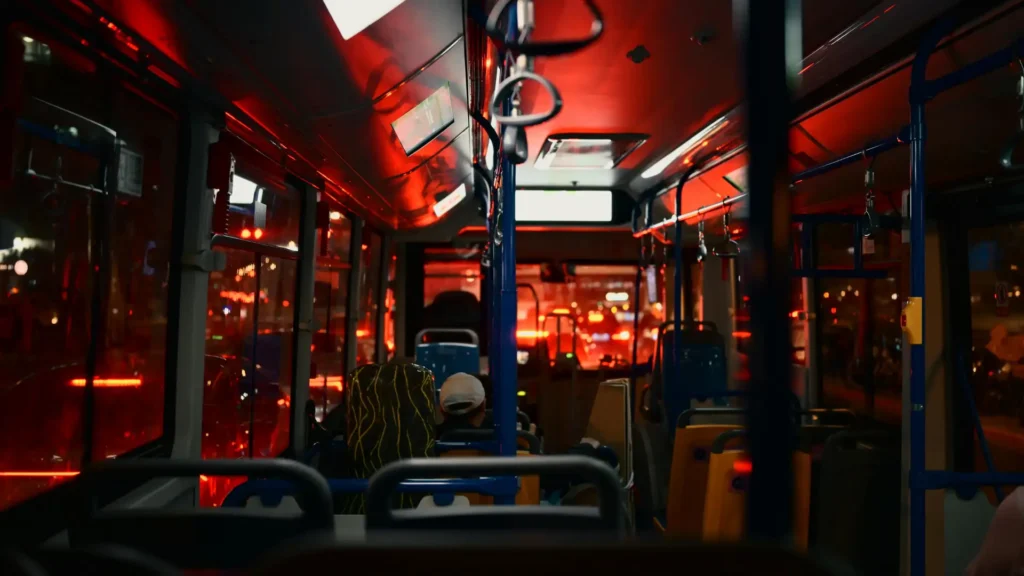
The Midnight Bus to Nowhere is a modern paradox about the friction between our digital ambitions and our physical reality.
It reminds us that while the internet never sleeps, our bodies and our cities certainly do. Navigating this successfully is the hallmark of a truly seasoned professional.
The goal isn't just to work more, but to move through the world with intention. Demand better from your city's infrastructure, but in the meantime, build the personal systems that keep you moving forward.
Your career is a journey; make sure you're the one deciding where it ends.
Prioritize the habits that sustain you for the long haul. For more on the physiological necessity of rest and its impact on your professional trajectory, explore the data at the Center for Disease Control and Prevention.
FAQ (Frequently Asked Questions)
What exactly is a “ghost bus”?
A ghost bus is a vehicle that appears on digital transit displays or apps due to automated scheduling but does not exist in reality. It is usually caused by a failure to manually update the system when a driver is absent or a vehicle breaks down.
How can I stay productive during long night commutes?
Shift your focus to low-energy tasks like listening to industry podcasts or dictated brainstorming. Avoid trying to do high-focus work on a moving bus, as the poor lighting and motion can increase eye strain and mental fatigue.
Is the “Bus to Nowhere” a real route in any city?
While some cities have circular routes that may feel endless, the term is largely an urban legend. It describes the feeling of being trapped in a transit system that is failing to meet the basic needs of its passengers.
How can freelancers advocate for better night transit?
Join local transit advocacy groups or attend municipal planning meetings. City planners often lack data on the “night economy” workforce, and sharing your specific needs can help influence future budget allocations.
Does working at night permanently damage health?
It can, if not managed with extreme care. Shift work disorder is a real concern; maintaining a consistent sleep schedule (even if it's during the day) and ensuring proper nutrition are vital for those avoiding the 9-to-5 life.
\