
How Parasitic Ant Control Behavior Hijacks Entire Colonies
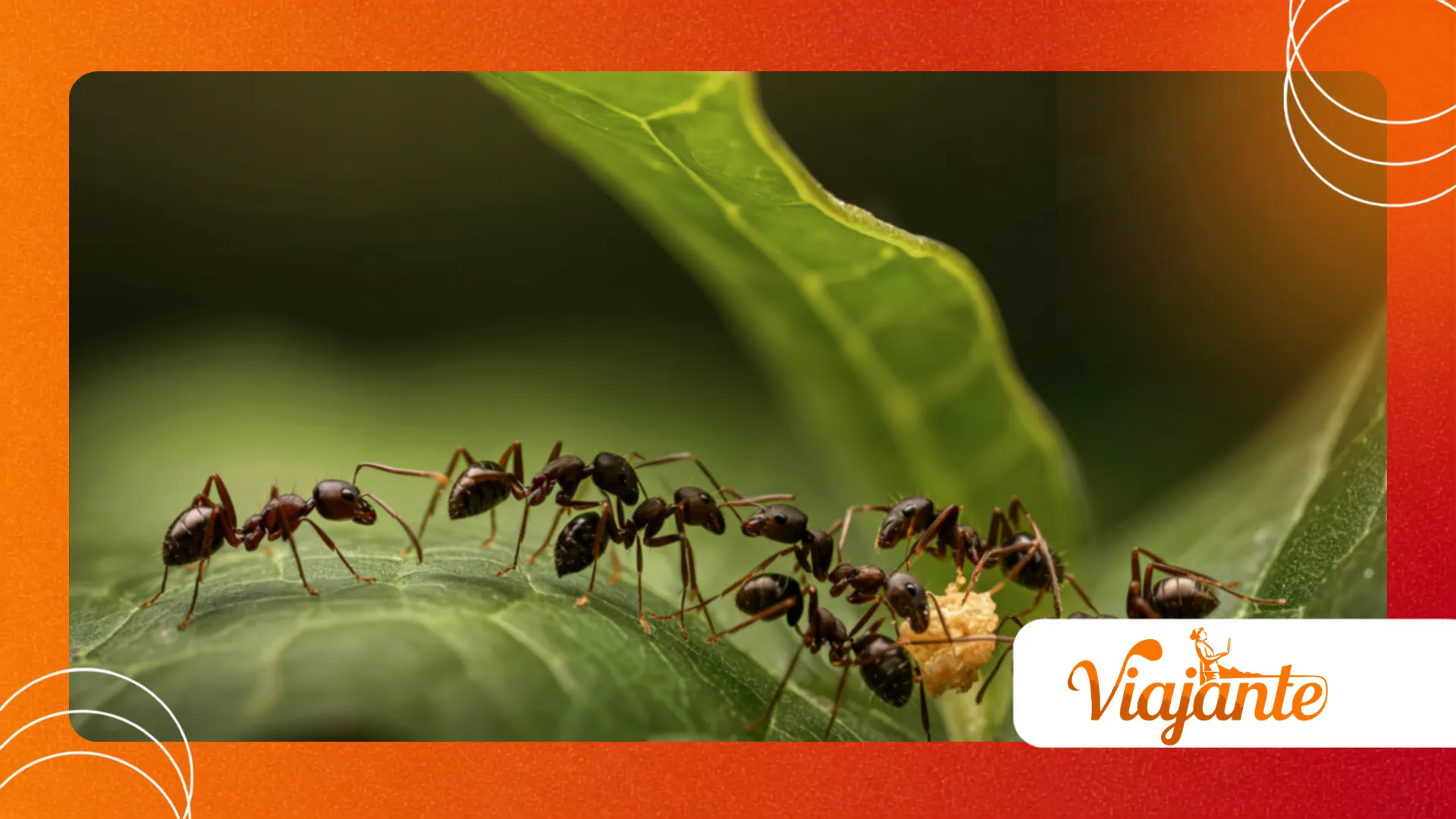
Parasitic ant control behavior represents one of nature’s most unsettling evolutionary phenomena, demonstrating how microscopic entities can manipulate highly complex social structures with terrifying precision.
Anúncios
There is something profoundly haunting about watching a collective masterpiece unravel from within.
Understanding these biological invasions reveals intricate mechanisms of chemical warfare, neurological hijacking, and behavioral modification that completely override an insect’s instinct for survival.
It forces us to question the very definition of individual autonomy in the animal kingdom.
This deep dive explores fungal pathogens, zombie dynamics, and the evolutionary defenses colonies deploy to survive, alongside an analytical comparison table and answers to essential frequently asked questions.
What Is Parasitic Ant Control Behavior in Nature?
Biological manipulation occurs when a specialized parasite alters a host’s actions to facilitate its own reproduction, inevitably driving the host toward a lonely death.
Fungal organisms like Ophiocordyceps unilateralis actively secrete specific chemical compounds that directly target the central nervous system of foraging carpenter ants.
These hijacked insects abandon their collective duties, climbing to precise heights on nearby vegetation to find the ideal microclimate for fungal development.
Once positioned, the infected host executes a terminal bite into a leaf vein, anchoring its body permanently while the fungus consumes its internal tissues.
This lethal process ensures the parasitic entity can distribute its reproductive spores over the remaining colony members walking directly underneath the death zone.
How Does This Biological Hijacking Affect the Colony?
The manifestation of parasitic ant control behavior threatens the stability of social insect populations by turning individual workers into biological weapons against their peers.
Healthy colonies recognize these behavioral deviations quickly, enforcing strict social immunity by expelling or destroying infected individuals before contamination spreads through nest chambers.
Chemical communication networks within the nest allow ants to identify subtle shifts in pheromone signatures, triggering rapid, ruthless defensive isolation protocols.
Despite these advanced collective defenses, aggressive pathogens successfully bypass standard security measures, causing significant disruption to daily foraging and nursery operations.
The endless evolutionary arms race between host resistance and parasitic efficiency drives continuous adaptations, constantly shaping the structural dynamics of modern insect societies.
Why Do Specific Pathogens Target Social Insects?
Social insects present an attractive target for opportunistic pathogens simply because their dense populations live in highly confined, humid subterranean environments.
High encounter rates within nest structures facilitate rapid transmission, making efficient resource exploitation easier for specialized parasites seeking stable, predictable hosts.
Furthermore, the highly predictable behavioral routines of worker units provide a reliable framework that evolutionary mechanisms can easily exploit over generations.
By manipulating a single worker, the parasite gains access to a vast network of resources and potential new victims without searching.
This strategic vulnerability highlights why complex social systems require continuous evolutionary innovations to prevent total systemic collapse from internal biological threats.
Which Species Exhibit Parasitic Ant Control Behavior Regularly?
While Ophiocordyceps remains the most famous example, diverse organisms utilize parasitic ant control behavior to complete their complex reproductive lifecycles effectively.
The lancet liver fluke, Dicrocoelium dendriticum, forces ants to climb blades of grass evening after evening until a grazing mammal accidentally consumes them.
Remarkably, if temperature levels rise too high during the daytime, the fluke commands the host to descend to avoid lethal dehydration.
Scientific research published by prestigious institutions demonstrates how these precise environmental adaptations maximize transmission success across varying ecosystems worldwide.
Academic studies shared via the official Harvard University platform confirm that genetic variations dictate how distinct fungal strains interact with regional host populations.
What Are the Neurological Mechanisms Involved?
Advanced microscopic imaging reveals that the invading fungal cells do not physically enter the host’s brain during the manipulation phase.
Instead, the fungal network forms an interconnected cellular lattice throughout the ant’s muscle fibers, controlling physical movement directly from the periphery.
Chemical signals penetrate the blood-brain barrier, altering gene expression and neurotransmitter levels to influence decision-making processes without destroying vital tissues.
This sophisticated separation allows the parasite to preserve the host’s locomotion systems until the absolute final objective is completely accomplished.
The resulting combination of physical coercion and chemical influence demonstrates the terrifying efficiency of evolutionary adaptations developed over millions of years.
When Did Parasitic Ant Control Behavior Evolve?
Fossilized leaves displaying characteristic diagnostic bite marks indicate that parasitic ant control behavior has existed for at least forty-eight million years.
Eocene epoch specimens confirm that ancient ecosystems faced identical micro-biological threats, proving the extreme longevity of this specialized survival strategy.
Over geological time scales, hosts develop complex defensive mechanisms while parasites continuously refine their chemical toolkits to maintain dominance.
This enduring relationship offers invaluable insights into co-evolutionary patterns, assisting modern biologists in understanding broader ecosystem dynamics and biodiversity trends.
Analyzing these ancient evolutionary pathways helps researchers predict how current climate changes might influence parasite distribution across vulnerable forest habitats.
++ The Secret Language Dolphins Use to Identify Each Other
How Do Different Parasites Compare in Strategy?
Examining distinct organisms reveals diverse methods utilized to exploit social insect colonies, showcasing varying levels of complexity and behavioral modification.
The following data table illustrates key characteristics of documented manipulation strategies observed across major parasitic groups in natural environments today.
++ Why Animal Behavioral Anomalies Are More Frequently Seen
| Parasite Species | Primary Host | Manipulation Mechanism | Final Target Outcome |
| Ophiocordyceps unilateralis | Camponotus leonardi | Muscle control via chemical cocktails | Spore release from high leaf |
| Dicrocoelium dendriticum | Formica fusca | Temperature-dependent nocturnal climbing | Ingestion by grazing mammals |
| Pandora formicae | Formica rufa | Forced elevation on vegetation | Fungal dispersal through canopy |
Why Understanding Parasitic Ant Control Behavior Matters Today
Investigating parasitic ant control behavior provides practical applications in biotechnology, pharmacology, and the development of advanced natural pest management systems.
The specific chemical compounds manufactured by manipulative fungi offer potential breakthroughs for neurological research and novel drug discovery initiatives.
Biologists utilize these highly targeted mechanisms to design eco-friendly agricultural solutions, controlling invasive insect populations without relying on toxic synthetic chemicals.
Furthermore, studying these complex natural systems deepens our collective understanding of biological networks, ecosystem resilience, and intricate organizational structures.
As research methodologies advance in 2026, scientists discover new layers of complexity within these ancient interspecies relationships every single day.
Why Is Investigating Parasitic Ant Control Behavior Crucial for Advanced
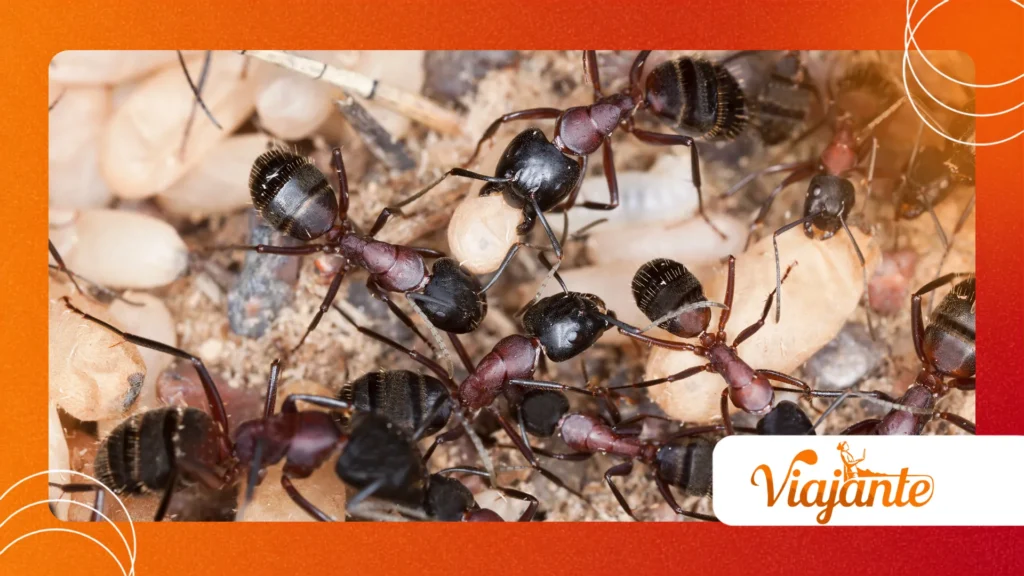
Studying parasitic ant control behavior unlocks massive potential for breakthrough medical research, especially in uncovering how specific neurochemicals manipulate complex physical motor functions.
Scientists analyze these precision fungal molecules to design next-generation targeted drug delivery systems capable of treating human motor disorders safely.
Nature provides the ultimate blueprint for biochemical engineering, forcing modern researchers to rethink how we interact with complex neurological systems today.
How Does Climate Change Shift the Reach of Parasitic Ant Control Behavior?
Environmental warming triggers unprecedented shifts in forest ecosystems, expanding the geographic territory where parasitic ant control behavior alters vulnerable insect populations.
Rising global temperatures allow fungal pathogens to thrive in high-altitude zones previously too cold for microscopic reproductive spores to survive.
This geographical expansion forces naive ant populations into sudden evolutionary battles against highly sophisticated biological threats they have never encountered before.
++ Animals That Changed the Course of Human History
Frequently Asked Questions
Can these parasites infect humans or larger mammals?
No, these specific organisms are highly specialized to interact exclusively with particular insect nervous systems and cannot harm human beings.
How do colonies protect themselves from widespread infection?
Ants practice active social immunity, detecting abnormal pheromones and physically removing infected individuals from nest areas to preserve health.
Does the infected ant experience physical pain during manipulation?
Scientific evidence suggests that while muscle coordination is hijacked, the sensory experiences of the insect remain difficult to quantify precisely.
What triggers the final terminal bite behavior in hosts?
Specific synchronized chemical signals released by the mature fungus compel the host to lock its mandibles onto plant tissue permanently.
Are all ant species vulnerable to these fungal pathogens?
No, evolutionary specialization means each parasitic strain generally targets only a few closely related host species within a local ecosystem.
What Are the Broader Ecological Impacts of Hijacked Colonies?
When parasitic ant control behavior reduces local worker populations, it indirectly influences soil aeration, seed dispersal, and regional nutrient cycling processes.
Keystone predatory species that rely on abundant ant populations must adapt their foraging habits when local colonies face severe fungal outbreaks.
This intricate web of interactions demonstrates how microscopic pathogens exert significant top-down control over macro-level forest community compositions and stability.
Conclusion
The study of parasitic ant control behavior illuminates the breathtaking, terrifying precision of evolutionary adaptation operating continuously within our natural world.
By examining these complex biological phenomena, we gain essential insights into systemic defense, collective resilience, and the delicate balance of ecosystems.
For further authoritative research on evolutionary biology and insect dynamics, visit the official science portal of the National Science Foundation.
\