
How Pangolins Became the World’s Most Trafficked Mammals
Wildlife trafficking networks exploit global supply chains at an unprecedented rate, threatening biodiversity and ecosystems across multiple continents while fueling illegal international trade operations every single day.
Anúncios
Over the past decade, organized poaching networks systematically targeted lesser-known species, turning vulnerable wild pangolins into lucrative commodities for international black markets operating across global transit hubs.
Below, you will explore the precise factors driving illegal trade, the mechanics of international smuggling networks, trade data across regions, conservation efforts, and key regulatory solutions.
What Drives the Massive Global Demand for Pangolins?
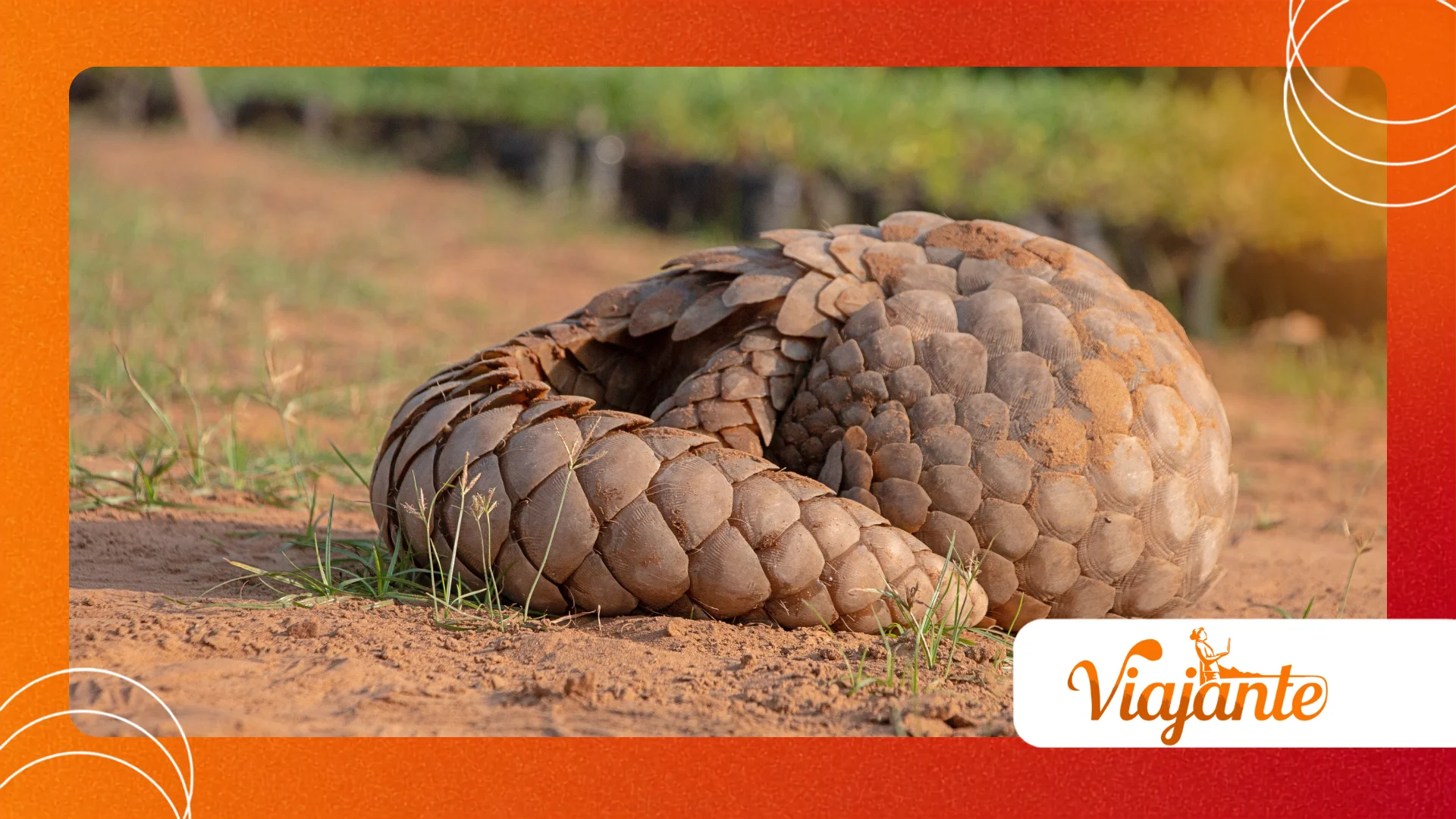
Consumer markets across East Asia fuel relentless demand for these elusive creatures, primarily driven by deep-rooted traditional medicine practices and high-end luxury bushmeat consumption in urban centers.
Keratin scales cover these unique pangolins, creating a widespread misconception that their bodily armor possesses curative properties for various human ailments despite lacking scientific validation or medical efficacy.
High commercial value turns wild harvesting into a lucrative financial opportunity for rural poachers, who operate within impoverished regions lacking strong regulatory enforcement or economic alternatives.
In addition to traditional remedies, elite dining establishments offer exotic meat items as status symbols, creating constant market pressure that incentivizes illicit international supply chains worldwide.
Why Are Pangolins Particularly Vulnerable to Commercial Exploitation?
Solitary lifestyle and nocturnal behaviors make scientific monitoring extremely challenging, leaving conservationists without precise baseline population data needed to quantify overall losses across native habitats accurately.
Captive breeding programs consistently fail due to specialized dietary requirements, high stress levels, and low reproduction rates, making commercial farming impossible and increasing wild pressure.
Slow gestation periods yield only one offspring per year, preventing natural pangolins populations from recovering effectively when commercial poaching pressure removes reproductive adults from wild forest ecosystems.
According to trade monitoring reports published by IUCN Red List of Threatened Species, all eight species currently face elevated extinction risks due directly to continuous overexploitation.
What Key Conservation Strategies Are Saving Pangolins From Extinction?
Protecting these unique scales requires a multi-layered approach that addresses both local poaching incentive structures and widespread international criminal supply networks.
Rangers now use satellite imagery and predictive algorithms to patrol high-risk forest zones, stopping illegal setting of wire snares before wild populations suffer irreversible damage.
Equally crucial are global partnerships that combine wildlife DNA profiling with advanced customs border screening, ensuring intercepted scale shipments lead directly to the prosecution of smuggling syndicates.
How Do Illicit Trafficking Networks Smuggle Pangolins Across Borders?
Poachers capture wild specimens throughout Sub-Saharan Africa and Southeast Asia using simple wire snares, taking advantage of nocturnal habits and defenseless natural curling mechanisms during capture.
Transnational criminal syndicates utilize fraudulent shipping manifests, mislabeling containerized cargo as legal agricultural goods or recycled plastics to bypass routine customs inspections at international borders.
Intermediate maritime hubs across Maritime Southeast Asia facilitate complex cargo transfers, obscuring origin points before shipments land at primary destination markets in East Asia safely.
++ The Secret Life of Basking Sharks Beyond Shark Week
Regional Breakdown of Trafficking Drivers and Exploitation Status
Understanding geographical dynamics clarifies how regional pressures combine to accelerate global population declines across both Asian and African native habitats.
++ Why Colobus Congoensis Monkey Is Africa’s Newest Primate
| Species Name | Native Region | Primary Threat Factor | CITES Protection Level |
| Sunda Pangolin | Southeast Asia | Asian Traditional Medicine & Meat | Appendix I (Strict Prohibition) |
| Philippine Pangolin | Philippines | Local Habitat Loss & Local Poaching | Appendix I (Strict Prohibition) |
| Chinese Pangolin | East Asia | Historical Over-harvesting | Appendix I (Strict Prohibition) |
| Indian Pangolin | South Asia | Regional Trafficking & Leather | Appendix I (Strict Prohibition) |
| White-bellied Pangolin | West/Central Africa | Commercial Scale Export to Asia | Appendix I (Strict Prohibition) |
| Black-bellied Pangolin | Central Africa | Forest Clearing & Export Networks | Appendix I (Strict Prohibition) |
| Giant Ground Pangolin | West/Central Africa | International Scale Smuggling | Appendix I (Strict Prohibition) |
| Temminck’s Ground Pangolin | Southern/Eastern Africa | Local Bushmeat & Regional Trade | Appendix I (Strict Prohibition) |
Which International Laws Protect Pangolins From Total Extinction?

Global regulatory bodies enacted strict commercial bans to protect remaining populations, elevating all eight species of pangolins to Appendix I status under CITES international treaties during 2016.
National legislation across several range states increased criminal penalties, classifying illicit wildlife possession alongside major transnational crimes to deter organized syndicates operating in rural areas.
DNA forensics and customs detection dogs now assist law enforcement agencies at key maritime ports, allowing border officials to intercept concealed scale shipments effectively during transit.
Public awareness campaigns actively target consumer centers, educating younger generations about scientific realities while debunking ancient medicinal myths surrounding scaly mammal consumption in regional markets.
++ Why Axolotls Can Regrow Nearly Every Body Part
Summary of Global Anti-Trafficking Initiatives
- CITES Appendix I Listing: Complete international ban prohibiting all commercial trade in wild-caught specimens or scales.
- DNA Forensics Tracking: Advanced genetic mapping helps law enforcement pinpoint exact origin points for seized illegal shipments.
- Customs Detection Canine Units: Trained dogs identify hidden scale cargo at high-volume container ports and air freight terminals.
- Community Guard Programs: Local rangers receive steady financial compensation to protect natural forest habitats from poaching syndicates.
- Demand Reduction Campaigns: Educational initiatives directly target consumer markets to reduce cultural reliance on traditional animal medicine.
Conclusion
Stopping the collapse of these unique pangolins requires coordinated international law enforcement, strict border inspections, total trade bans, and sustained public education across all consumer nations worldwide.
Protecting biodiversity demands constant vigilance against transnational organized crime syndicates that prioritize short-term commercial profits over global ecological stability and long-term wildlife preservation.
To learn more about active field conservation projects, visit the official Convention on International Trade in Endangered Species of Wild Fauna and Flora platform today.
Frequently Asked Questions (FAQ)
What are the main uses for traded pangolin parts?
Consumers primarily demand scales for traditional medicinal remedies, while restaurants serve the meat as an expensive exotic delicacy symbolizing high social status within select regional urban markets.
Can pangolins be sustainably farmed to meet market demand?
No, captive breeding remains ecologically unviable because these animals require specialized ant diets, experience extreme stress in captivity, and maintain very low natural reproduction rates in artificial environments.
How do seizures help law enforcement combat illegal trade?
Intercepting illicit container shipments disrupts criminal supply chains, yields valuable intelligence regarding smuggling routes, and allows forensic experts to trace genetic material back to specific poaching hotspots.
\