
How Lost Geological Worlds Remain Hidden Underground
Beneath our feet lies a hidden history spanning billions of years, preserved deep within the Earth’s crust.
Anúncios
Ancient tectonic plates, fossilized landscapes, and forgotten subterranean ecosystems show how Lost Geological Worlds remain concealed beneath modern soil and oceans.
Subsurface imaging techniques, seismic tomography, and deep-core drilling now allow geoscientists to map these subterranean structures without excavating.
Modern geological research continually reveals how ancient landmasses, submerged continents, and isolated subterranean caves survive under immense lithospheric pressure.
In this guide, you will learn how subterranean structures form, which imaging technologies reveal ancient rock layers, how extreme ecosystems thrive inside deep caverns, and why understanding subterranean geology matters today.
What Are Lost Geological Worlds Beneath Earth Crust?
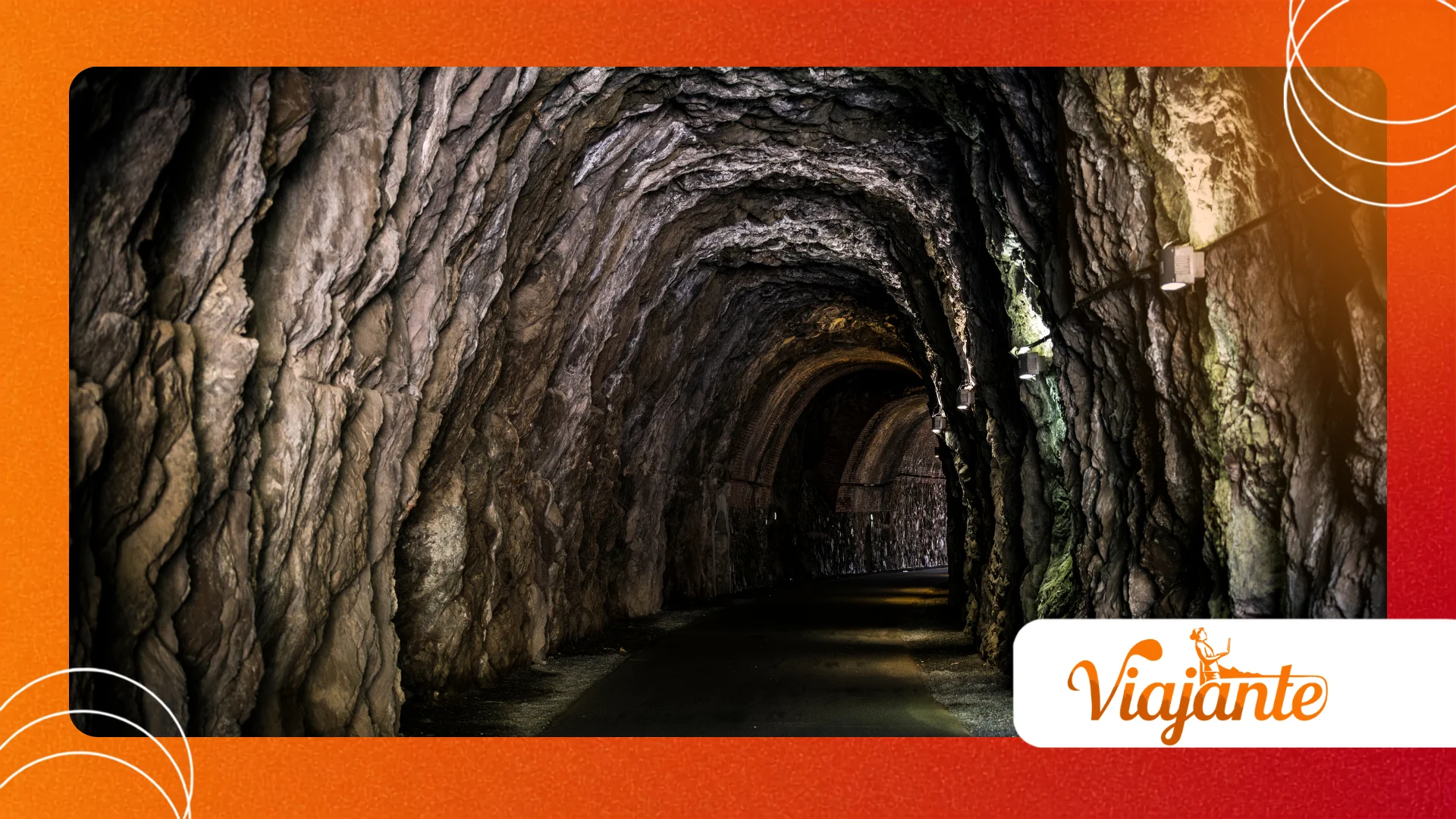
Scientists define these subterranean realm fragments as ancient landscapes, tectonic remnants, or isolated ecosystems buried deep beneath younger sedimentary strata.
Over millions of years, continental drift and volcanic activity covered vast surface environments under thick layers of solid rock.
Plate tectonics continuously reshapes the planet, driving older oceanic and continental crust beneath shifting tectonic plates through subduction.
These subterranean rock formations preserve geochemical records, fossilized micro-organisms, and physical structures from prehistoric eras, offering valuable clues about ancient atmospheric conditions.
Geologists frequently discover these hidden layers during deep seismic surveys and hydrocarbon exploration projects.
Studying Lost Geological Worlds helps researchers map ancient climate patterns and trace the structural evolution of Earth over billions of years.
++ Why Ancient Domestication Mysteries Still Puzzle Scientists
How Do Geological Structures Remain Hidden Underground?
Deposition, sedimentation, and volcanic basalt flows steadily cover surface landscapes over geological epochs.
As rivers carry silt toward ocean basins and volcanoes discharge ash, successive layers bury older terrain without destroying its underlying structural framework.
Lithospheric pressure and geothermal heat gradually convert loose sediment into solid sedimentary rock through lithification.
Deep underground, low oxygen levels and stable temperature conditions protect these ancient formations from erosion, preserving structural details across hundreds of millions of years.
Subduction zones also drag entire continental fragments into Earth’s mantle, creating subterranean anomalies known as mantle blobs or slabs.
These deep seismic anomalies remain structurally intact thousands of kilometers beneath the active surface layer.
++ The Mystery of Deep Ocean Mud Volcanoes Explained
Which Technologies Discover Hidden Subterranean Realms?
Geophysicists utilize advanced seismic reflection profiles to map subterranean rock boundaries without drilling physically.
By analyzing bounce-back acoustic waves generated by controlled sound shocks, algorithms compute high-resolution three-dimensional models of deep geological strata.
Satellite gravity mapping detects subtle variations in Earth’s gravitational pulling force caused by subterranean density differences.
Researchers identify buried impact craters, subterranean ocean basins, and dense mineral deposits by cross-referencing global gravity anomalies.
Deep core drilling extracts intact physical samples directly from ancient subterranean rock formations miles below ground.
According to research published by the United States Geological Survey, borehole sensors measure heat flux, magnetic orientation, and geochemical composition within subterranean formations.
| Geological Feature | Typical Depth Range | Primary Discovery Method | Key Scientific Insight |
| Submerged Microcontinents | 1,000 m – 4,000 m | Seismic Reflection Profiling | Tectonic break-up dynamics |
| Subglacial Hydrological Basins | 2,000 m – 4,000 m | Ice-Penetrating Radar | Pre-glacial climate records |
| Deep Biosphere Microbial Caves | 500 m – 3,000 m | Borehole Isotope Analysis | Extremophile evolutionary pathways |
| Subducted Mantle Slabs | 660 km – 2,900 km | Global Seismic Tomography | Ancient plate boundary motion |
Why Do Ancient Landscapes Survive Extreme Subsurface Pressure?
Rock layers experience tremendous compressive stress from overlying tectonic loads deep inside Earth’s lithosphere. However, hydrostatic fluid pressure within porous rock voids balances external weight, preventing structural collapse across millions of geological years.
Crystalline granite and basalt formations possess high compressive strength, allowing subterranean caverns, fissures, and ancient faults to endure.
Furthermore, mineral-rich groundwater deposits silica and calcite inside rock fractures, naturally reinforcing delicate subterranean structures.
Stable cratons, which form the thick roots of ancient continents, shield internal geological layers from severe tectonic deformation.
Understanding these durable zones explains how Lost Geological Worlds survive intact beneath active volcanic belts and shifting surface mountains.
Where Are the Most Famous Subterranean Geological Sites?
Zealandia represents a massive submerged continent that sank beneath the Pacific Ocean millions of years ago after separating from Gondwana.
Nearly ninety-four percent of this continental mass sits underwater, hidden beneath ocean sediment and deep marine layers.
Antarctica harbors Lake Vostok, a vast subglacial freshwater body sealed under four kilometers of ice for millions of years.
Geologists consider Lake Vostok an isolated subterranean ecosystem preserved in total dark isolation under extreme ice sheet pressure.
The Movile Cave system in Romania lay isolated from surface light and oxygen for over five million years.
Researchers discovered an independent chemosynthetic ecosystem thriving on hydrogen sulfide gas within this underground limestone complex.
When Do Subterranean Ecosystems Form in Deep Caverns?
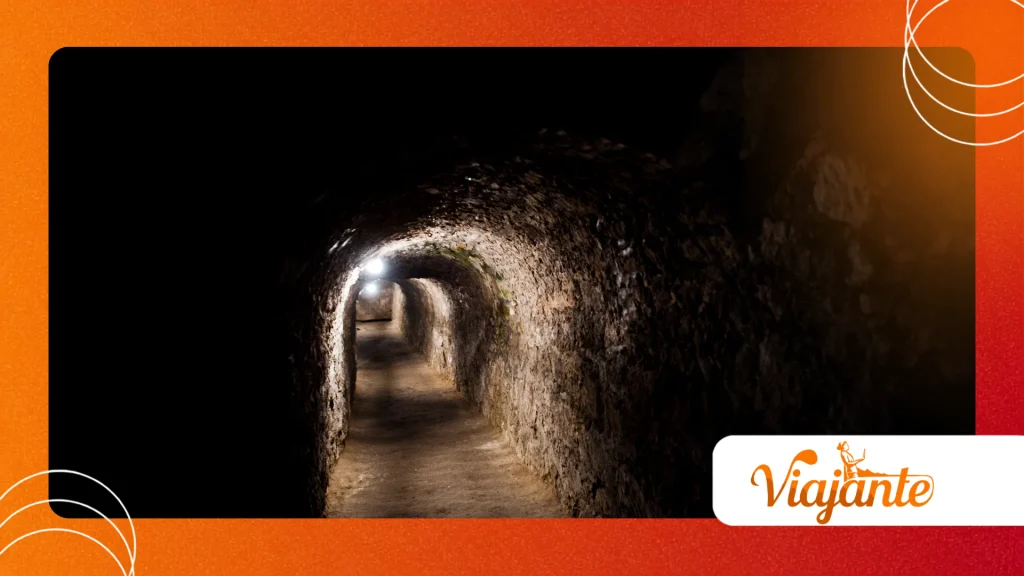
Isolated underground environments develop when tectonic shifts or lava flows block surface openings to cavern systems.
Deprived of sunlight, these subterranean biological habitats rely entirely on chemical energy, sulfur oxidation, and chemoautotrophic bacteria for life support.
Deep subsurface microbial life thrives miles beneath the soil surface within tiny rock pores and water fractures.
Micro-organisms extract metabolic energy from chemical reactions between groundwater and surrounding minerals, completely independent of solar energy.
Geobiologists collect water samples from deep mines in South Africa and Canada to study these ancient subsurface microbes. Studying extremophiles reveals how primitive organisms survived harsh conditions early in planetary evolution.
++ How to Get a Personal Loan With Fair Credi
How Does Subsurface Research Benefit Modern Earth Science?
Analyzing subterranean geology assists energy companies and environmental scientists in locating critical groundwater reserves and geothermal energy fields.
Accurate subsurface geological maps reduce drilling hazards while optimizing sustainable extraction of essential transition minerals.
Subterranean formations also provide safe storage sites for permanent carbon dioxide sequestration projects inside basalt layers.
Injecting captured carbon dioxide into deep porous rock sequesters carbon, preventing atmospheric emissions from fueling climate change.
Continuous exploration beneath Earth’s crust reveals new insights into planetary dynamics, earthquakes, and resource management.
Uncovering Lost Geological Worlds ultimately helps humanity understand Earth’s past while securing vital resources for sustainable technological growth.
For further scientific documentation on deep earth exploration, consult the comprehensive studies available at the National Science Foundation.
Conclusion
Deep subterranean exploration continues to reshape our understanding of Earth’s complex geological evolution.
Advanced seismic tools, core drilling techniques, and satellite gravity analysis routinely reveal forgotten continents, isolated ecosystems, and ancient tectonic plates buried miles underground.
Protecting and studying these subterranean natural archives provides vital solutions for carbon capture, groundwater management, and geothermal energy development.
As subsurface imaging technology improves, geoscientists will undoubtedly uncover more hidden geological treasures deep within our dynamic planet.
FAQ (Frequently Asked Questions)
What is a lost geological world?
It is a subterranean landmass, fossilized ecosystem, or ancient rock structure buried deep beneath Earth’s crust and preserved over millions of years.
How do scientists discover buried continents underground?
Geophysicists use seismic tomography, acoustic reflection waves, core sample analysis, and satellite gravity anomaly mapping to identify deep subsurface structures without physical excavation.
Can living organisms survive in isolated underground caves?
Yes, chemosynthetic bacteria and extremophile species survive in dark underground caves by converting chemical compounds, like hydrogen sulfide and methane, into biological energy.
\