
Cursed Paintings: Art That Kills

Cursed paintings often occupy the thin, unsettling boundary between historical documentation and the profound psychological impact of visual art on the collective human subconscious.
Anúncios
Through centuries, certain canvases have earned reputations for bringing misfortune, unexplained fires, or sudden illness to those who dare to display them.
This phenomenon challenges our modern rationality, forcing us to wonder if a brushstroke can truly trap a fragment of a creator’s torment or if the canvas itself acts as a mirror for our own deepest, unacknowledged anxieties.
To look at these works is to participate in a silent, high-stakes dialogue between the observer’s sanity and the artist’s potential madness.
Summary of Contents
- Defining the Phenomenon of Haunted Art
- Scientific Perspectives vs. Supernatural Claims
- Historical Analysis of Notorious Works
- Comparative Data of Infamous Pieces
- Modern Safety Measures for Art Collectors
- Frequently Asked Questions
What are cursed paintings in the context of art history?
When we discuss cursed paintings, we refer to artworks associated with consistent reports of negative phenomena that transcend mere coincidence or statistical probability.
These pieces often carry heavy emotional weight, frequently stemming from the artist’s personal trauma or the intense circumstances during the work’s creation.
Historians categorize these objects as “charged” artifacts, where the cultural narrative surrounding the piece becomes inseparable from the physical canvas and pigment itself.
While skepticism remains high, the consistent documentation of events surrounding these works continues to fascinate researchers and paranormal investigators worldwide.
The concept suggests that intense human emotion can be captured within the medium, affecting the environment where the art resides for generations.
This belief persists across various cultures, linking aesthetics with metaphysical consequences that defy traditional materialist explanations of the world.
Why do certain artworks trigger negative physical reactions?
Scientific inquiry suggests that the dread associated with cursed paintings might stem from psychological priming and the “uncanny valley” effect.
When viewers encounter portraits with hyper-realistic eyes, their brains may register a predatory threat, triggering an immediate sympathetic nervous system response.
Furthermore, some older pigments contained toxic substances like arsenic or lead, which could cause hallucinations or physical illness when stored in poorly ventilated rooms.
This biological reality provides a grounded explanation for some historical accounts of “malice” emanating from a specific framed canvas.
The power of suggestion, or the nocebo effect, also plays a critical role in how we perceive these legendary objects today.
If a collector believes a painting is dangerous, their brain will hyper-focus on any negative event, attributing it directly to the art.
Which are the most documented cursed paintings in history?
The “Crying Boy” series by Giovanni Bragolin remains a primary example of mass hysteria or genuine anomaly within the niche of cursed paintings.
During the 1980s, British tabloids reported numerous house fires where the only item left untouched was this specific mass-produced print.
Another significant piece is “The Hands Resist Him” by Bill Stoneham, which gained notoriety on eBay for allegedly moving during the night.
New owners reported that the characters within the painting would physically step out of the frame, causing immense psychological distress to children.
We must also consider “The Dead Mother” by Edvard Munch, which viewers claim emits the sound of rustling bedsheets.
Munch’s work often channeled his profound grief, and many believe this specific energy remained tethered to the oil and canvas long after his death.
+ Haunted Road Signs: Driving Superstitions Worldwide
How does the art world manage high-risk artifacts?
Museums and private galleries often utilize specific protocols when handling cursed paintings to ensure both the physical preservation of the piece and the mental well-being of the staff. Curators frequently document every anomaly associated with the artwork’s provenance.
For more information on how cultural institutions categorize and study these unusual historical narratives, you can explore the Smithsonian Institution’s archives, which provide deep insights into the intersection of history and human folklore.
Handling these items requires a balance between professional skepticism and respect for the anecdotal evidence provided by previous owners.
Some institutions even choose to keep certain works in climate-controlled storage, away from public view, to avoid potential liability or distress among visitors.
Technical Comparison of Infamous Works
| Painting Title | Artist | Primary Reported Effect | Current Location |
| The Crying Boy | Giovanni Bragolin | Recurring House Fires | Private Collections |
| The Hands Resist Him | Bill Stoneham | Moving Figures | Perception Gallery |
| The Anguished Man | Unknown | Dark Figures / Screams | Private Storage (UK) |
| Love Letters | Richard King | Nausea / Dizziness | The Driskill Hotel |
| The Dead Mother | Edvard Munch | Auditory Hallucinations | Kunsthalle Bremen |
What are the psychological implications of owning haunted art?
Collectors drawn to cursed paintings often seek a tangible connection to the unknown, finding beauty in the darker aspects of human existence.
However, the psychological burden of living with a supposedly malevolent object can lead to chronic stress and sleep deprivation.
Cognitive dissonance occurs when an individual admires a work of art while simultaneously fearing its alleged influence on their environment.
This internal conflict can manifest as physical symptoms, reinforcing the legend that the object itself possesses some form of sentient, negative agency.
Ultimately, the value of these paintings lies in their ability to evoke a visceral response that most art cannot achieve.
Whether the curse is spiritual or psychological, the impact on the viewer remains a testament to the undeniable power of visual storytelling.
+ The Midnight Bus to Nowhere: Urban Transit Myth
How can collectors identify potentially dangerous artworks?
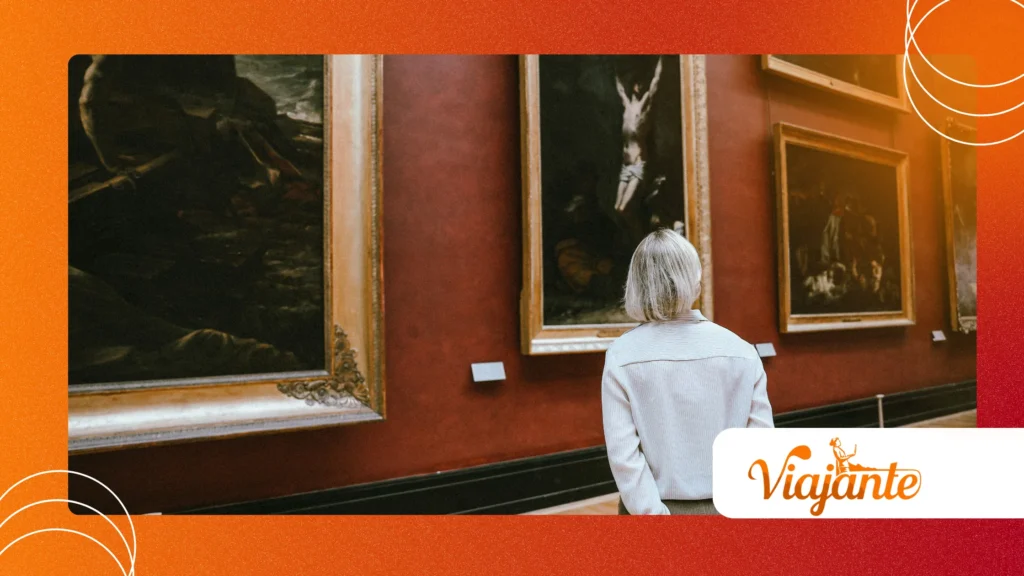
Identifying cursed paintings requires a thorough investigation into the provenance and the life of the artist during the period of creation.
Look for patterns of tragedy, sudden deaths, or financial ruin among previous owners that deviate from standard life patterns.
Physical cues can also be telling, such as an unusual level of deterioration that defies restoration efforts or strange odors emanating from the frame. Expert appraisers often look for hidden layers of paint that might suggest the artist was trying to hide a disturbing original image.
Trusting your intuition is paramount when purchasing antique art; if a piece evokes an immediate sense of “wrongness,” it may be best to leave it behind.
Most reputable dealers will be transparent about a painting’s history, especially if it has a reputation for being problematic.
+ The Monkey’s Paw: Classic Cursed Object Tale
When did the legend of “The Anguished Man” begin?
The story of “The Anguished Man” surfaced prominently in the early 2010s, though the painting itself is much older and allegedly contains human blood.
The owner’s grandmother kept it hidden for decades, claiming the artist committed suicide immediately after finishing the disturbing, red-toned portrait.
Modern digital analysis has failed to debunk the strange shadows and noises captured in videos featuring this specific example of cursed paintings.
While some critics claim it is an elaborate hoax, the physical reactions of those who see it in person remain consistently negative.
The painting serves as a modern memento mori, reminding us that art is often a reflection of the darkest corners of the human soul.
Its existence continues to spark debates among skeptics and believers regarding the permanence of emotional imprints on physical matter.
Conclusion
The fascination with cursed paintings reveals a deeper human need to find meaning in the unexplainable and to respect the power of creative expression.
While science offers many logical explanations, the persistent legends surrounding these canvases continue to haunt our cultural landscape and influence modern media.
Whether these effects are caused by toxic pigments, psychological triggers, or genuine supernatural phenomena, the stories remain a vital part of art history.
By approaching these works with a mix of curiosity and caution, we can appreciate their complexity without succumbing to the fear they often inspire.
For those interested in the rigorous study of unusual phenomena and their impact on global culture, the Committee for Skeptical Inquiry offers a wealth of peer-reviewed articles analyzing paranormal claims through a scientific lens.
FAQ (Frequently Asked Questions)
Can a painting really cause physical harm?
While there is no scientific proof of supernatural harm, toxic materials in old paints or extreme psychological stress caused by a disturbing image can lead to genuine health issues for the viewer.
Why do people keep paintings that are supposedly cursed?
Some collectors are drawn to the thrill of the unknown, while others view these works as valuable historical artifacts that deserve preservation despite their dark and unsettling reputations.
Is it safe to view images of these paintings online?
Digital images lack the physical presence and potential chemical off-gassing of the original works, making them generally safe to view for anyone interested in the history of haunted art.
How do I get rid of a cursed painting responsibly?
Experts suggest donating the piece to a paranormal research group or a museum specializing in curiosities, rather than simply throwing it away, which can sometimes lead to the item being rediscovered.
Are there any cursed paintings in famous museums?
Yes, many world-renowned museums hold works, such as those by Edvard Munch or Francisco Goya, that have long histories of disturbing visitors or museum staff during their exhibition periods.
\