
How Urban Coyotes Behavior Is Changing Survival Tactics
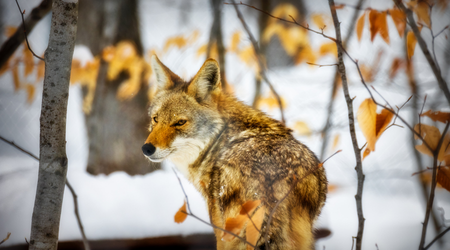
Urban environments now function as unintended laboratories where nature adapts at high speeds. These resilient canines have moved beyond rural borders, mastering the concrete jungle through cognitive shifts and dietary flexibility.
Anúncios
Understanding urban coyotes behavior requires looking past old myths about wild predators. This guide explores their nocturnal shifts, social structures, and the tactical intelligence allowing them to thrive alongside dense human populations.
Summary of Key Insights
- Adaptations in circadian rhythms and movement.
- New dietary patterns and foraging strategies.
- Changes in pack dynamics and social interaction.
- Safety protocols for residents and pet owners.
What Is Driving the Evolution of Urban Coyotes Behavior?
The primary driver is the sheer abundance of resources found within metropolitan areas. Coyotes are no longer just passing through; they are establishing permanent territories in parks and suburban corridors.
Modern urban coyotes behavior is characterized by “clever opportunism,” where the animals learn to navigate traffic lights.
They utilize railway tracks and drainage culverts as private highways to avoid human detection.
Selection pressure favors bolder individuals who can tolerate high-decibel environments without panic. This emotional regulation is a hallmark of the species’ successful transition from the open plains to the cityscape.
How Does Nocturnal Adaptation Influence Their Survival?
While naturally crepuscular, these animals have become strictly nocturnal in cities to minimize conflict. This shift allows them to hunt and move through residential backyards while humans are safely asleep.
By altering their active hours, they avoid the stress of visual encounters with people. This temporal niche partitioning is a sophisticated response that defines current urban coyotes behavior in North America.
Nighttime provides a cooler environment and less auditory interference, allowing for better communication. Their iconic howls now bounce off skyscrapers, serving as territorial markers in an increasingly crowded, artificial world.
Why Are Urban Coyotes Thriving Better Than Their Rural Peers?
Research indicates that city-dwelling canines often have higher pup survival rates than those in the wild. This paradox stems from the consistent availability of water and diverse anthropogenic food sources.
Stability in food supply reduces the energy expenditure usually required for long-distance hunting. Consequently, urban coyotes behavior has shifted toward smaller, more localized home ranges compared to their rural counterparts.
The absence of larger apex predators like wolves or cougars provides a safe vacuum. In this ecological gap, the coyote reigns supreme, acting as a crucial regulator of rodent populations.
Comparative Survival Metrics: Urban vs. Rural
| Metric | Urban Environments | Rural Environments |
| Average Lifespan | 10–13 Years (with care) | 6–8 Years |
| Home Range Size | 2–5 Square Miles | 20–40 Square Miles |
| Primary Diet | Rodents, Fruit, Waste | Rabbits, Ungulates, Insects |
| Activity Peak | 11 PM – 4 AM | Dawn and Dusk |
Which Dietary Shifts Define Modern Urban Coyotes Behavior?
The myth that these animals survive solely on pets is largely debunked by fecal analysis. Most city coyotes maintain a diet consisting primarily of rats, mice, and fallen fruit.
However, they have learned to recognize bird feeders and compost bins as reliable snack stations. This dietary plasticity is a core component of urban coyotes behavior that ensures their long-term caloric stability.
According to the Urban Coyote Research Project, their presence actually reduces the prevalence of zoonotic diseases by controlling pest populations. This ecological service is often overlooked by fearful residents.
What Are the Social Dynamics of City Packs?
Social structures in the city are surprisingly stable, often revolving around a monogamous alpha pair. These leaders manage the pack’s movements and ensure that younger members learn the local geography.
Unlike rural packs that may hunt larger prey together, city groups often forage individually. This prevents drawing unwanted attention to the group while maximizing the discovery of scattered food sources.
Communication within the pack involves complex vocalizations tailored to the acoustics of the urban landscape. They have adapted their frequency to be heard over the low-frequency hum of city traffic.
+ Opossums’ Immunity: Why They Don’t Get Rabies
How Do They Navigate Complex Human Infrastructure?
One of the most fascinating aspects of urban coyotes behavior is their understanding of human barriers. They view fences not as dead ends, but as tactical challenges to be jumped or tunneled.
GPS collar data reveals that they frequently use greenbelts and power line easements for stealthy travel. These corridors provide enough cover to move between hunting grounds without ever crossing an open street.
When they must cross roads, many individuals have learned to wait for gaps in traffic. This high-level cognitive processing suggests a degree of environmental awareness previously thought impossible for non-primates.
+ Birds That ‘Sow’ the Forests: Role in Seed Dispersal
When Should Residents Be Concerned About Coyote Presence?
Coyotes generally fear humans and will go to great lengths to avoid direct physical contact. Concern should only arise when an animal loses its natural wariness, a process called habituation.
Habituation usually occurs when people intentionally or unintentionally leave food out for the wildlife. At this stage, urban coyotes behavior can become bold, leading to more frequent daytime sightings and proximity.
Effective management involves “hazing,” which uses loud noises and aggressive gestures to re-establish boundaries. Keeping wildlife wild is the most responsible way to ensure peaceful coexistence in our shared spaces.
What Impact Does Light Pollution Have on Their Tactics?
Artificial light has forced these canines to become masters of shadows and peripheral vision. They utilize the dark patches created by streetlights to remain invisible while watching potential prey or threats.
Exposure to constant light can alter their hormonal cycles, but they have adapted remarkably well. This resilience proves that urban coyotes behavior is one of the most flexible biological scripts in nature.
Interestingly, they often use the glare of headlights to hunt disoriented squirrels or birds. This exploitation of human-made light shows an advanced ability to turn environmental changes into tactical advantages.
+ Hedgehogs Rolling Into Spiny Balls: Survival Mechanics
How Does Climate Change Affect Urban Coyotes Behavior?
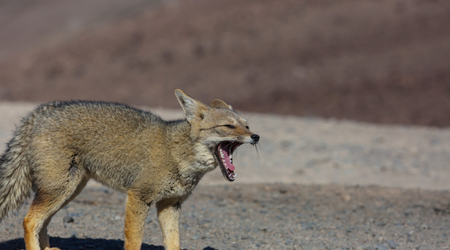
Rising temperatures in “urban heat islands” are pushing these animals to seek out irrigated landscapes. Golf courses and cemeteries become vital oases during the increasingly hot summer months of 2026.
Changing weather patterns also shift the availability of natural prey, forcing coyotes to explore new neighborhoods. Their ability to pivot their strategy based on the thermometer is a testament to their survival.
We are seeing a trend where urban coyotes behavior includes more frequent use of swimming pools for hydration. As the climate shifts, their reliance on human-managed water sources will likely continue to grow.
Summary
The evolution of these predators serves as a mirror to our own expanding urban footprint. They are not invaders, but rather highly successful neighbors that have decoded the complexities of modern city life.
By respecting their space and securing our attractants, we can foster a safe environment for everyone. Understanding the nuance of urban coyotes behavior is the first step toward successful urban wildlife management.
The future of city ecosystems depends on our ability to coexist with such intelligent, adaptable species. For more detailed wildlife management strategies and data, visit the National Wildlife Federation.
FAQ: Understanding Urban Coyotes
Are urban coyotes more aggressive than rural ones?
No, they are generally less aggressive but more habituated to human presence. Their boldness is usually a result of being fed by people rather than innate aggression.
Will a coyote attack my dog during a walk?
Attacks are rare and usually occur if a dog is off-leash or near a den. Keeping pets on a short leash and avoiding thick brush at night minimizes risks.
What should I do if I see a coyote during the day?
Stand your ground, act big, and make loud noises to scare it away. This “hazing” helps the animal maintain its natural fear of humans, which is safer for everyone.
Do coyotes live in underground dens in the city?
They often use culverts, abandoned sheds, or thick patches of ivy for shelter. Their dens are usually well-hidden from human foot traffic and provide safety for their pups.
Can coyotes jump over standard backyard fences?
Yes, they can easily clear a six-foot fence or climb even higher structures if motivated. Installing “coyote rollers” or extensions can help prevent them from entering private yards.
\